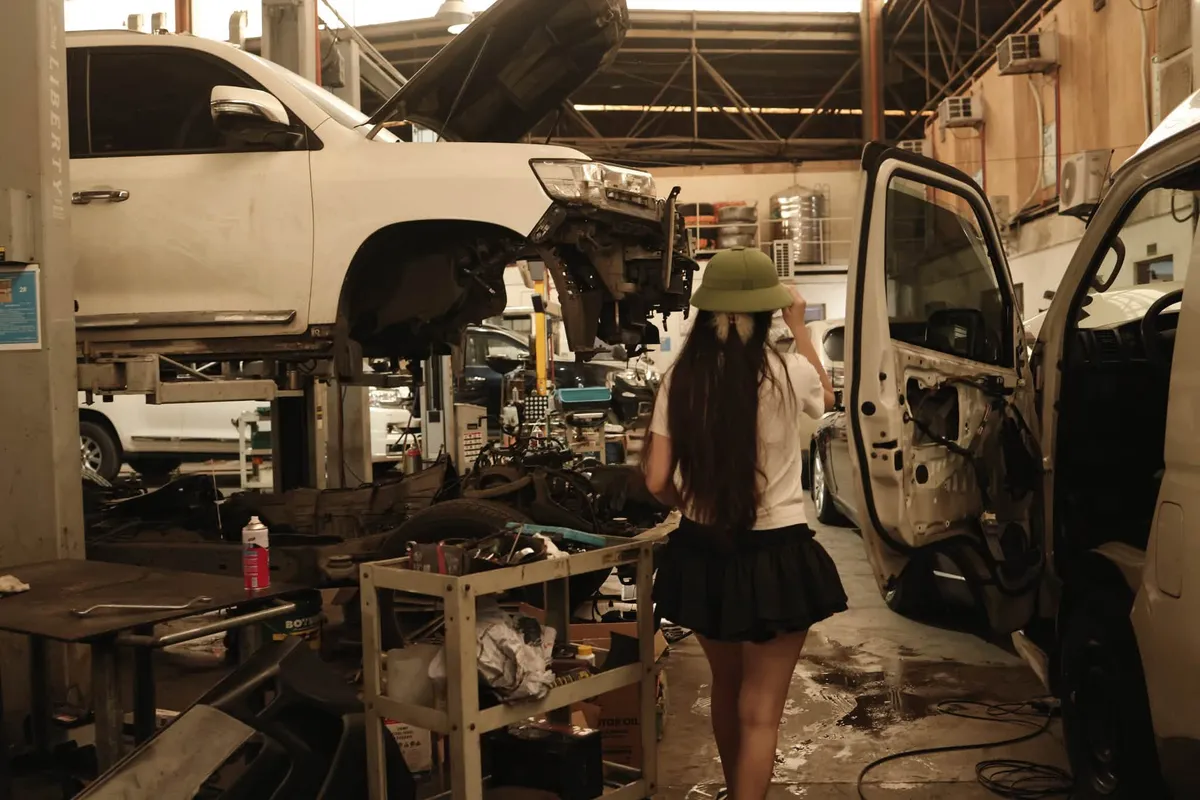
How to Compare EV Workshop Estimates
Read an EV workshop estimate line by line and agree which work can proceed before your appointment.

DT CAR FIELD GUIDE
981 guides
Read an EV workshop estimate line by line and agree which work can proceed before your appointment.

Plan routine EV maintenance using the model-specific schedule, elapsed time, mileage and workshop records.
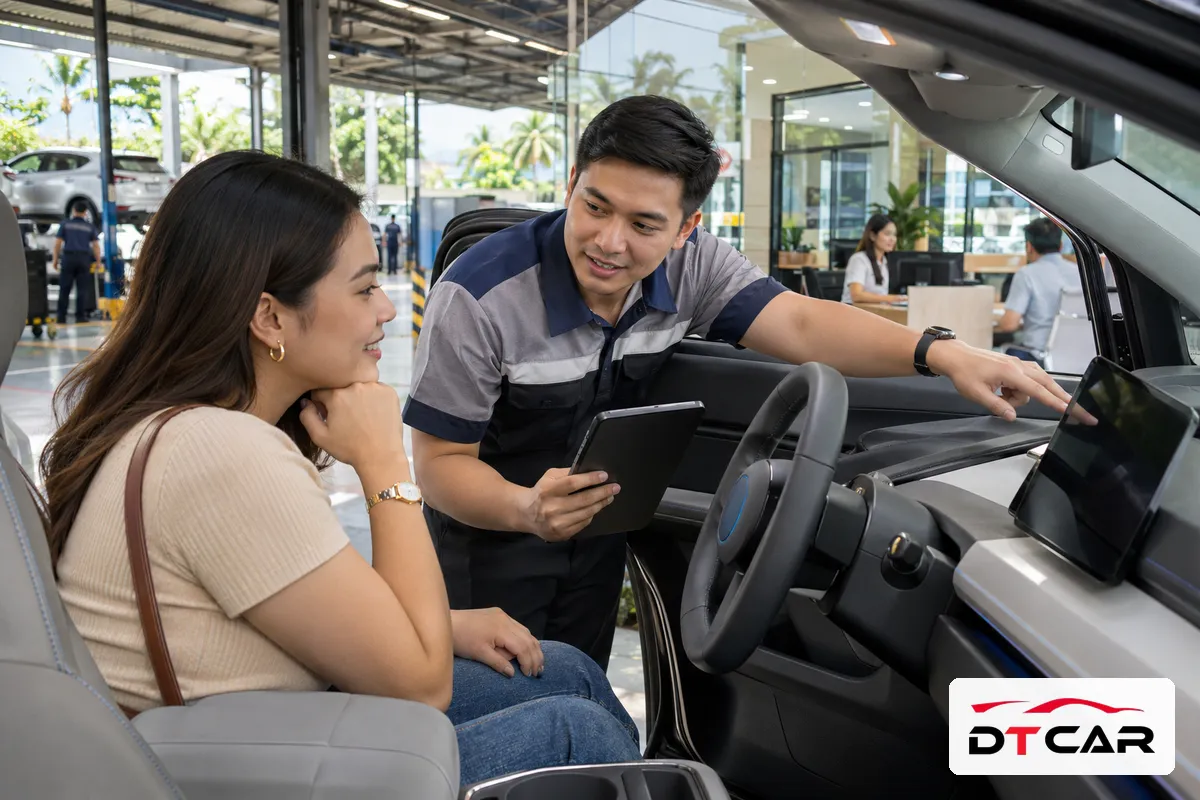
Prepare model, mileage, service history and symptoms so DT Car can coordinate an appropriate workshop enquiry.

Ghi loại bằng, nước cấp, ngày hết hạn, tình trạng cư trú và nơi bạn định nộp.
Nói rõ bạn chưa có bằng lái tại nước khác khi hỏi tư vấn.

Ghi ngày hết hạn và ngày sớm nhất bạn có thể đến nơi tiếp nhận.

Chép nguyên cách viết tên ở từng giấy tờ, kể cả thứ tự họ tên và ký tự thiếu dấu.

Cho nơi tiếp nhận biết ngôn ngữ in trên mặt trước và mặt sau, gồm cả phần tiếng Anh nếu có.

Nêu rõ bạn xin lần đầu, loại giấy tờ cư trú đang có và dự định học loại xe nào.

Xin ba dòng riêng cho phí cơ quan nhà nước, học phí và dịch vụ tư vấn.

Đặt ngày dự kiến nhận hộ chiếu mới cạnh lịch hẹn và các giấy tờ đang mang số cũ.
Nêu ngày nhập cảnh, quốc gia cấp bằng, thời hạn và ngôn ngữ trên bằng khi hỏi LTO.
Gửi tên chính xác giao dịch và hỏi văn phòng dự định đến có tiếp nhận loại hồ sơ đó không.

Đối chiếu tên, thông tin khóa học và đơn vị phát hành với hồ sơ của bạn.

Viết rõ địa chỉ trên hồ sơ trước và sau khi chuyển cùng các bước đã hoàn thành.
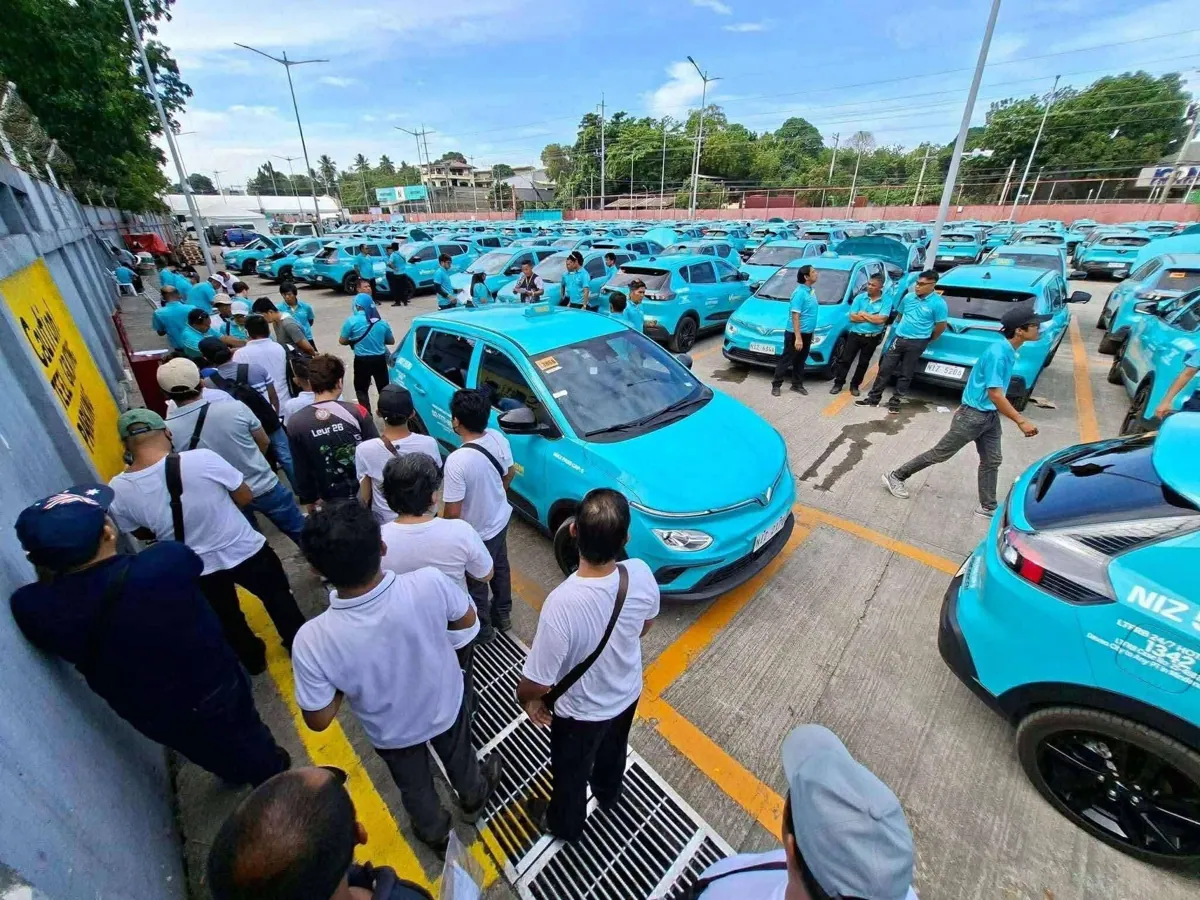
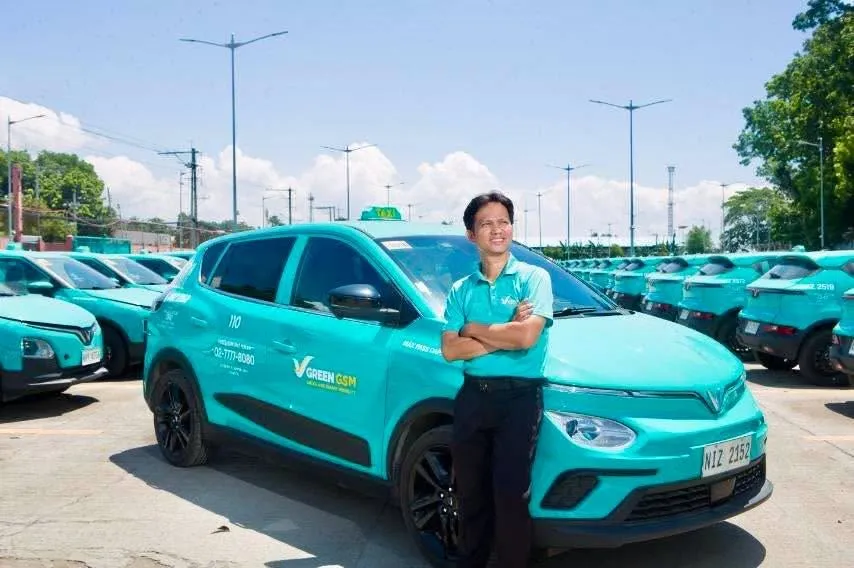
Prepare a driving example and confirm the depot, document list and assessment schedule for Green GSM.
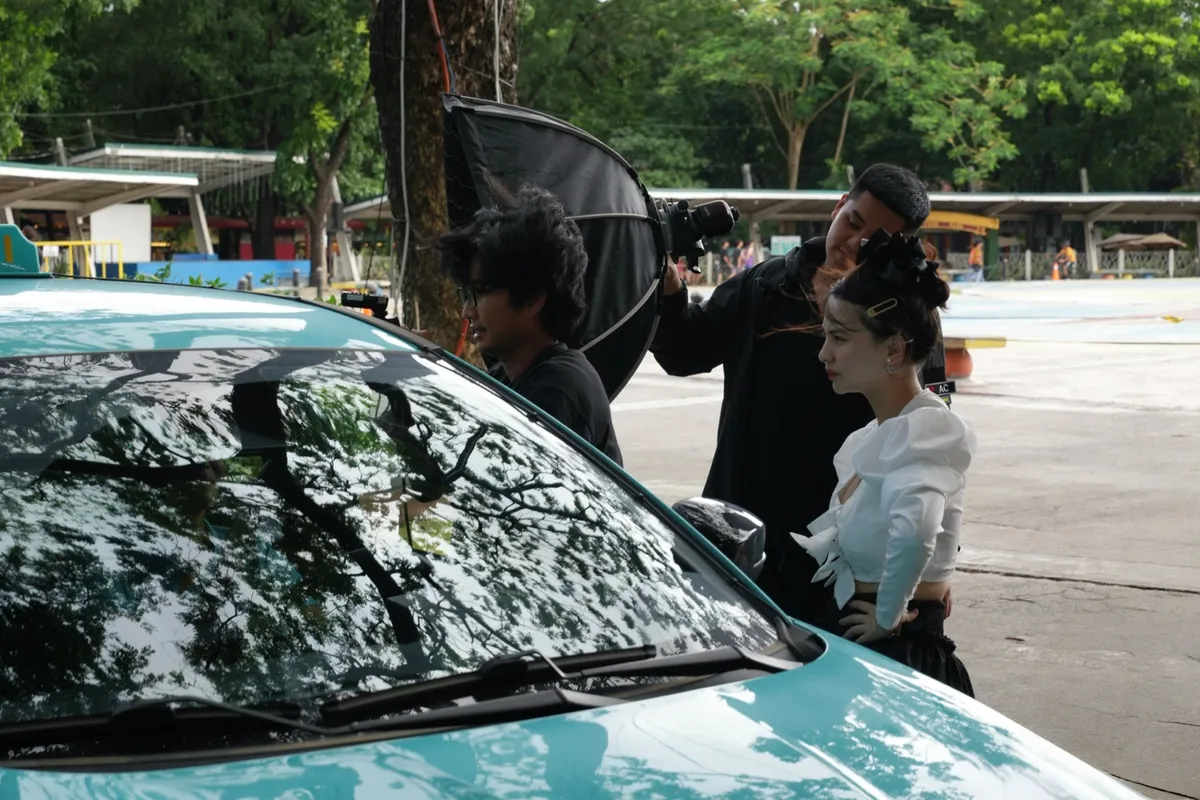
Compare guaranteed and variable components of a driver offer and confirm the terms for your depot.
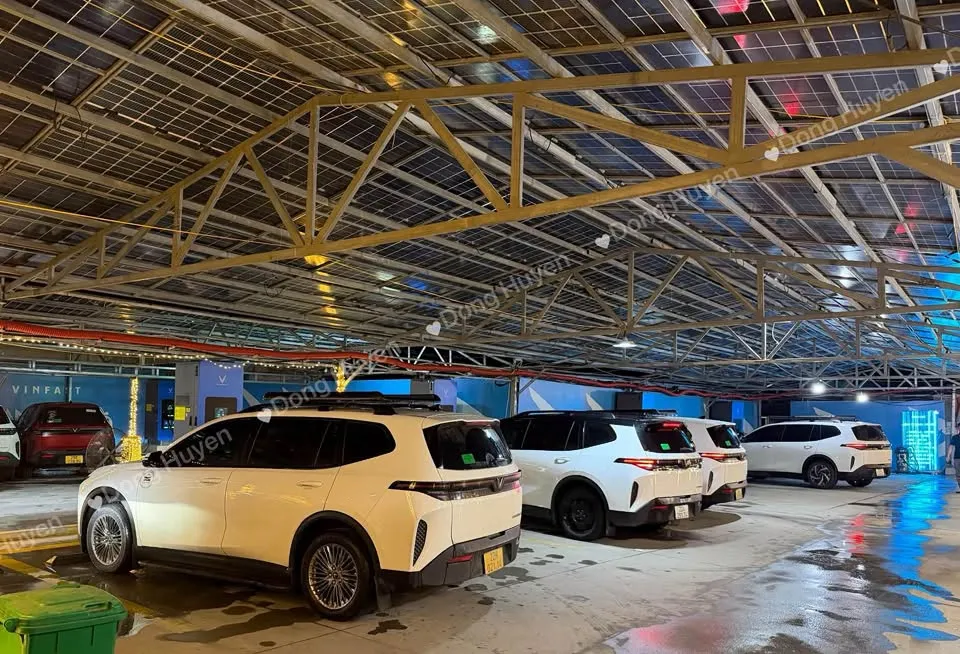
Ihanda ang larawan ng parking slot at pasukan, at kumpirmahin kung saan ito ipapasa para sa EV rental.
Sample message sa recruitment team at mga detalyeng dapat kumpirmahin bago bumiyahe sa bagong schedule.
Kuwentahin ang natitira sa mahinang araw at linawin ang singil kapag nakatigil ang rental EV.
Choose the correct Philippine enquiry route for a taxi driver application or an EV rental for ride-hailing.

Calculate the cash needed for a ride-hailing shift from your own rental quotation and actual shift receipts.
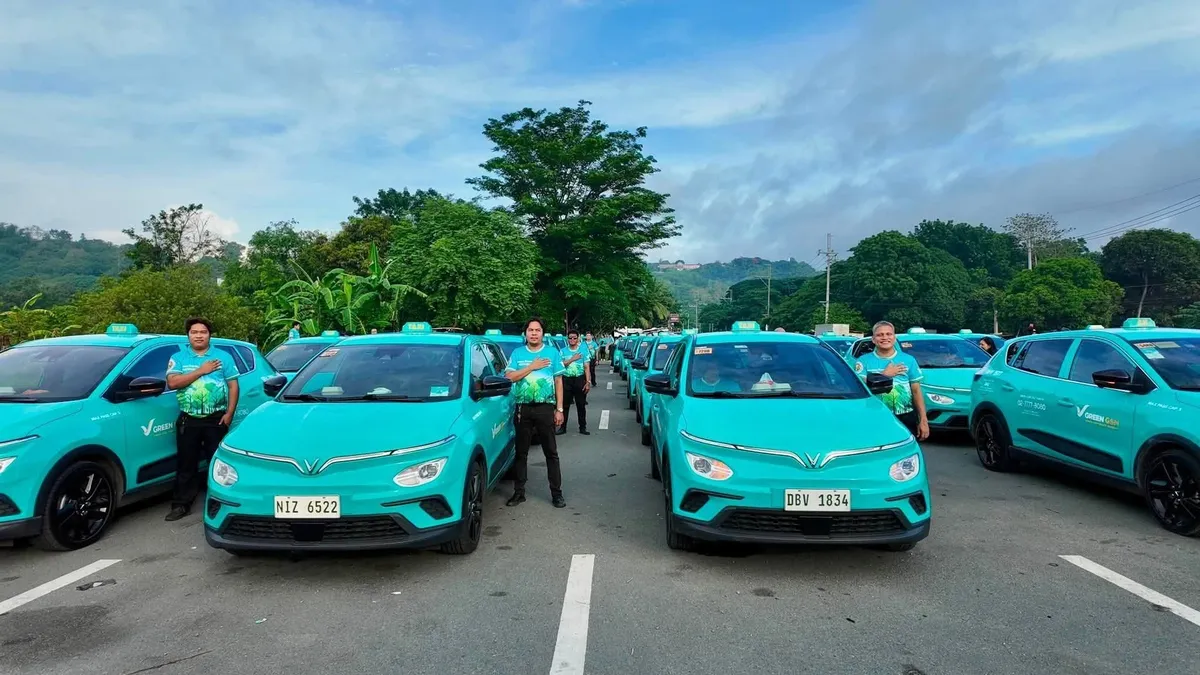
Alamin ang kailangan sa lisensya, paano magtanong sa recruitment team, at ano ang dapat kumpirmahin bago pumunta sa depot para sa interview at driving test.
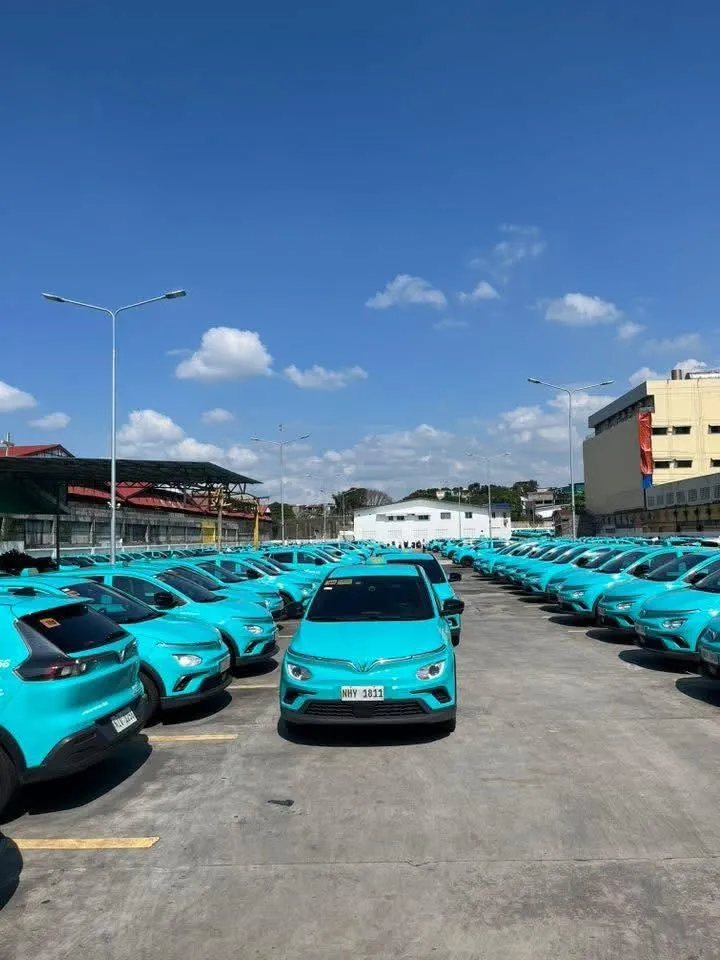
A practical guide to Green GSM driver enquiries, professional licence requirements and appointment preparation in the Philippines.
Say whether you want to buy a used vehicle, sell your own car or request a new VinFast quote.
A vehicle installation enquiry starts with a unit count, equipment and depot schedule.

Thống nhất một điểm ngắm dễ đến và hỏi giờ tập trung theo điều kiện thực tế.

Hỏi về lối từ điểm xe dừng đến chỗ nghỉ trên bãi.

Chọn lịch có điểm nhìn từ bờ hoặc trên tàu và xác nhận cách tiếp cận từng điểm.

Xin mô tả đoạn từ chỗ đỗ xe đến điểm ngắm thác trước khi đặt.

Đặt một giờ, một điểm hẹn rõ ràng và một người phụ trách liên lạc trước khi tách nhóm.

Tính giờ xe quay lại trước khi chọn điểm xuống nước.
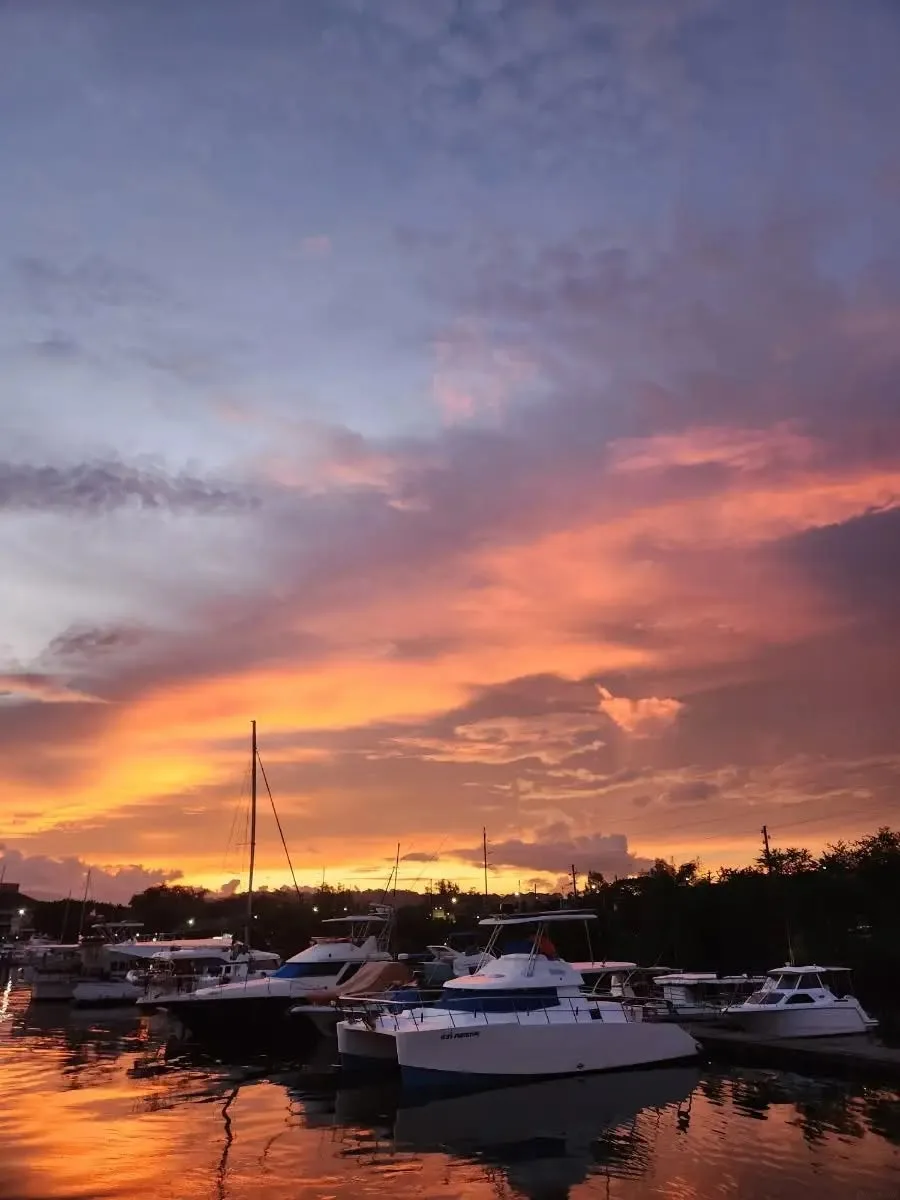
Đặt mục tiêu chính cho buổi đi, rồi hỏi giờ tàu rời bến và thời gian dùng bữa.
Chọn ngắm từ bờ nếu nhóm cần giờ về linh hoạt hoặc có người muốn tránh lên xuống tàu.

Xin sơ đồ từng chặng từ khách sạn đến bến, điểm ngắm vịnh và chiều về.

Hỏi lịch có điểm lên bờ và cho biết ai trong nhóm muốn dừng hoạt động trước người khác.

Hỏi bữa trưa diễn ra trên tàu hay trên bờ, ai chuẩn bị và đồ uống nào nằm trong giá.

Hỏi người điều hành cách lên xuống tàu, chỗ đặt túi và đoạn nào phải xuống nước.

Chia nhóm theo người muốn lặn với ống thở, người mới tập và người chọn ở trên bờ hoặc trên tàu.

Sảnh khách sạn Cebu City trước chuyến tham quan. Gửi định vị, giờ tập trung và số khách đã chốt.

Điểm đón ở nơi lưu trú trước chặng nội đảo Bohol. Gửi định vị, giờ tập trung và số khách đã chốt.

Sảnh có nhiều lối vào trước lịch Intramuros. Gửi định vị, giờ tập trung và số khách đã chốt.
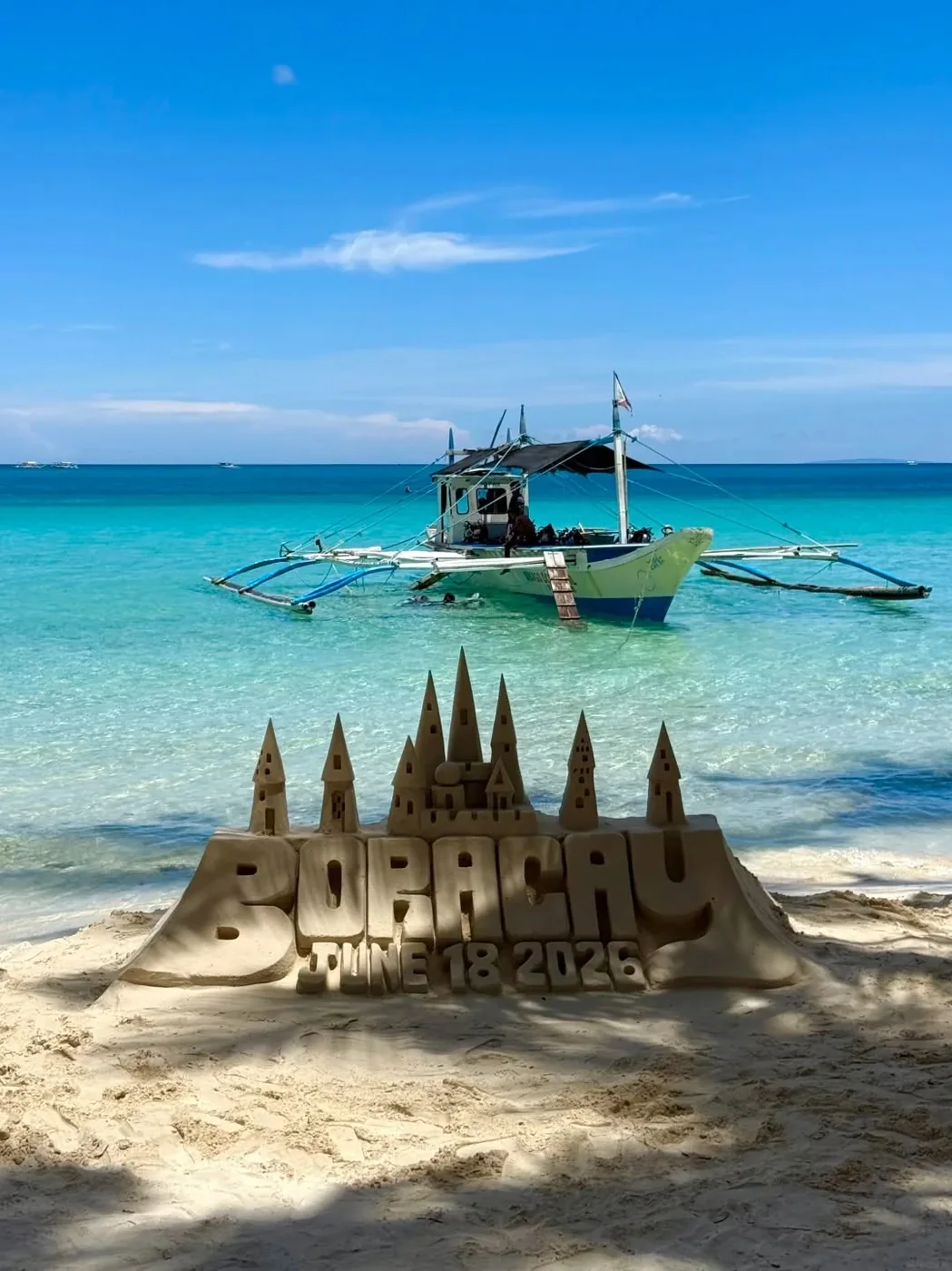
Điểm gặp được mô tả trước khi đổi phương tiện ra đảo. Gửi định vị, giờ tập trung và số khách đã chốt.

Nơi tập trung đúng của đơn vị tour vịnh El Nido. Gửi định vị, giờ tập trung và số khách đã chốt.

Sảnh lưu trú trước giờ tập trung đi tàu tại Coron. Gửi định vị, giờ tập trung và số khách đã chốt.

Điểm xe đón ở Manila cho chuyến đi Tagaytay. Gửi định vị, giờ tập trung và số khách đã chốt.

Đoạn đi bộ giữa hai điểm lịch sử ở Cebu City. Ghi khả năng đi bộ, thiết bị mang theo và thời gian nghỉ.

Chọn cách dừng ngắn ở nội đảo Bohol. Ghi khả năng đi bộ, thiết bị mang theo và thời gian nghỉ.

Hỏi lối xe và chỗ nghỉ quanh lịch Intramuros. Ghi khả năng đi bộ, thiết bị mang theo và thời gian nghỉ.

Kiểm tra từng đoạn lên xuống trong chặng ra đảo. Ghi khả năng đi bộ, thiết bị mang theo và thời gian nghỉ.

Hỏi đoạn đổi thuyền và lối xuống nước ở El Nido. Ghi khả năng đi bộ, thiết bị mang theo và thời gian nghỉ.

Tách người muốn ở lại tàu khỏi người muốn xuống nước ở Coron. Ghi khả năng đi bộ, thiết bị mang theo và thời gian nghỉ.

Chọn điểm ngắm có lối đi phù hợp ở Tagaytay. Ghi khả năng đi bộ, thiết bị mang theo và thời gian nghỉ.

So giờ đón ở nhiều khách sạn tại Cebu. So cả thời gian di chuyển, điểm đón và hành lý.

So thời gian nghỉ và số điểm dừng khi đi nội đảo Bohol. So cả thời gian di chuyển, điểm đón và hành lý.

So chặng đón ở sân bay với lịch trong Manila. So cả thời gian di chuyển, điểm đón và hành lý.

So gói xe, chặng qua nước và đoạn cuối đến khách sạn. So cả thời gian di chuyển, điểm đón và hành lý.

Giữ riêng xe tới chỗ lưu trú và tour vịnh. So cả thời gian di chuyển, điểm đón và hành lý.

Hỏi khoản xe đến bến khác với giá tàu tại Coron thế nào. So cả thời gian di chuyển, điểm đón và hành lý.

So số điểm đón trước khi xe rời Metro Manila. So cả thời gian di chuyển, điểm đón và hành lý.

Đặt khoảng nghỉ giữa các điểm Cebu City. Yêu cầu lịch nêu điểm nghỉ và thời gian dự kiến.

Chọn điểm nghỉ trước khi đi sâu vào nội đảo Bohol. Yêu cầu lịch nêu điểm nghỉ và thời gian dự kiến.

Đặt chỗ nghỉ gần cụm tham quan buổi sáng tại Manila. Yêu cầu lịch nêu điểm nghỉ và thời gian dự kiến.

Chừa thời gian nghỉ sau khi tới khách sạn Boracay. Yêu cầu lịch nêu điểm nghỉ và thời gian dự kiến.

Chọn chỗ nghỉ trước giờ tập trung tour vịnh. Yêu cầu lịch nêu điểm nghỉ và thời gian dự kiến.

Đặt mốc đổi đồ khô khi trở lại thị trấn Coron. Yêu cầu lịch nêu điểm nghỉ và thời gian dự kiến.

Xếp một điểm nghỉ giữa đường bộ và điểm ngắm. Yêu cầu lịch nêu điểm nghỉ và thời gian dự kiến.

Chọn phần tham quan Cebu City có thể thay nếu mưa. Chốt thời điểm thông báo và giá của phương án thay thế.

Hỏi điểm nội đảo có thể thay nếu đoàn ngại đi xa. Chốt thời điểm thông báo và giá của phương án thay thế.

Chọn nơi tham quan có mái che theo nguồn tổ chức. Chốt thời điểm thông báo và giá của phương án thay thế.

Đổi thứ tự ngày nghỉ và hoạt động ngoài trời nếu cần. Chốt thời điểm thông báo và giá của phương án thay thế.

Xin tuyến thay trước khi khởi hành đi vịnh. Chốt thời điểm thông báo và giá của phương án thay thế.

Hỏi chi phí khi đổi ngày tàu hoặc ở lại thị trấn. Chốt thời điểm thông báo và giá của phương án thay thế.

Giữ mốc quay về khi tầm nhìn từ điểm ngắm thay đổi. Chốt thời điểm thông báo và giá của phương án thay thế.

Bố trí vali giữa lúc gửi đồ và tham quan Cebu City. Gửi bảng hành lý theo người và đoạn di chuyển.

Hỏi chỗ cất túi khi rời nơi lưu trú đi nội đảo. Gửi bảng hành lý theo người và đoạn di chuyển.

Tách vali sân bay khỏi túi dùng khi đi Intramuros. Gửi bảng hành lý theo người và đoạn di chuyển.
Ghi số kiện và ai nhận đồ khi đổi chặng ra đảo. Gửi bảng hành lý theo người và đoạn di chuyển.

Hỏi nơi giữ túi trong chuyến đi vịnh El Nido. Gửi bảng hành lý theo người và đoạn di chuyển.

Đưa thông tin túi chống nước vào lịch tập trung. Gửi bảng hành lý theo người và đoạn di chuyển.

Chọn chỗ để đồ trong xe tại mỗi điểm dừng. Gửi bảng hành lý theo người và đoạn di chuyển.

Sắp bữa ăn trong cụm Cebu City thay vì giữa hai chặng xa. Gửi số phần ăn, giờ phù hợp và yêu cầu cụ thể.

Hỏi bữa ăn nằm trước hay sau đoạn đi nội đảo. Gửi số phần ăn, giờ phù hợp và yêu cầu cụ thể.

Xin giờ ăn để vẫn kịp lịch tham quan đã đặt. Gửi số phần ăn, giờ phù hợp và yêu cầu cụ thể.

Sắp bữa trước khi đi đổi chặng, hoặc sau khi nhận phòng. Gửi số phần ăn, giờ phù hợp và yêu cầu cụ thể.

Hỏi bữa giữa tour vịnh được phục vụ ở đâu. Gửi số phần ăn, giờ phù hợp và yêu cầu cụ thể.

Kiểm tra bữa ăn dành cho người không xuống nước. Gửi số phần ăn, giờ phù hợp và yêu cầu cụ thể.

Chọn khung giờ ăn vẫn giữ được giờ quay về Manila. Gửi số phần ăn, giờ phù hợp và yêu cầu cụ thể.

Chốt giờ rời Cebu City để về nơi lưu trú hoặc sân bay. Gửi thời hạn phải có mặt và vị trí cuối.

Tính mốc rời điểm nội đảo để không phải vội qua xe. Gửi thời hạn phải có mặt và vị trí cuối.

Tính ngược từ giờ ra sân bay đến chặng Intramuros. Gửi thời hạn phải có mặt và vị trí cuối.

Dành đủ thời gian cho các chặng về đất liền. Gửi thời hạn phải có mặt và vị trí cuối.

Giữ khoảng đệm giữa giờ tàu về và cuộc hẹn tiếp theo. Gửi thời hạn phải có mặt và vị trí cuối.

Chốt thời điểm tới điểm đón ở thị trấn sau chuyến đi tàu. Gửi thời hạn phải có mặt và vị trí cuối.

Chừa chặng đường bộ về đúng giờ hẹn ở Manila. Gửi thời hạn phải có mặt và vị trí cuối.
Chọn hoạt động thành phố và phần nghỉ tùy chọn. Gửi số khách tham gia từng hoạt động.

Chọn một điểm chính và một lựa chọn nhẹ hơn ở Bohol. Gửi số khách tham gia từng hoạt động.

Chốt điểm gặp lại nếu một nhóm không đi hết lịch Intramuros. Gửi số khách tham gia từng hoạt động.
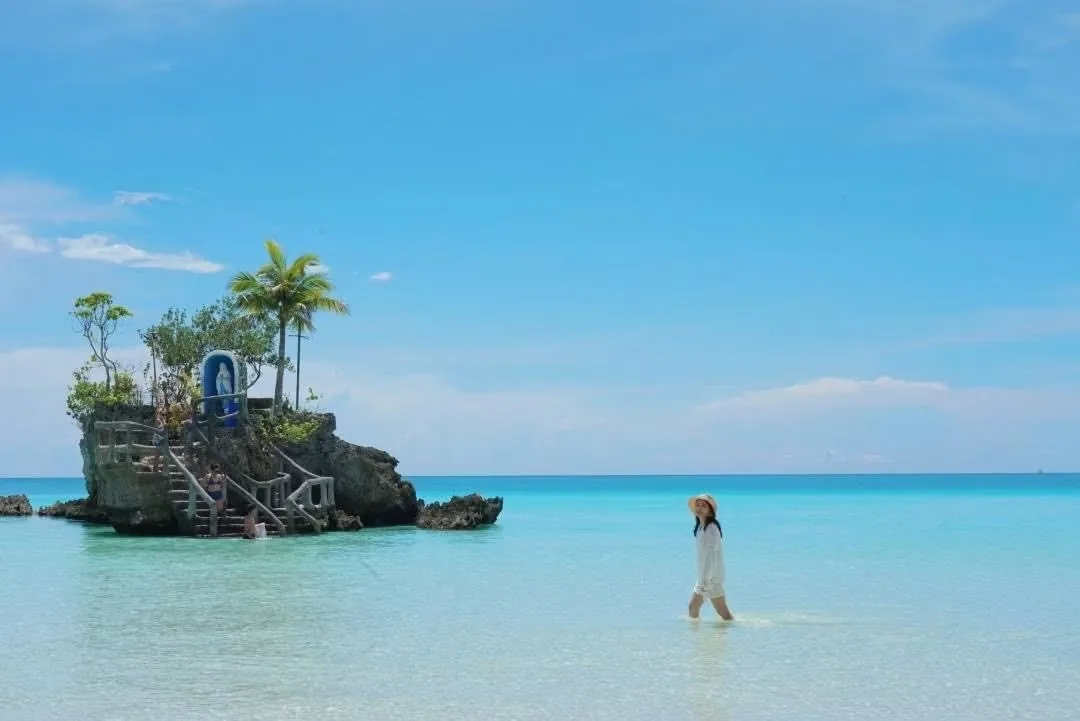
Tách phần nghỉ biển và phần đi hoạt động theo nhóm. Gửi số khách tham gia từng hoạt động.

Nêu rõ hoạt động vịnh ai muốn xuống thuyền. Gửi số khách tham gia từng hoạt động.

Chốt người điều phối nếu một số khách ở lại tàu. Gửi số khách tham gia từng hoạt động.

Đặt mốc quay về nếu nhóm tham quan ở hai điểm. Gửi số khách tham gia từng hoạt động.

So vé tham quan với khoản xe tại Cebu City. Kiểm tra phí đã gồm và điều kiện đổi hoặc hủy.

Hỏi phí từng điểm dừng nội đảo Bohol. Kiểm tra phí đã gồm và điều kiện đổi hoặc hủy.

Hỏi phí từng địa điểm trong Intramuros theo ngày. Kiểm tra phí đã gồm và điều kiện đổi hoặc hủy.

Tách khoản đưa đón ra đảo và khoản hoạt động riêng. Kiểm tra phí đã gồm và điều kiện đổi hoặc hủy.

Xác nhận vé, phí tại điểm và dịch vụ trong tour vịnh. Kiểm tra phí đã gồm và điều kiện đổi hoặc hủy.

Tách giá tàu, thiết bị và phí vào từng điểm. Kiểm tra phí đã gồm và điều kiện đổi hoặc hủy.

So phí xe và vé từng điểm dừng Tagaytay. Kiểm tra phí đã gồm và điều kiện đổi hoặc hủy.

Đón nhóm đến Cebu vào hai giờ khác nhau. Ghi giờ đến của từng nhóm và chặng có thể tách.

Gom đoàn từ hai nơi lưu trú ở Bohol. Ghi giờ đến của từng nhóm và chặng có thể tách.

Ghép người tới từ sân bay với người ở sẵn Manila. Ghi giờ đến của từng nhóm và chặng có thể tách.

Tách lịch tới đảo của hai nhóm bay khác giờ. Ghi giờ đến của từng nhóm và chặng có thể tách.

Đặt lịch tour vịnh sau khi cả hai nhóm đã tới. Ghi giờ đến của từng nhóm và chặng có thể tách.

Chọn một điểm tập trung gần thị trấn cho hai đoàn. Ghi giờ đến của từng nhóm và chặng có thể tách.

Lưu điểm tập trung Cebu City cho người tự tới. Ghi thông tin liên lạc và phương án khi cả nhóm mất sóng.

Lưu các điểm gọi xe và số người điều phối nội đảo. Ghi thông tin liên lạc và phương án khi cả nhóm mất sóng.

Lưu điểm xe đón khác với cửa vào khi tham quan Intramuros. Ghi thông tin liên lạc và phương án khi cả nhóm mất sóng.

Lưu đầu mối cho từng chặng chuyển phương tiện. Ghi thông tin liên lạc và phương án khi cả nhóm mất sóng.
Gửi mã chuyến bay, ngày hạ cánh theo giờ Manila, tên khách sạn và ảnh hoặc kích thước các kiện lớn.
Ghi từng mã chuyến, nhà ga dự kiến và người giữ liên lạc cho từng nhóm.

Xin hai báo giá cho cùng điểm đầu, điểm cuối và khung giờ.

Dùng ngày hạ cánh trên vé để đặt xe.

Gửi tên sân bay Clark và địa chỉ khách sạn đầy đủ.
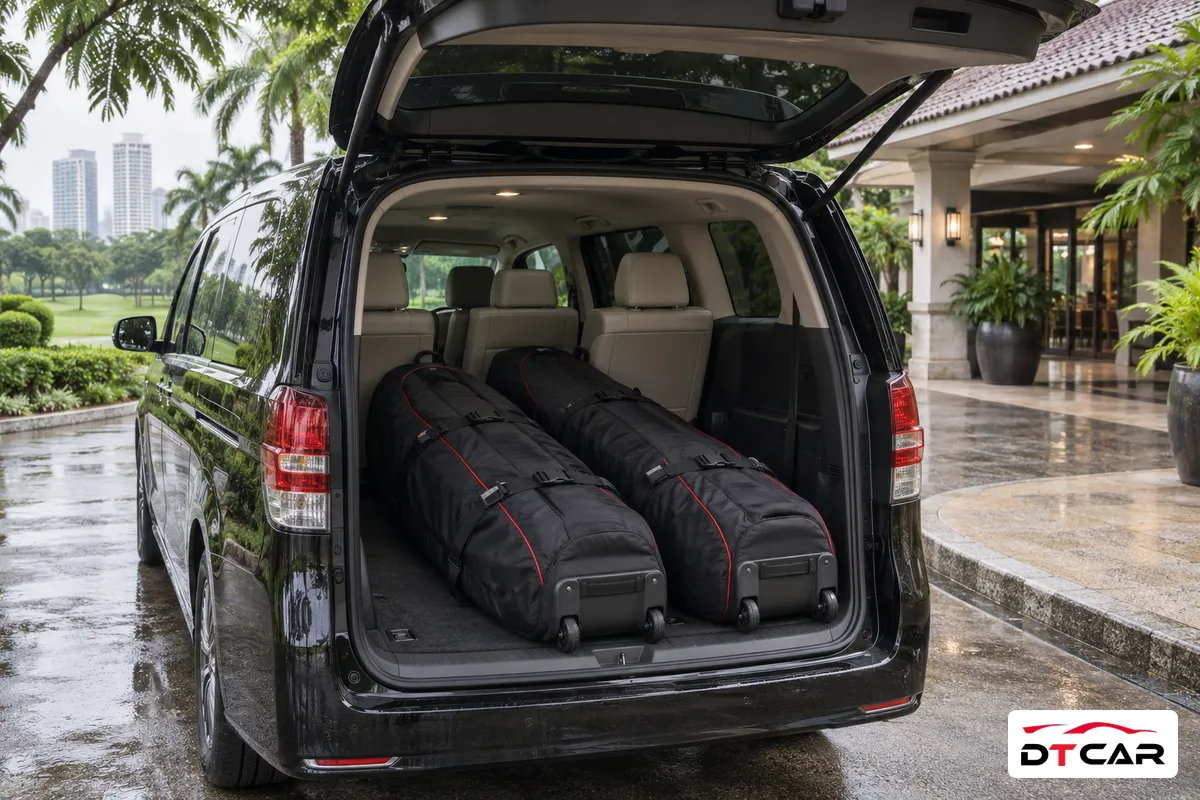
Đếm số túi gậy, số vali lớn và số khách.

Ghi giờ phải có mặt tại quầy lễ tân của từng tòa nhà và cổng xe được phép dừng.
Lấy giờ phải có mặt ở sân bay của chuyến sớm nhất làm mốc.

Chia dự toán thành vé bay, phòng theo đêm, xe đưa đón, hoạt động, bữa ăn và hành lý.

So giờ hạ cánh thực tế, hành lý ký gửi và thời gian đến khách sạn của hai nhóm.

Đếm số buổi sáng trọn vẹn tại điểm đến sau khi trừ thời gian ra sân bay, gửi hành lý và nhận phòng.
Hỏi cụ thể quãng đi bộ dài nhất, số lần lên xuống tàu hoặc xe và lịch nghỉ giữa các điểm.

Bắt đầu bằng giờ phải về đến khách sạn, rồi chừa thời gian cho chặng về trước khi thêm điểm tham quan.

Tagaytay phù hợp với lịch khứ hồi bằng đường bộ từ Manila.

Chia hành trình thành sân bay, chặng ra bến, đoạn qua nước và xe về khách sạn.
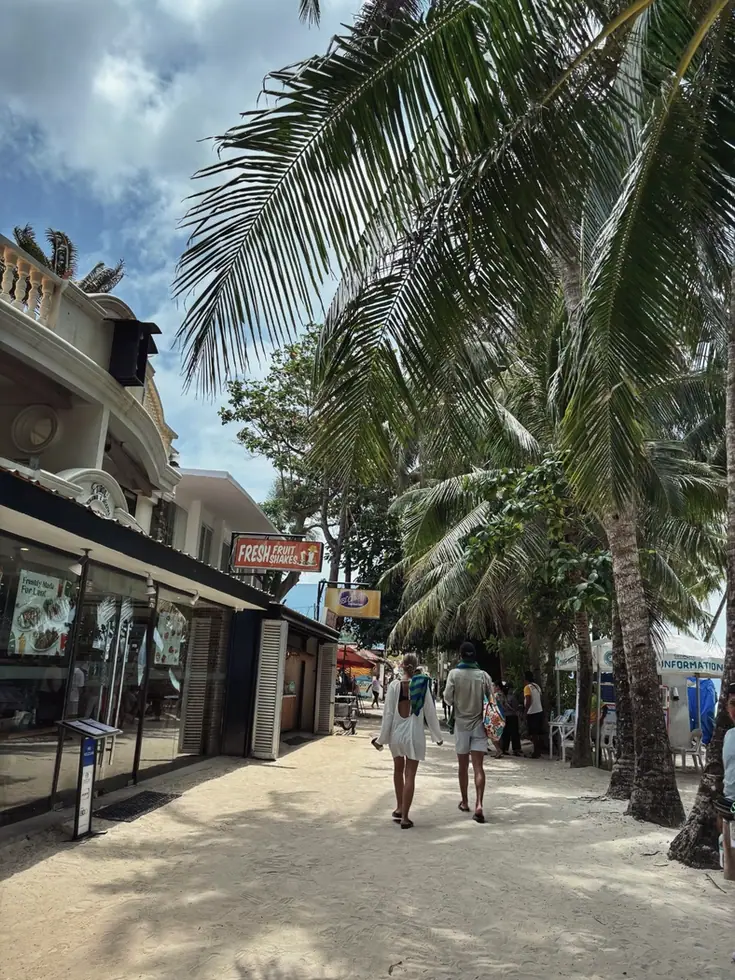
Giữ ngày giữa cho hoạt động phụ thuộc giờ tàu hoặc thời tiết.
So số lần đổi phương tiện, cách lên tàu, thời gian ở trên nước và khả năng nghỉ tại khách sạn của từng người.

Yêu cầu danh sách điểm ghé dự kiến và hoạt động thực tế trong ngày.
Ghi giờ lấy hành lý tại sân bay, lúc có thể lên xe và giờ nhận phòng dự kiến.

Xin lịch mô tả điểm ngắm được từ tàu hoặc bờ và điểm cần xuống nước mới tiếp cận được.

Báo trước ai chỉ muốn ở trên tàu, ai muốn xuống nước và ai cần người hướng dẫn.

Ghi bến đi, bến đến, giờ phải có mặt và quy định hành lý của chuyến đã chọn.

Chọn điểm xa nhất mà gia đình thật sự muốn đi rồi vẽ chiều về khách sạn.

Hỏi nhóm muốn dành bao lâu trên nước, có ai dễ say tàu và ai chỉ muốn ở bãi biển.

Tách việc ngắm động vật, xe đường dài và chặng ra sân bay thành ba phần.

Nói rõ bạn muốn nghỉ trên bờ hay có thời gian xuống nước để bên tour chọn điểm dừng và người hỗ trợ tương ứng.
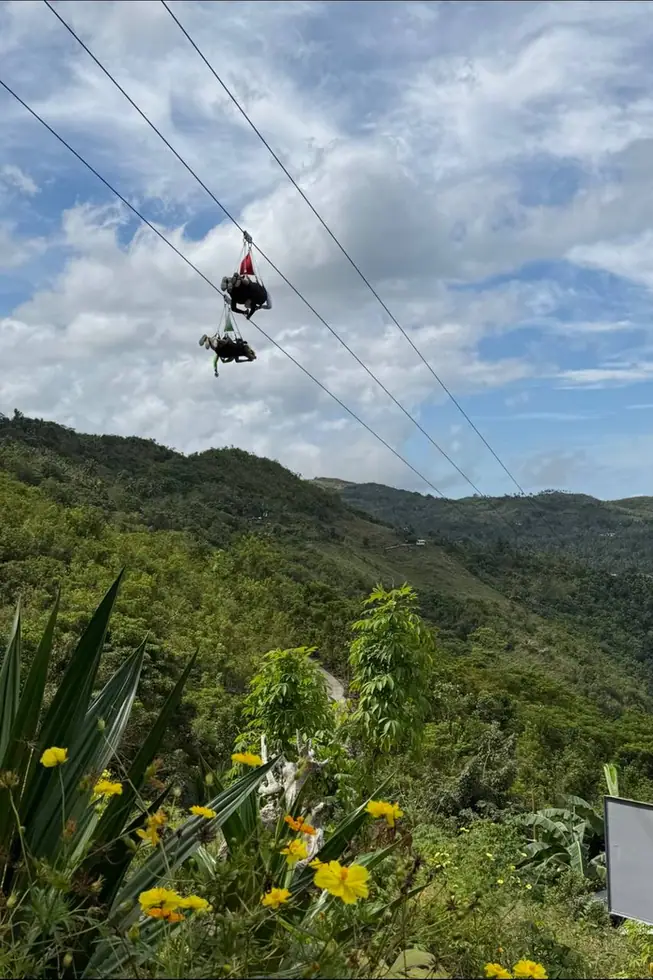
Hỏi riêng tuyến tham quan được phép và tuyến hoạt động có hướng dẫn viên.
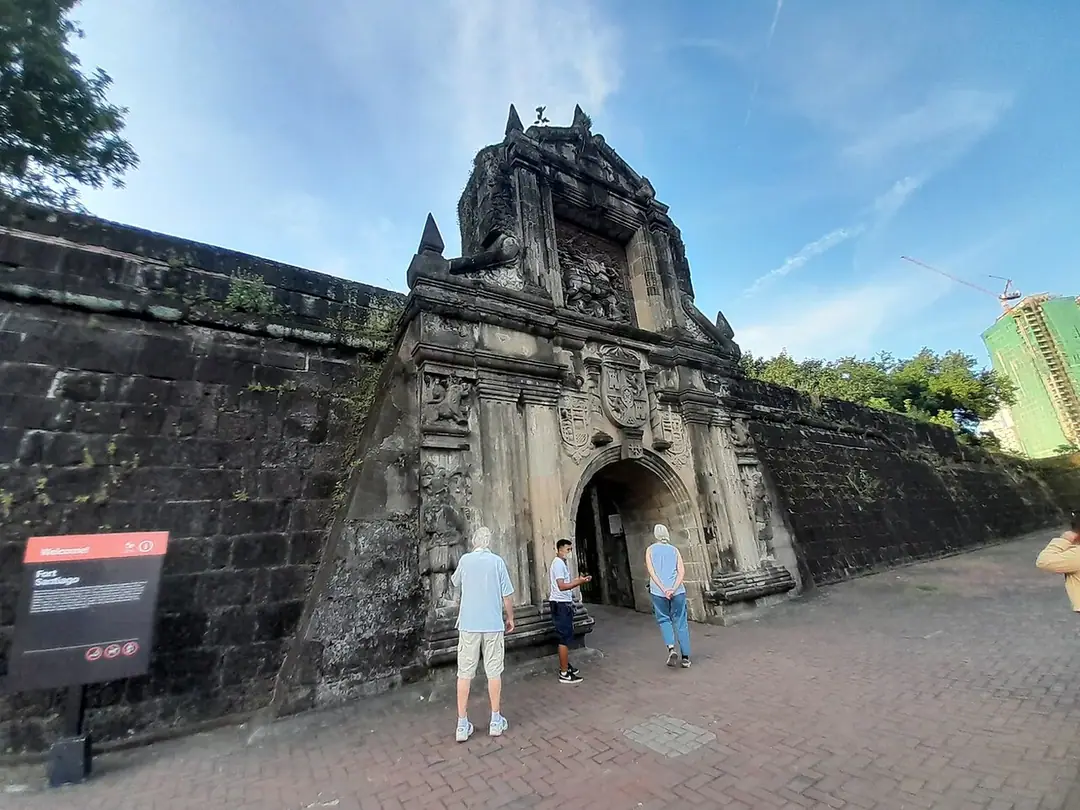
Chọn một lối vào, hai điểm chính và điểm hẹn xe ở cuối tuyến.
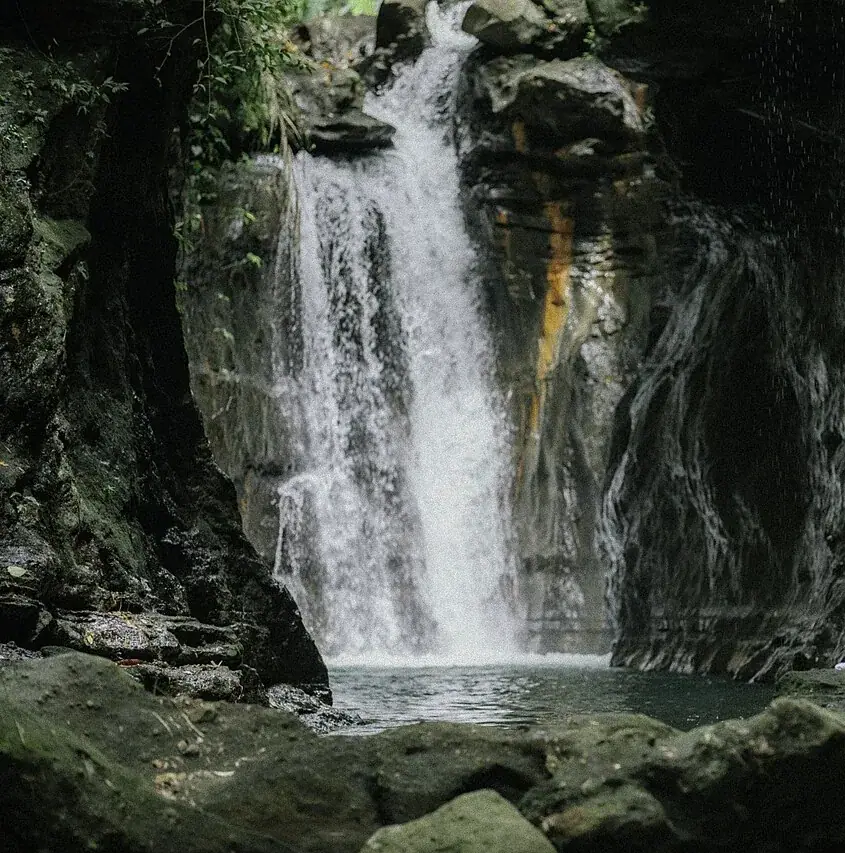
Hỏi giá vào cửa áp dụng cho ngày nào, gồm bữa ăn hay khăn không, và ai phụ trách việc đặt chỗ tại điểm.

Lấy giờ phải có mặt tại bến làm mốc, rồi tính ngược về giờ xuất phát ở Manila.

Phân biệt điểm ở Batangas với đảo Boracay cần di chuyển qua Caticlan.
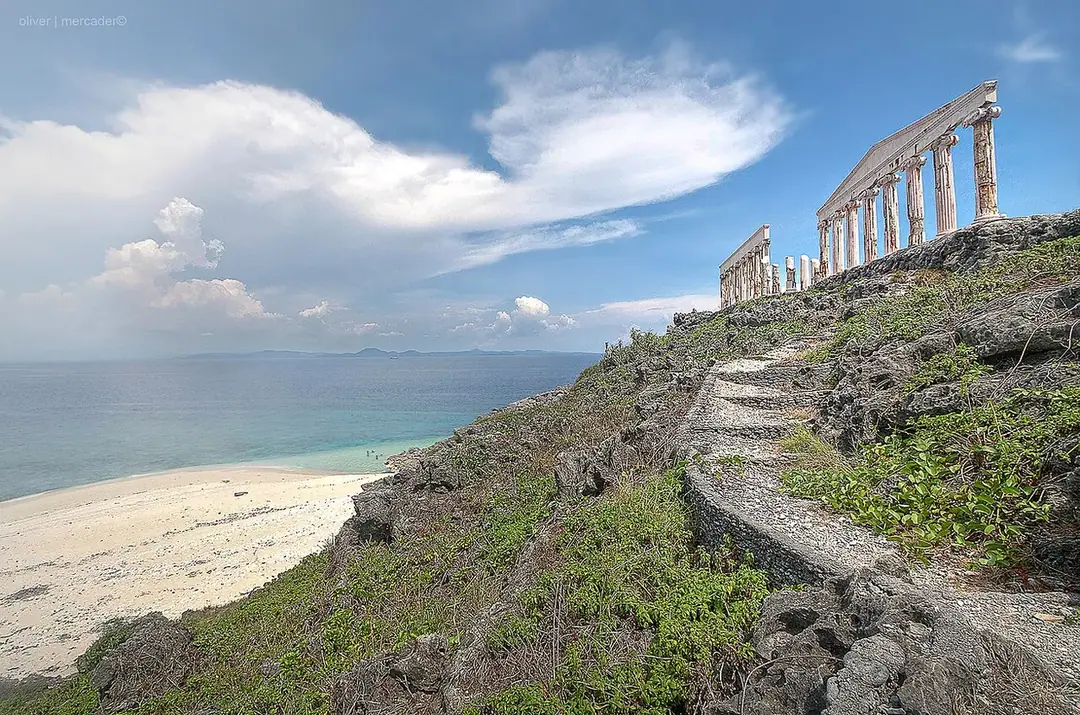
Chốt điểm lên tàu, giờ về và thời gian thực sự ở trên đảo.

Đặt các hoạt động chung vào khoảng hai nhóm cùng có mặt.

Báo số người lớn, trẻ em và tuổi trẻ ở ngày nhận phòng.

Dùng một bảng có số kiện ký gửi, số đêm, xe đưa đón và hoạt động chính giống nhau.
Gửi tên đơn vị cần xuất chứng từ và lịch trình dự kiến ngay khi hỏi giá.
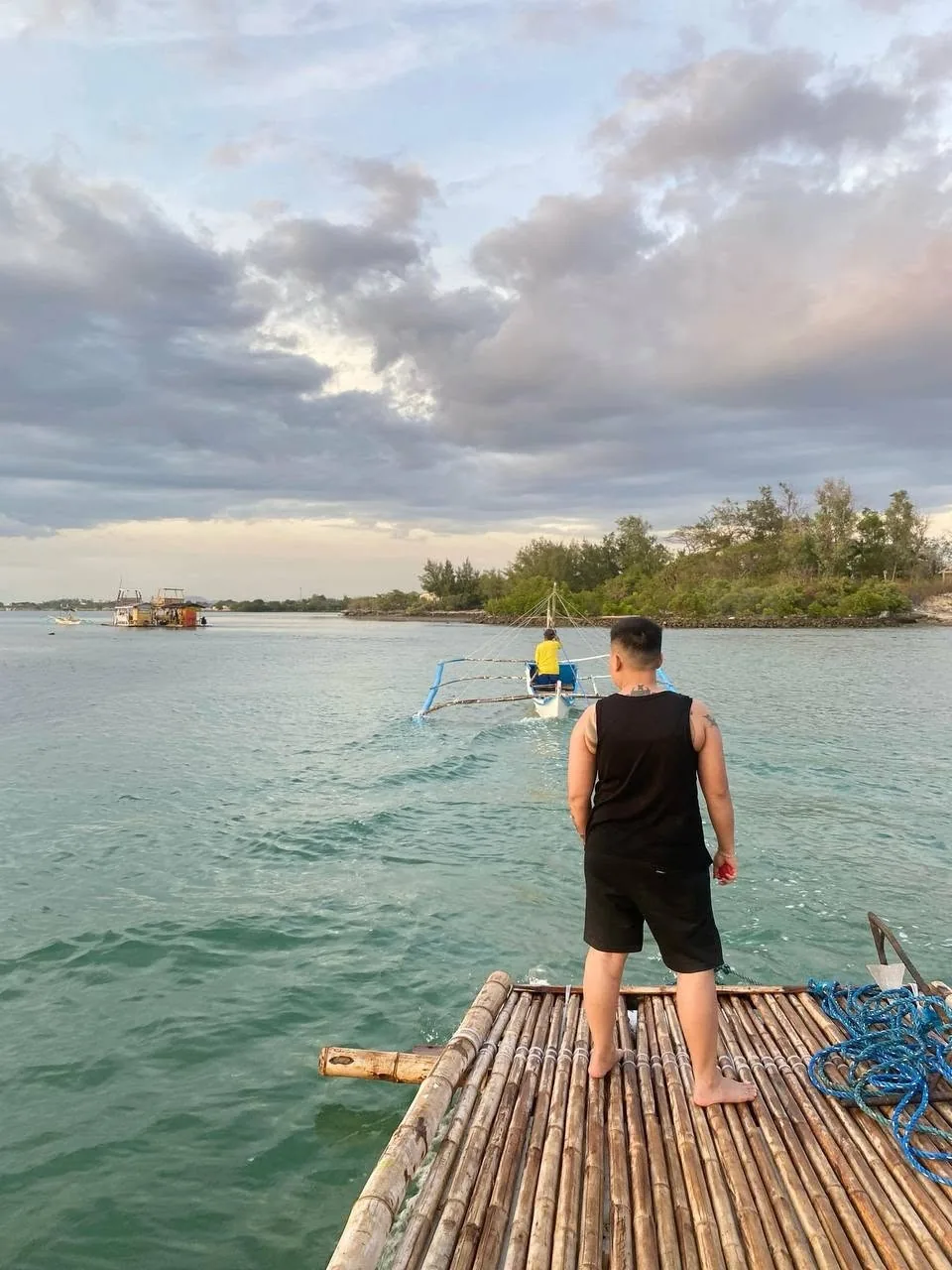
Thống nhất ai báo kết quả từ nhà vận hành và giờ cuối cùng đoàn cần quyết định.

Lấy giờ phải có mặt tại đúng nhà ga do hãng bay hướng dẫn làm mốc.
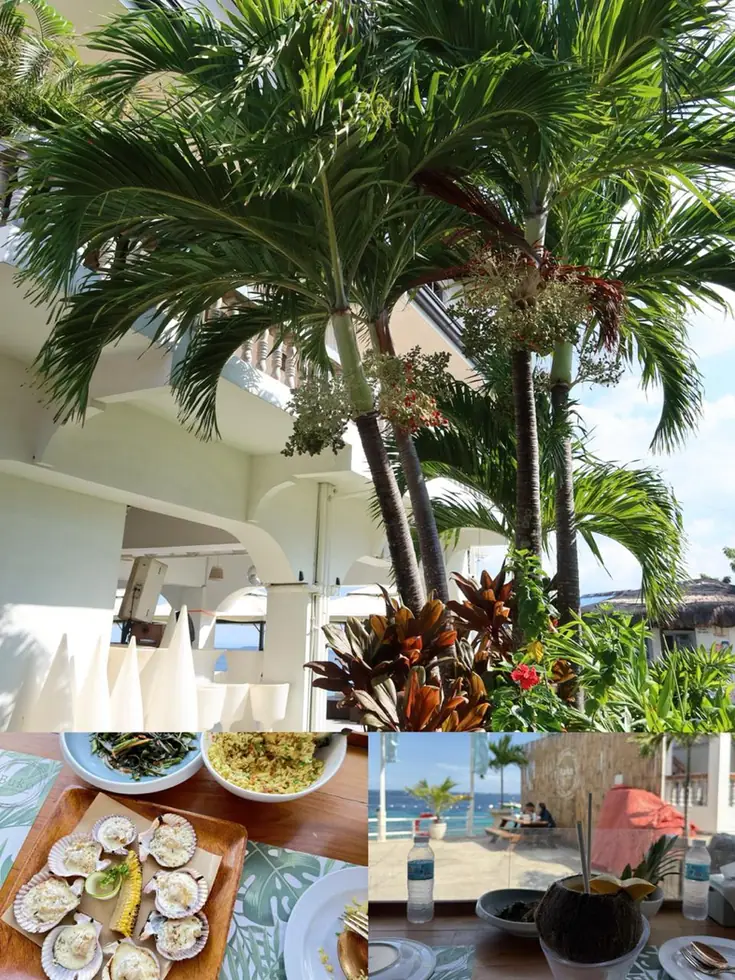
Chốt phần đi chung như ngày bay, chặng ra đảo và lịch đưa đón.

Gửi mã chuyến bay và địa chỉ lưu trú để bên xe xác nhận việc đón muộn.

Tách chuyến về của người đầu tiên khỏi chương trình chung và đánh dấu chặng phà gần nhất trước giờ bay.

Ghi điểm bắt đầu của từng người và giờ cả đoàn có thể gặp nhau.
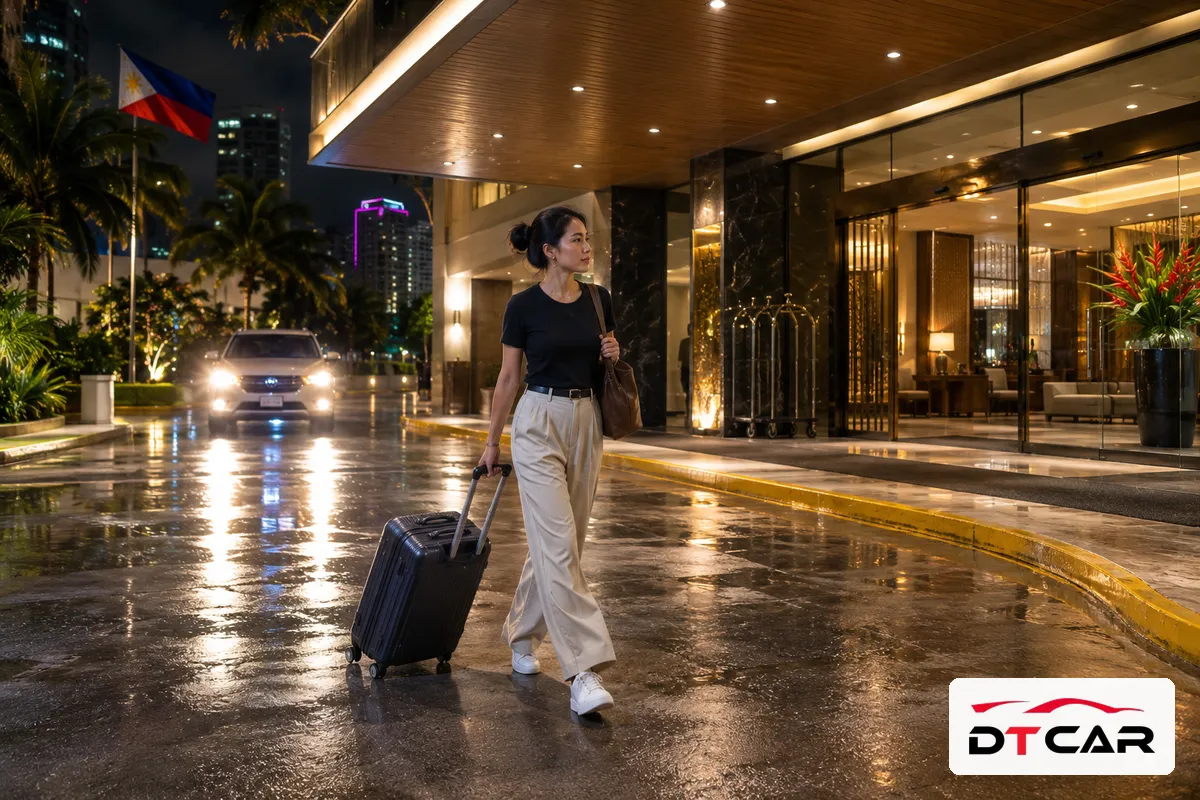
Đón đêm · Ngày hạ cánh / Ngày nhận phòng
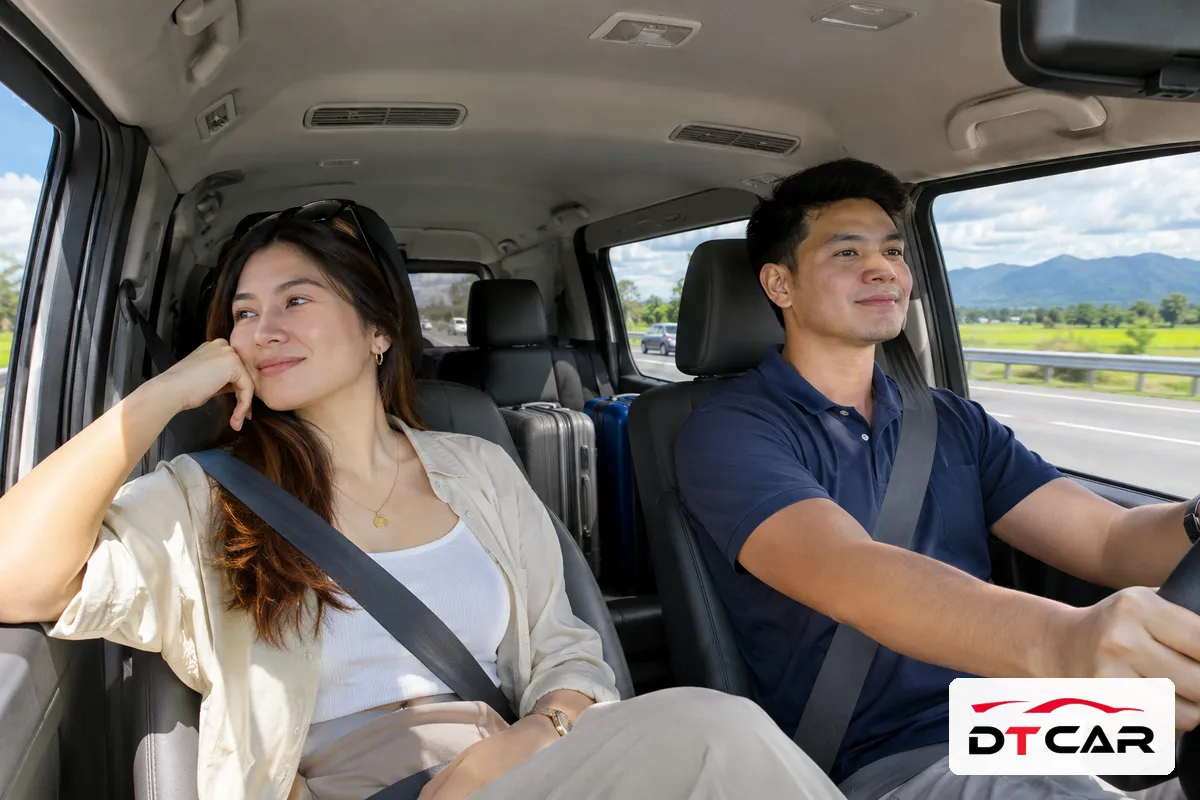
Đi Clark · Điểm đón / Giờ phải tới

Đón tại Clark · Mã chuyến / Điểm trả
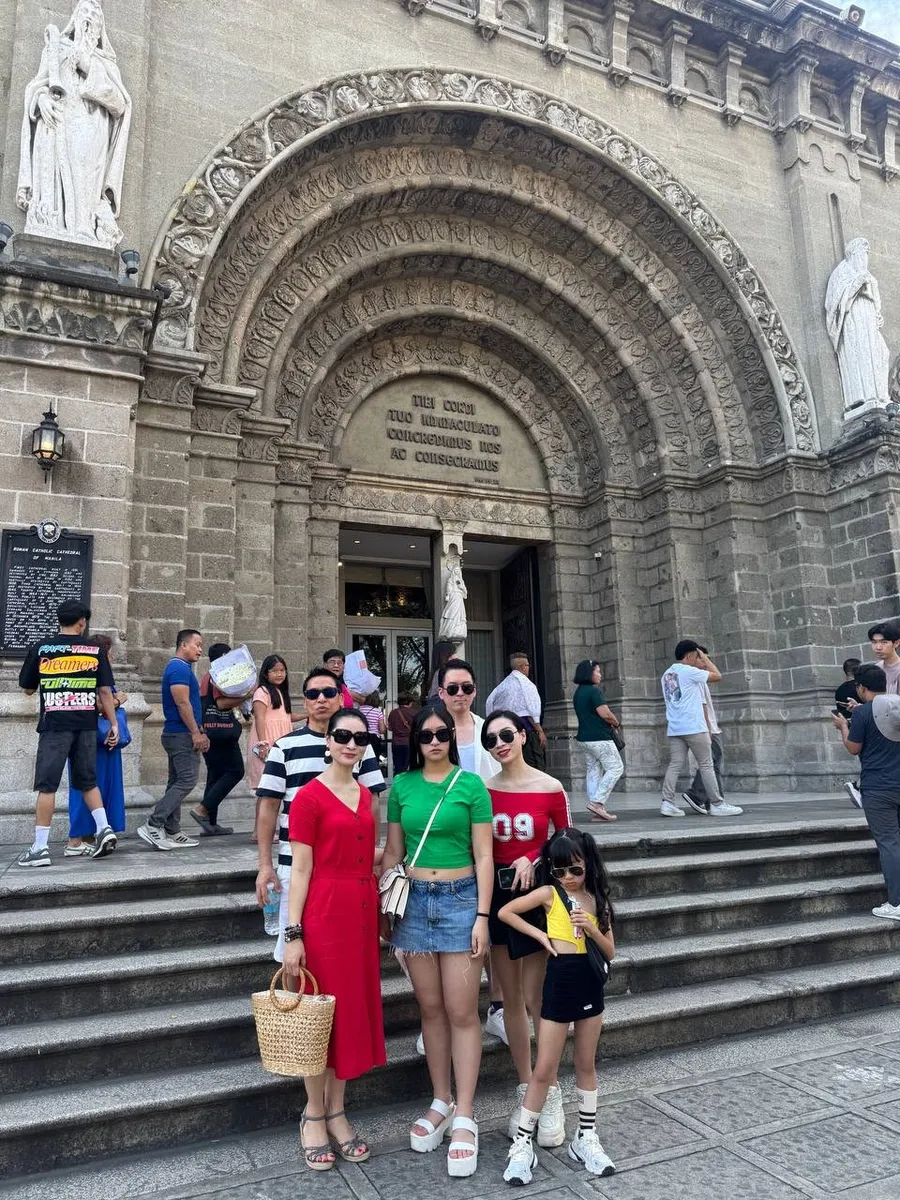
Góc chụp kiến trúc · Điểm ưu tiên / Thời gian đi bộ

Lịch ngày mưa · Điểm trong nhà / Giờ quyết định
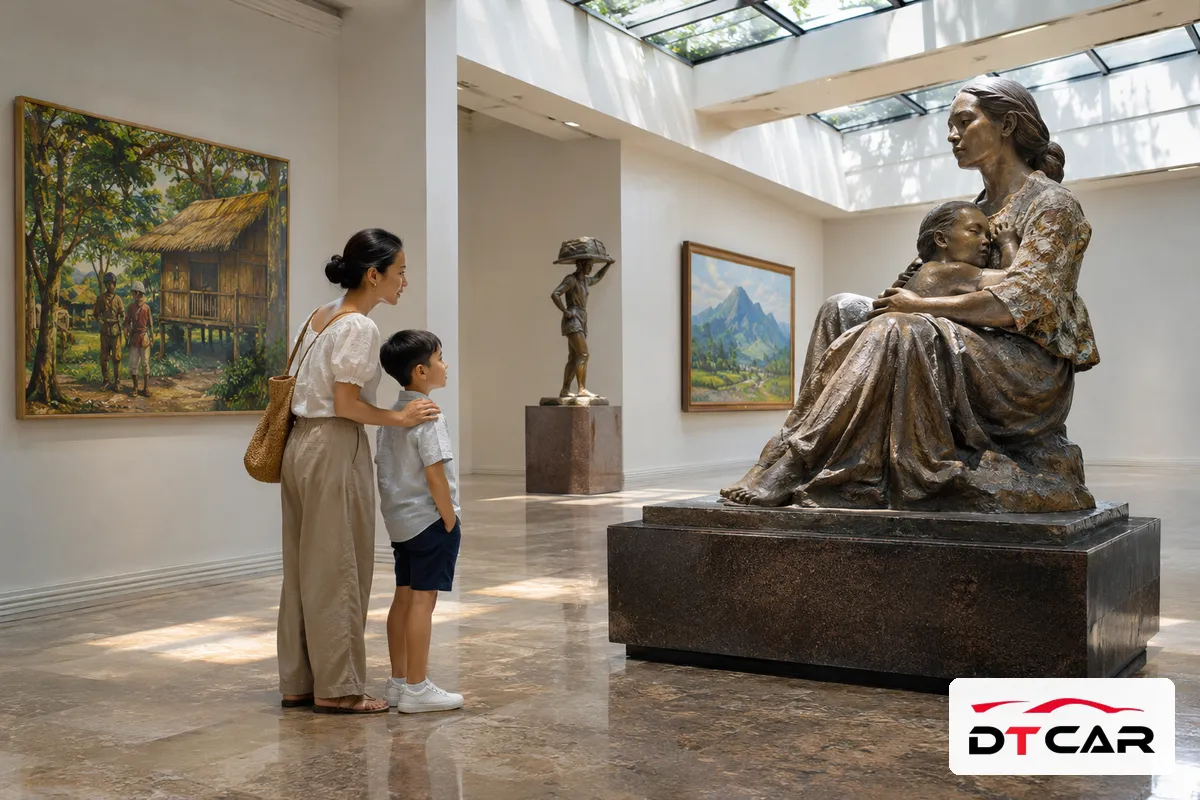
Buổi bảo tàng · Giờ vào cửa / Giờ trẻ cần nghỉ

Bữa ăn chay · Kiểu ăn / Thời gian dùng bữa
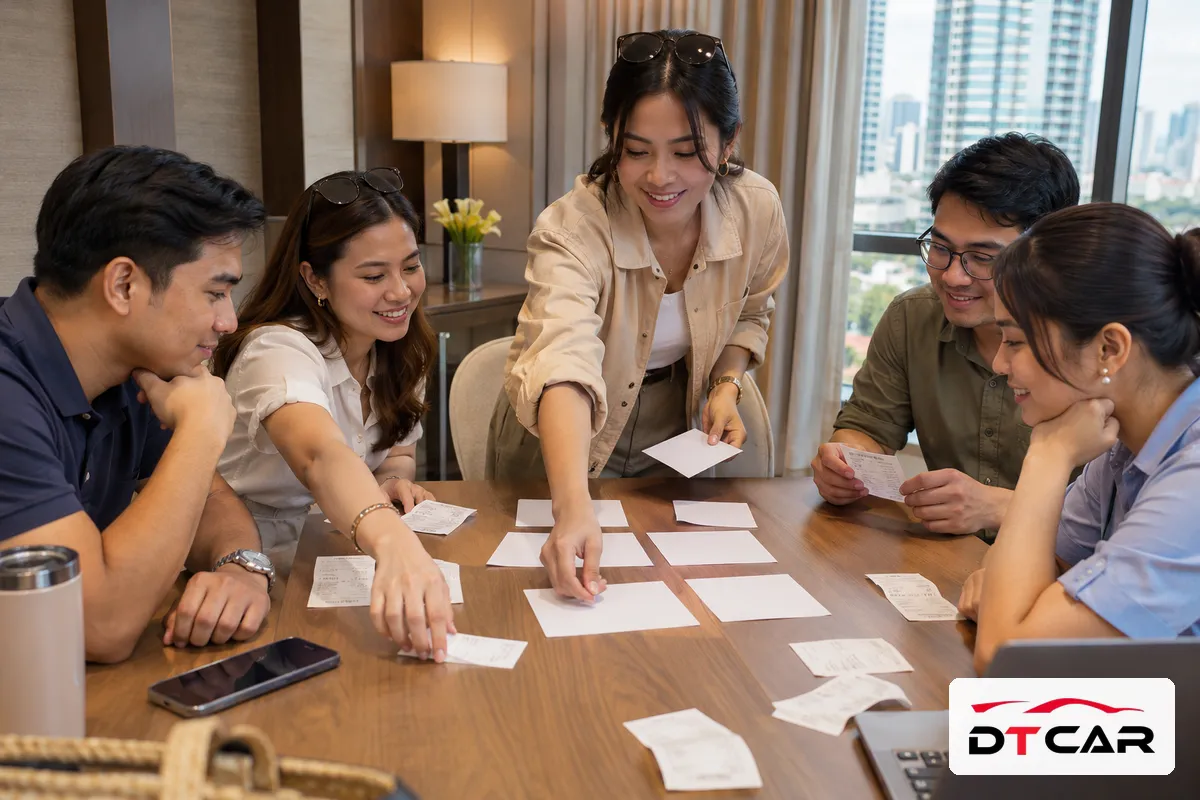
Hồ sơ công tác · Tên đơn vị / Hạn duyệt chi

Xem căn hộ · Lịch từng toà / Cổng đón khách
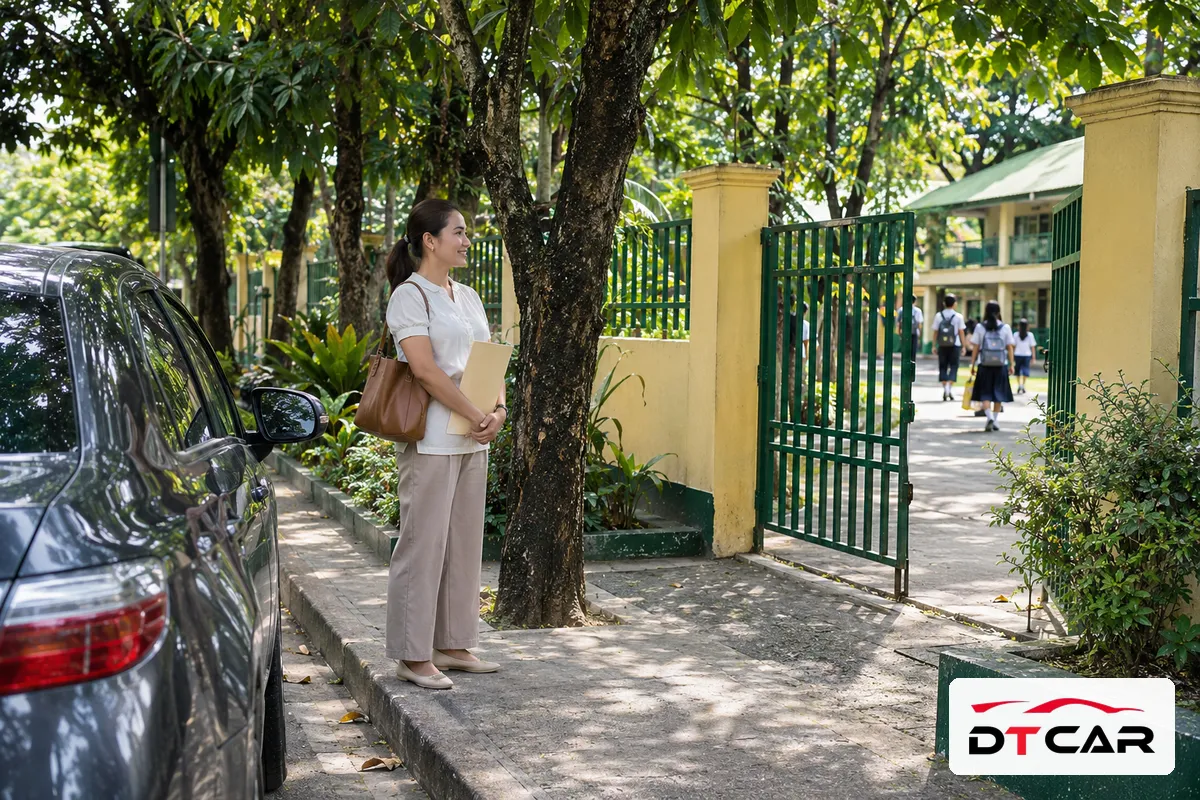
Thăm trường · Lịch tiếp phụ huynh / Điểm đón sau buổi
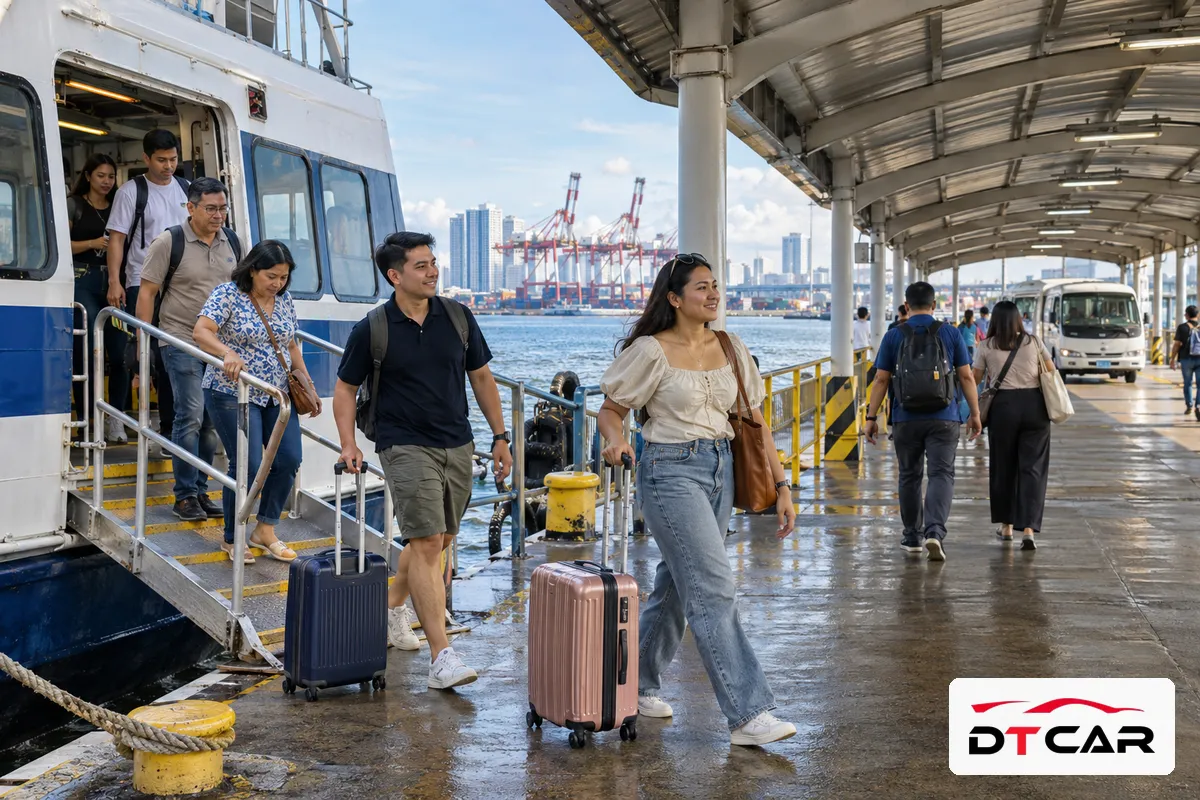
Đón ở cảng · Cửa ra / Hạn trở lại tàu

Nối Cebu – Bohol · Cảng khởi hành / Cảng đến

Một ngày Bohol · Ưu tiên chính / Giờ về

Điều phối hai xe · Danh sách từng xe / Điểm gặp lại
Chọn gói xe · Khoảng nghỉ / Số lần lấy đồ
Sân bay đến cuộc họp · Địa chỉ họp / Nơi gửi vali
Tiệc sinh nhật · Giờ đặt bàn / Nhóm về sớm
Chở thiết bị · Va-li cứng / Điểm bốc dỡ

Ngày tự do · Chặng dùng chung / Điểm nhập lại
Điểm hẹn thay thế · Sảnh thực tế / Chỗ dừng hợp lệ
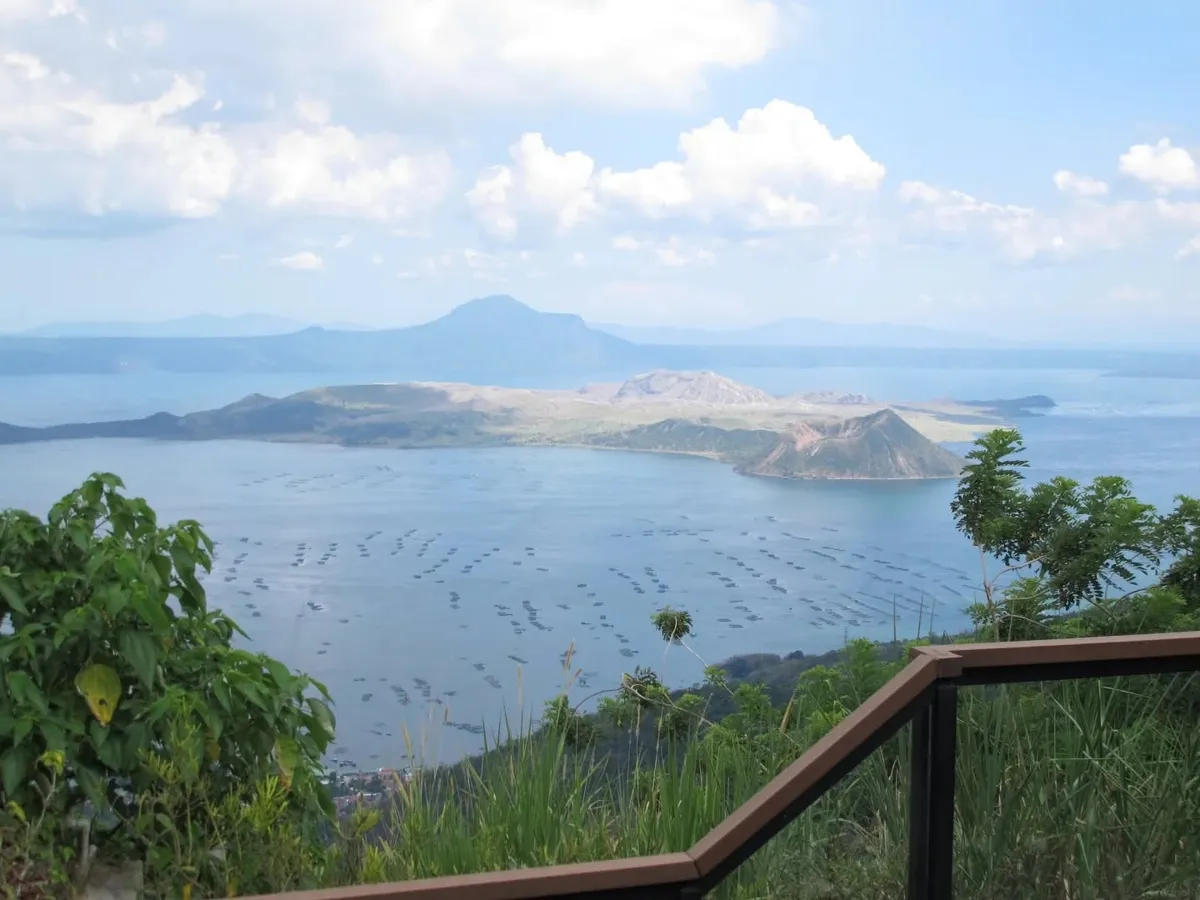
Chọn điểm dừng theo người đi cùng. Xin giá theo hai cách kết thúc ngày.
Tách thời gian đón hành lý khỏi thời gian tham quan. Chọn một điểm có thể bỏ.
Chia nhóm theo lịch làm việc. Chốt điểm tập trung chiều về.

Lập hai lịch cùng điểm xuất phát. So giá trên cùng số khách.

Lấy giờ nghỉ làm mốc. Chốt điểm bỏ nếu khởi hành trễ.
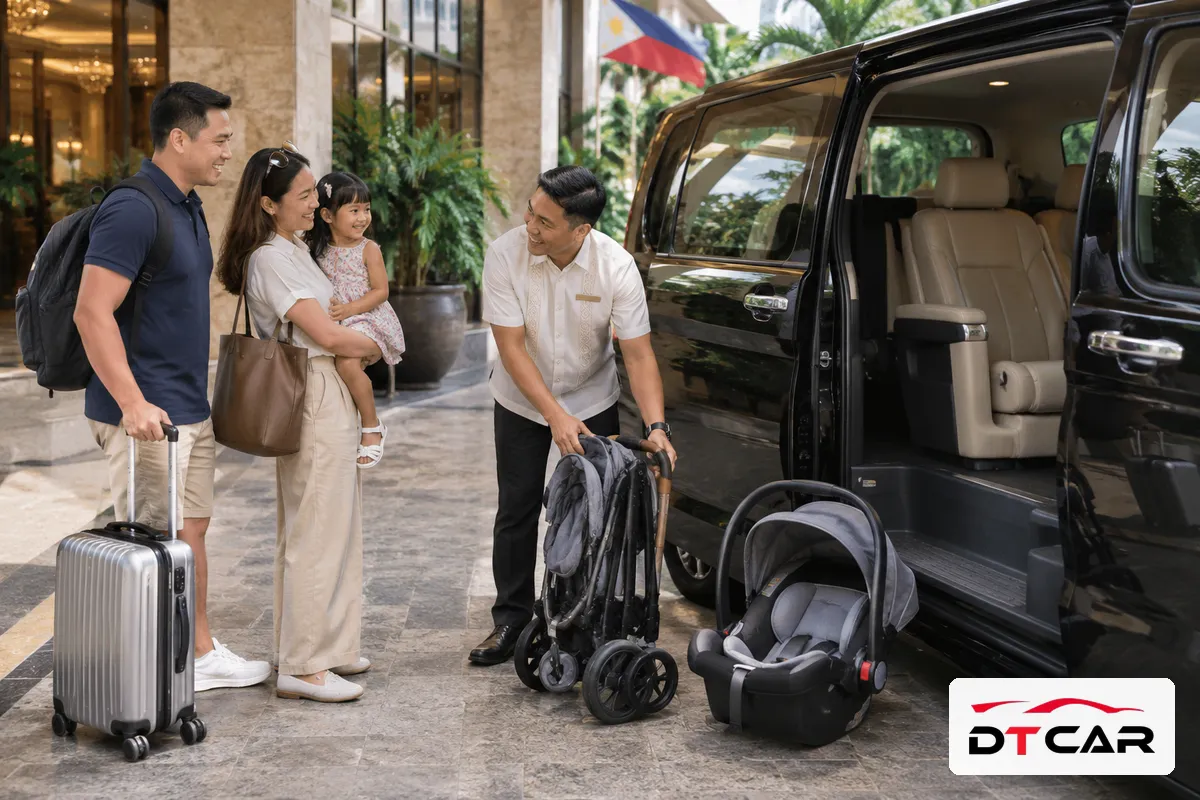
Đo xe đẩy lúc đã gấp. Yêu cầu báo đúng cấu hình.

Lập danh sách điểm theo thứ tự. Chốt giờ muộn nhất có thể đổi.
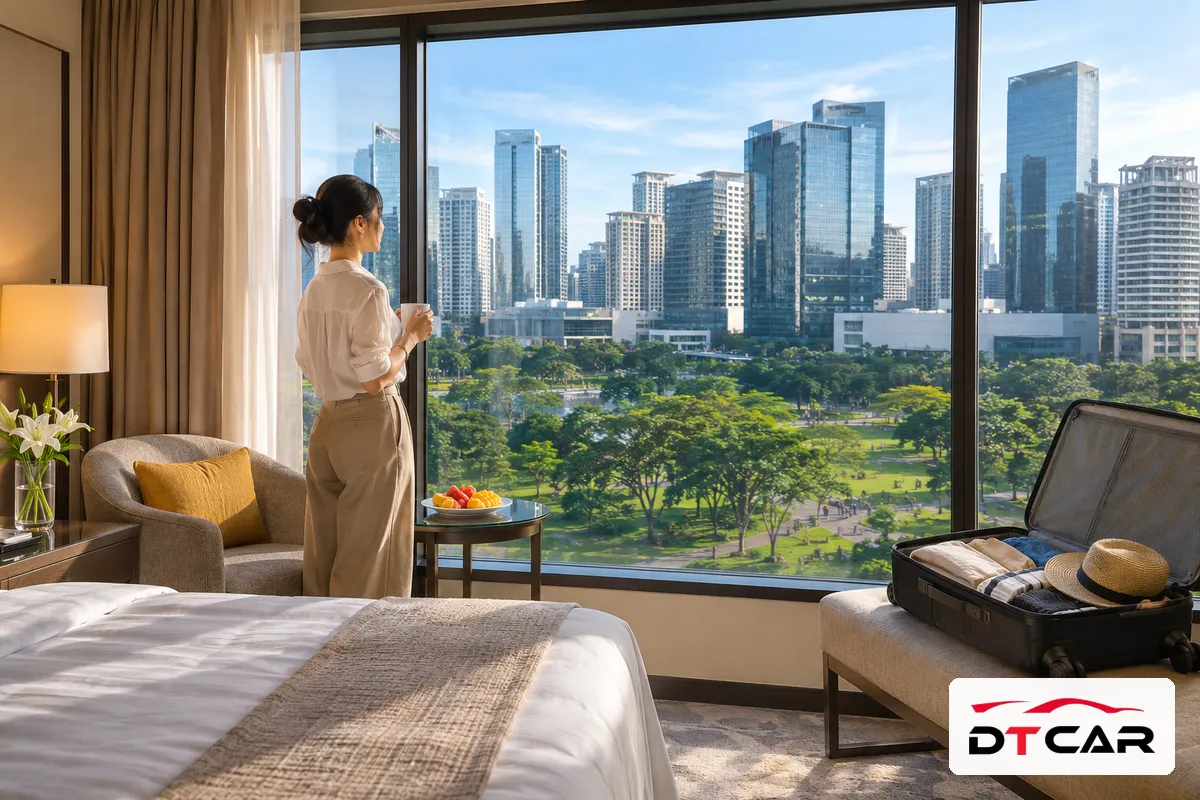
Đặt lịch bắt buộc lên trước. So phần phát sinh của cả chuyến.

Gửi số khách theo từng chặng. Xin hai tổng tiền dễ kiểm tra.
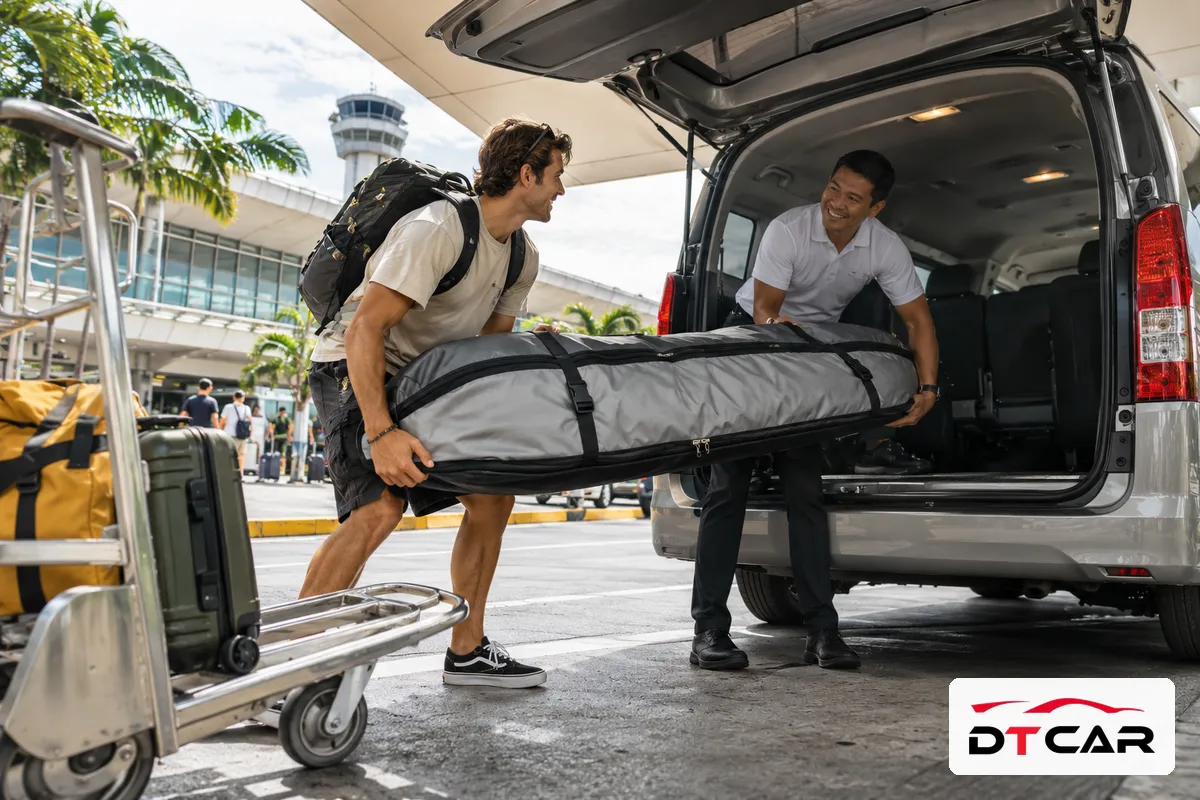
Đếm hành lý theo hình dạng. Hỏi cả điểm xuống xe.

Chọn nơi nhập đoàn. Kiểm tra các khoản chỉ tính một lần.

Gửi pin cổng tiếp khách. Đặt khoảng đệm trước lịch tiếp theo.
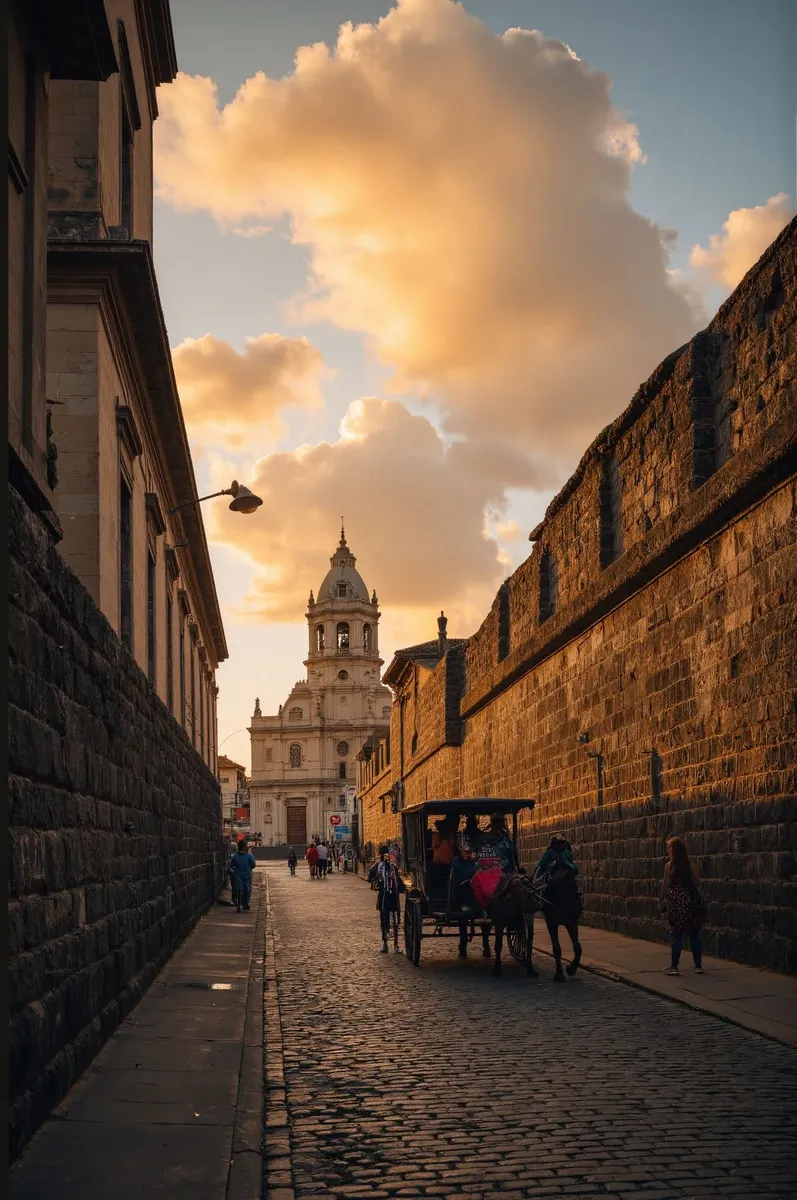
Gợi ý chia ba ngày theo giờ bay, một ngày khám phá Intramuros và thời gian thực tế của đoàn.
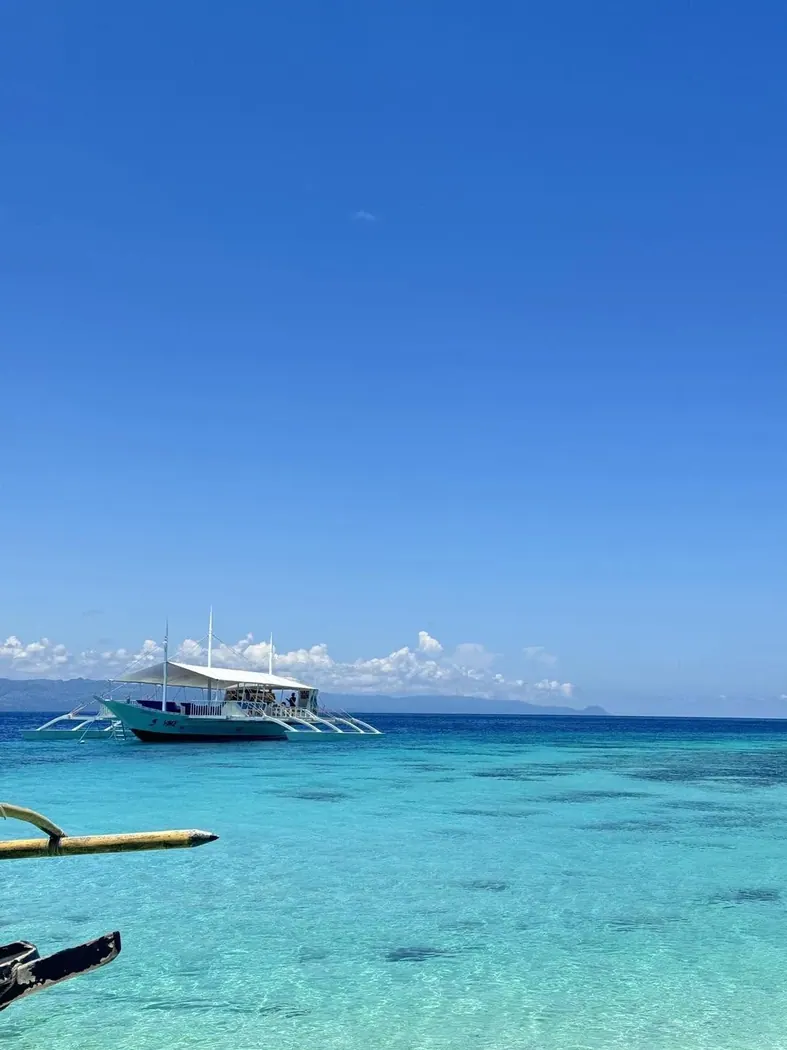
Chọn điểm ở chính theo sở thích thành phố, biển hay cảnh quan, rồi xin lịch nối chuyến phù hợp.

Cách so hai báo giá tour riêng cho nhóm bạn hoặc gia đình cùng ngày đi, hạng phòng và số người.
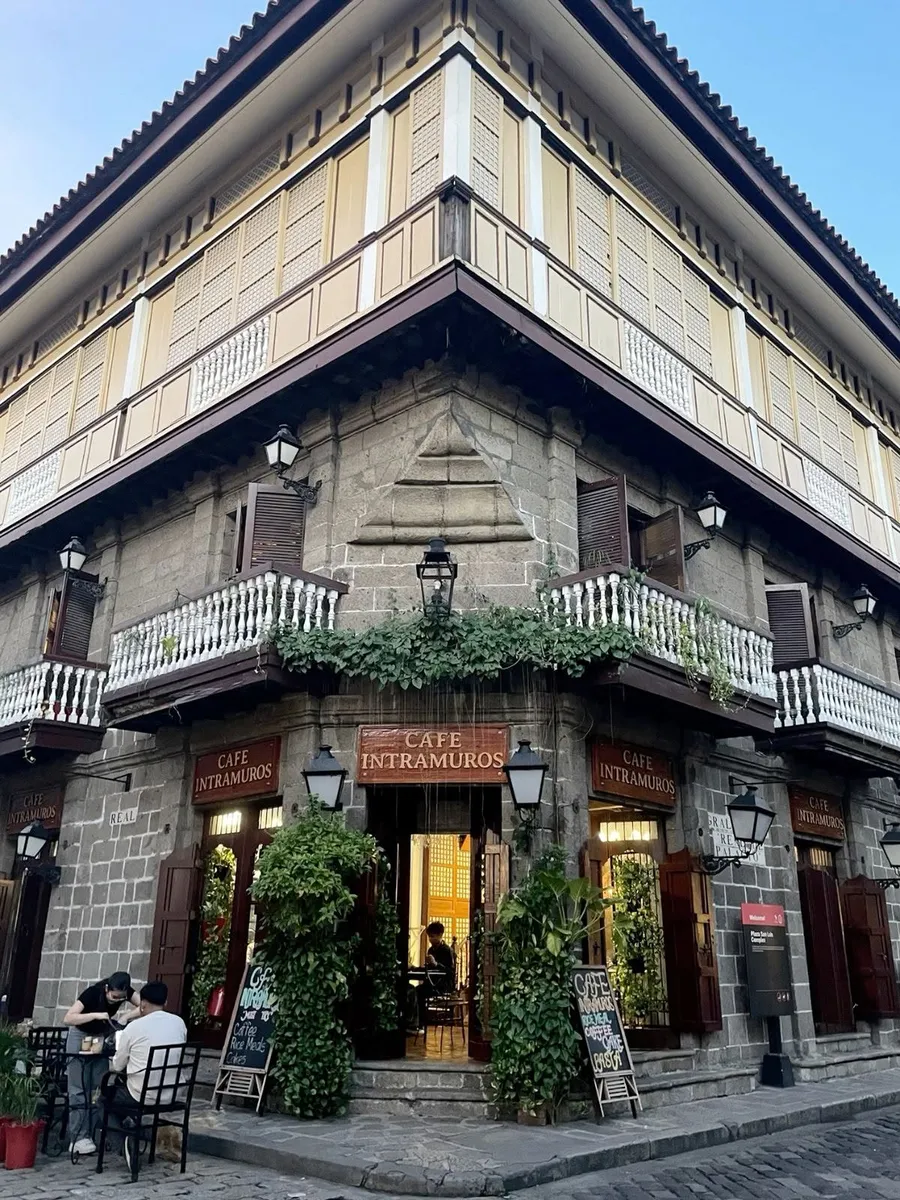
Gợi ý tham quan Intramuros cho khách Việt có nửa ngày rảnh ở Manila và muốn đặt xe hoặc hướng dẫn.

Lịch gợi ý cho gia đình từ Việt Nam muốn ở Panglao, đi nội đảo Bohol và hạn chế đổi khách sạn.
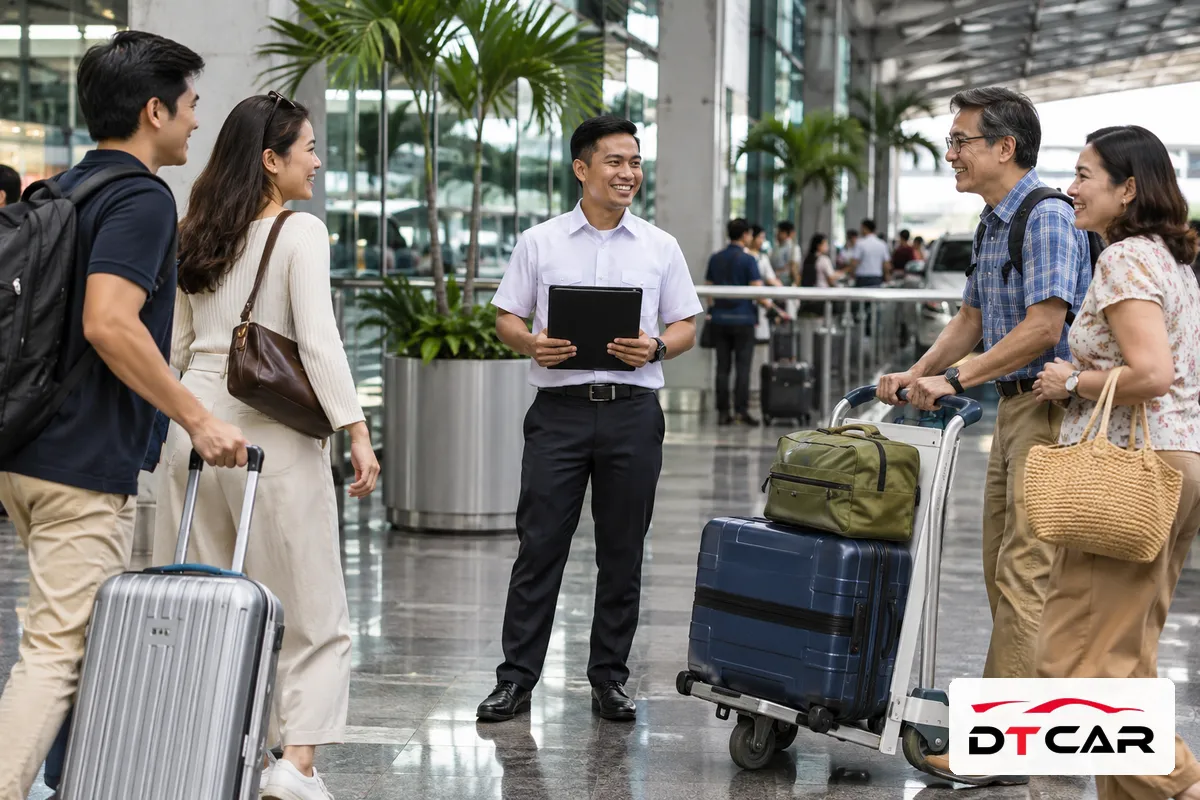
Cách chọn một xe chờ cả đoàn hay hai lượt đón riêng và lấy báo giá bằng tiếng Việt từ DT Tour.
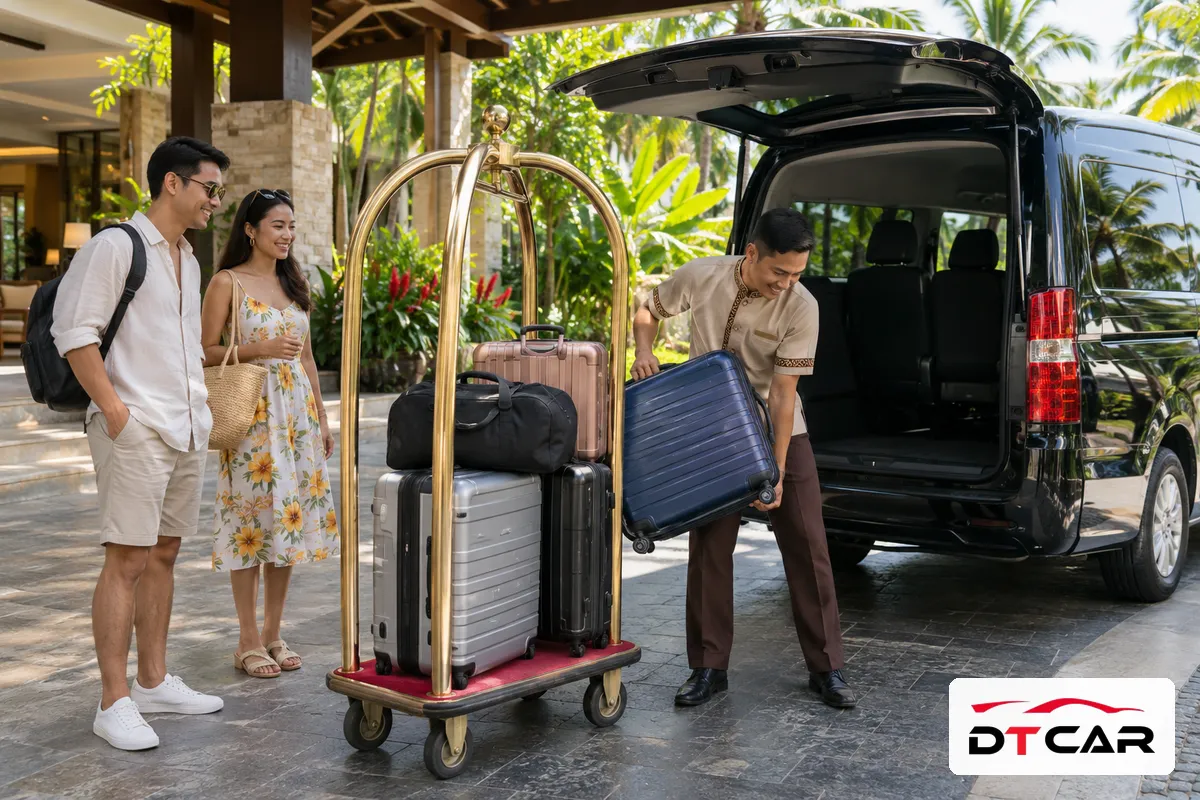
Gửi hai địa chỉ khách sạn và giờ nhận phòng để DT Tour báo đúng loại xe, thời gian chờ và lộ trình.
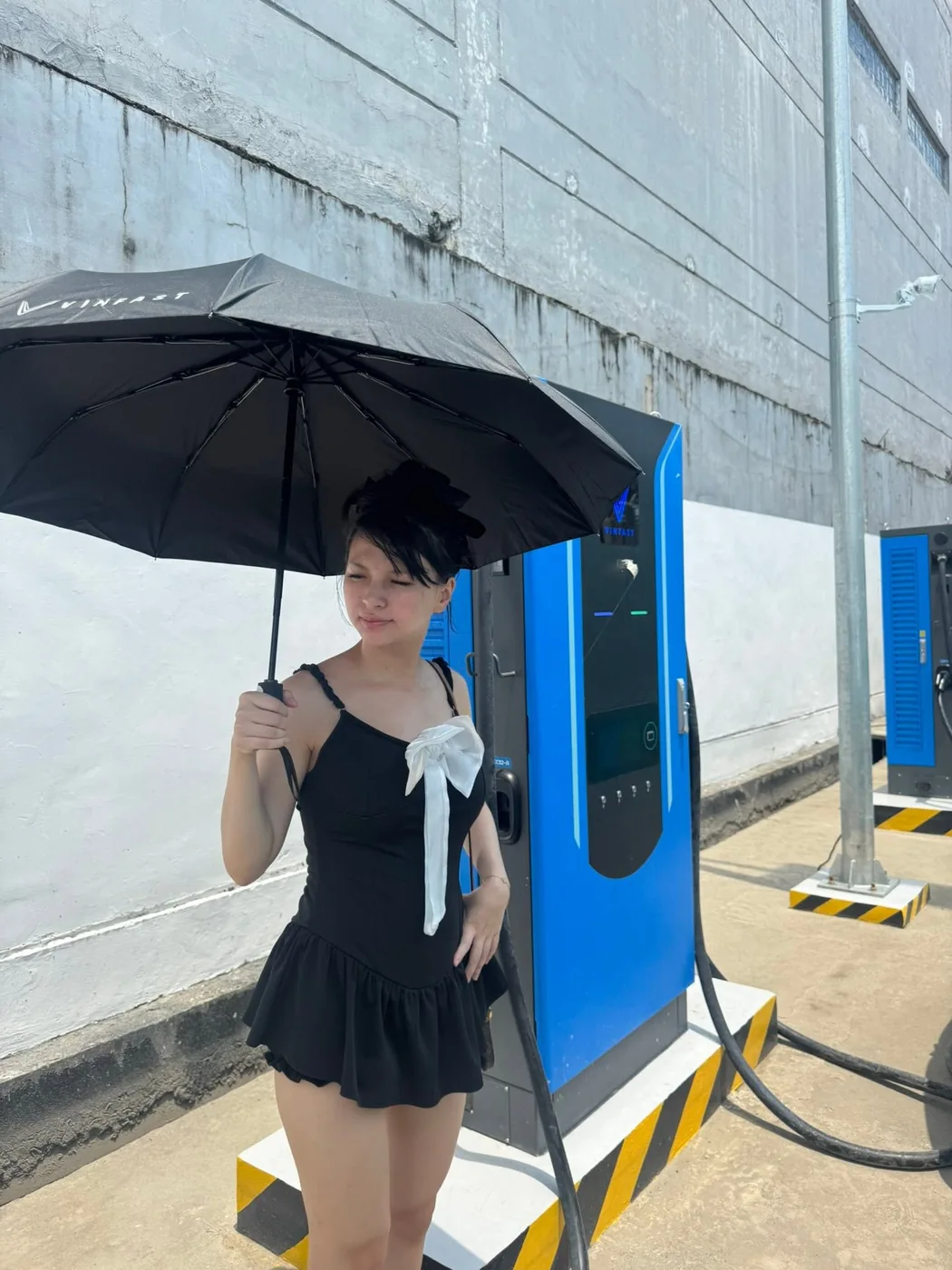
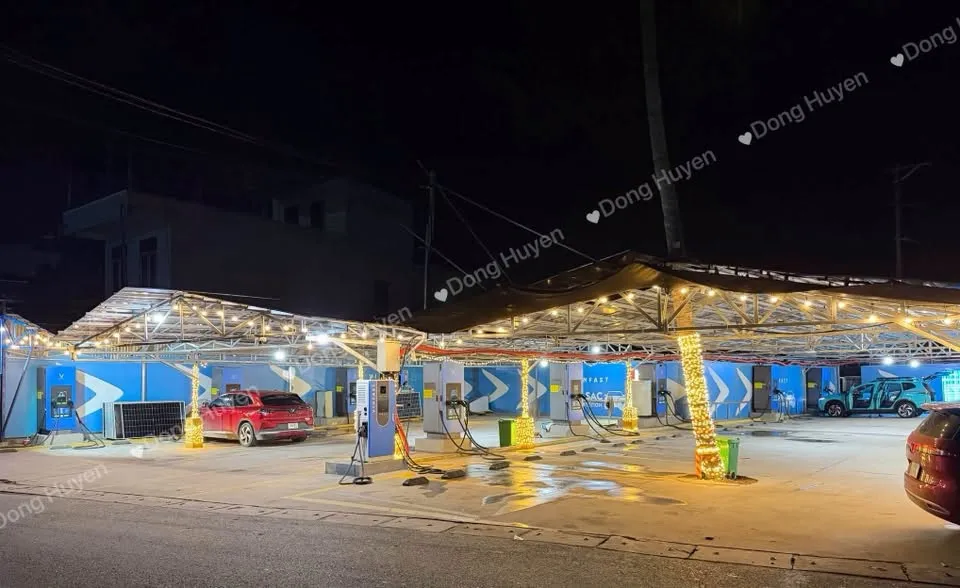
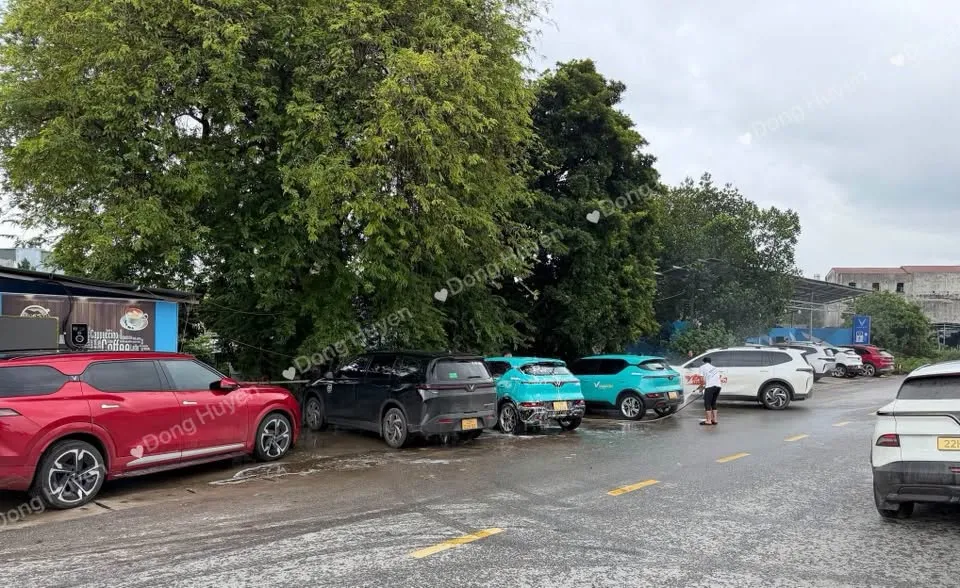
Use the operator's current station locator or vehicle app.
Share the property type, site address, proposed bays and a contact authorised to arrange access.
Draw each approach from the public road, note turning space and show which bays remain available at peak times.
Explain who collects the parking charge, when the gates close and how a charging customer would leave after hours.
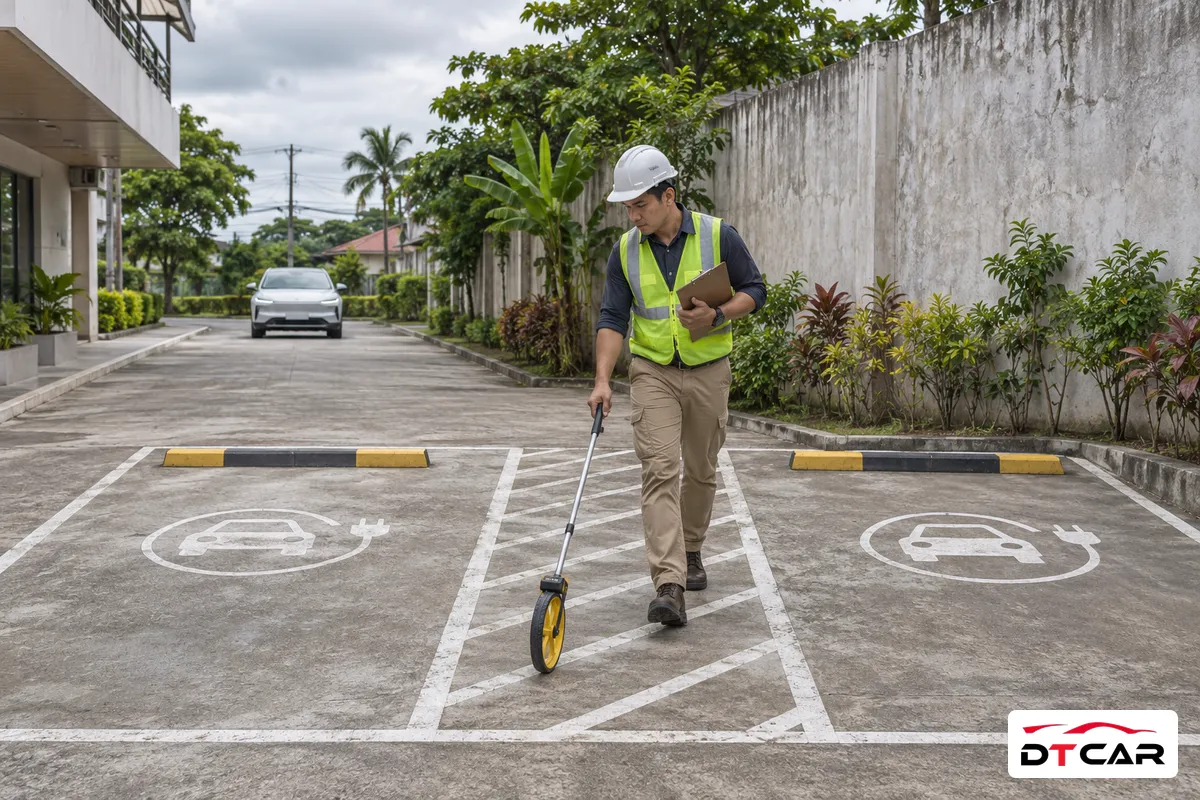
Provide an overview from the road, a parking layout and an on-site contact who can grant access.
Describe overnight guest access, visitor access, parking controls and where a driver can ask for help.
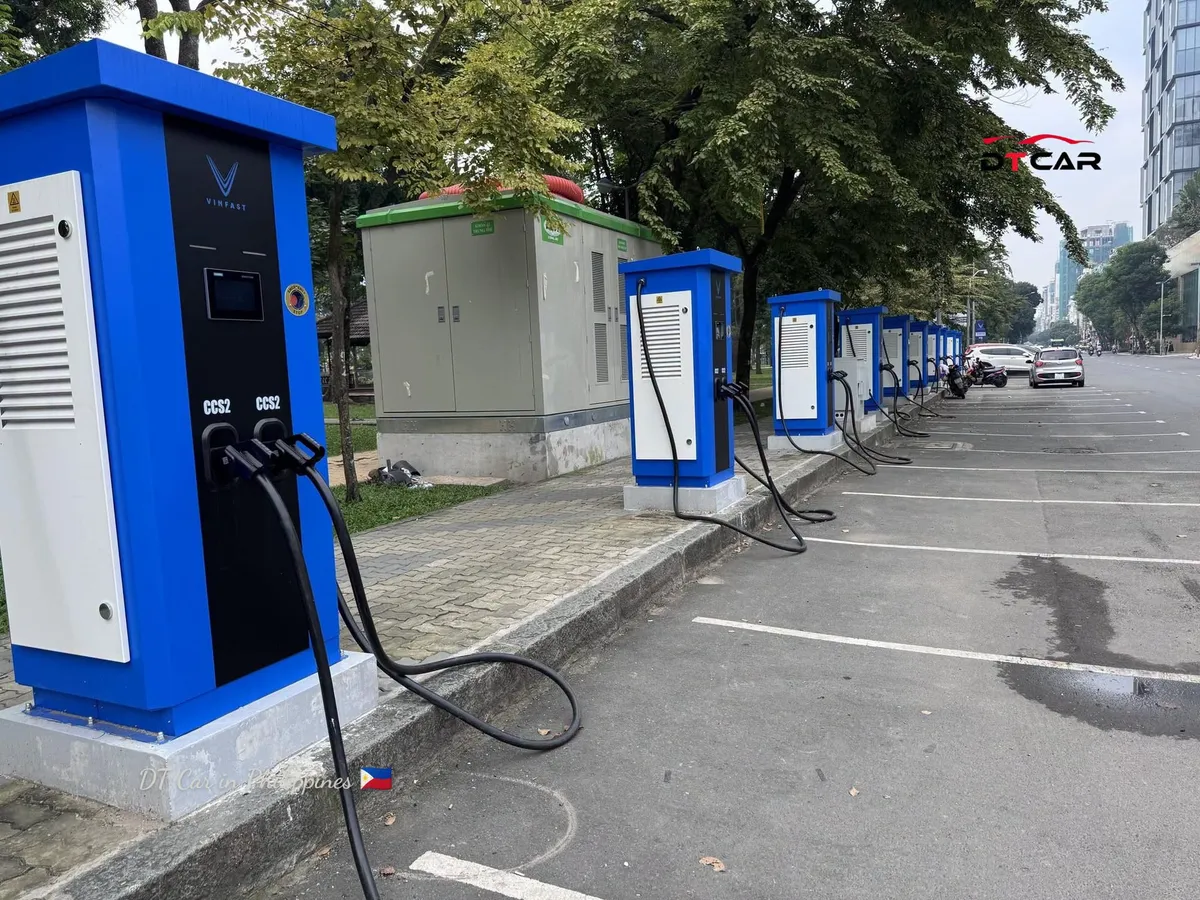
Check V-Green charging prices, promotion eligibility, session history and overstay charges in the Philippines.
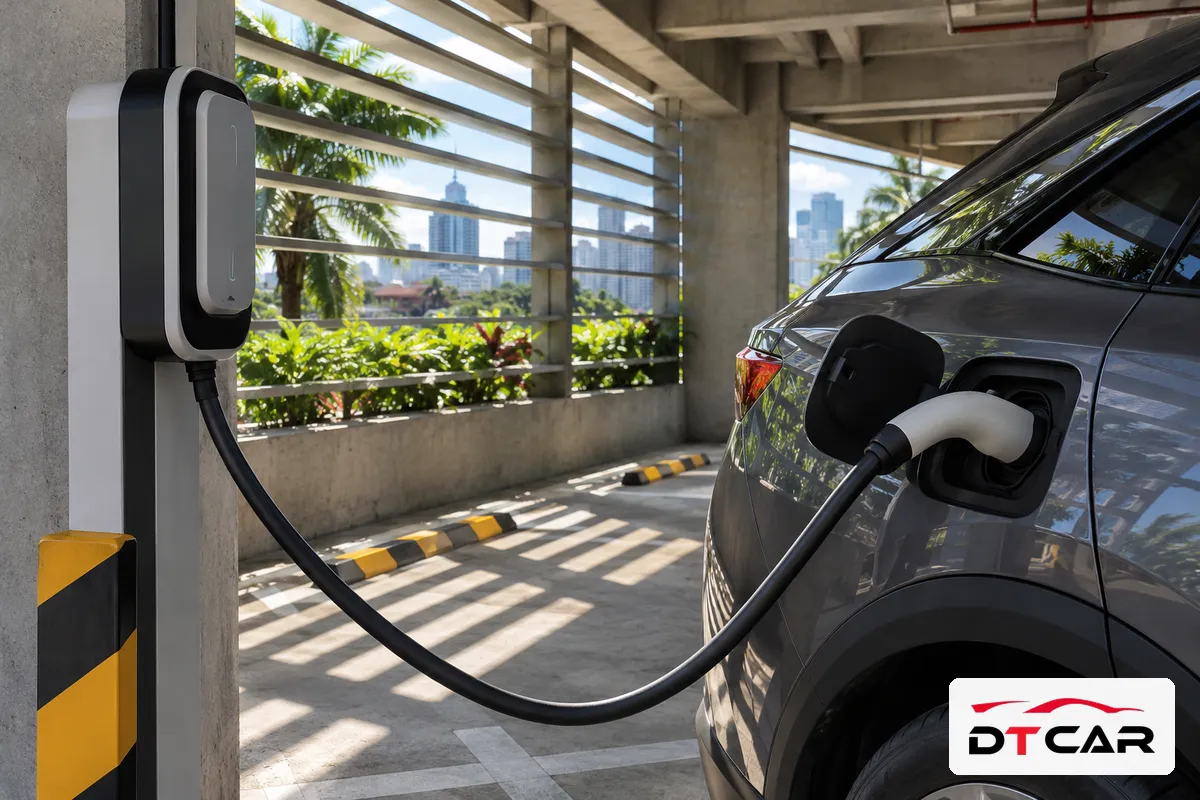
Estimate charging time from the energy needed and average power, with room for traffic and queues.
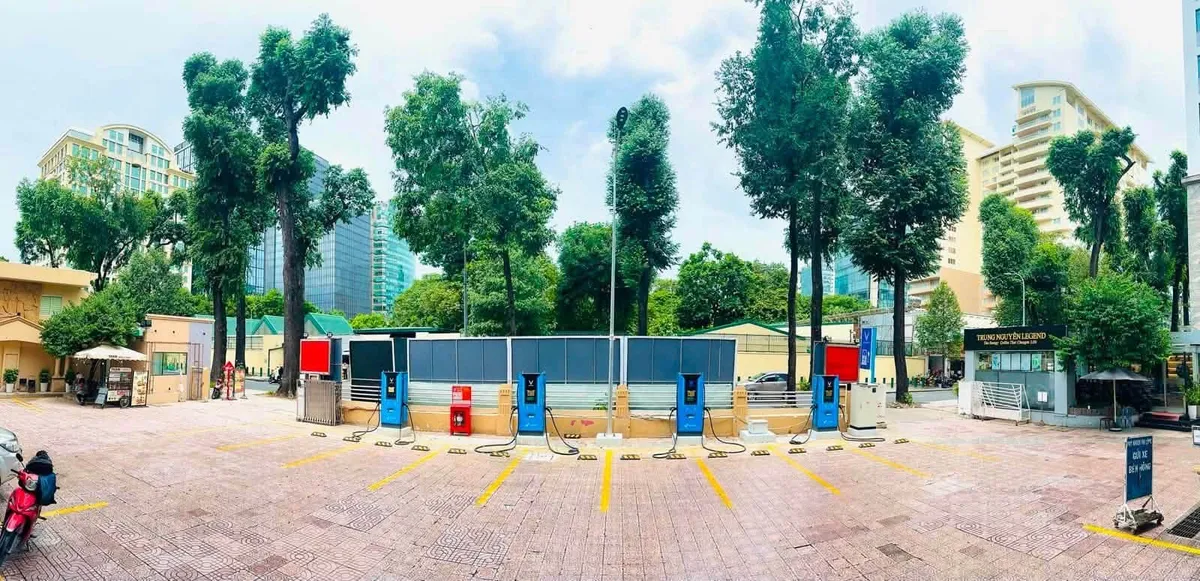
Prepare a parking sketch and traffic-flow photos for a Philippine EV charging site survey.
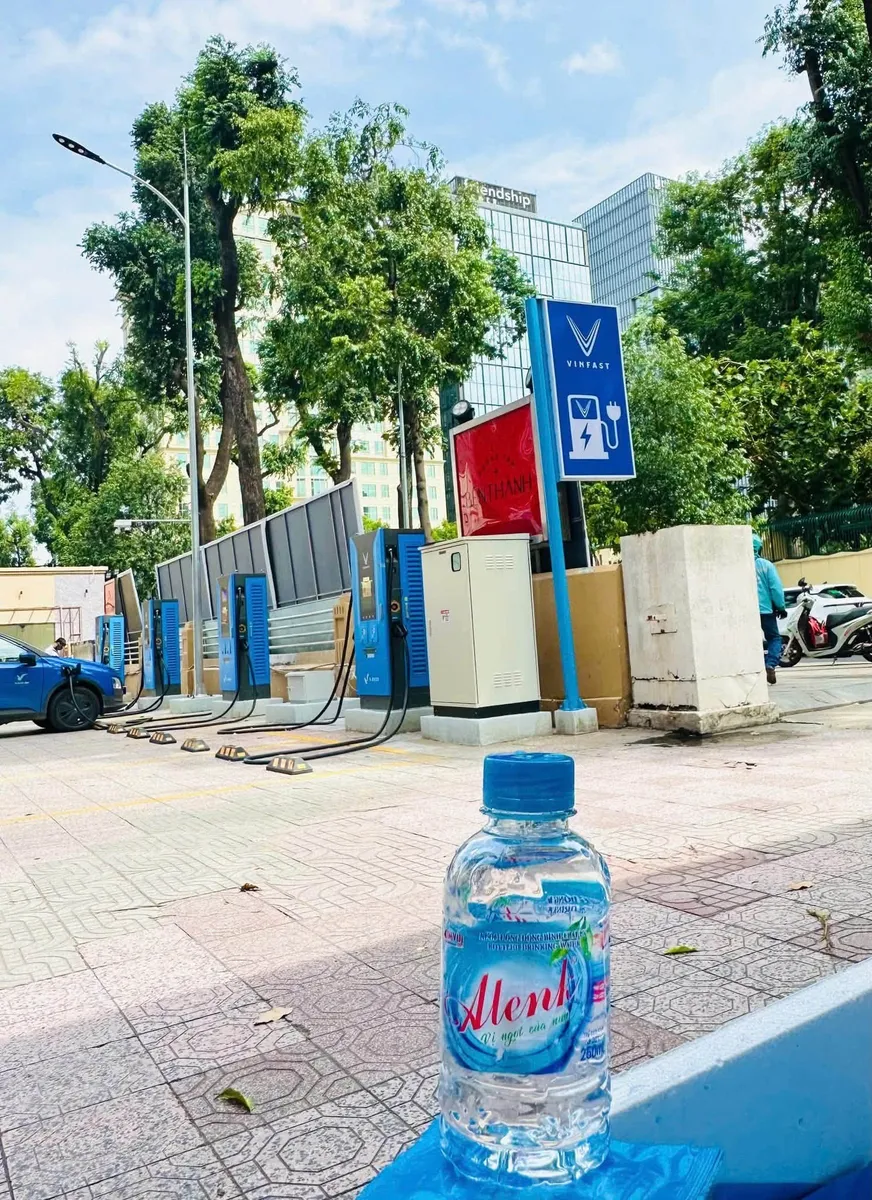
Describe gated access, holiday hours and driver directions in an EV charging site proposal.
Use a worked peso example to compare home and public charging in a monthly EV budget.

Help the property representative, technical team and leasing contact prepare for the same site visit.
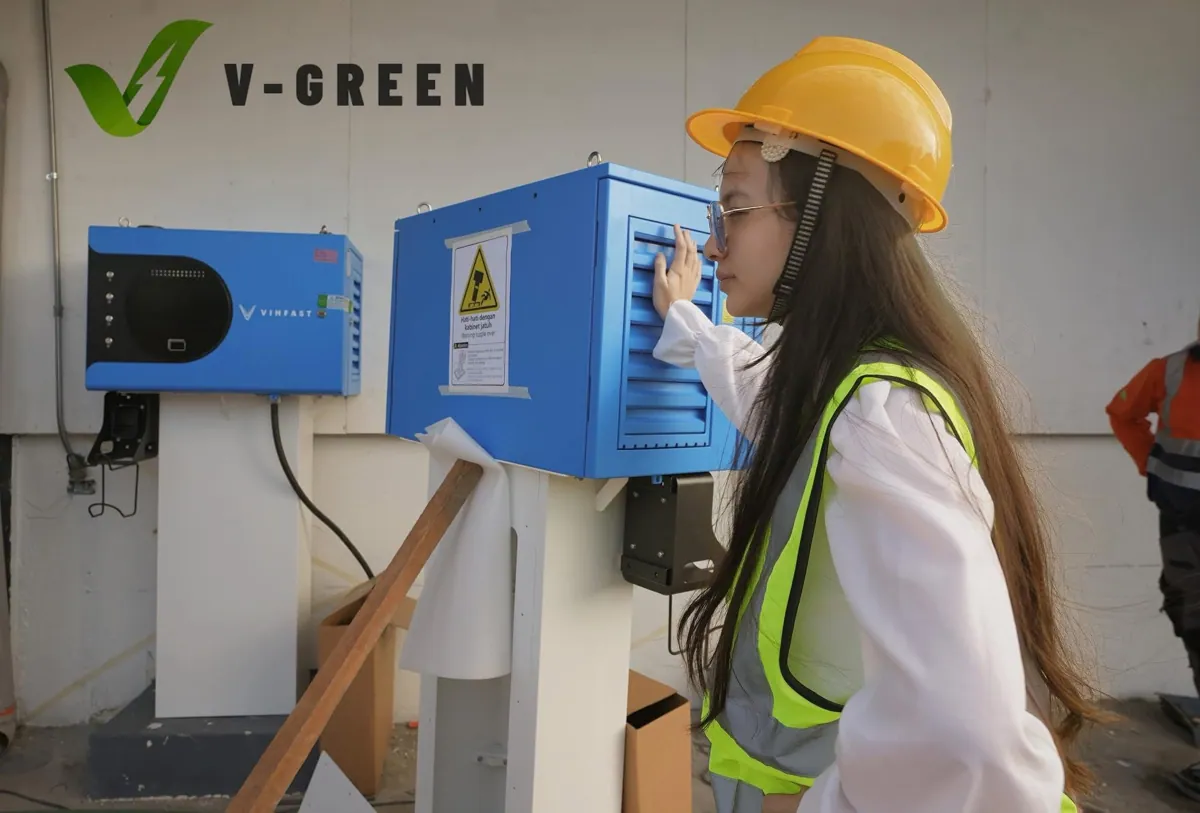
Understand charging bills, promotional eligibility and a simple energy-cost calculation before planning EV ownership.
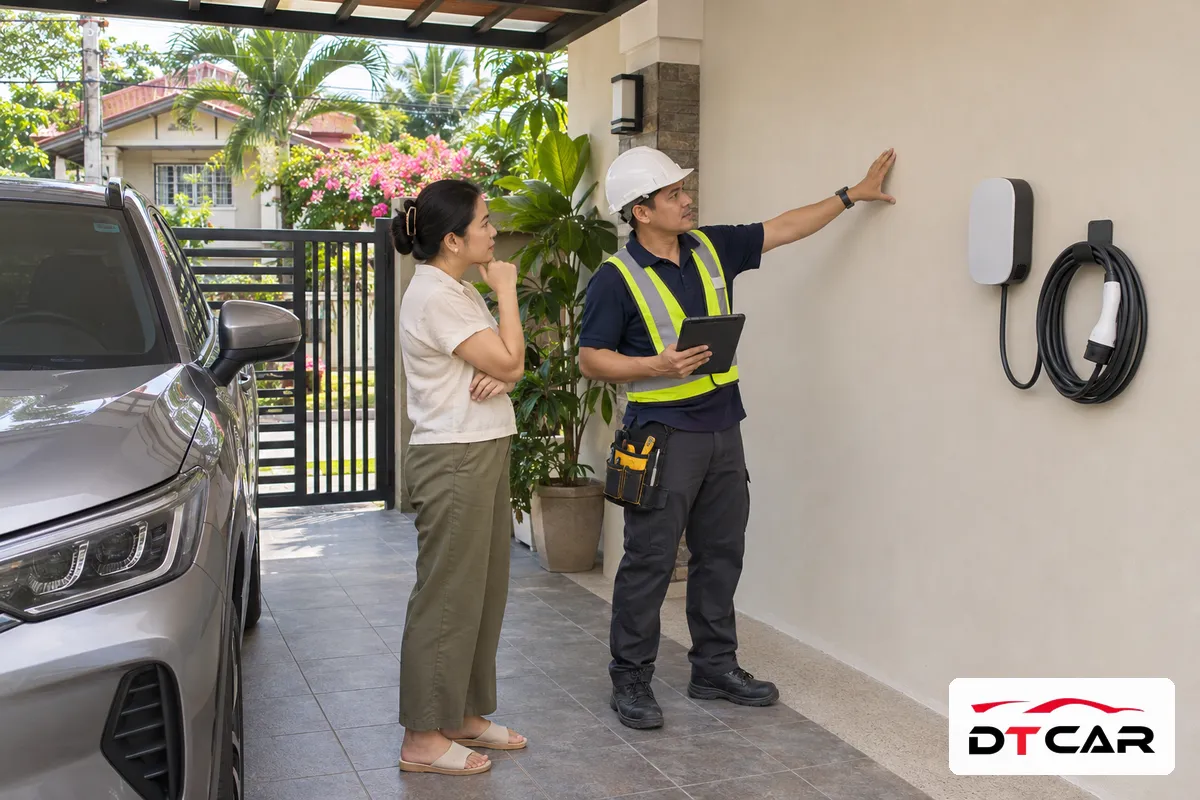
Prepare a home or condominium charging enquiry with vehicle compatibility, parking permission and a professional electrical assessment.
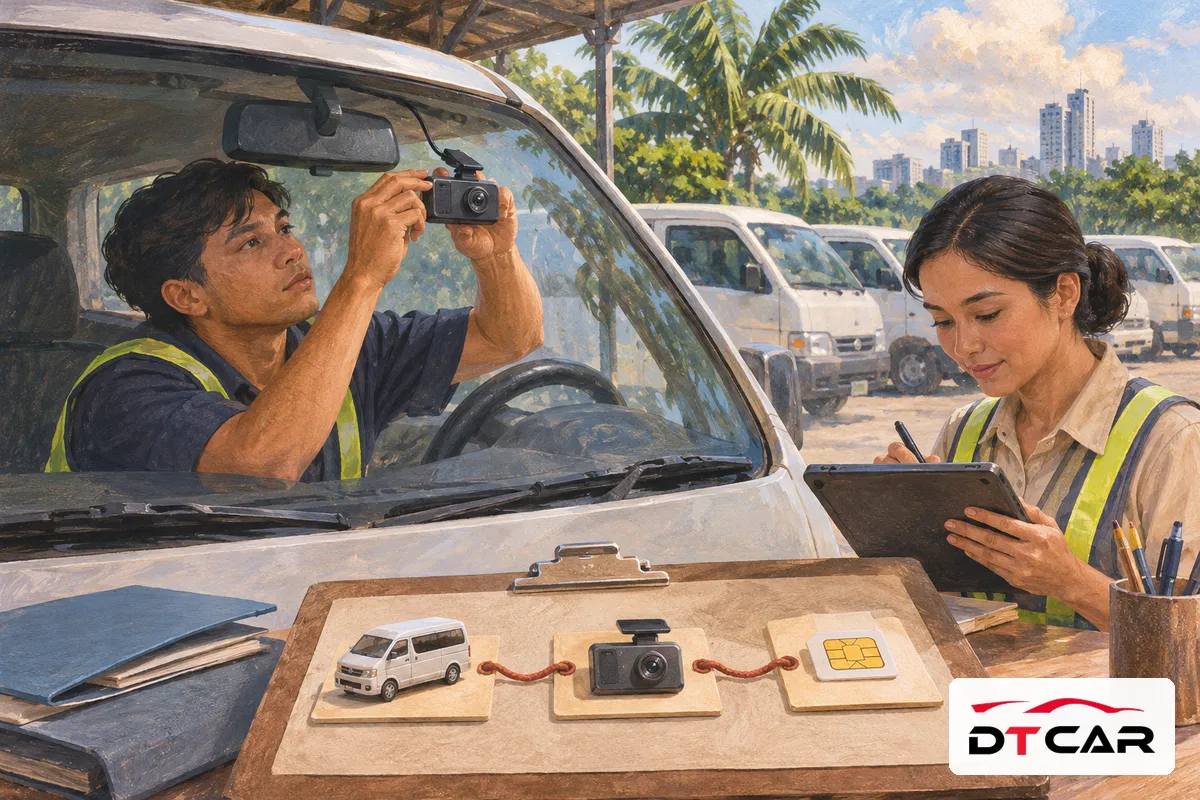
Match dashcam devices, SIM references and test events to the correct fleet vehicle at installation.
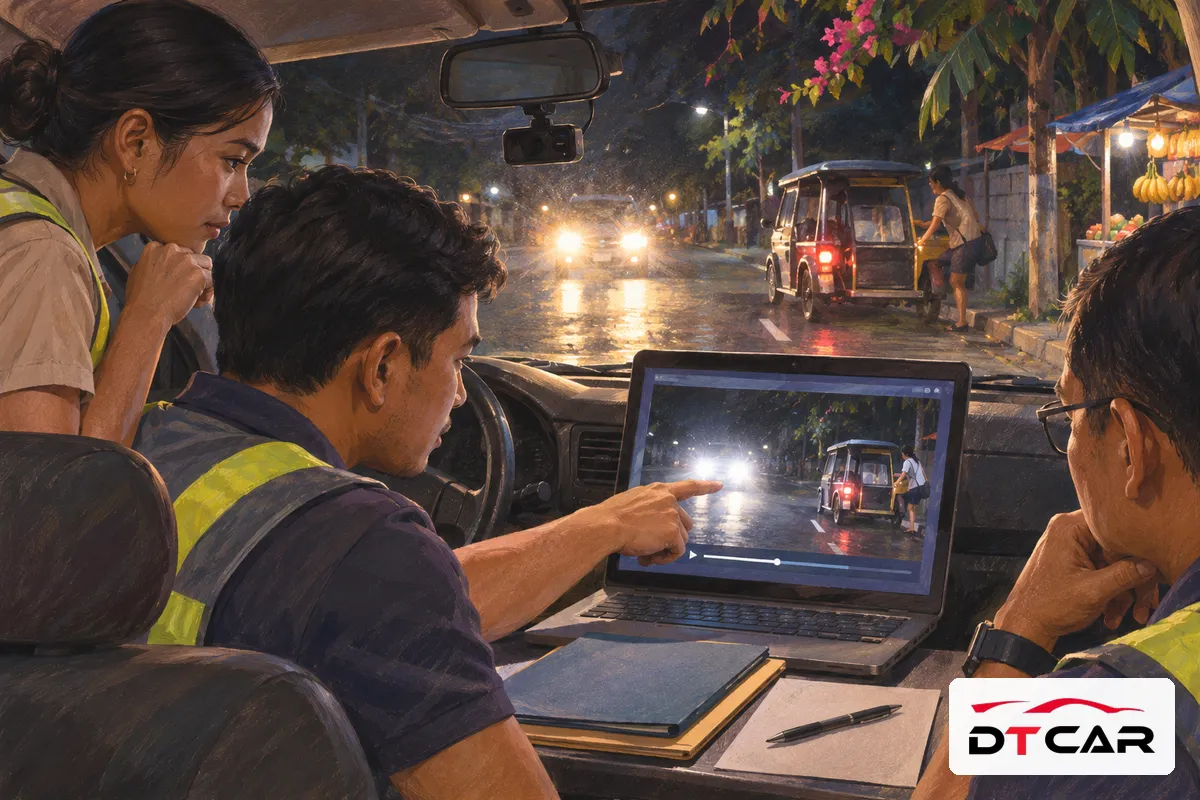
Define a night-time dashcam footage test and document what the fleet reviewer accepted.
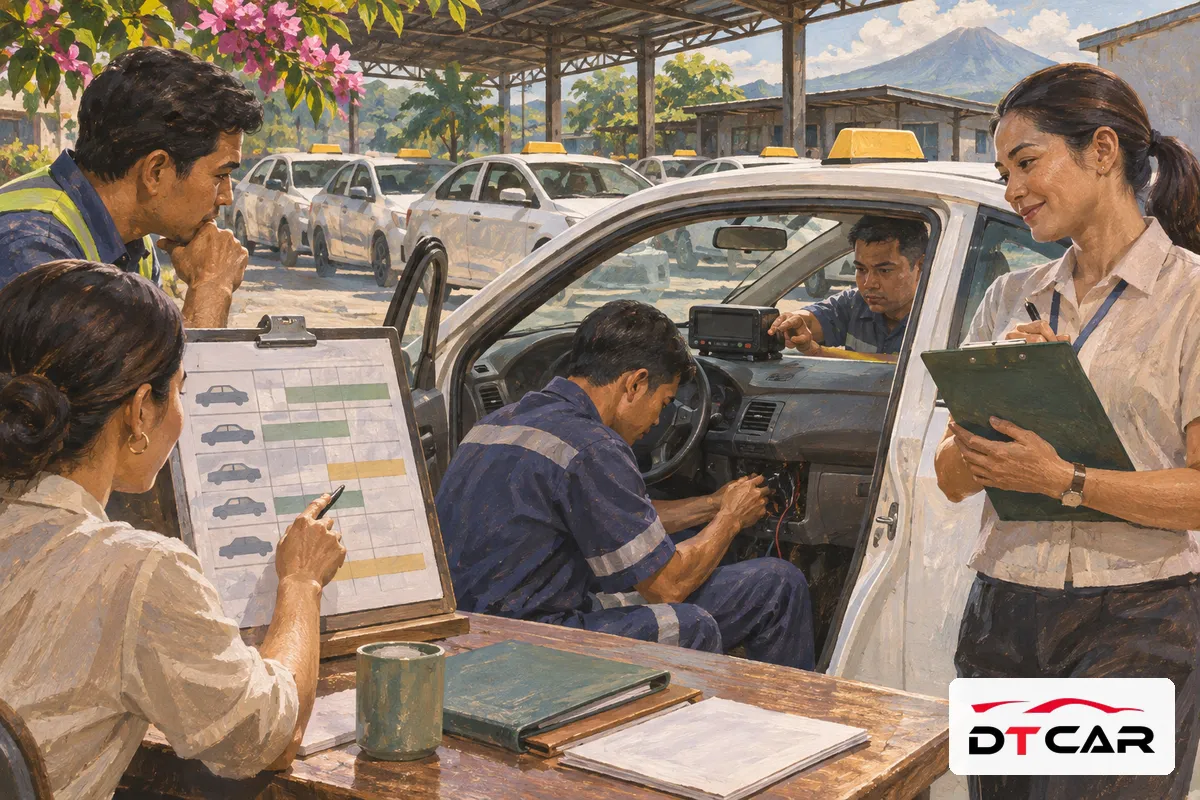
Plan meter installation slots, release checks and missed appointments across a working taxi depot.
Track vehicle installation exceptions from original job reference through retest and release.
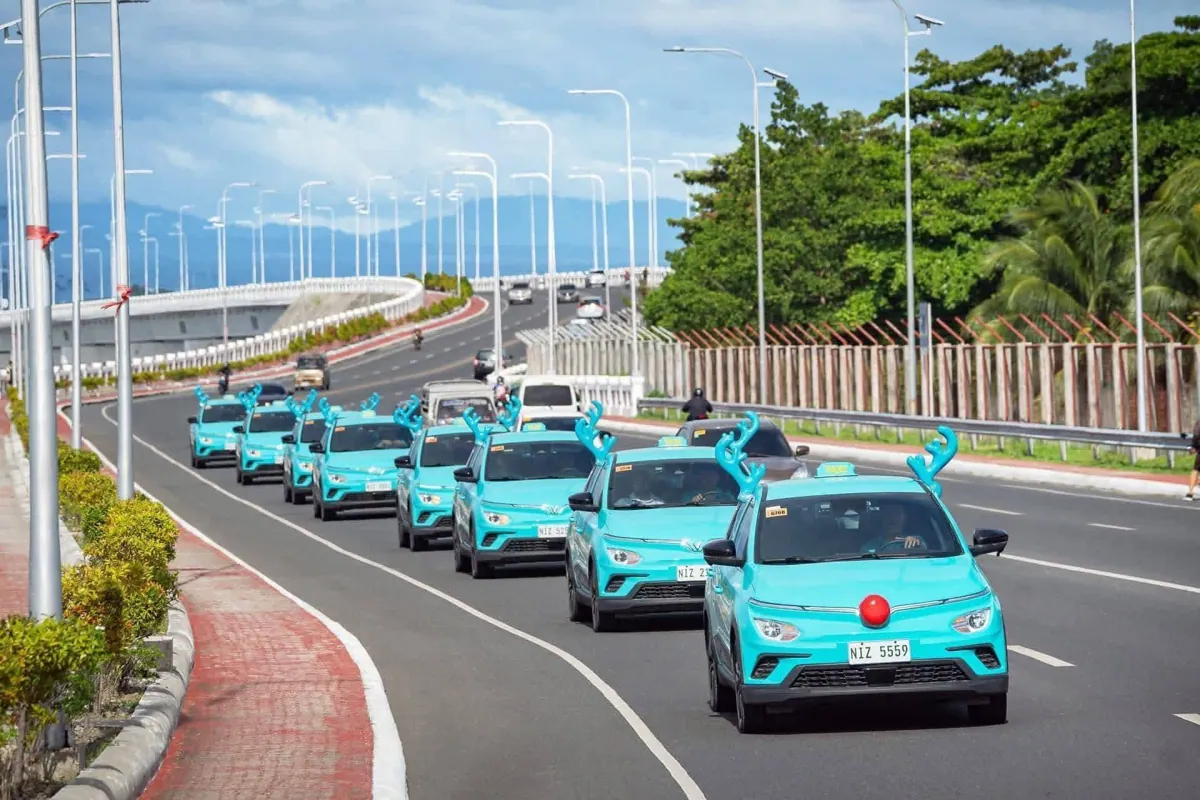
Estimate spare EV requirements from peak dispatch demand, charging conflicts and service downtime.

Capture distance, charging time and exceptions in a driver shift log for a Philippine fleet pilot.
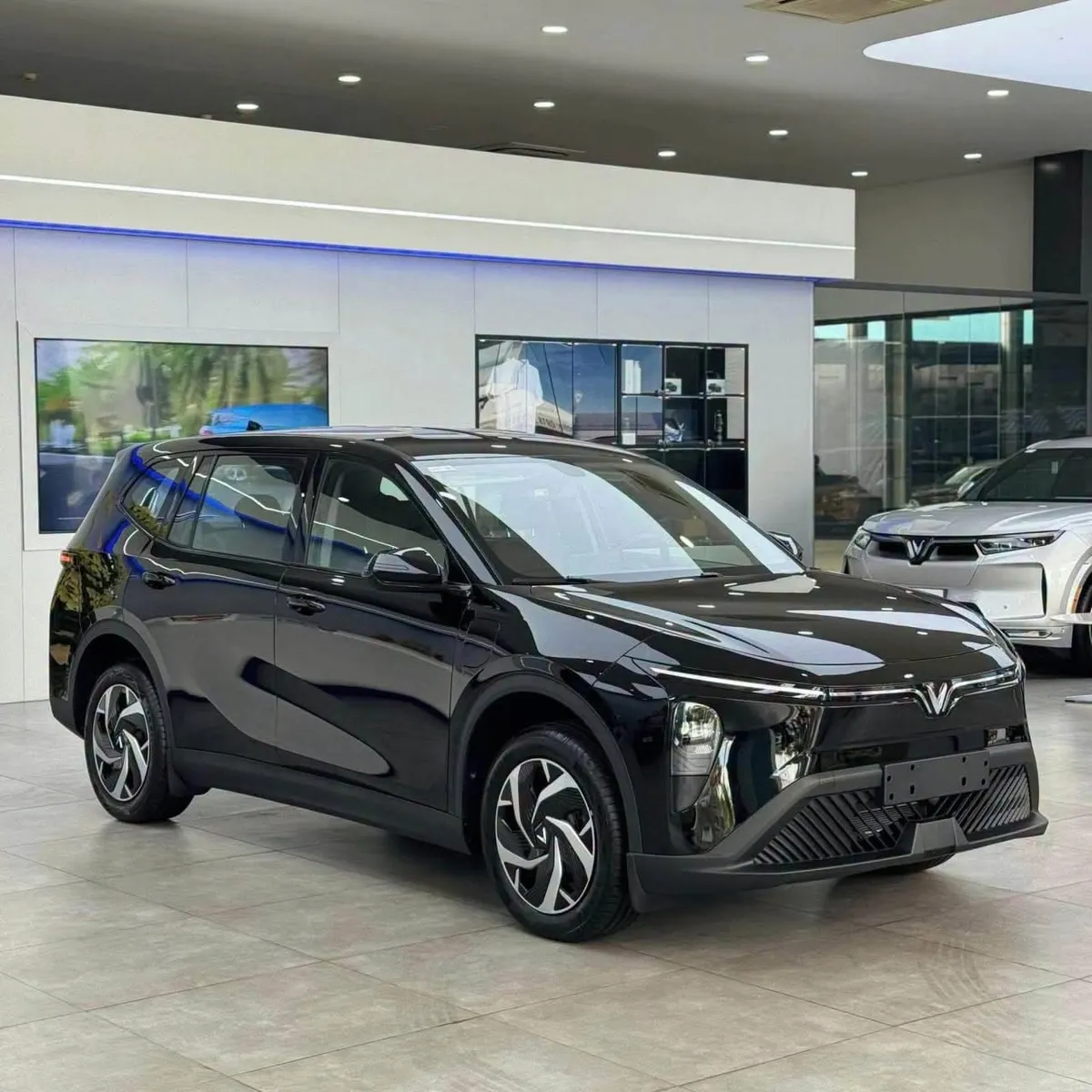
Cách mô tả tuyến chạy và quy mô thử nghiệm để nhận báo giá đội xe điện tại Philippines.
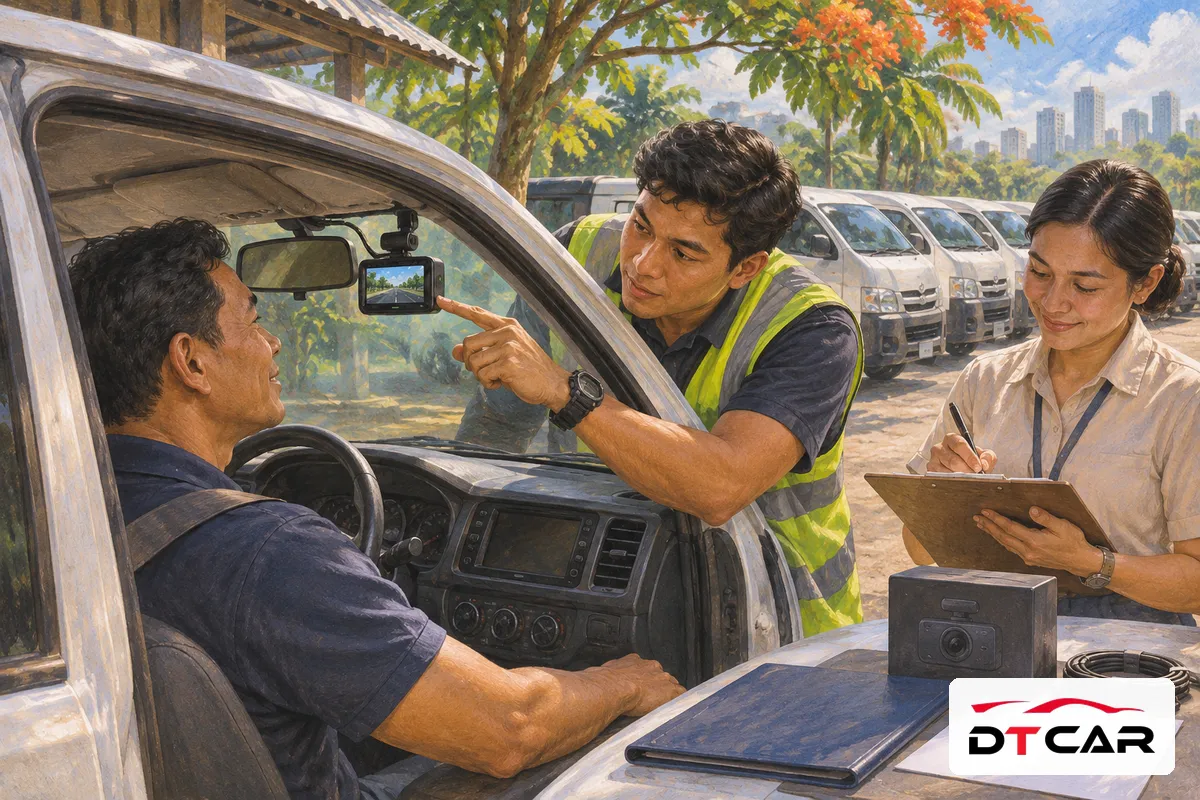
Prepare an acceptance sheet for a multi-vehicle dashcam installation and record exceptions before releasing vehicles.
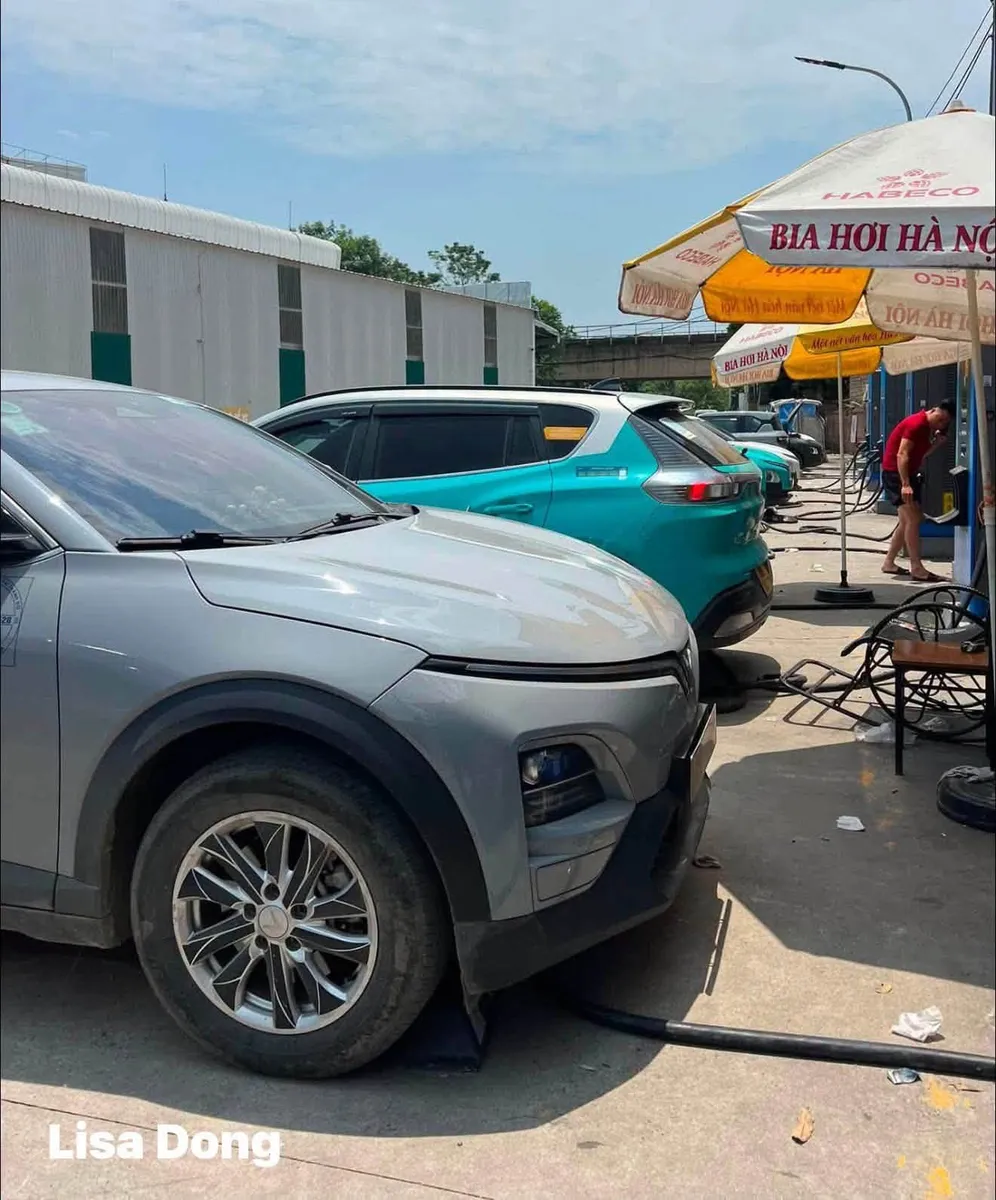
Use one representative route and shift log to assess a Philippine electric fleet proposal before increasing the vehicle count.
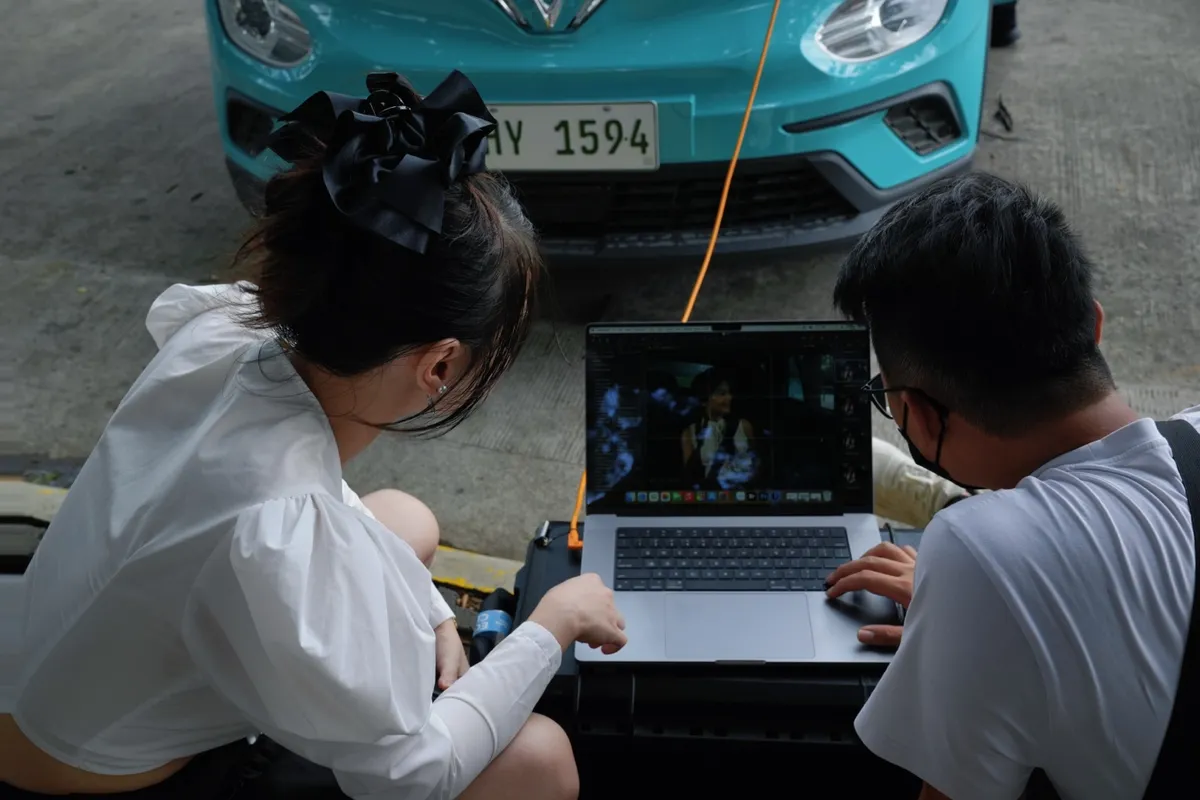
Write a comparable RFQ for SIM-enabled dashcams, meters and stickers across a mixed fleet.
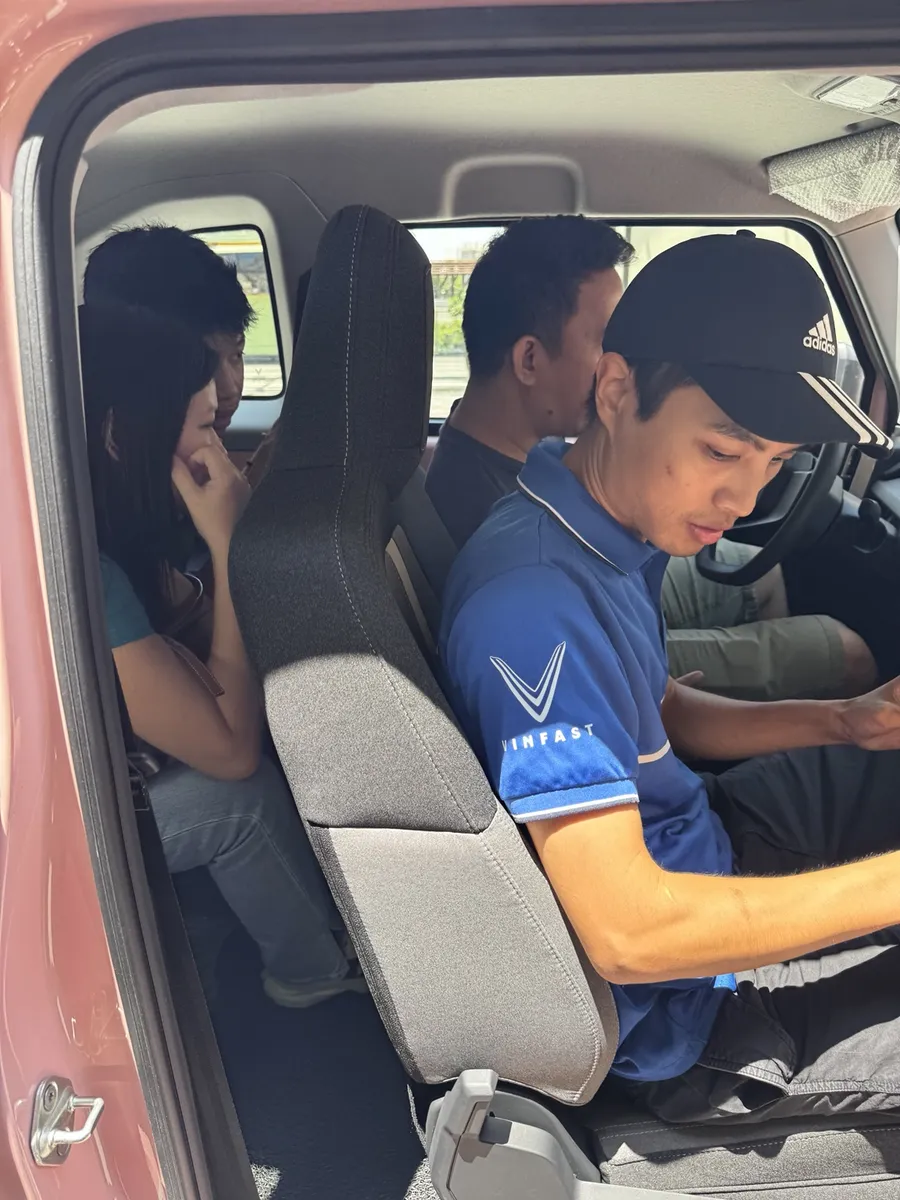
Prepare vehicle lists, approved scope, installation scheduling and acceptance records for a fleet equipment project.
Start with the number of bays, technician teams and usable shift hours.
Separate the vehicle list by model and existing equipment.
Use a register with the vehicle ID, device ID, SIM identifier and installation date.
Provide a vehicle count and access window per depot, plus the approved artwork revision and placement reference.
Define the road or controlled test conditions and the views the operator needs to review.
Record the unit, failed criterion, original evidence and responsible person.
Alamin ang status ng Green GSM rental at kung saan magtatanong tungkol sa dati nang booking.
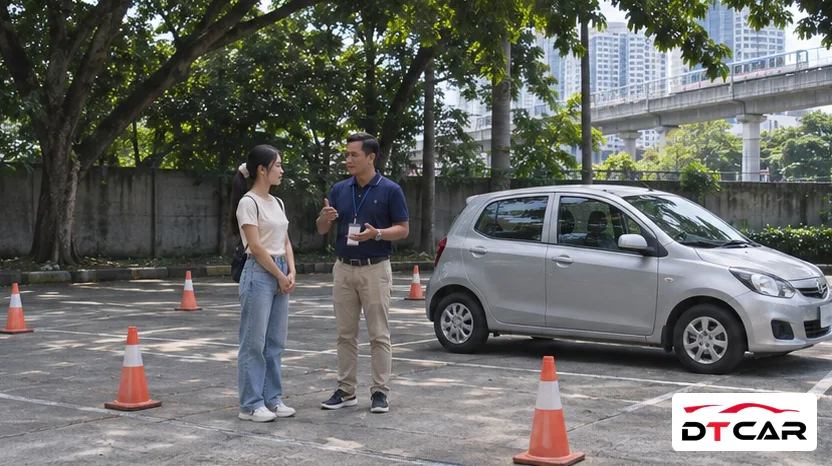
Ghi thao tác đã thử, mức trợ giúp và một việc cần tập lại.
Nhờ giáo viên dành thời gian chỉnh ghế, dây an toàn và gương khi xe còn đứng yên.
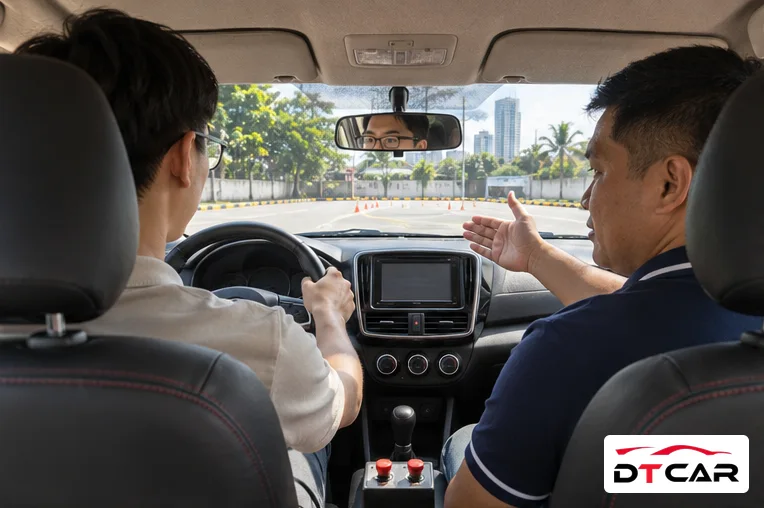
Mô tả những gì bạn từng tự làm được và đặt một buổi đánh giá tại bãi tập do trường bố trí.
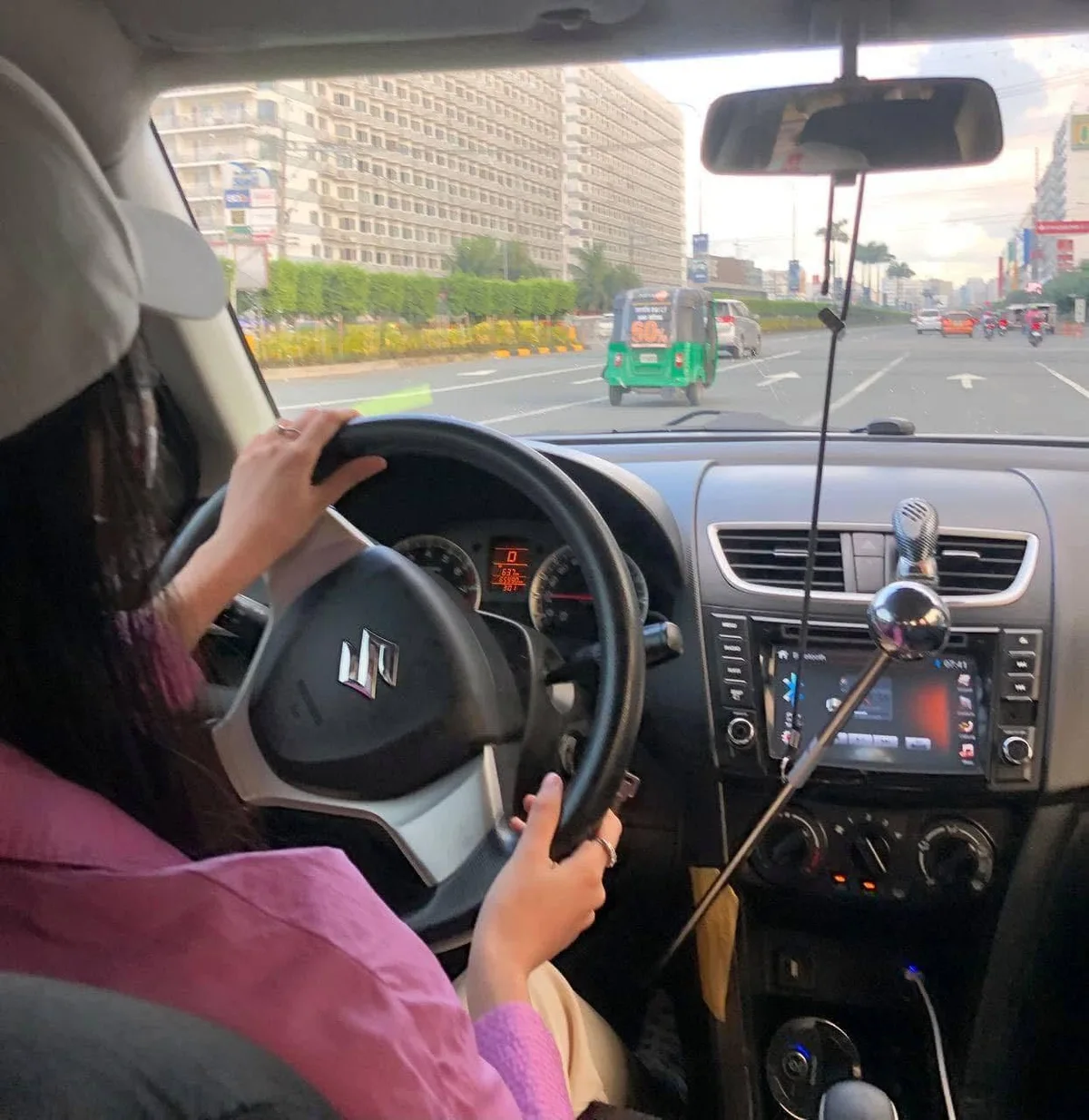
Hỏi trường dùng xe nào và đề nghị giáo viên đánh giá khả năng quan sát, căn thân xe và đỗ xe trước khi bạn chuyển sang chiếc lớn hơn.

Lần đầu nhả phanh để xe di chuyển chậm. Gửi khu vực học và tình huống muốn luyện.

Tập một thao tác đủ thời gian trong ca cuối tuần. Gửi khu vực học và tình huống muốn luyện.

Giữ thao tác cơ bản khi đổi số trong khu tập. Gửi khu vực học và tình huống muốn luyện.

Kiểm soát độ trườn của xe trong khu tập. Gửi khu vực học và tình huống muốn luyện.

Lấy lại thói quen dừng xe êm. Gửi khu vực học và tình huống muốn luyện.

Giữ một bài nhỏ khi thời gian ca tối có hạn. Gửi khu vực học và tình huống muốn luyện.

Nhận biết vùng dễ bị che khi xe đỗ. Ghi lại tình huống và loại xe ở buổi học.

Chọn một bài ôn giữa hai ca cuối tuần. Ghi lại tình huống và loại xe ở buổi học.

Giữ quan sát khi phải tập cả tay số và chân côn. Ghi lại tình huống và loại xe ở buổi học.

Xem gương sau khi đổi sang thân xe lớn hơn. Ghi lại tình huống và loại xe ở buổi học.

Khôi phục thói quen kiểm tra gương trước thao tác. Ghi lại tình huống và loại xe ở buổi học.

Luyện quan sát có tính đến ánh sáng buổi tối. Ghi lại tình huống và loại xe ở buổi học.

Hiểu lời nhắc dừng trước khi xe chuyển động. Gửi ngôn ngữ bạn hiểu và hỏi cách hỗ trợ.

Xác nhận có người hướng dẫn phù hợp ở ca cuối tuần. Gửi ngôn ngữ bạn hiểu và hỏi cách hỗ trợ.

Học các từ chỉ côn và vị trí số. Gửi ngôn ngữ bạn hiểu và hỏi cách hỗ trợ.

Học các từ chỉ chế độ của hộp số tự động. Gửi ngôn ngữ bạn hiểu và hỏi cách hỗ trợ.
Ôn từ vựng khi từng học ở một nước khác. Gửi ngôn ngữ bạn hiểu và hỏi cách hỗ trợ.

Xác nhận người có thể hỗ trợ vào ca chiều hoặc tối. Gửi ngôn ngữ bạn hiểu và hỏi cách hỗ trợ.

Đổi buổi đầu nếu không kịp chuẩn bị. Xin quy định đổi ca trước khi đăng ký.

Giữ được cùng giờ cho tuần kế tiếp. Xin quy định đổi ca trước khi đăng ký.

Đổi ca khi xe số sàn không có. Xin quy định đổi ca trước khi đăng ký.

Đổi ca khi trường tạm thay xe tự động. Xin quy định đổi ca trước khi đăng ký.

Xếp lại buổi đánh giá sau một thời gian nghỉ. Xin quy định đổi ca trước khi đăng ký.

Đổi ca khi công việc phát sinh ngoài giờ. Xin quy định đổi ca trước khi đăng ký.

Thử chỉnh ghế lần đầu trong xe trường. Ghi rõ loại xe dự kiến lái và mục tiêu của bạn.

Hỏi có giữ cùng xe qua các cuối tuần không. Ghi rõ loại xe dự kiến lái và mục tiêu của bạn.

So tầm quan sát giữa hai xe số sàn. Ghi rõ loại xe dự kiến lái và mục tiêu của bạn.

So xe trường với xe gia đình lớn hơn. Ghi rõ loại xe dự kiến lái và mục tiêu của bạn.

Xem lại vị trí ngồi từng quen trước đây. Ghi rõ loại xe dự kiến lái và mục tiêu của bạn.

Hỏi loại xe tập còn phục vụ sau giờ làm. Ghi rõ loại xe dự kiến lái và mục tiêu của bạn.

Tự thiết lập tư thế trước khi bắt đầu bài. Ghi thao tác, mức trợ giúp và bước kế tiếp.

Giữ ghi chú để ôn bài sau một tuần. Ghi thao tác, mức trợ giúp và bước kế tiếp.

Đánh giá số lần thao tác côn và số theo hướng dẫn. Ghi thao tác, mức trợ giúp và bước kế tiếp.

Đo mức trợ giúp khi điều khiển xe tự động trong sân. Ghi thao tác, mức trợ giúp và bước kế tiếp.

So kỹ năng cũ với mức tự tin hiện tại. Ghi thao tác, mức trợ giúp và bước kế tiếp.

Chọn một kết quả có thể quan sát trong ca ngắn. Ghi thao tác, mức trợ giúp và bước kế tiếp.

Hỏi có chọn học riêng nếu bắt đầu từ số không. Hỏi số phút thực hành của mỗi người và cách luân phiên.
Hỏi cách luân phiên hai người cùng đăng ký cuối tuần. Hỏi số phút thực hành của mỗi người và cách luân phiên.
Tách bài cho một người đã quen số sàn. Hỏi số phút thực hành của mỗi người và cách luân phiên.

Hỏi có thể dùng hai loại xe nếu mục tiêu khác nhau. Hỏi số phút thực hành của mỗi người và cách luân phiên.
Một người ôn và một người học mới. Hỏi số phút thực hành của mỗi người và cách luân phiên.

Xác nhận không trùng giờ làm của cả hai người. Hỏi số phút thực hành của mỗi người và cách luân phiên.

Hỏi buổi đầu có chuyển sang phần chuẩn bị khi mưa. Hỏi tiêu chí đổi hoặc dời buổi tập.

Xác nhận ca bù gần nhất nếu cuối tuần bị mưa. Hỏi tiêu chí đổi hoặc dời buổi tập.

Chỉ tập các thao tác giáo viên xác nhận phù hợp trong ngày. Hỏi tiêu chí đổi hoặc dời buổi tập.

Hỏi khu vực đứng yên để quen điều khiển trong mưa. Hỏi tiêu chí đổi hoặc dời buổi tập.

Hỏi bài ôn nào có thể chuyển sang ngày khô. Hỏi tiêu chí đổi hoặc dời buổi tập.

Xác nhận ca bù trong điều kiện ít ánh sáng. Hỏi tiêu chí đổi hoặc dời buổi tập.

Tính giờ đến trước để làm quen nơi tập. Xin điểm gặp, thời lượng và mốc phải có mặt.

Ước lượng thời gian đi cuối tuần gần trung tâm. Xin điểm gặp, thời lượng và mốc phải có mặt.

Xác nhận xe số sàn có thể tập ở địa điểm đã hẹn. Xin điểm gặp, thời lượng và mốc phải có mặt.

Xác nhận nơi tập xe tự động có khác nơi đăng ký không. Xin điểm gặp, thời lượng và mốc phải có mặt.

Đo thời gian từ nhà đến điểm ôn kỹ năng. Xin điểm gặp, thời lượng và mốc phải có mặt.

So đường đi từ nơi làm việc với từ nhà. Xin điểm gặp, thời lượng và mốc phải có mặt.

Hỏi giữ nguyên mục tiêu buổi đầu nếu đổi giáo viên. Gửi điều kiện bắt buộc về xe và giờ học.

Xác nhận còn ca cuối tuần khác nếu trường đổi lịch. Gửi điều kiện bắt buộc về xe và giờ học.

Đổi sang buổi khác nếu xe thay thế sai hộp số. Gửi điều kiện bắt buộc về xe và giờ học.

Hỏi xe thay có cùng loại điều khiển chính không. Gửi điều kiện bắt buộc về xe và giờ học.

Mang ghi chú cũ nếu đổi sang giáo viên mới. Gửi điều kiện bắt buộc về xe và giờ học.

Hỏi có thể lùi ca nếu giáo viên không kịp gặp sau giờ làm. Gửi điều kiện bắt buộc về xe và giờ học.

Ôn hai việc đã làm được trong buổi đầu. Gửi ngày học gần nhất và nội dung muốn ôn.

Chuẩn bị một ghi chú khi giữa các buổi cách nhiều ngày. Gửi ngày học gần nhất và nội dung muốn ôn.

Ôn thao tác côn ở nơi giáo viên bố trí. Gửi ngày học gần nhất và nội dung muốn ôn.

Ôn điều khiển xe tự động khi đổi loại xe. Gửi ngày học gần nhất và nội dung muốn ôn.
Hỏi lại mức phù hợp sau khi nhiều tháng không lái. Gửi ngày học gần nhất và nội dung muốn ôn.

Lập lại nhịp học sau một tuần công việc bận. Gửi ngày học gần nhất và nội dung muốn ôn.

Nhờ giáo viên chỉ rõ dấu hiệu bạn đã hiểu lời nhắc. Chọn một câu hỏi cụ thể để hỏi cuối buổi.

Mang câu hỏi từ ca cuối tuần trước. Chọn một câu hỏi cụ thể để hỏi cuối buổi.

Nhờ giáo viên phân biệt lỗi chọn số và lỗi phối hợp. Chọn một câu hỏi cụ thể để hỏi cuối buổi.

Hỏi làm sao biết thao tác bàn đạp đã đều. Chọn một câu hỏi cụ thể để hỏi cuối buổi.

Đối chiếu một thói quen cũ với điều kiện mới. Chọn một câu hỏi cụ thể để hỏi cuối buổi.

Xin nhận xét bằng hai dòng để xem lại sau ca tối. Chọn một câu hỏi cụ thể để hỏi cuối buổi.

Xin báo giá ghi số giờ thực hành, loại xe, địa điểm và khoản nào thu theo buổi.

Cho trường biết giờ tan ca và thời gian cần nghỉ trước buổi học.

Hỏi riêng ngôn ngữ của bài giảng, tài liệu, phần hỏi đáp và đánh giá.

Nói rõ bạn cần luyện một kỹ năng hay cần khóa Practical Driving Course phục vụ một thủ tục.
Hỏi số học viên trên xe, thời lượng mỗi người cầm lái và thời gian quan sát.
Gửi loại xe bạn sẽ dùng sau khóa và kỹ năng còn yếu như khởi hành, dừng dốc hay xử lý đường hẹp.
Xin quy định của ban quản lý về xe tập và người hướng dẫn trước khi hẹn.
Kể cho giáo viên lần gần nhất tự lái, loại hộp số và tình huống khiến bạn ngại nhất.

Mô tả giờ đưa đón, tình trạng giao thông và kiểu chỗ dừng ở cổng trường.
Trước khi mua gói, hỏi hạn báo đổi buổi, mức phí và thời hạn sử dụng số giờ còn lại.

So đường đi từ chỗ làm đến điểm học thực tế.

Chuẩn bị vài câu bạn thường không hiểu khi nhận hướng dẫn bằng tiếng Anh.
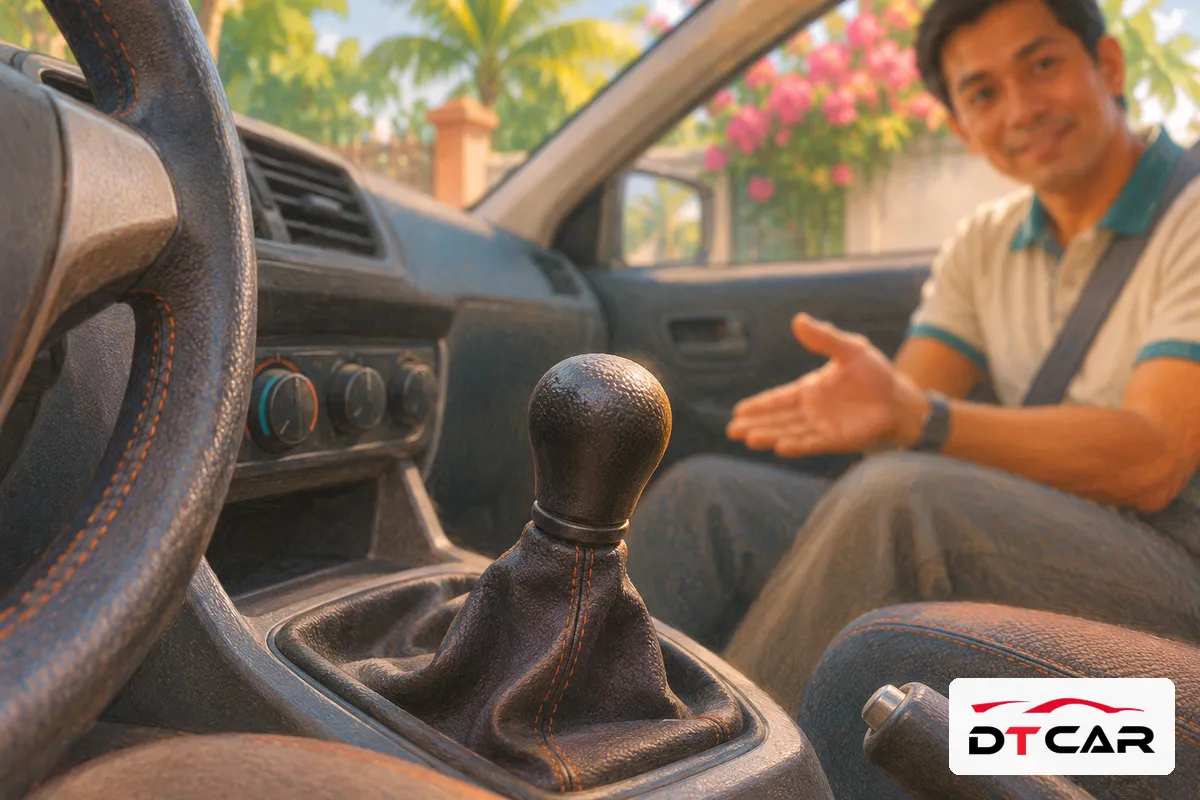
Chuyển sang số sàn · Loại xe tập / Kỹ năng cần luyện

Ngôn ngữ buổi học · Giáo viên trực tiếp / Người hỗ trợ

Hai ca cuối tuần · Thời gian đi lại / Phút thực hành
Buổi trải nghiệm · Học phí từng buổi / Khoản trừ vào gói
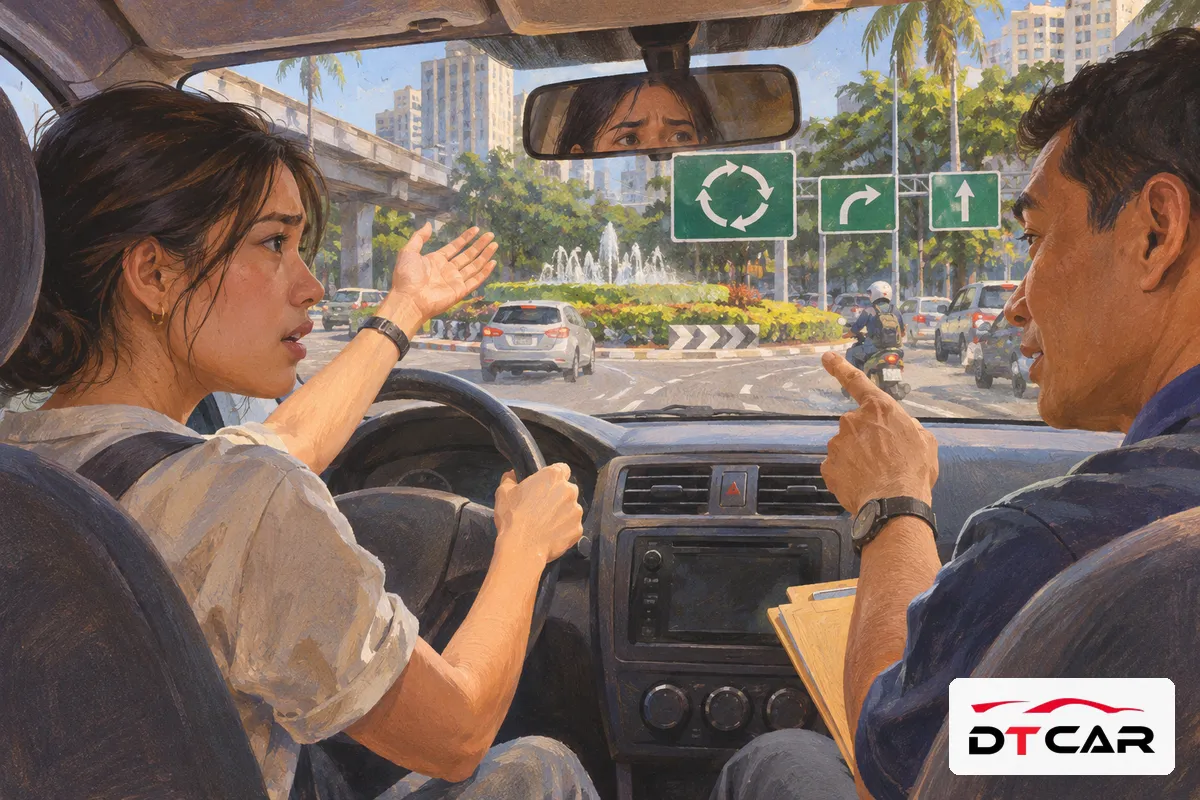
Nút giao khó · Mức kinh nghiệm / Mục tiêu buổi tập

Chọn ca luyện · Tuyến đi làm / Điều kiện ánh sáng

Chọn điểm tập · Điểm xuất phát / Giờ tan ca
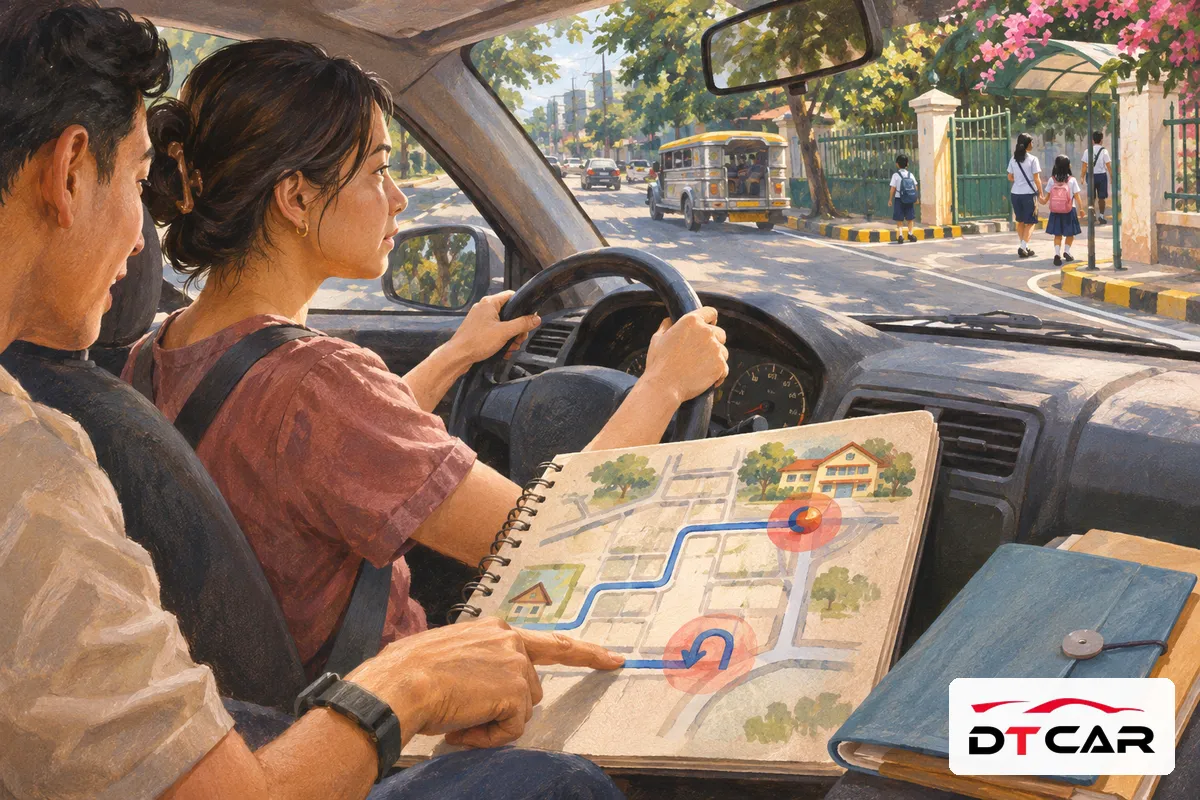
Tuyến đưa con · Điểm dừng / Chỗ quay đầu

Theo dõi tiến bộ · Người phụ trách / Nhật ký buổi học

Đợt học ngắn · Ngày có mặt / Lịch trường xác nhận
Hỏi cách tổ chức buổi đầu. Chọn gói sau khi biết mục tiêu.
Mô tả chỗ gây khó. Chốt cách luyện với giáo viên.
Kể lại lần lái gần nhất. Đề nghị giáo viên ghi nhận tiến bộ.

Đưa hai khung rảnh thật. So chi phí theo buổi hoàn thành.

Tách trình độ từng người. So phương án theo tổng thời gian.
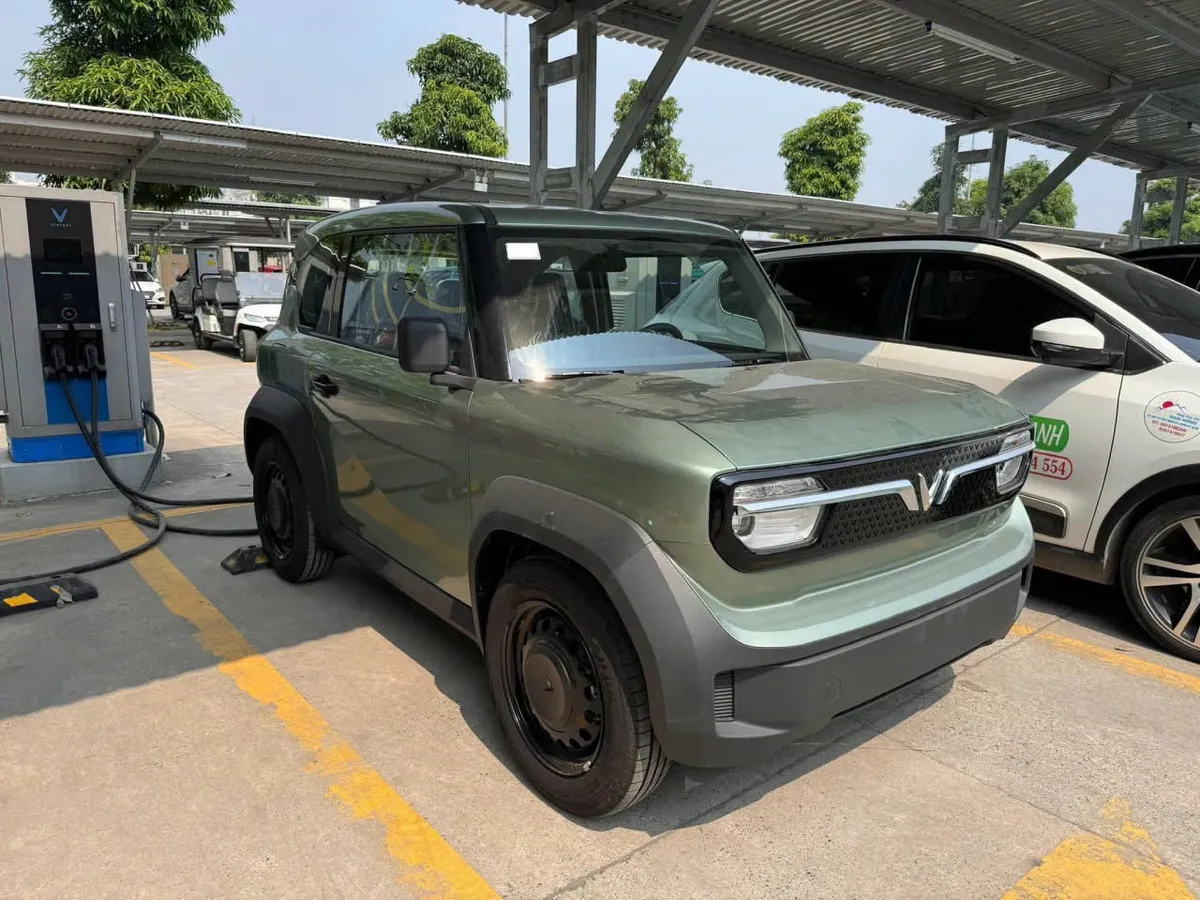
A practical way to compare upfront price, monthly battery fees, mileage and ownership assumptions for a Philippine VinFast purchase.
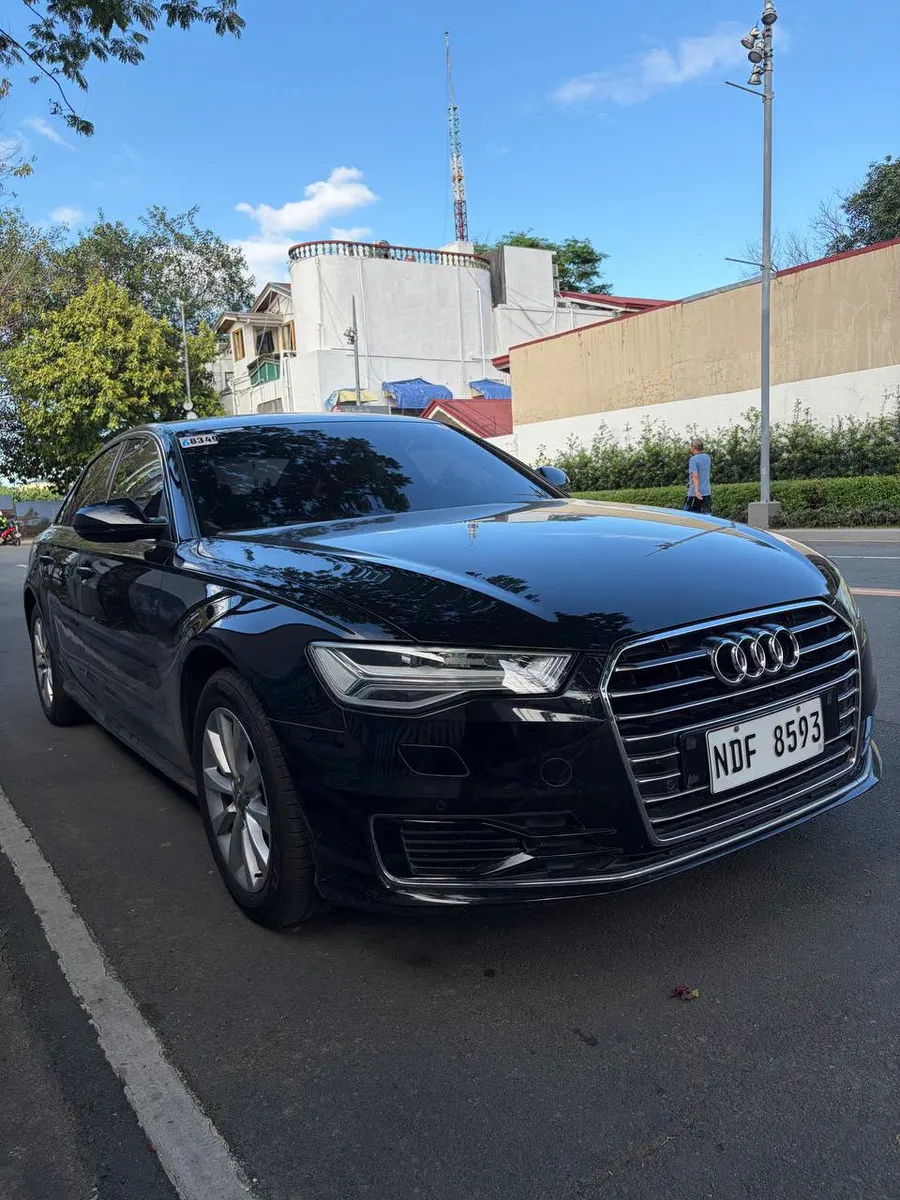
Compare new and used cars using actual quotations, ownership costs, condition and delivery timing rather than purchase price alone.
Use your distance, efficiency and actual charging or fuel rates to compare EV and gasoline energy costs in the Philippines.
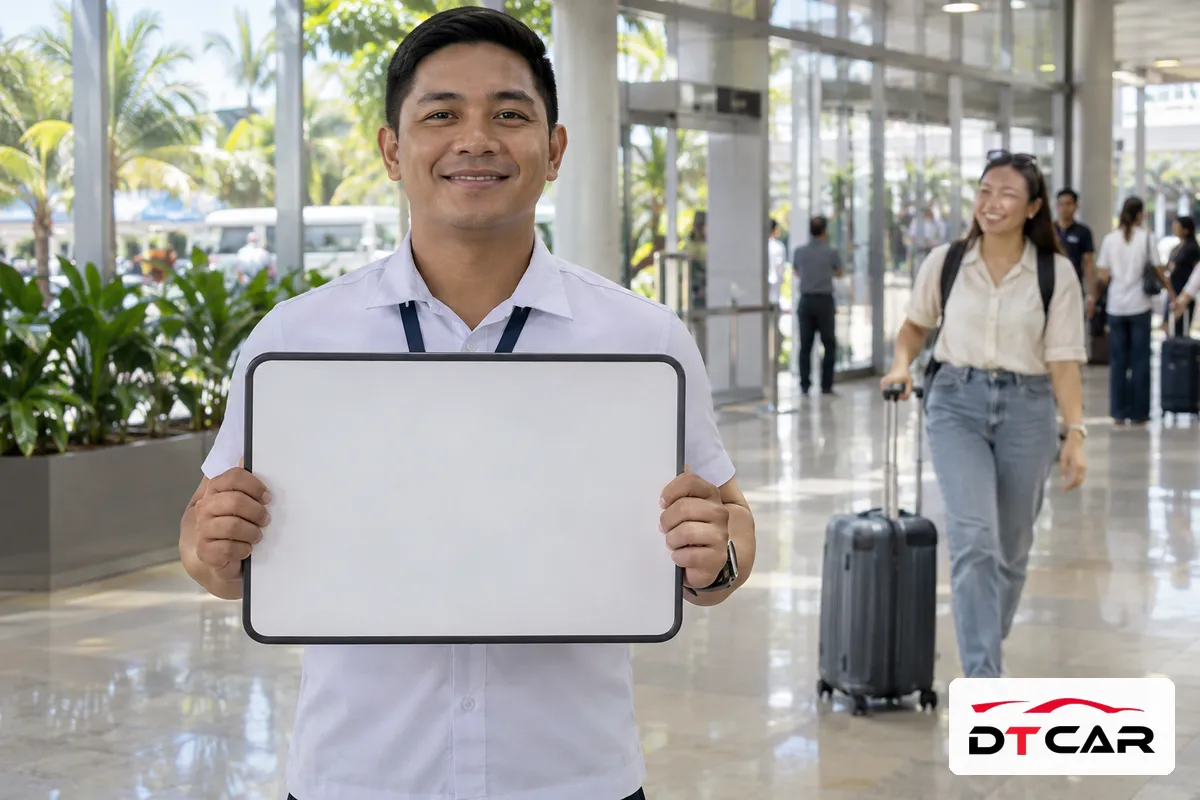
Confirm the airport meeting point, pickup contact and hotel branch before your private transfer in Manila.
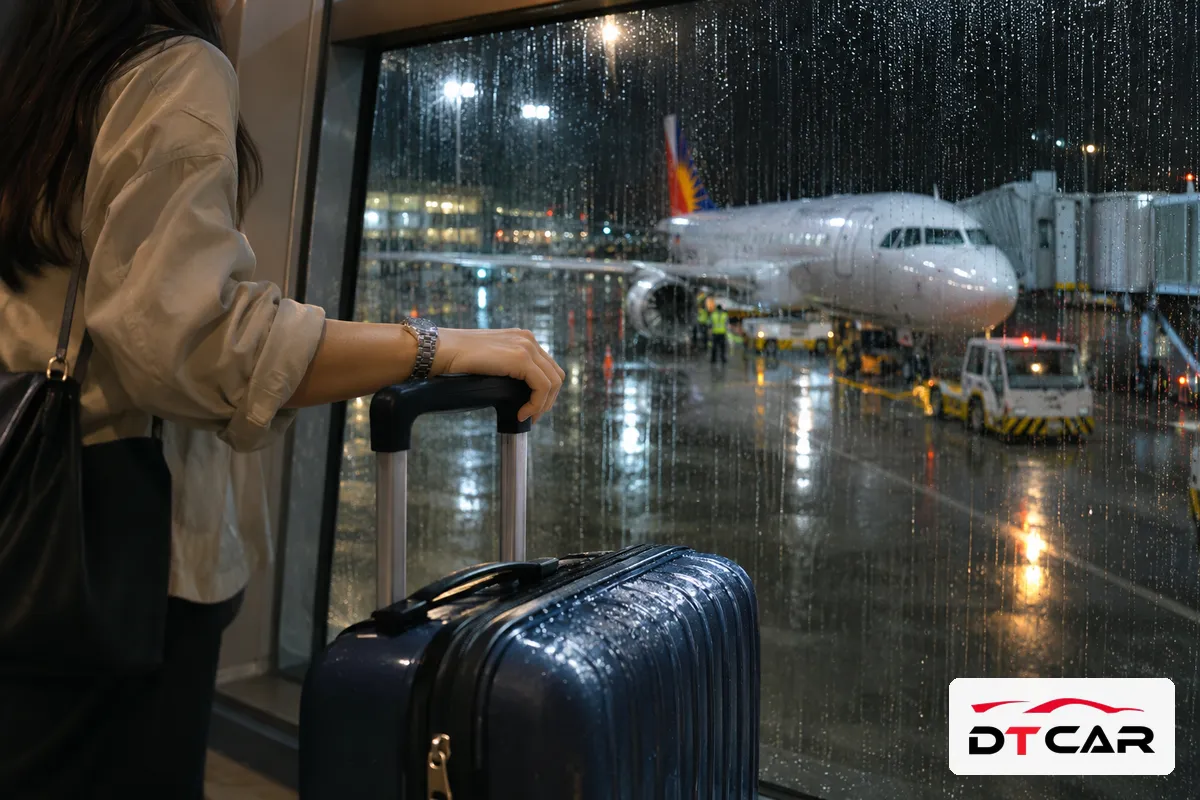
Update a booked Manila airport pickup when a flight is delayed, rebooked or moved past midnight.
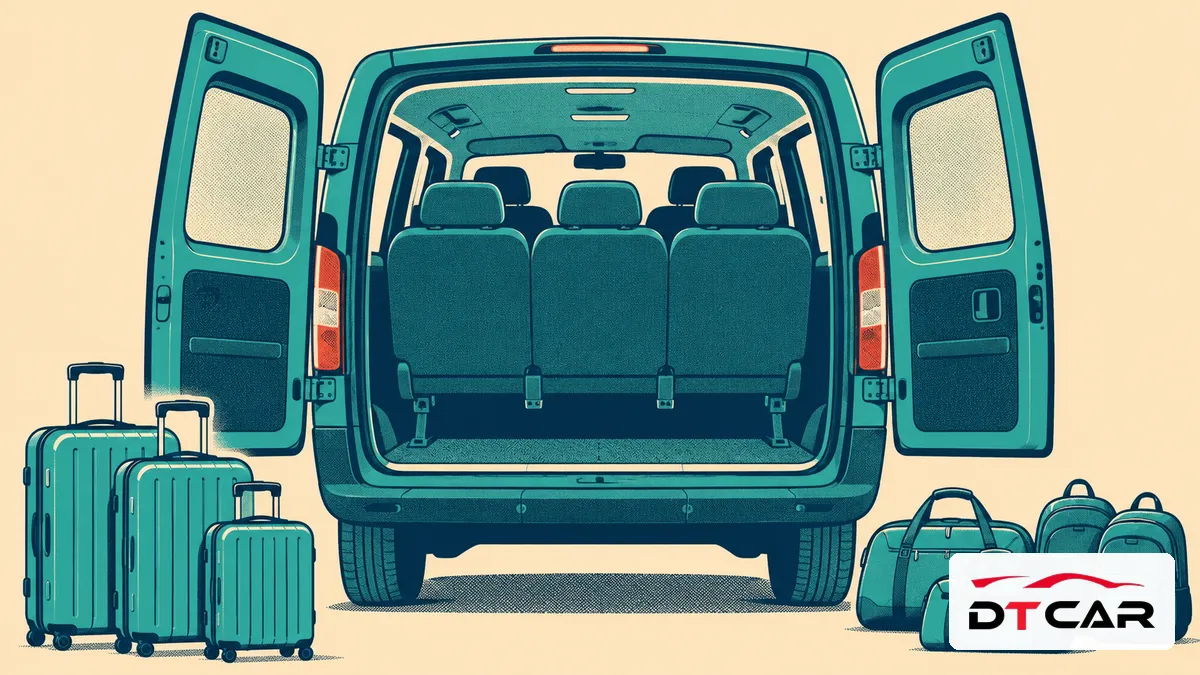
Choose a private van for a Manila trip using passenger numbers, bag sizes and the proposed seating layout.
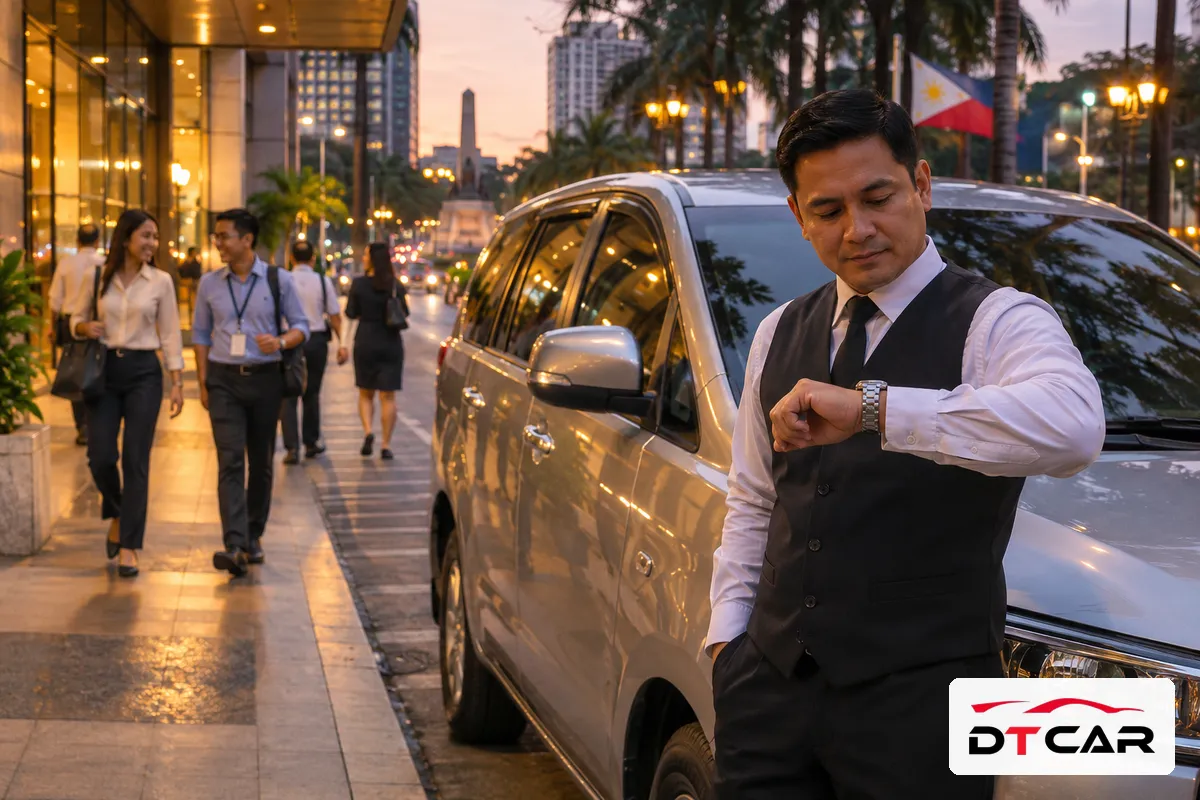
Compare full-day driver quotes in Manila with a worked overtime example and a checklist of extra charges.
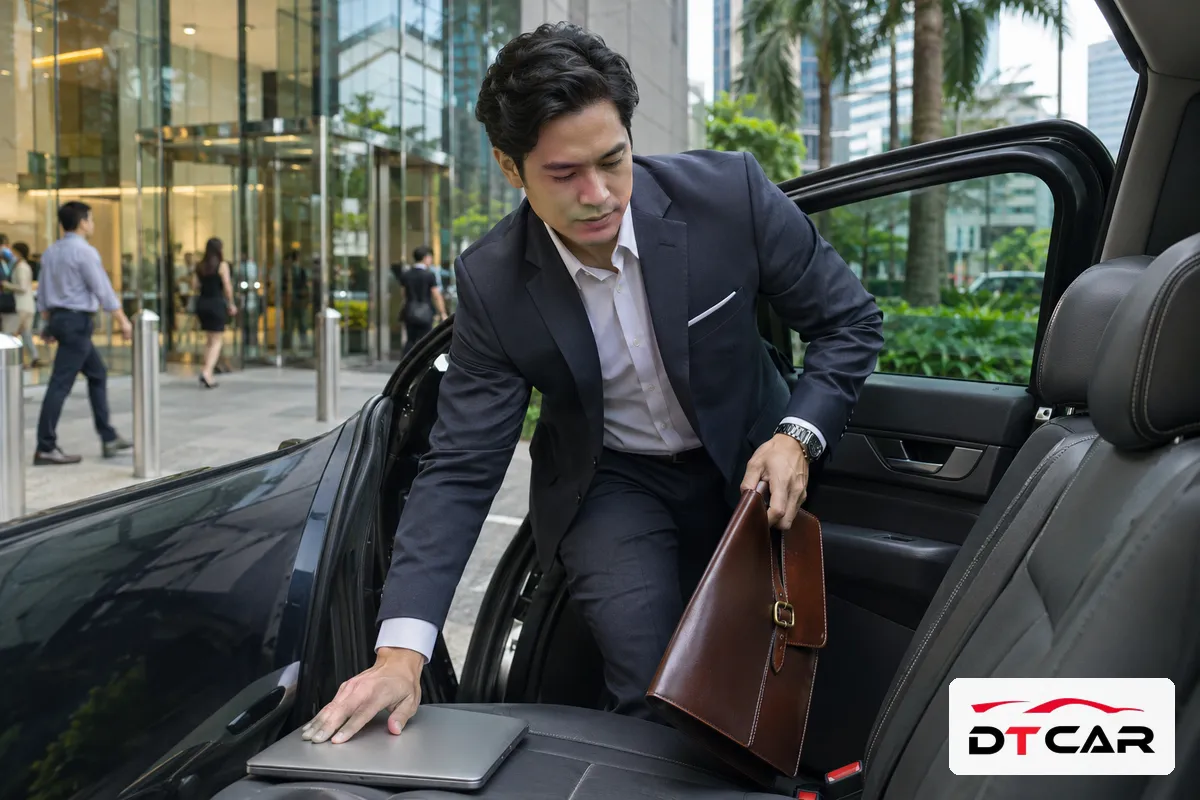
Plan pickups, waiting time and route changes for a Manila business itinerary with several meetings.
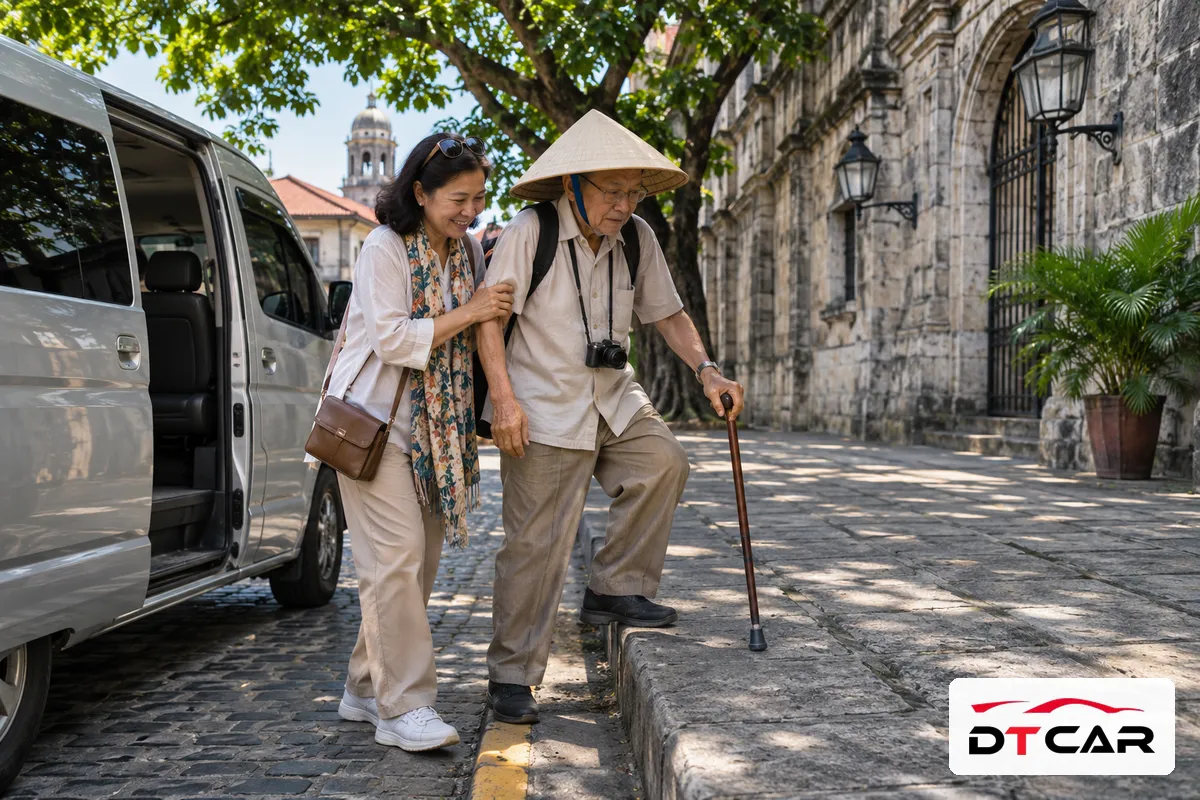
Plan a Manila tour around boarding comfort, walking distances, mobility aids and breaks.
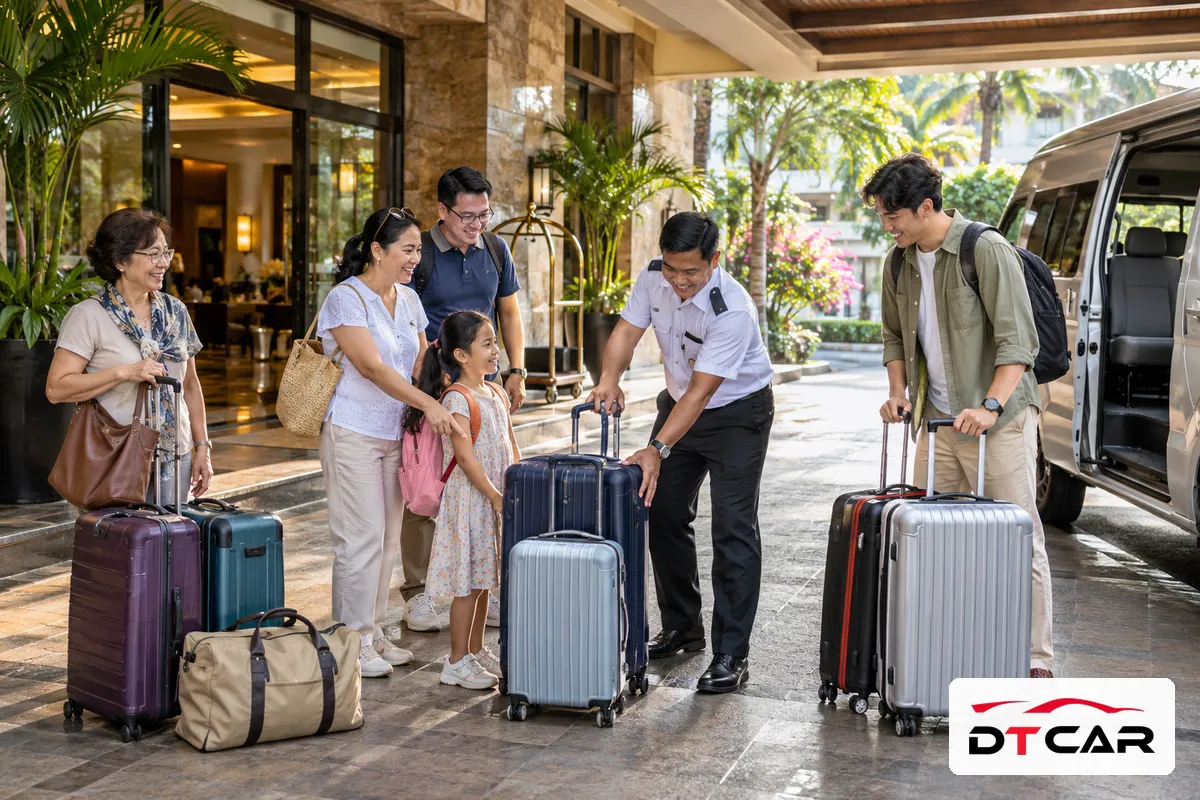
Coordinate several hotel pickups for one Manila transfer and compare a shared van with separate vehicles.
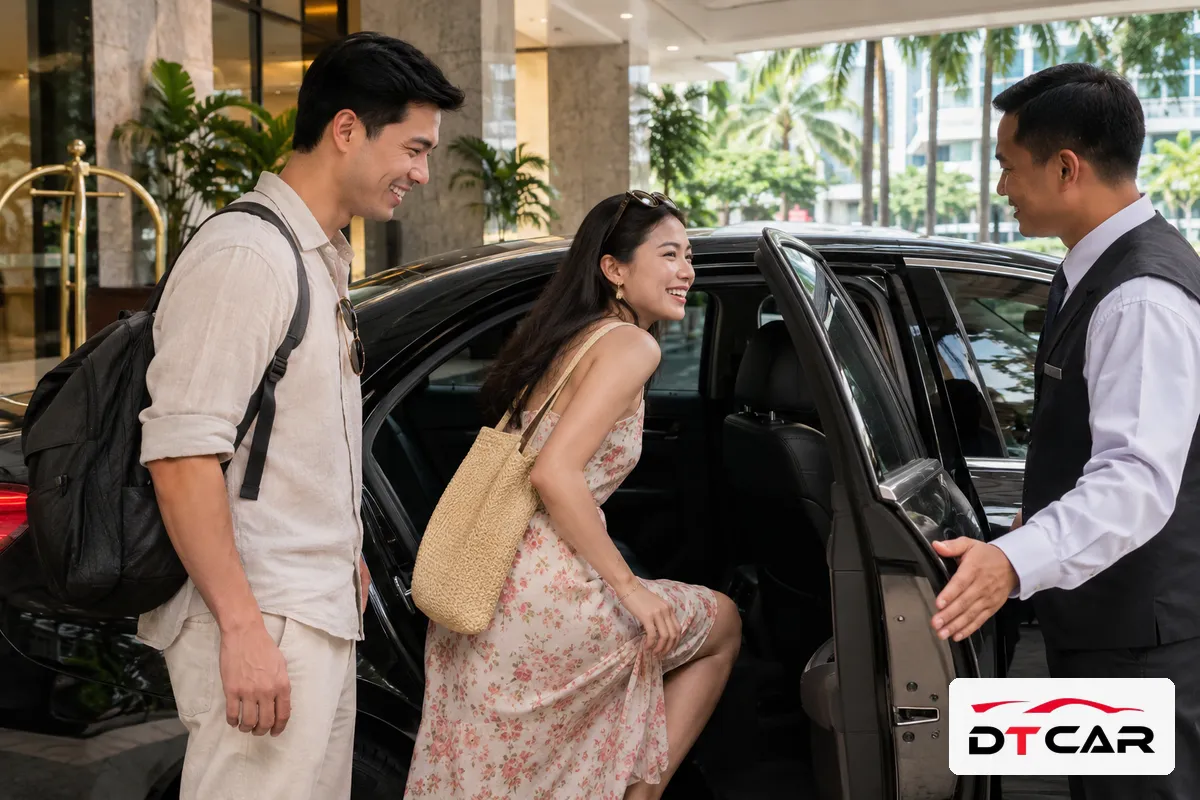
Mẫu hỏi giá xe riêng ở Manila cho đoàn Việt, từ lịch đón và số vali tới phí chờ và người hỗ trợ.
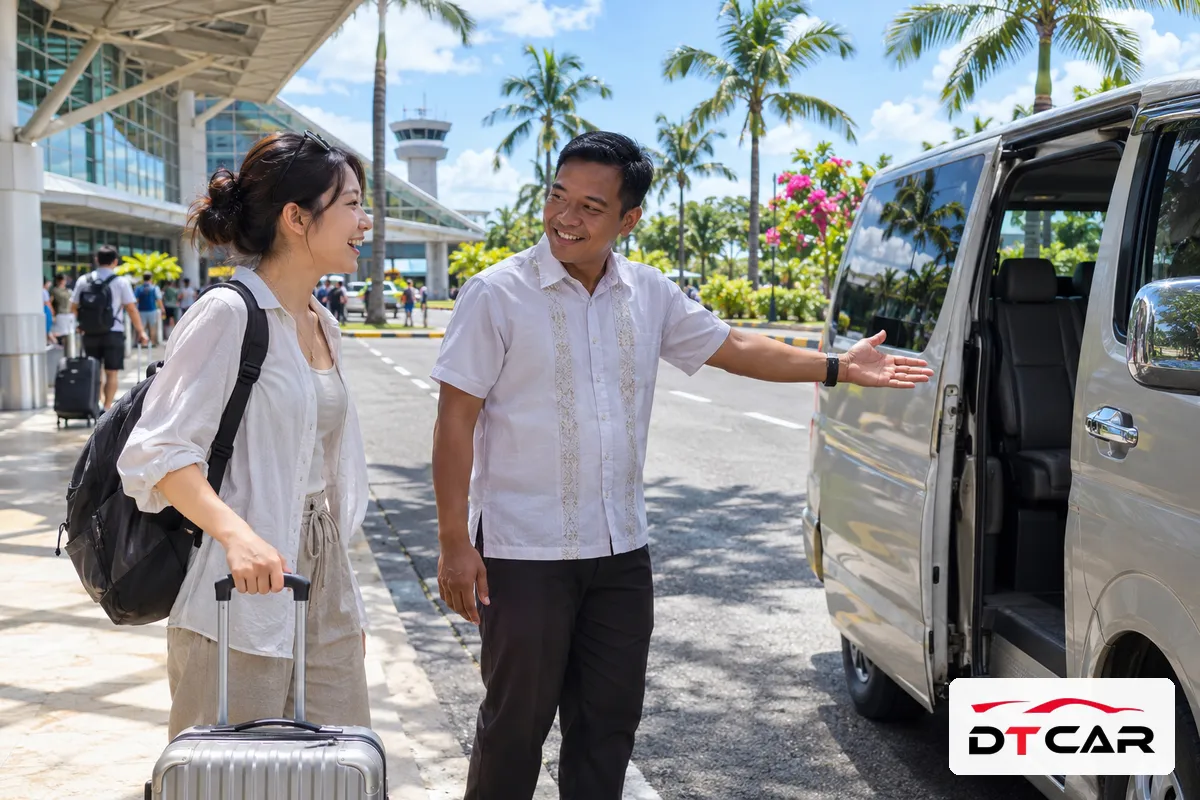
中文旅客预约马尼拉机场接机时可直接使用的询价模板和航班变更清单。
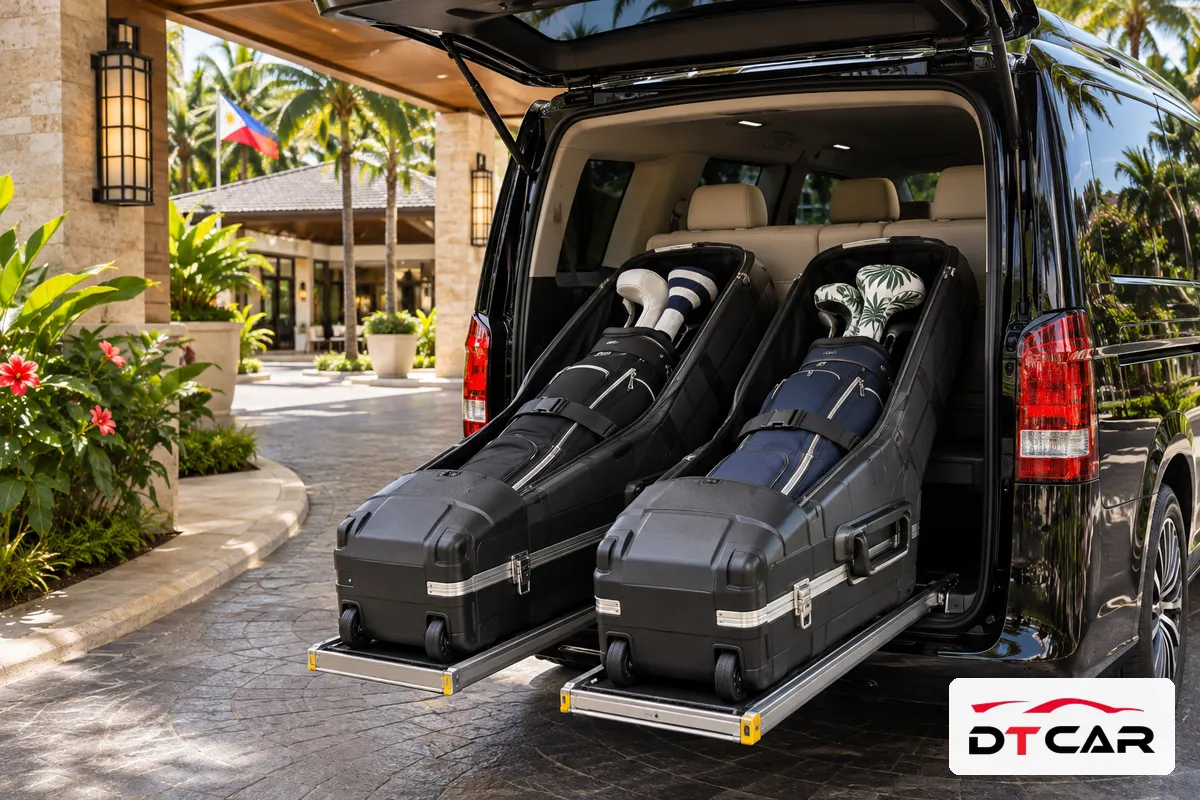
마닐라 골프 이동 일정에 맞춰 골프백·캐리어 공간, 차량 대기 시간과 공항 드롭을 확인하세요.

Sắp lịch xe cho đoàn Việt đi họp ở Manila theo giờ bắt buộc, sảnh đón và người duyệt thay đổi.
Prepare a charging-site proposal around real guest parking, delivery movements, access hours and electrical review.
Prepare access, parking, electrical supply and site photos for an initial V-Green charging-location enquiry with DT Car.
Bring a dated list of recorded work and include the mileage shown on each invoice.
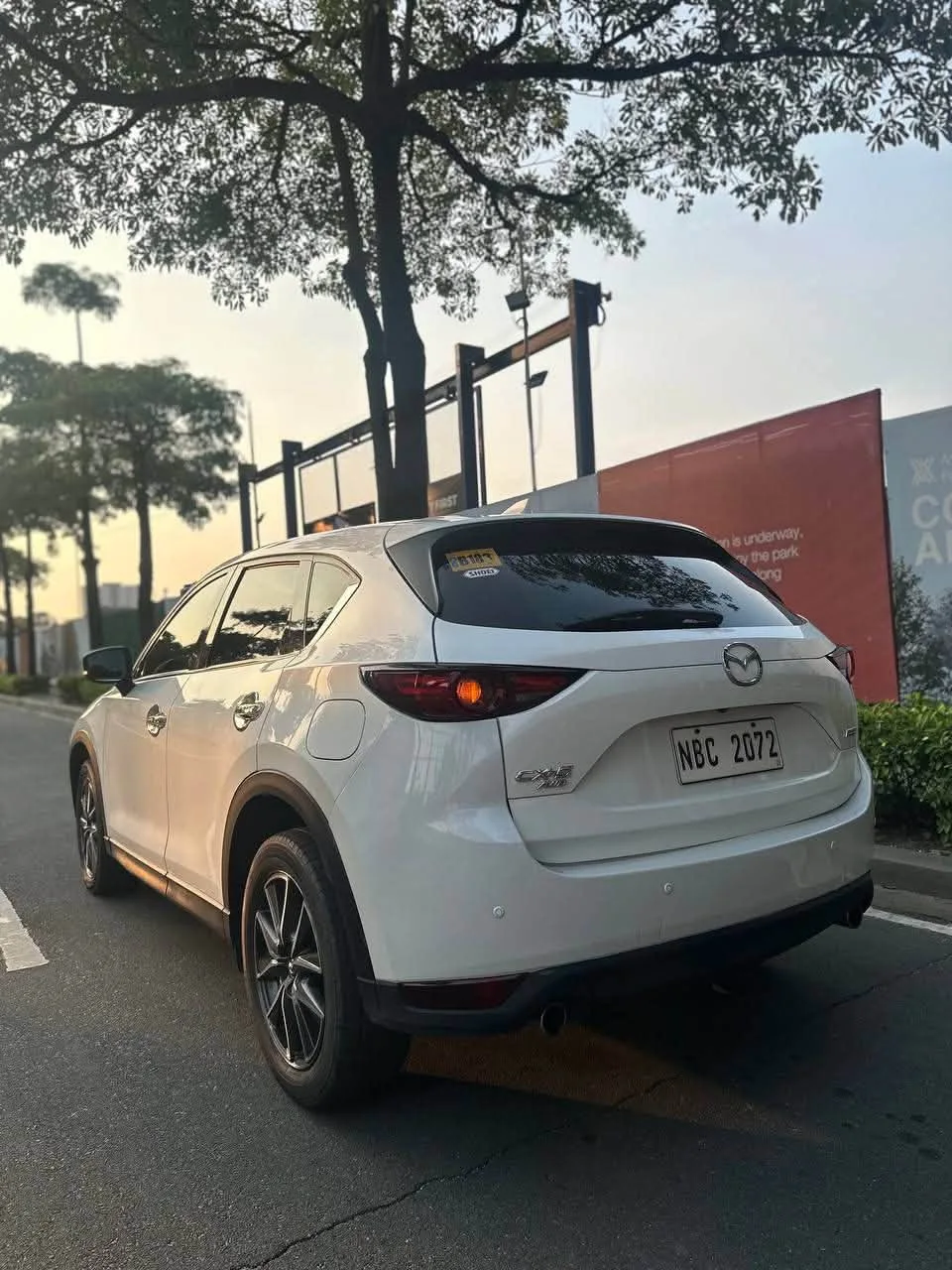
For a preliminary appraisal, photograph the top and rear edge of the bumper separately.
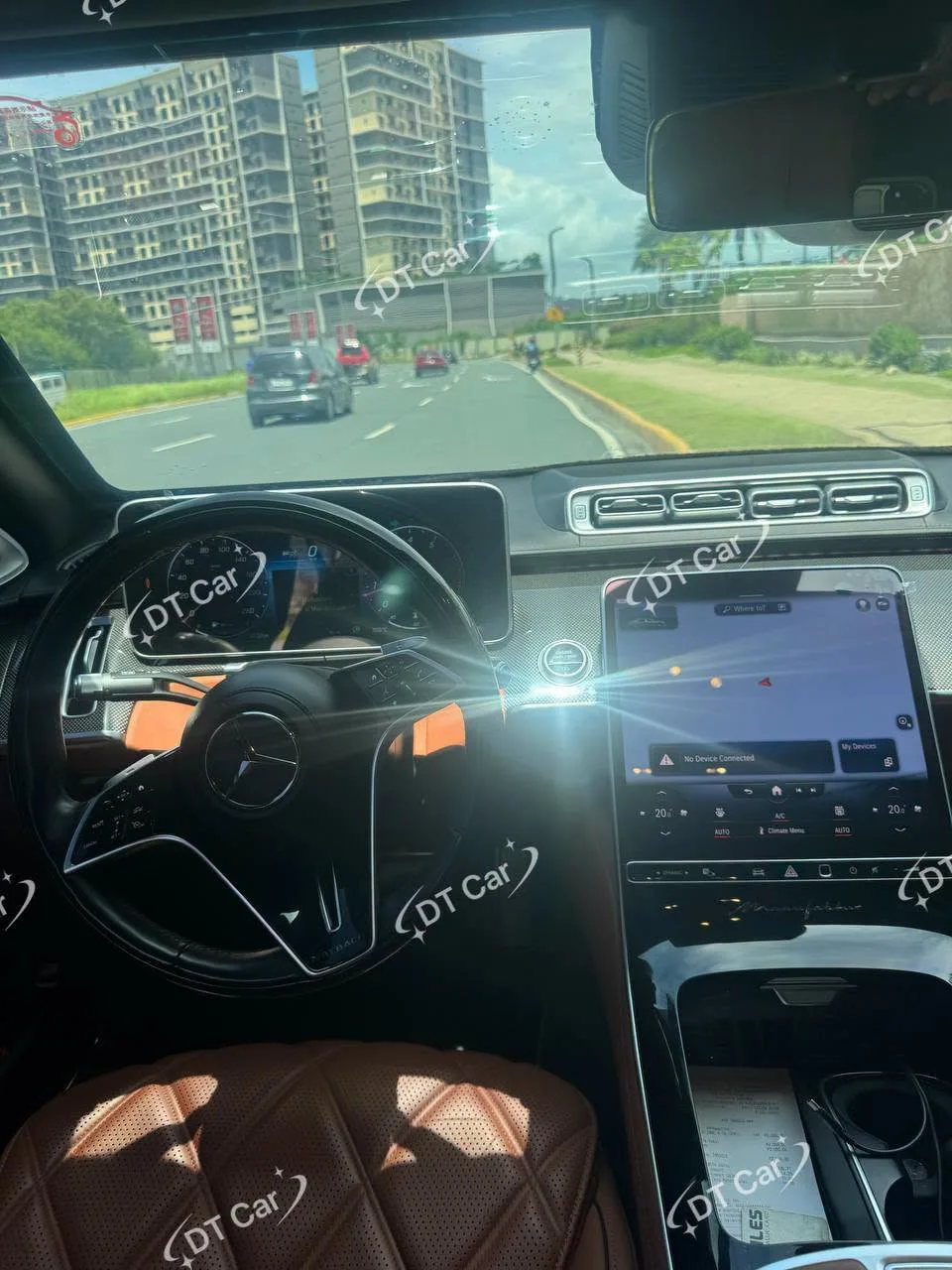
Show the trim and adjacent glass in separate photos and tell the appraiser if the issue is only cosmetic or if you also noticed moisture.
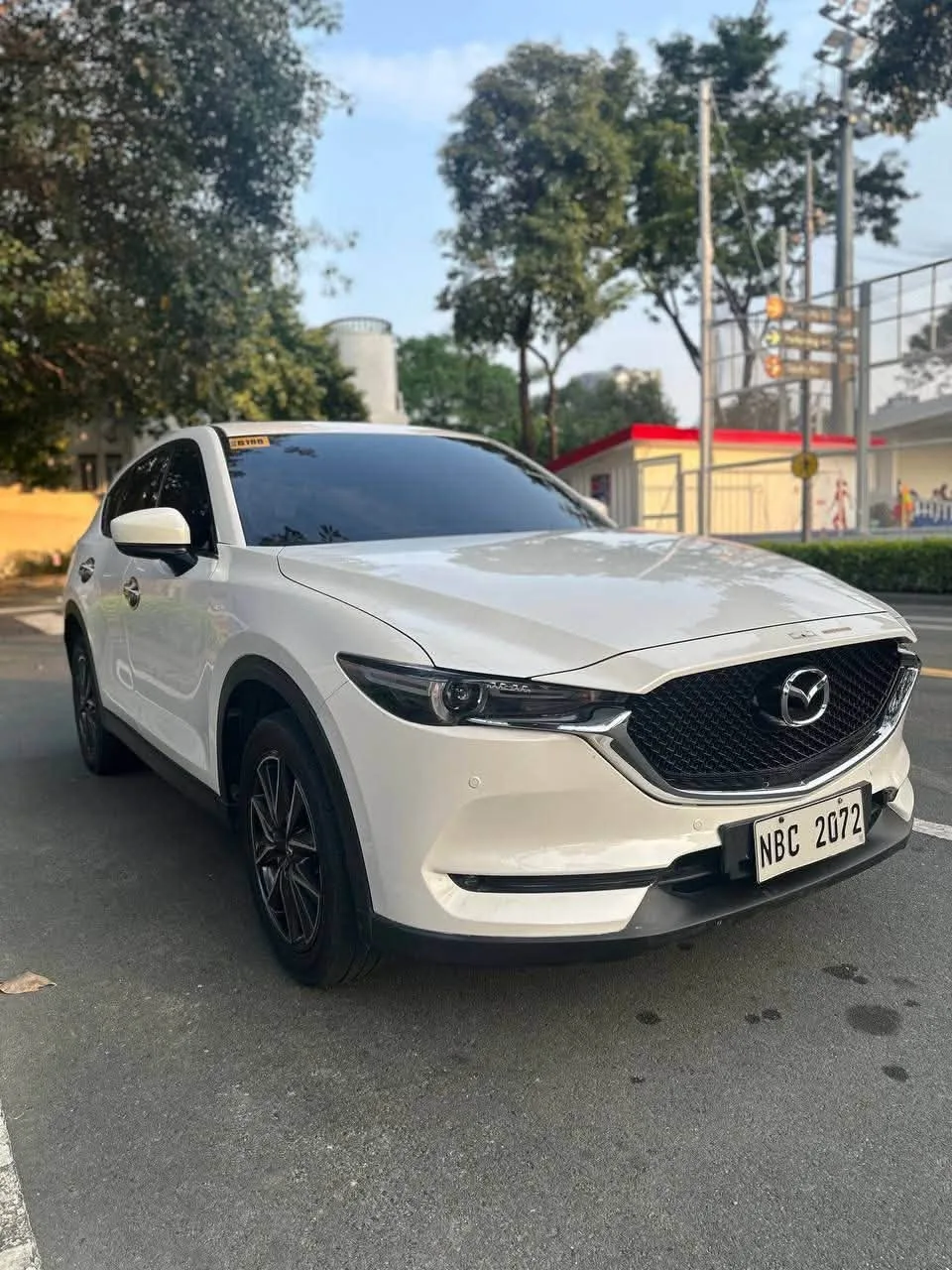
Give the appraiser the tyre sizes and receipts you still have.

Tell the appraiser which remote, physical blade or removable insert is missing.
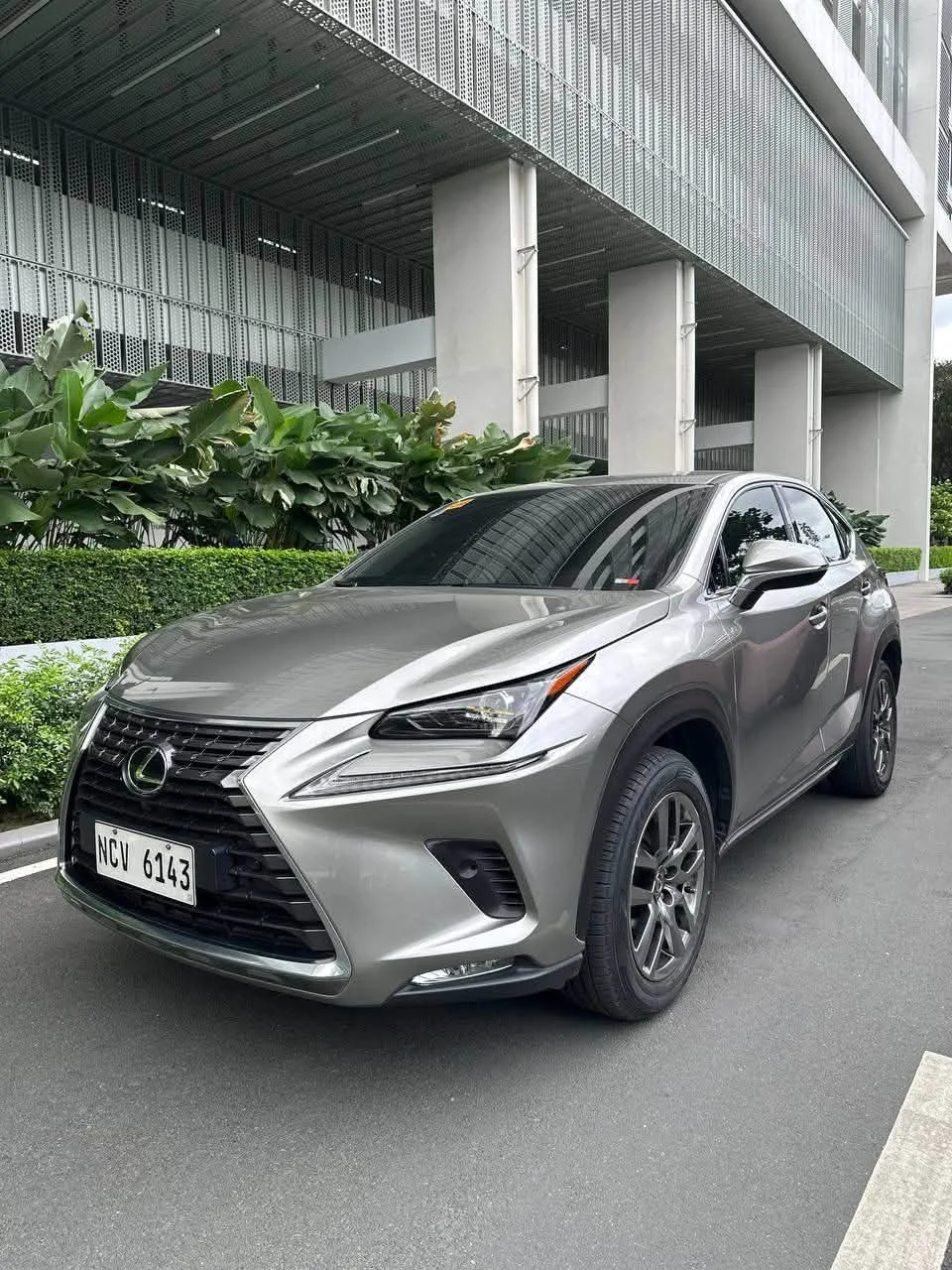
Send one full view of each affected wheel and one closer photo of the marked section.
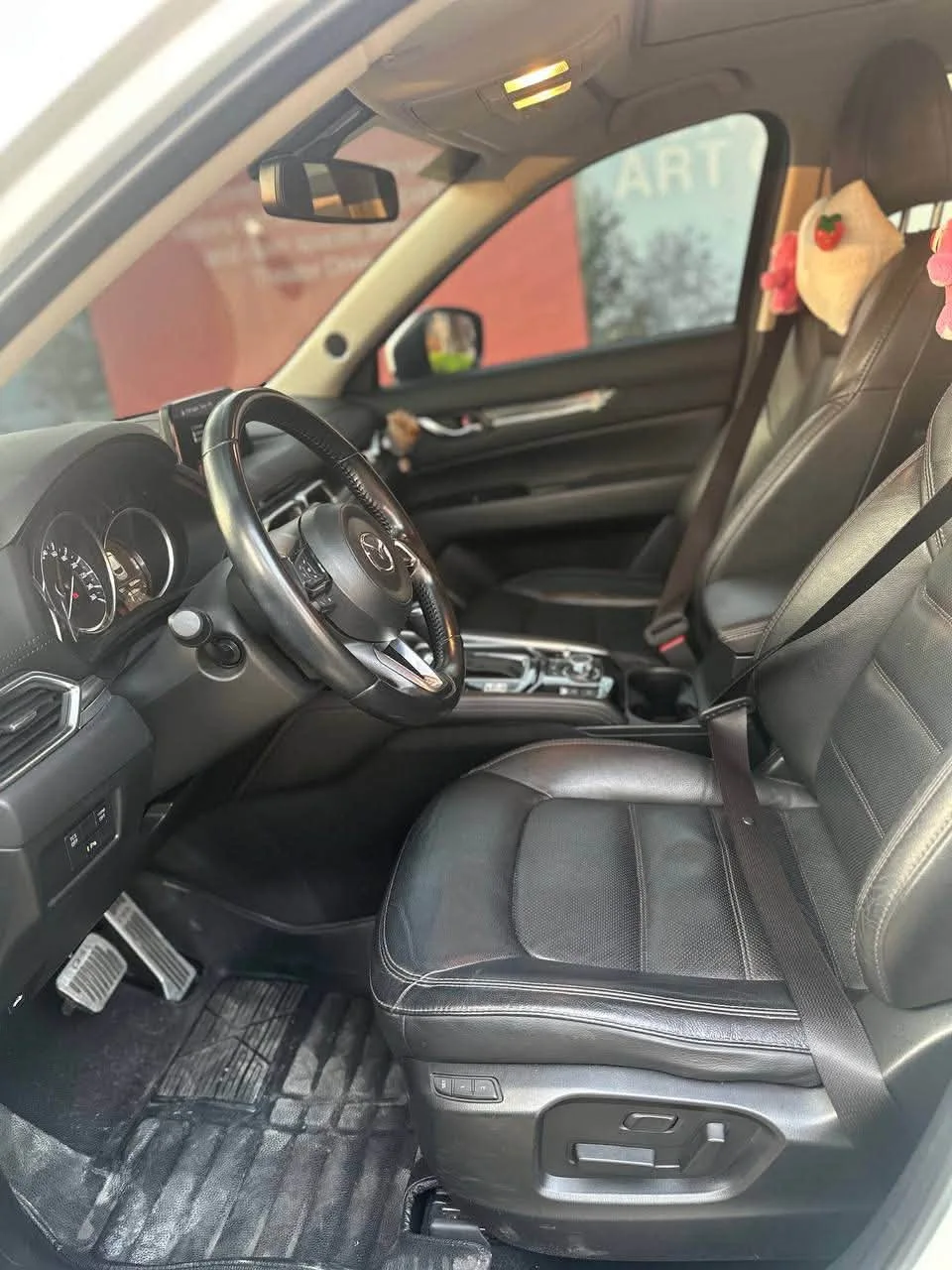
Show the affected trim in its normal position and send a closer photo of the fastening or finish.
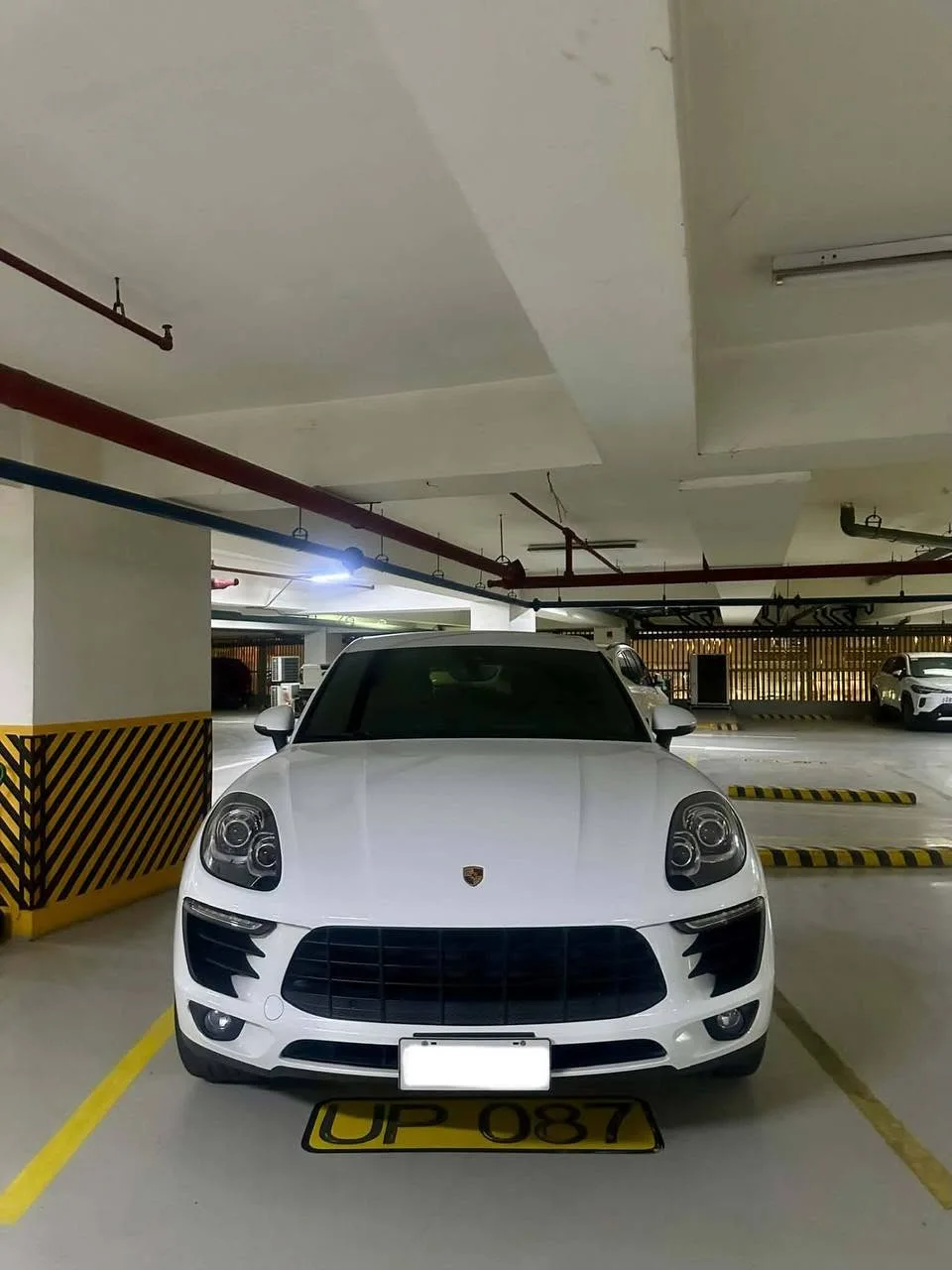
Tell the appraiser which side is affected and whether the lens is cloudy on the outside or you have seen moisture inside.
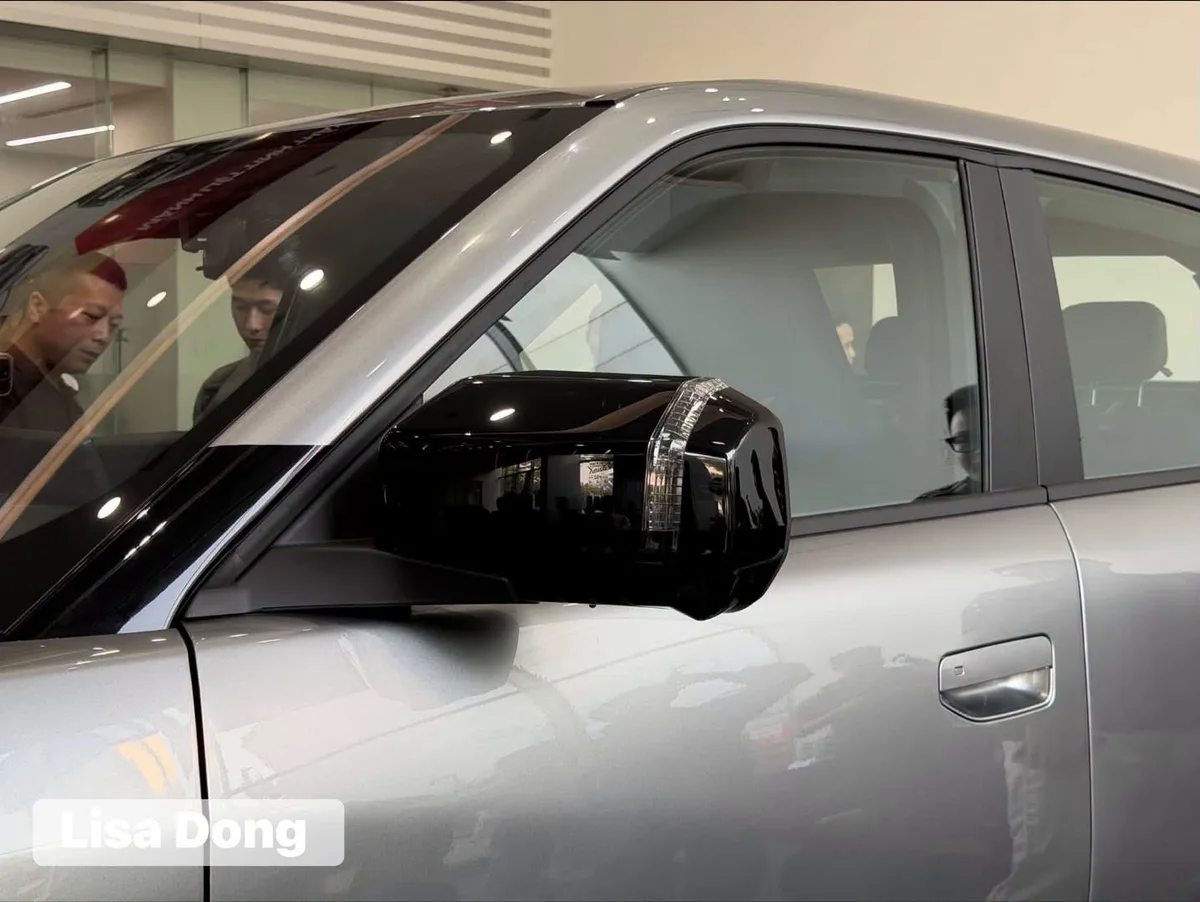
Explain which key or door misbehaves and how often.
A booked service that may fall after the proposed sale. Send the date, mileage and the exact work item rather than a rounded total.
Rear climate servicing planned before a family trip. Send the date, mileage and the exact work item rather than a rounded total.
Maintenance due after a work-site rotation. Send the date, mileage and the exact work item rather than a rounded total.
A hybrid-specific diagnostic still waiting for a date. Send the date, mileage and the exact work item rather than a rounded total.
Fleet servicing due while the replacement unit is allocated. Send the date, mileage and the exact work item rather than a rounded total.
Time-based maintenance due despite low mileage. Send the date, mileage and the exact work item rather than a rounded total.
A cracked plastic door trim used every day. Ask whether the offer is for the vehicle as seen or conditional on repair.
A loose panel beside the third-row entrance. Ask whether the offer is for the vehicle as seen or conditional on repair.
A scuffed bed-liner edge beside a fitted cover. Ask whether the offer is for the vehicle as seen or conditional on repair.
A replaced interior panel whose part source is unknown. Ask whether the offer is for the vehicle as seen or conditional on repair.

A passenger-side panel damaged during equipment removal. Ask whether the offer is for the vehicle as seen or conditional on repair.
A broken boot-shelf clip used for everyday storage. Ask whether the offer is for the vehicle as seen or conditional on repair.

An aftermarket dash camera the seller will keep. Have the final handover list match the written offer.
A removable cargo cover taken out before appraisal. Have the final handover list match the written offer.
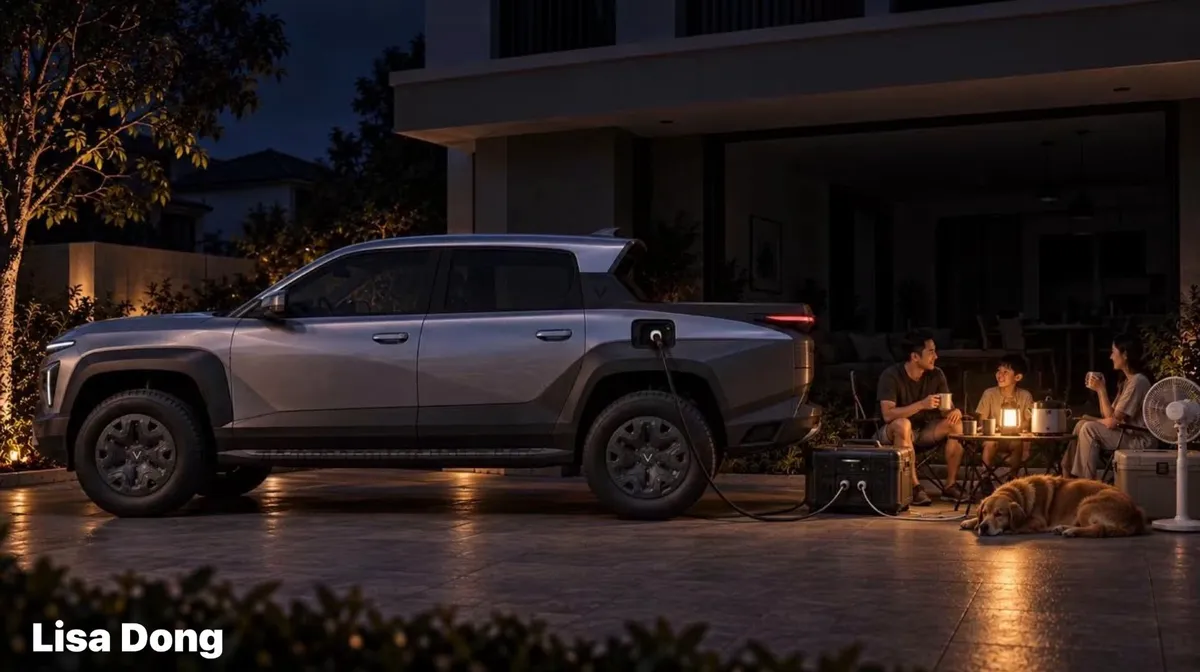
A lockable truck box with its own key. Have the final handover list match the written offer.

An aftermarket screen returned to the original unit. Have the final handover list match the written offer.

Company tracking equipment to be removed under internal procedures. Have the final handover list match the written offer.

A phone mount and other loose accessories excluded from sale. Have the final handover list match the written offer.
A service entry with the family’s old mileage note. Send recent mileage evidence and bring relevant records for inspection.
A year of full passenger use and a quieter later period. Send recent mileage evidence and bring relevant records for inspection.
A logged distance from regular work sites. Send recent mileage evidence and bring relevant records for inspection.
A workshop printout whose reading differs from an older invoice. Send recent mileage evidence and bring relevant records for inspection.
A company log with another vehicle listed on the same sheet. Send recent mileage evidence and bring relevant records for inspection.
An uncommon long trip that changes an otherwise light-use history. Send recent mileage evidence and bring relevant records for inspection.
A warning appearing soon after the sedan starts. Disclose the warning in advance and keep the assessment conditional.
An indicator observed with all occupants aboard. Disclose the warning in advance and keep the assessment conditional.
A warning after collecting production equipment. Disclose the warning in advance and keep the assessment conditional.
A hybrid-specific alert after a prolonged stop. Disclose the warning in advance and keep the assessment conditional.
A driver report naming the time but not the exact dashboard text. Disclose the warning in advance and keep the assessment conditional.
A message seen once after an evening parking manoeuvre. Disclose the warning in advance and keep the assessment conditional.
A new tyre fitted after a recent puncture. Ask whether the appraisal assumes replacement or inspection.
A rear tyre inspected before the next family trip. Ask whether the appraisal assumes replacement or inspection.
A truck tyre showing work-site wear. Ask whether the appraisal assumes replacement or inspection.
A tyre mismatch recorded next to a dated hybrid service. Ask whether the appraisal assumes replacement or inspection.
Two vehicles with similar records that need the correct fitting receipts. Ask whether the appraisal assumes replacement or inspection.
A tyre that loses pressure intermittently when parked. Ask whether the appraisal assumes replacement or inspection.
A sedan needed for school pickup through Friday. Get a dated itemised offer with a named contact.
A seven-seater promised for a family event. Get a dated itemised offer with a named contact.
A work truck unavailable until a delivery is finished. Get a dated itemised offer with a named contact.
A car waiting for a hybrid condition report. Get a dated itemised offer with a named contact.
A fleet offer pending the company’s signature window. Get a dated itemised offer with a named contact.
A small car whose handover is tied to another vehicle purchase. Get a dated itemised offer with a named contact.
A private parking spot only available late afternoon. Confirm access, available time and who will unlock the vehicle.
A building with little space to open all doors. Confirm access, available time and who will unlock the vehicle.
An access-controlled yard with a visitor gate. Confirm access, available time and who will unlock the vehicle.
A workshop visit to examine a hybrid concern. Confirm access, available time and who will unlock the vehicle.
A scheduled fleet removal at a shared depot. Confirm access, available time and who will unlock the vehicle.
A reserved building bay where visitor access changes at weekends. Confirm access, available time and who will unlock the vehicle.
Two household members arranging a sale together. Do not promise a handover date before required permissions are confirmed.
A seven-seater registered to a relative who lives elsewhere. Do not promise a handover date before required permissions are confirmed.
A truck acquired through a business whose signer must be identified. Do not promise a handover date before required permissions are confirmed.
A vehicle used by one person but held by another legal owner. Do not promise a handover date before required permissions are confirmed.
A fleet removal list prepared by someone other than the signatory. Do not promise a handover date before required permissions are confirmed.
A compact car sold through a neighbour providing a viewing location. Do not promise a handover date before required permissions are confirmed.
A recently resolved family car loan with one record still pending. Ask for written confirmation of the release and appraisal conditions.
A seven-seater held until a different household car arrives. Ask for written confirmation of the release and appraisal conditions.
A truck with past business financing and an unknown release record. Ask for written confirmation of the release and appraisal conditions.
A hybrid whose seller has the payment receipt but still needs lender confirmation. Ask for written confirmation of the release and appraisal conditions.
A company record showing clearance while the paperwork is awaiting filing. Ask for written confirmation of the release and appraisal conditions.
A compact car where the original finance agreement is in storage. Ask for written confirmation of the release and appraisal conditions.
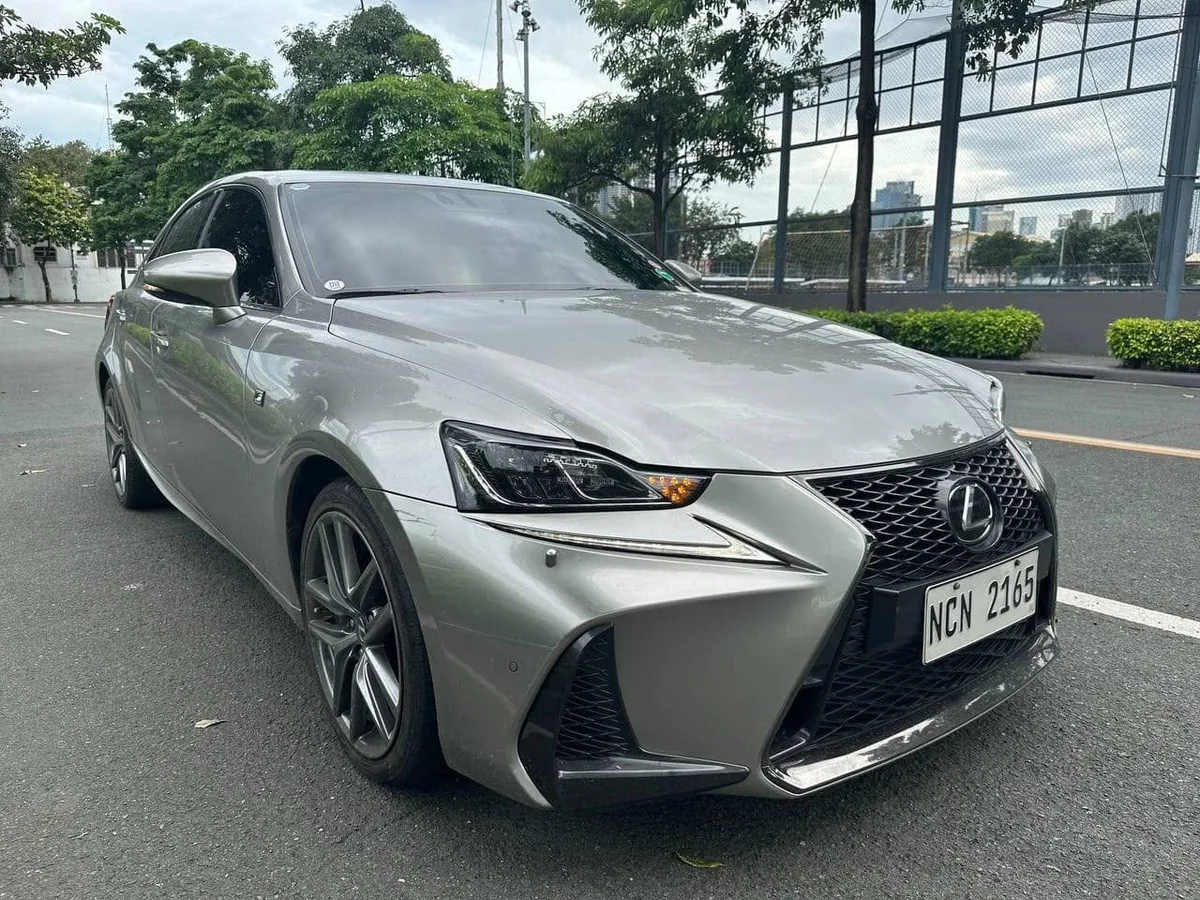
A sedan photographed at its normal parking spot. Send the model, year, current mileage and photos of the current condition.
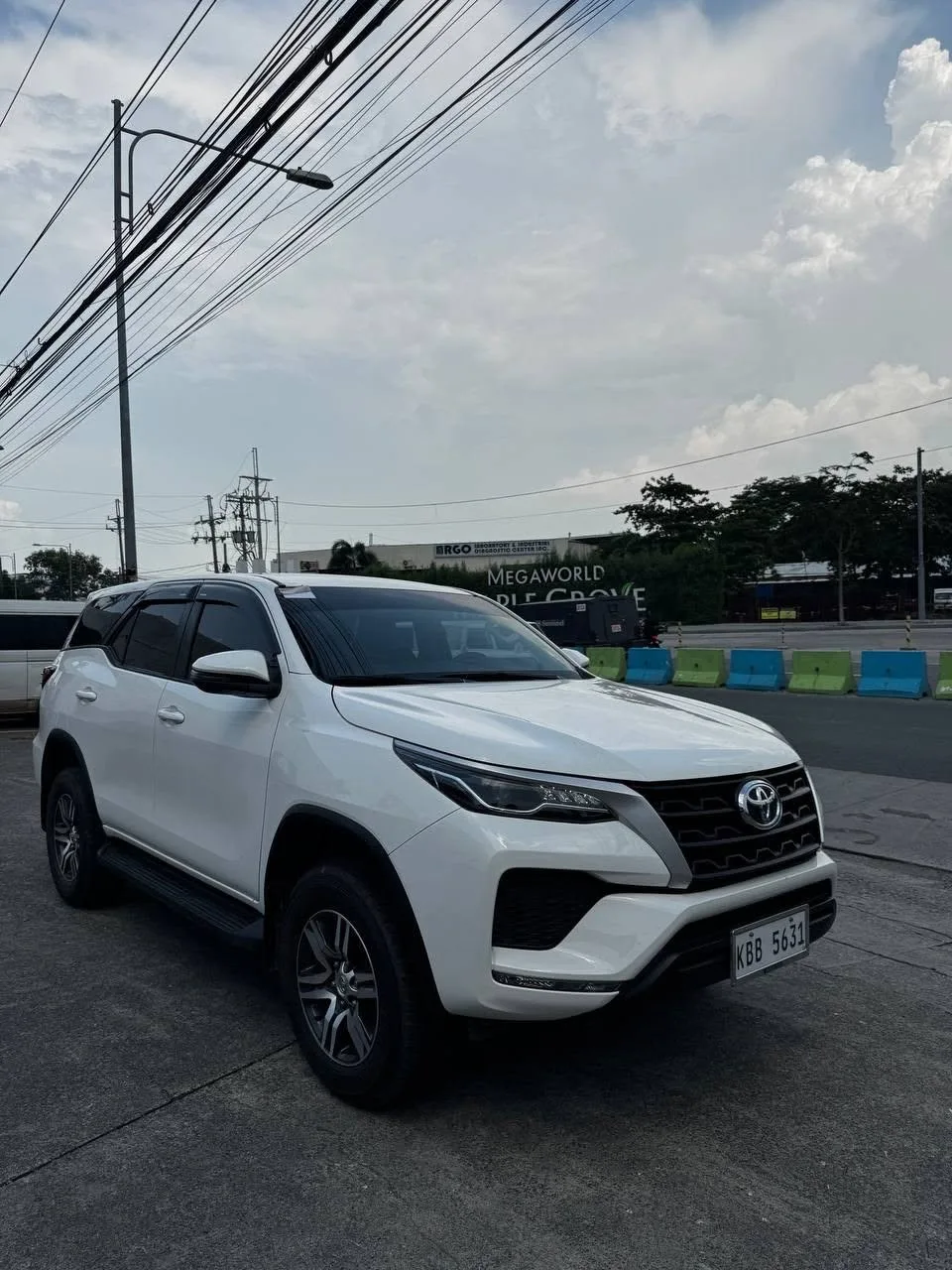
Separate views of passenger rows and the rear floor. Send the model, year, current mileage and photos of the current condition.
Front, rear, bed and fitted-work-equipment views. Send the model, year, current mileage and photos of the current condition.
Exterior, cabin and non-sensitive service summary for a hybrid. Send the model, year, current mileage and photos of the current condition.
A complete overview of a numbered fleet unit without employee information. Send the model, year, current mileage and photos of the current condition.
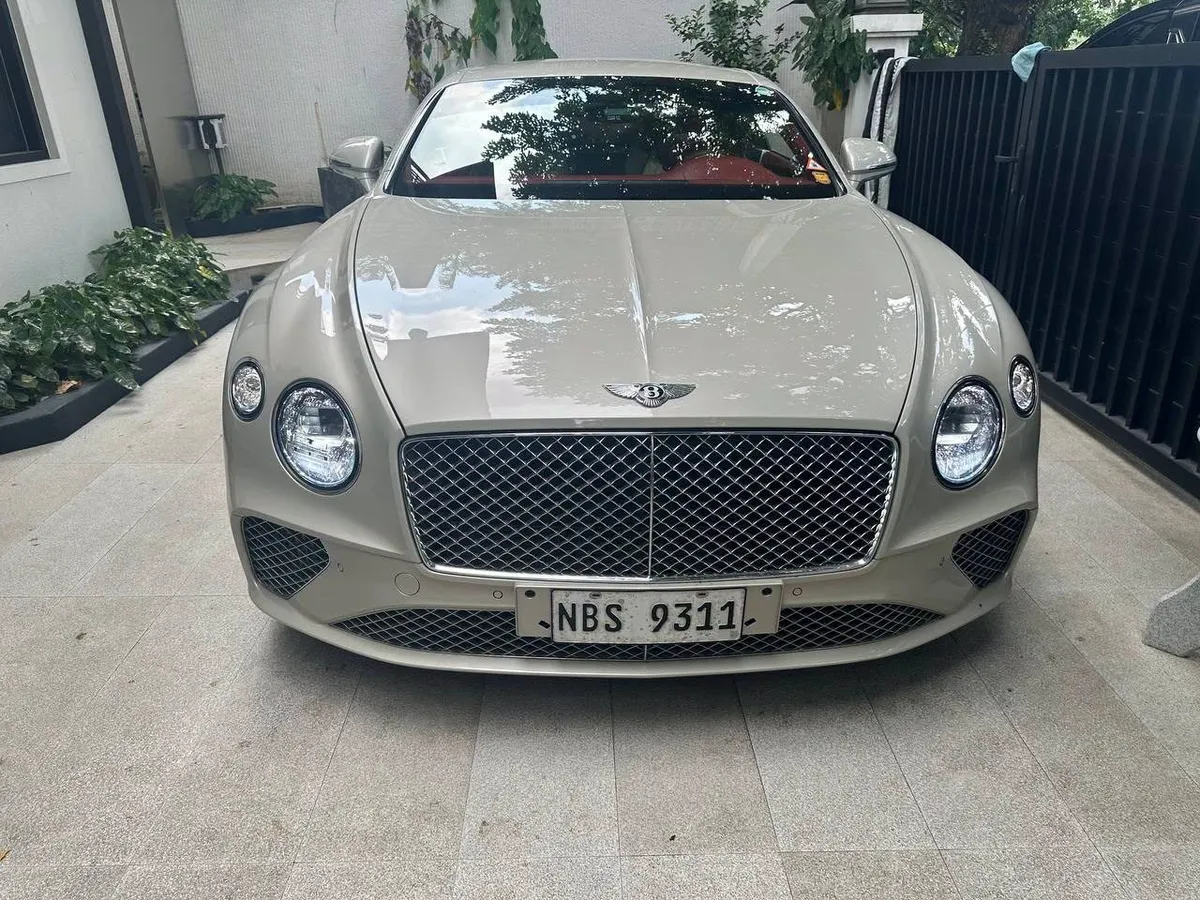
Wide and close pictures of damage on a compact hatch. Send the model, year, current mileage and photos of the current condition.
Sedan wheels changed by a previous owner. Confirm the available original parts before negotiating.
Seven-seater with seat hardware that needs verification. Confirm the available original parts before negotiating.
A pickup with a non-original bed cover and tool storage. Confirm the available original parts before negotiating.
Hybrid accessories whose installation date appears on an invoice. Confirm the available original parts before negotiating.
A company car returned to its usual configuration after equipment removal. Confirm the available original parts before negotiating.
A compact car advertised with optional equipment elsewhere. Confirm the available original parts before negotiating.
Family car handed over after the final household trip. Keep the payment and handover terms in the same written agreement.
A seven-seater leaving its condo after an agreed release window. Keep the payment and handover terms in the same written agreement.
A pickup collected from a site requiring driver details. Keep the payment and handover terms in the same written agreement.
Match the registered owner, buyer and vehicle identifiers against the supporting documents before anyone signs.
Write each gross offer beside every deduction, collection fee and outstanding balance.
Work backwards from the last day you can attend the signing.
Tell the appraiser whether the vehicle can be inspected in its bay, taken outside or visited only during building hours.
Prepare two document folders and two price expectations.
Send the exact variant, year, odometer and location first.
Ask the lender which release papers have been issued and when the originals can be collected.
List the net trade-in amount, the standalone sale amount and the cost of transport while waiting for the replacement.
Ask who holds the keys, who can approve a price change and how the commission is calculated.
Photograph the full side and repair area in even light.
Explain who owns the vehicle and who can present it for inspection.
Find comparable vehicles with the same year, variant, transmission and approximate mileage.
Write a keep-or-include list for the canopy, liner, rack and spare wheels.
Agree who owns the device and who will remove it.
Take one complete wheel photo and one close-up of each affected rim, with enough light to show the tyre edge.
Gather the repair scope, invoices and insurer correspondence you can appropriately share.
Tell the buyer which working keys will physically change hands.
For a preliminary estimate, send vehicle details, general location and condition photos.
Find the battery contract and the current vehicle registration before advertising a battery-inclusive price.
Give the old vehicle and replacement their own price lines.
Ask which findings could change the initial offer and whether the buyer will show photographs or a written assessment.
Set aside the engine purchase and workshop records.
Request a service summary for the specific unit.
Check where footage is stored, whether the camera belongs to you and whether the new owner expects the hardware.
Ask for the valuation date, outstanding conditions and the last date the quoted price applies.
Record the vehicle, agreed amount, payment reference and actual handover time.
Record the date first seen, the latest asking price and whether the seller can confirm the vehicle is still on offer.
Photograph both sets, list missing components and ask for a valuation with each configuration.
Agree a collection window, the identity of the authorised collector and the exact items to be handed over.

Provide one row per vehicle with year, trim, mileage, location, known repairs and available papers.
Dùng hướng dẫn LTO cho đúng loại giao dịch và ghi ngày cấp, nguồn cấp và hạn còn hiệu lực cho từng giấy tờ.

Xác định bạn đang xin loại giấy phép nào, hỏi trường ngày có thể hoàn tất khóa học, rồi xác nhận với LTO yêu cầu và thời điểm tiếp nhận áp dụng cho hồ sơ của bạn.
Tách lịch tư vấn ban đầu khỏi lịch tiếp nhận hồ sơ chính thức.

Yêu cầu trường chỉ đúng chứng nhận lý thuyết áp dụng. Xác nhận tên khóa và thủ tục sẽ nộp.

Xác minh tên khóa thực hành và trạng thái chứng nhận. Xác nhận tên khóa và thủ tục sẽ nộp.

Hỏi có cần khóa học nào cho đúng giao dịch chuyển đổi hay không. Xác nhận tên khóa và thủ tục sẽ nộp.

So ngày của giấy tờ cư trú và ngày dự kiến xin phép học. Ghi ngày của từng tài liệu và mốc hẹn.

Đối chiếu mốc giấy phép học lái và hồ sơ thực hành. Ghi ngày của từng tài liệu và mốc hẹn.

Kiểm tra ngày cấp và hạn còn trên bằng Việt Nam. Ghi ngày của từng tài liệu và mốc hẹn.

Ghi ngày hết hạn bằng Philippines trước khi chọn lịch. Ghi ngày của từng tài liệu và mốc hẹn.

Ghi mốc thay đổi thông tin và ngày giấy mới có hiệu lực. Ghi ngày của từng tài liệu và mốc hẹn.

Ghi ngày cấp gần nhất còn lưu được. Ghi ngày của từng tài liệu và mốc hẹn.

Rà phiên âm tên trên giấy tờ dùng để xin giấy phép học. Hỏi cách xử lý sai khác nếu có trước khi nộp.

So tên trên chứng nhận đào tạo với hồ sơ xin bằng. Hỏi cách xử lý sai khác nếu có trước khi nộp.

So cách ghi họ tên trên bằng Việt Nam và hộ chiếu. Hỏi cách xử lý sai khác nếu có trước khi nộp.

So thông tin trên bằng cũ với tài liệu gia hạn. Hỏi cách xử lý sai khác nếu có trước khi nộp.

Xác định tên hoặc địa chỉ nào đã thay đổi. Hỏi cách xử lý sai khác nếu có trước khi nộp.

Kiểm tra thông tin cũ nếu giấy phép bị mất. Hỏi cách xử lý sai khác nếu có trước khi nộp.

Hỏi điểm có nhận hồ sơ giấy phép học lái cho trường hợp của bạn. Kiểm tra đúng điểm, đúng giao dịch và lịch.

Xác minh điểm đúng cho hồ sơ bằng không chuyên lần đầu. Kiểm tra đúng điểm, đúng giao dịch và lịch.

Xác minh điểm thực hiện chuyển đổi bằng nước ngoài. Kiểm tra đúng điểm, đúng giao dịch và lịch.

Xác minh nơi tiếp nhận gia hạn trong trường hợp của bạn. Kiểm tra đúng điểm, đúng giao dịch và lịch.

Xác minh có quầy xử lý sửa thông tin tại điểm dự định tới. Kiểm tra đúng điểm, đúng giao dịch và lịch.

Xác minh điểm nào xử lý cấp lại khi không có bản bằng đang dùng. Kiểm tra đúng điểm, đúng giao dịch và lịch.

Hỏi bằng chứng của mục cư trú bạn chưa xác minh. Ghi một câu hỏi cụ thể về mục cần bổ sung.

Hỏi cách xử lý nếu chứng nhận thực hành chưa khớp. Ghi một câu hỏi cụ thể về mục cần bổ sung.

Hỏi tài liệu cần xác nhận khi bằng nước ngoài thiếu mục tiếng Anh. Ghi một câu hỏi cụ thể về mục cần bổ sung.

Hỏi giấy tờ cần xử lý trước khi gia hạn. Ghi một câu hỏi cụ thể về mục cần bổ sung.

Hỏi phải dùng tài liệu nào chứng minh thông tin mới. Ghi một câu hỏi cụ thể về mục cần bổ sung.

Hỏi cần khai rõ tình trạng bằng bị mất hay hỏng thế nào. Ghi một câu hỏi cụ thể về mục cần bổ sung.

Dời lịch nếu còn thiếu giấy tờ xin phép học. Chỉ chốt lịch mới sau khi rõ mốc giấy tờ.

Dời nếu trường chưa xác nhận khóa thực hành. Chỉ chốt lịch mới sau khi rõ mốc giấy tờ.

Dời để đợi tài liệu của bằng Việt Nam. Chỉ chốt lịch mới sau khi rõ mốc giấy tờ.

Kiểm tra hạn bằng cũ nếu phải dời lịch gia hạn. Chỉ chốt lịch mới sau khi rõ mốc giấy tờ.

Đổi lịch nếu giấy tờ chứng minh thay đổi về muộn. Chỉ chốt lịch mới sau khi rõ mốc giấy tờ.

Hỏi đổi hẹn cấp lại sau khi xác định nơi tiếp nhận. Chỉ chốt lịch mới sau khi rõ mốc giấy tờ.

Tách phí đào tạo lý thuyết và khoản của cơ quan. Yêu cầu báo giá tách khoản và nêu người thu.

Tách chi phí thực hành và khoản xin cấp bằng. Yêu cầu báo giá tách khoản và nêu người thu.

Hỏi riêng phần có liên quan đến bằng nước ngoài và dịch thuật nếu cần. Yêu cầu báo giá tách khoản và nêu người thu.

Xác minh lệ phí gia hạn hiện hành cho trường hợp của bạn. Yêu cầu báo giá tách khoản và nêu người thu.

Hỏi phí đổi thông tin và khoản dịch vụ hỗ trợ riêng. Yêu cầu báo giá tách khoản và nêu người thu.

Xác minh phí cấp lại và phần không do LTO thu. Yêu cầu báo giá tách khoản và nêu người thu.
Xác nhận tình trạng hoàn thành lý thuyết với nơi học. Xác minh trước khi dành một buổi đi nộp.

Đối chiếu thông tin khóa thực hành trước ngày hẹn. Xác minh trước khi dành một buổi đi nộp.

Chỉ hỏi tình trạng khóa nếu LTO xác nhận cần áp dụng. Xác minh trước khi dành một buổi đi nộp.

Hỏi đúng chứng từ được yêu cầu khi gia hạn. Xác minh trước khi dành một buổi đi nộp.

Kiểm tra có giấy tờ thay đổi nào liên quan đến hồ sơ đào tạo. Xác minh trước khi dành một buổi đi nộp.

Hỏi bước kế tiếp sau khi nộp hồ sơ giấy phép học. Lưu số tham chiếu và mốc đã xác nhận.

Hỏi tình trạng hồ sơ sau bước đã hoàn thành. Lưu số tham chiếu và mốc đã xác nhận.

Hỏi còn bước xác minh nào với bằng Việt Nam. Lưu số tham chiếu và mốc đã xác nhận.

Hỏi đang chờ xác nhận hay cần bổ sung khi gia hạn. Lưu số tham chiếu và mốc đã xác nhận.

Hỏi trường thông tin đã được điều chỉnh ở bước nào. Lưu số tham chiếu và mốc đã xác nhận.

Dùng mã tham chiếu để hỏi tình trạng cấp lại. Lưu số tham chiếu và mốc đã xác nhận.

Hỏi giấy nào cần mang bản gốc khi xin phép học. Hỏi theo từng giấy thay vì xin danh sách chung.

Hỏi cách đối chiếu chứng từ thực hành và giấy phép học. Hỏi theo từng giấy thay vì xin danh sách chung.

Xác minh cách xuất trình bằng nước ngoài và tài liệu kèm. Hỏi theo từng giấy thay vì xin danh sách chung.

Kiểm tra cách xuất trình bằng đang dùng khi gia hạn. Hỏi theo từng giấy thay vì xin danh sách chung.

Hỏi giấy nào chứng minh tên hoặc địa chỉ trước và sau. Hỏi theo từng giấy thay vì xin danh sách chung.

Hỏi lựa chọn tài liệu xác minh khi không còn bản bằng. Hỏi theo từng giấy thay vì xin danh sách chung.
Đối chiếu khu vực mới trước khi nộp giấy phép học. Chuẩn bị mốc chuyển khu vực và số tham chiếu.

Hỏi chuyển nơi xét nếu đã làm một phần thủ tục. Chuẩn bị mốc chuyển khu vực và số tham chiếu.

Hỏi nơi có quyền xử lý chuyển đổi sau khi đổi chỗ ở. Chuẩn bị mốc chuyển khu vực và số tham chiếu.

Xác minh điểm gia hạn gần chỗ ở mới. Chuẩn bị mốc chuyển khu vực và số tham chiếu.

Hỏi cập nhật địa chỉ trong trường hợp đang chuyển khu vực. Chuẩn bị mốc chuyển khu vực và số tham chiếu.

Hỏi điểm cấp lại sau khi rời khu vực lần cấp trước. Chuẩn bị mốc chuyển khu vực và số tham chiếu.

Hỏi cách viết tên mới trong hồ sơ xin phép học trước khi đăng ký. Hỏi quy trình theo loại thay đổi, không gửi giấy tờ qua bình luận.

Hỏi cách xử lý nếu chứng từ học mang tên cũ. Hỏi quy trình theo loại thay đổi, không gửi giấy tờ qua bình luận.

Xác định tài liệu liên kết tên trên bằng Việt Nam và hộ chiếu. Hỏi quy trình theo loại thay đổi, không gửi giấy tờ qua bình luận.

Xác minh có thể cập nhật thông tin khi làm thủ tục gia hạn không. Hỏi quy trình theo loại thay đổi, không gửi giấy tờ qua bình luận.

Hỏi cách đối chiếu tài liệu trước và sau thay đổi tên. Hỏi quy trình theo loại thay đổi, không gửi giấy tờ qua bình luận.

Hỏi khai tên nào nếu đang cấp lại bằng mang tên cũ. Hỏi quy trình theo loại thay đổi, không gửi giấy tờ qua bình luận.
Xác nhận mục còn thiếu trong giao dịch xin phép học. Hỏi có cần hẹn lại và mang giấy nào theo lần sau.

Hỏi nơi trở lại sau khi bổ sung chứng nhận thực hành. Hỏi có cần hẹn lại và mang giấy nào theo lần sau.

Xác nhận tài liệu bổ sung theo yêu cầu chuyển đổi. Hỏi có cần hẹn lại và mang giấy nào theo lần sau.

Kiểm tra lịch trở lại nếu hồ sơ gia hạn bị yêu cầu bổ sung. Hỏi có cần hẹn lại và mang giấy nào theo lần sau.

Ba đầu mối · Đơn vị đào tạo / Cơ quan quyết định

Giấy tờ đang chờ · Tình trạng hiện tại / Ngày dự kiến

Đổi hộ chiếu · Lịch đổi giấy / Lịch nộp hồ sơ
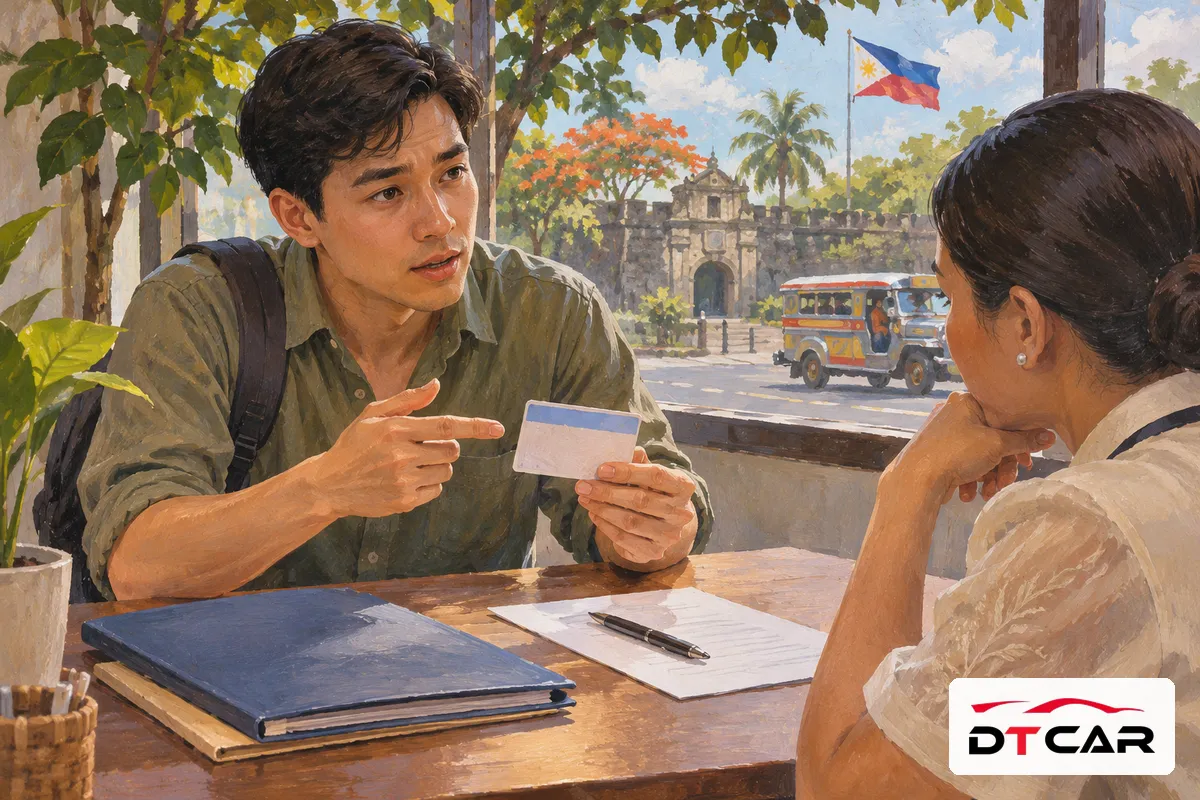
Bằng đã hết hạn · Nơi cấp / Giao dịch mong muốn

Đổi họ · Tên trên bằng / Tên trên giấy tờ mới
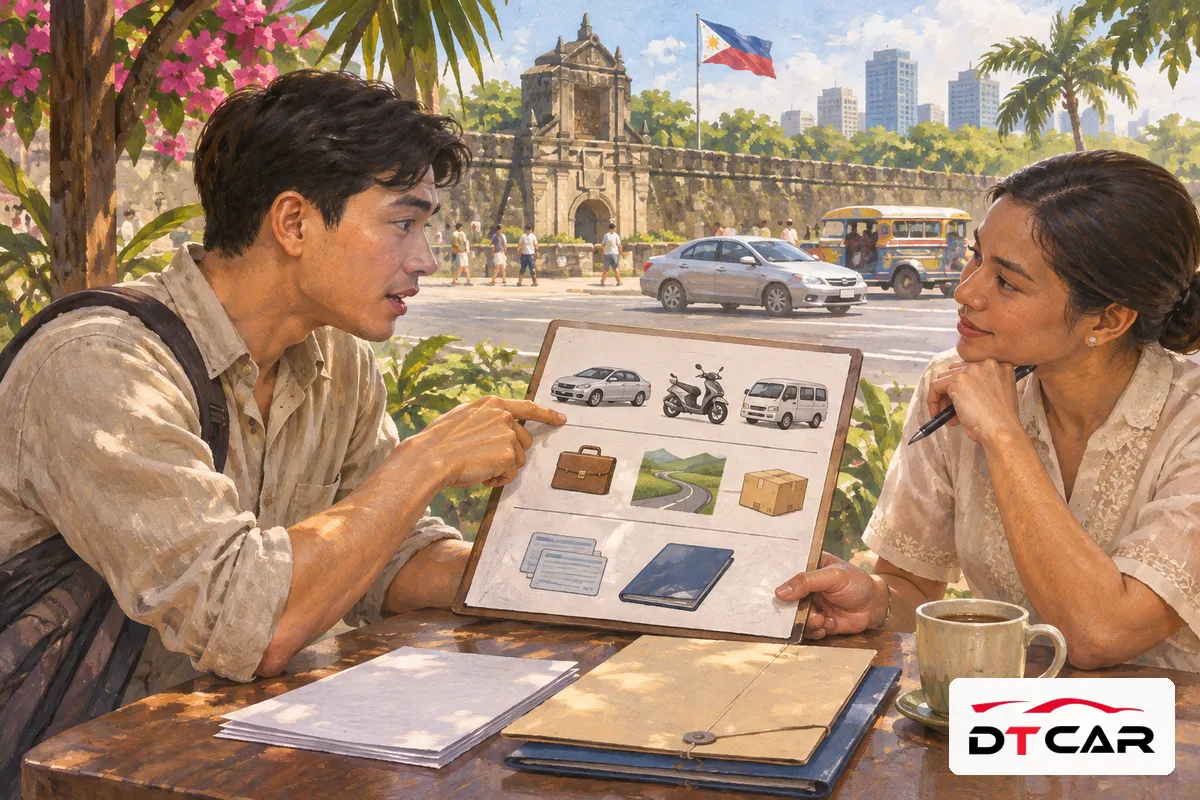
Loại xe dự kiến · Xe muốn lái / Tình trạng bằng

Đổi địa điểm · Lịch đã đặt / Nơi muốn chuyển
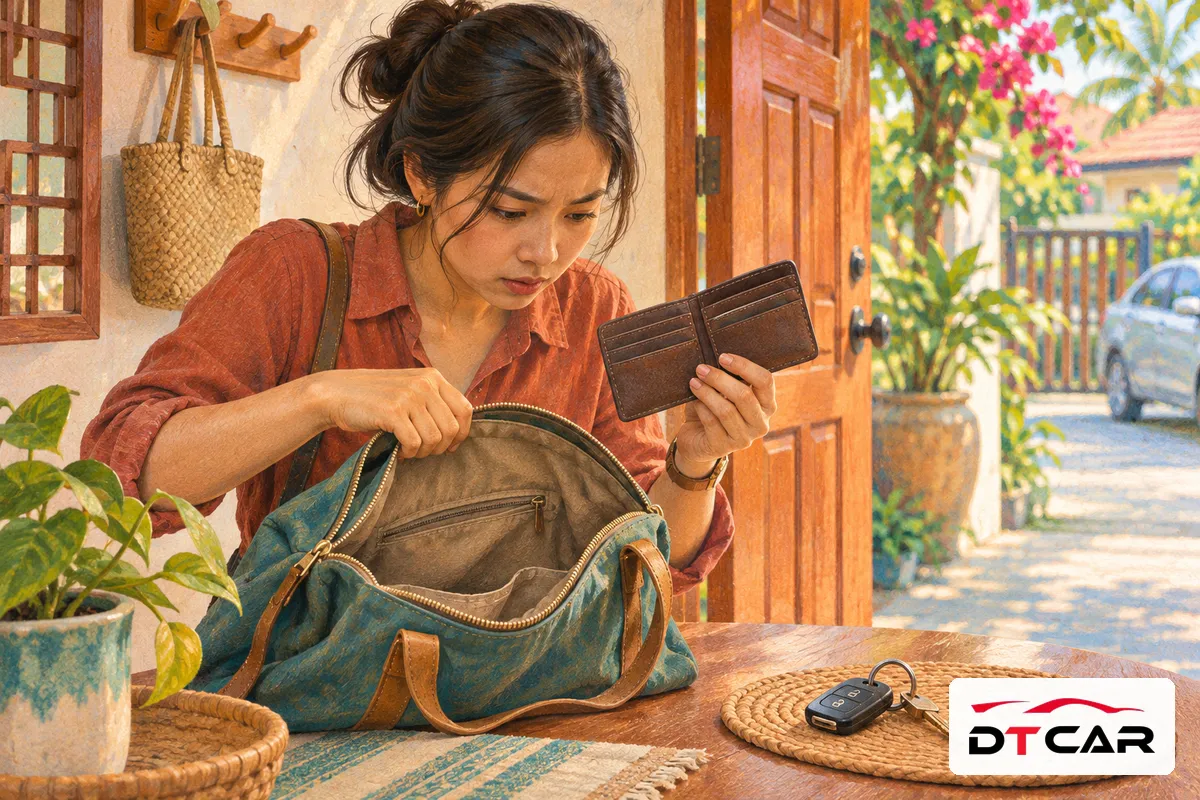
Giấy tờ thất lạc · Nơi cấp / Loại giấy mất

Chuyển sang thực hành · Chứng nhận đã có / Khoá định học

Lịch vắng mặt · Ngày rời Philippines / Ngày quay lại

Gửi phần mô tả trước. Xin tên thủ tục chính thức.

Hỏi đúng tên khoá và cơ sở. So hai báo giá theo đầu ra.
Chia thành từng nơi nhận tiền. Kiểm tra khi phải đổi lịch.

Lập danh sách phần đã hoàn thành. Đối chiếu trước khi đăng ký lại.

Mô tả dạng khác biệt. Xin hướng dẫn từ đúng nơi tiếp nhận.
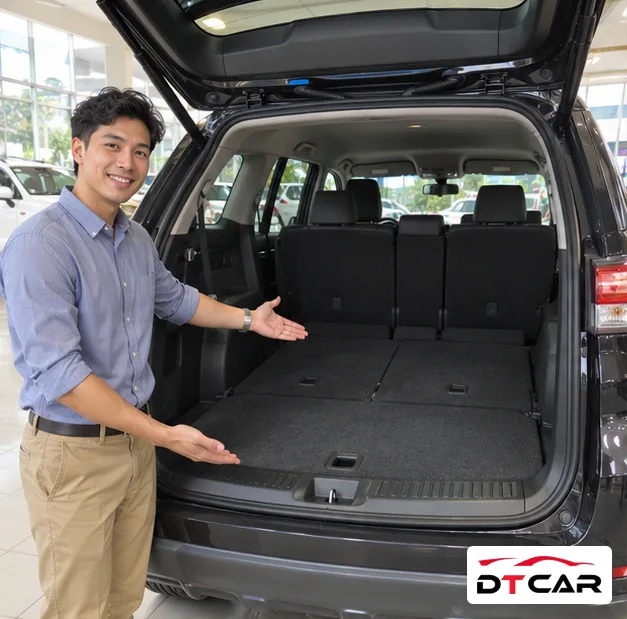
Bring measurements of the equipment you need to stow.
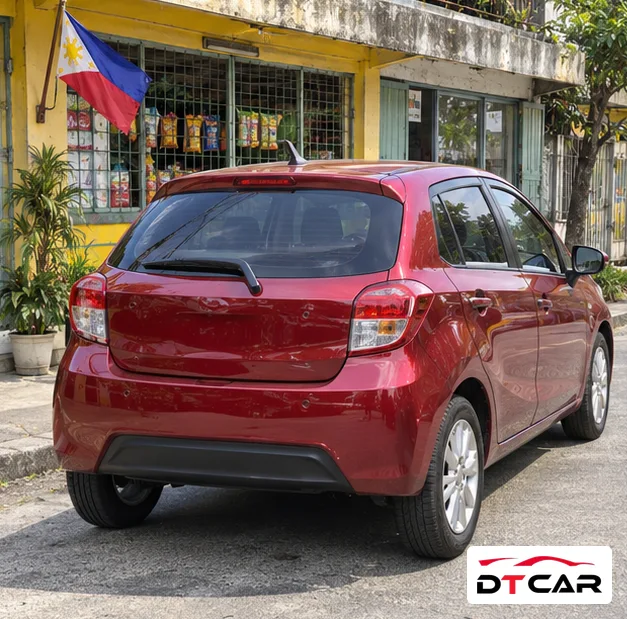
Measure the garage opening at mirror height and compare it with the actual vehicle.
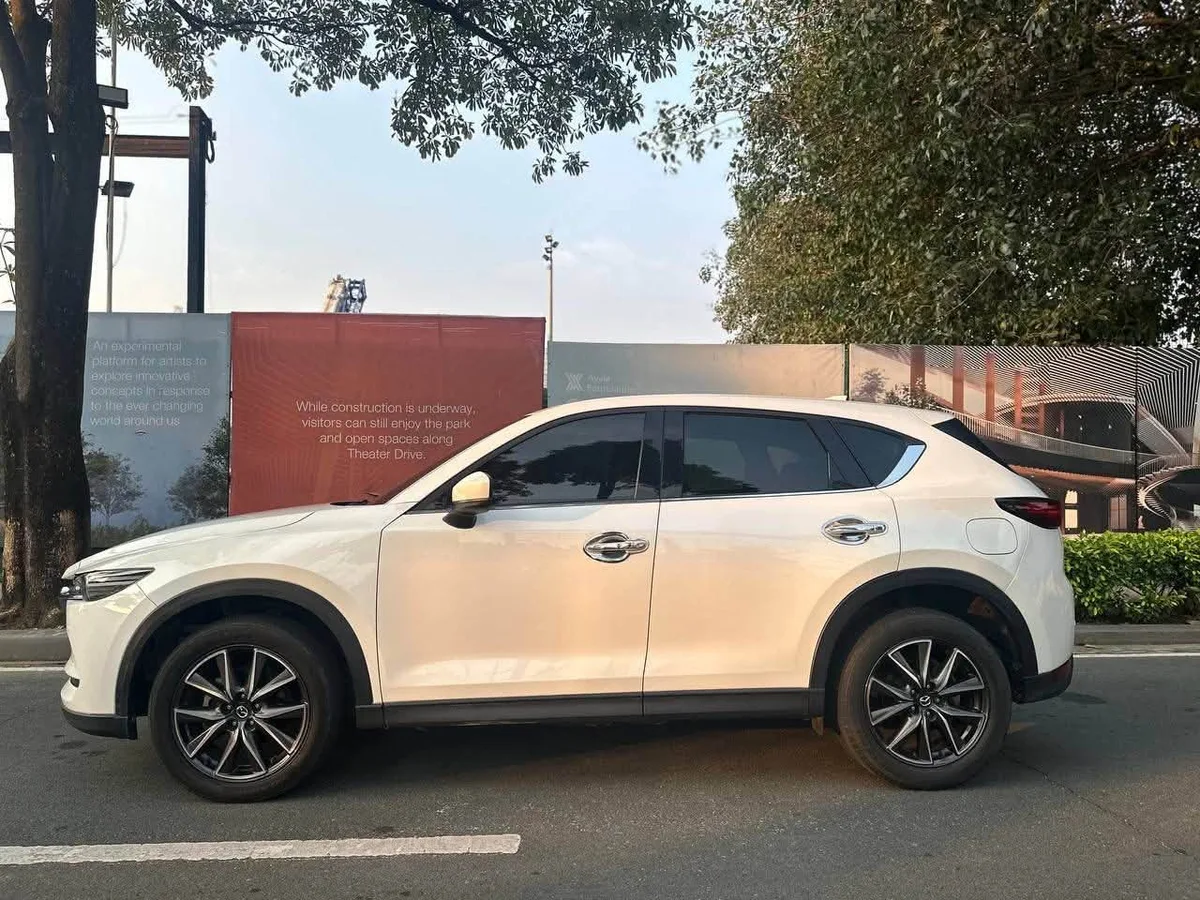
Sit in both cars after adjusting the seat to your normal position, and compare what the driver can actually see at a low-speed turn.
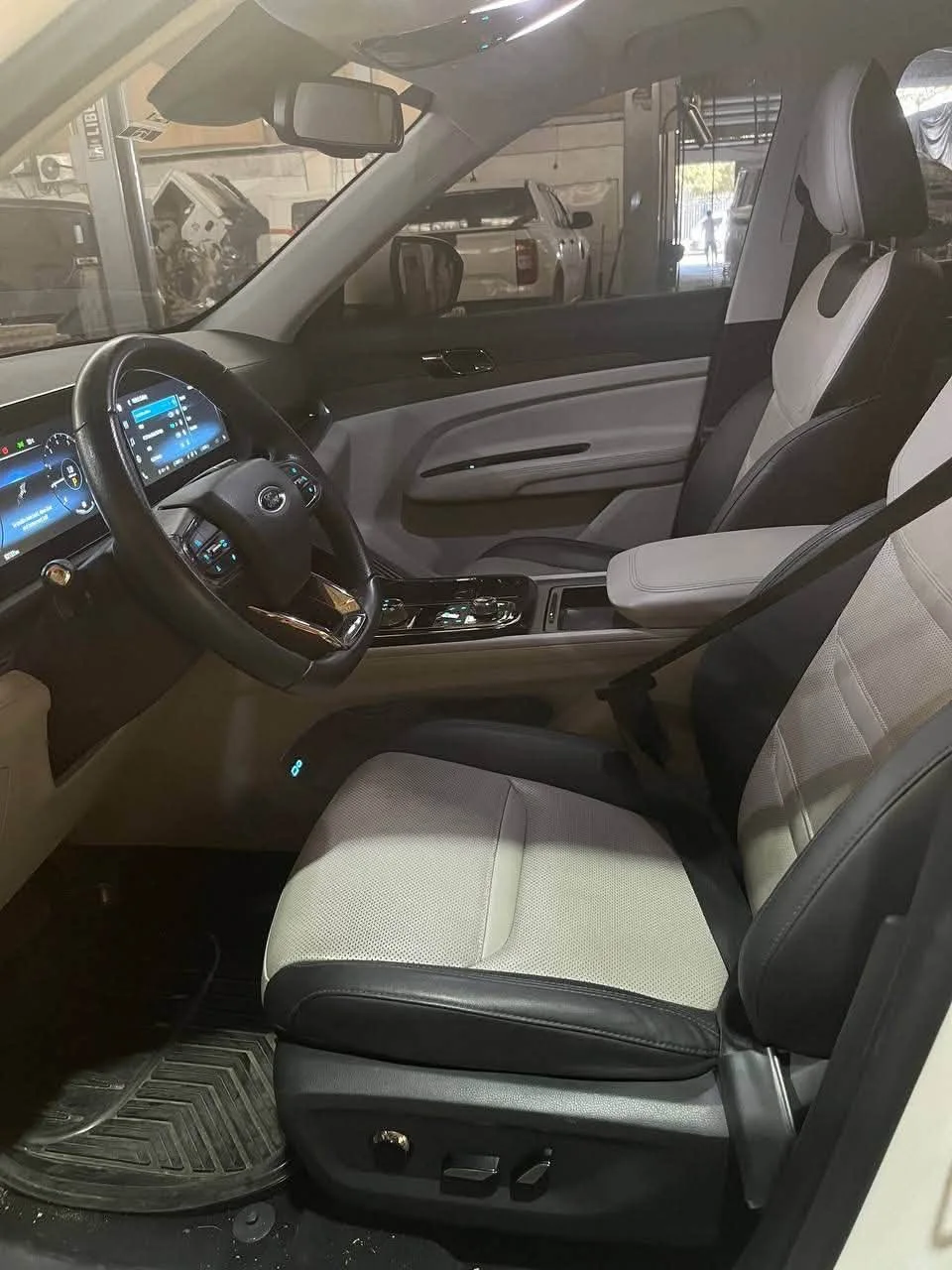
Look at how the driver's seat holds you as you sit, then compare its side bolster with the passenger seat.
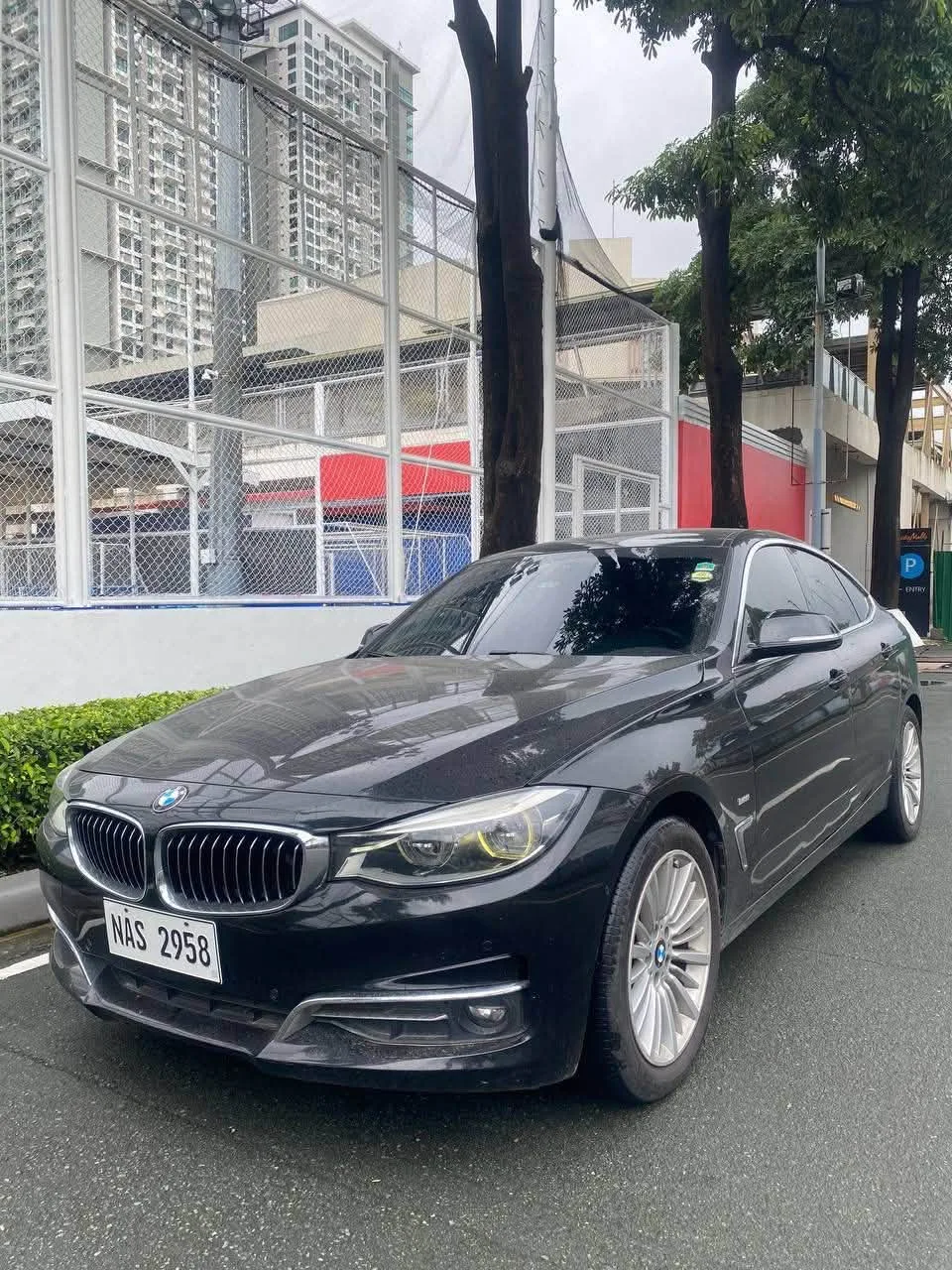
Revisit the same unit in daylight before paying, especially if you could not inspect paint finish, windscreen marks or exterior trim.
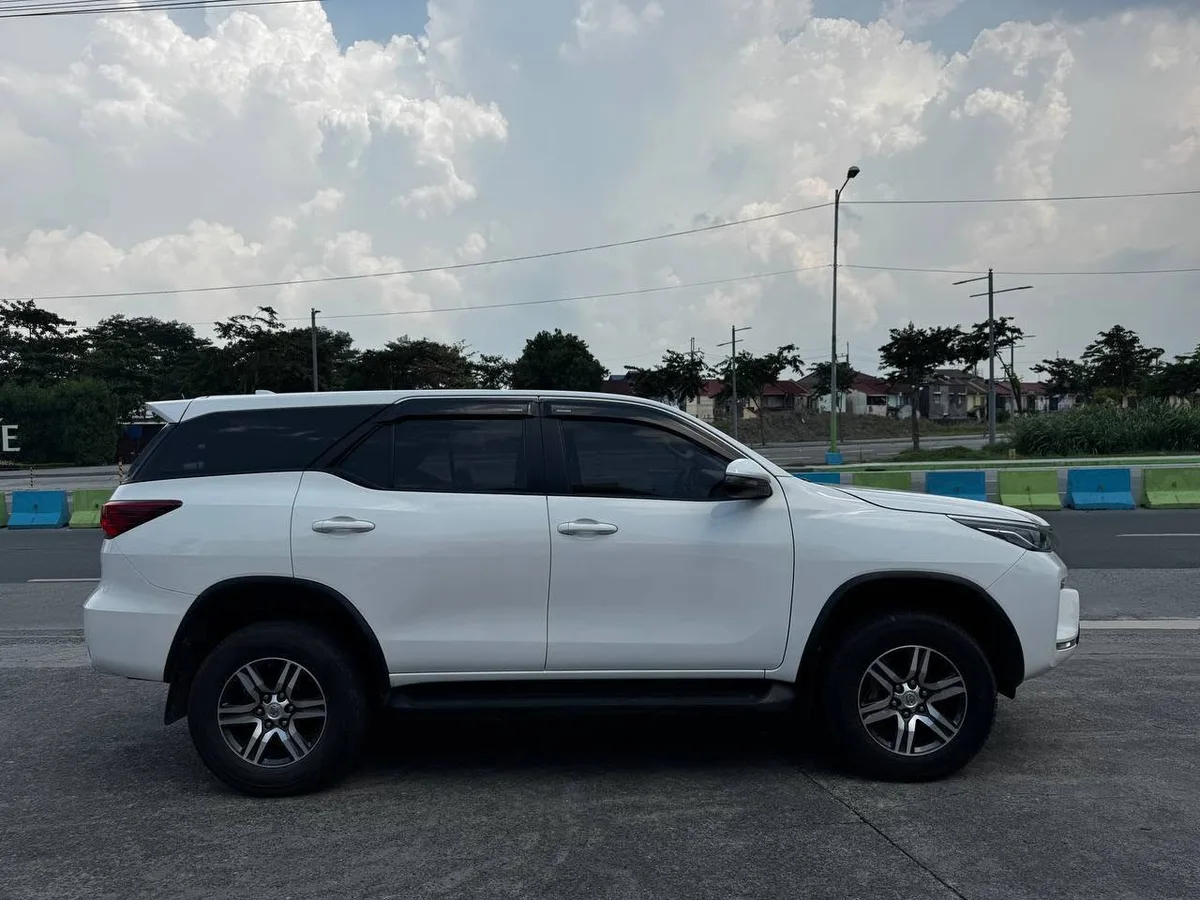
Compare the height from the ground to the boot opening and from the opening down to the floor.
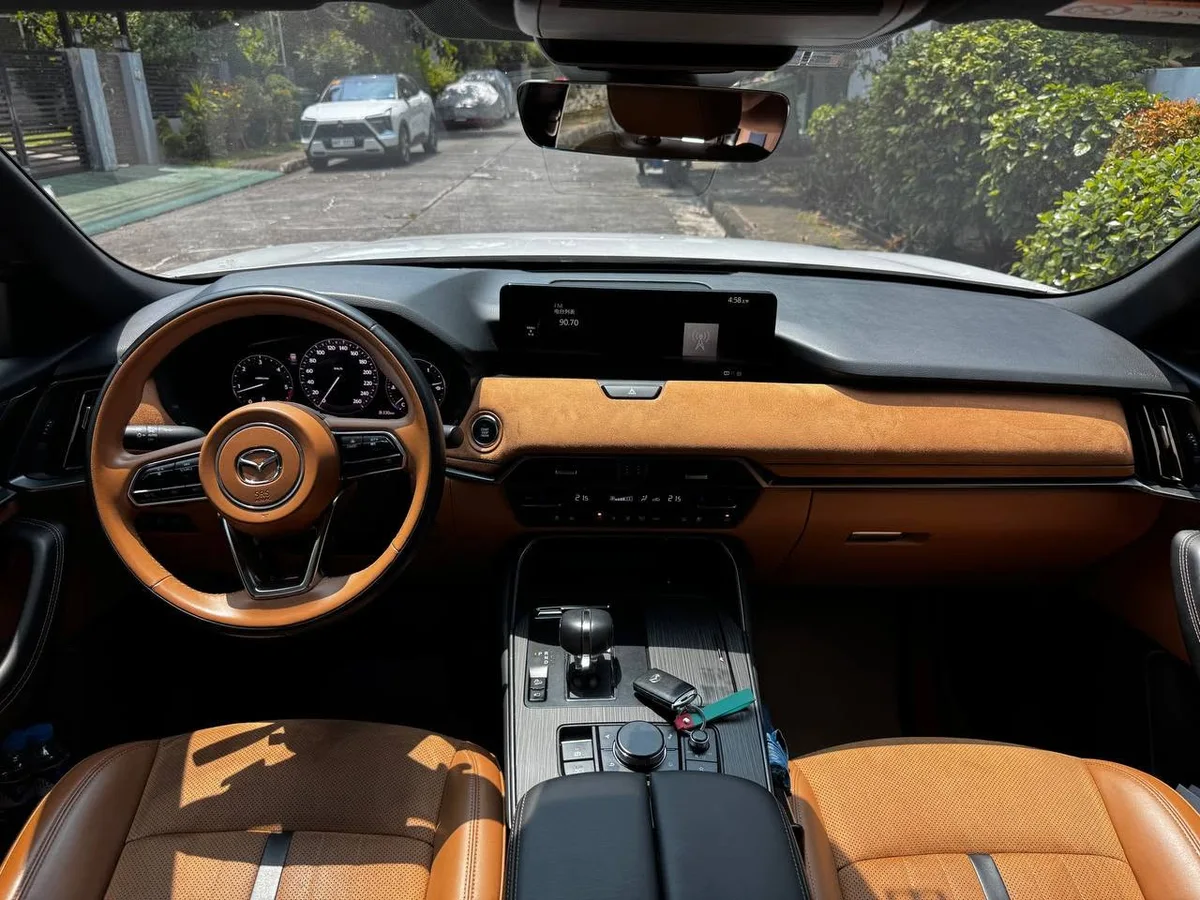
Look at the instruments with the front windows and sun coming from more than one direction.

Ask to sit in the second row while the seller shows how rear ventilation works on the specific used SUV.
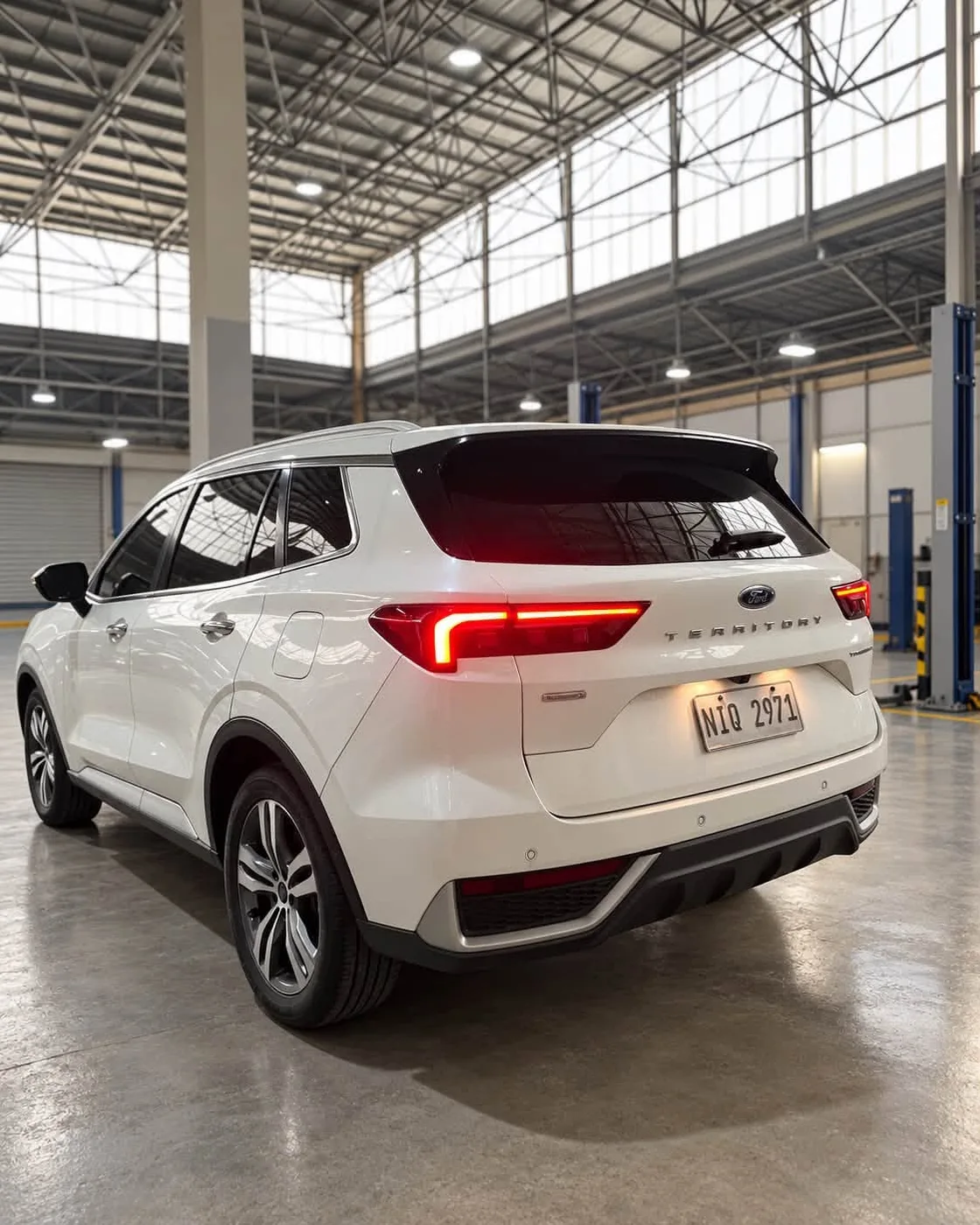
Measure the lowest obstruction behind your parking space and check how the used SUV tailgate opens.
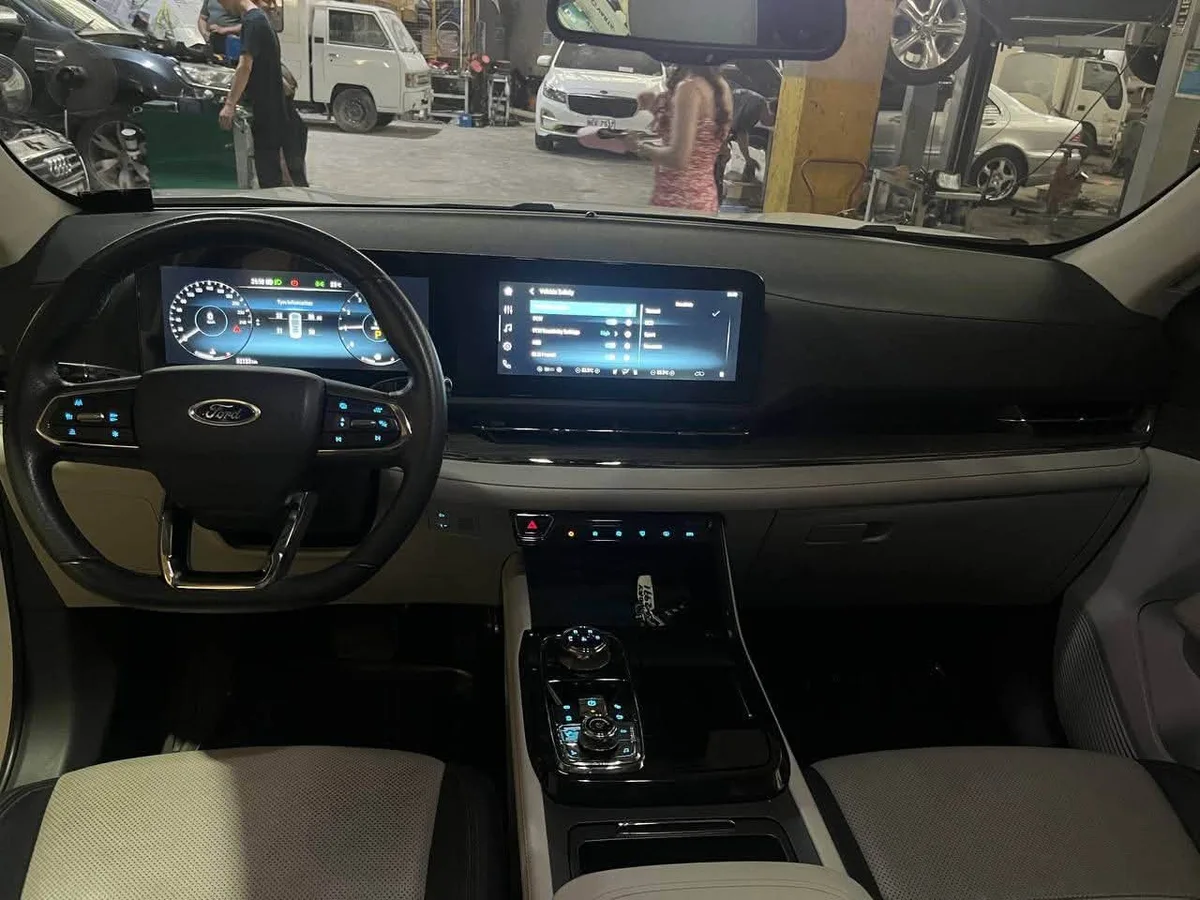
Bring the phone and cable you normally use.
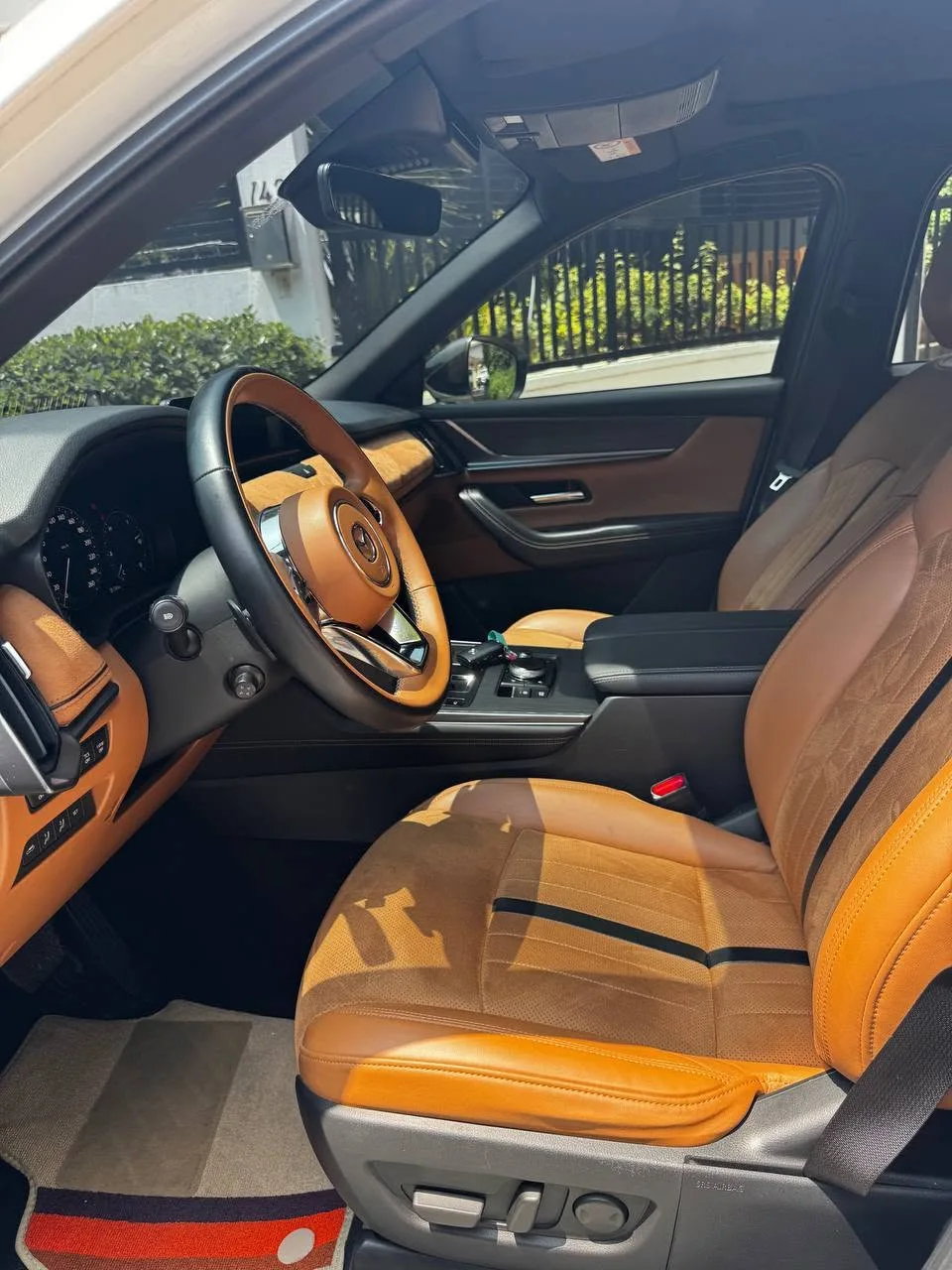
Sit in the driver’s seat and both regular passenger positions, then ask who fitted the replacement upholstery and what they changed.
A short driver parking on a tight street. Have each regular driver repeat the stationary fit check.
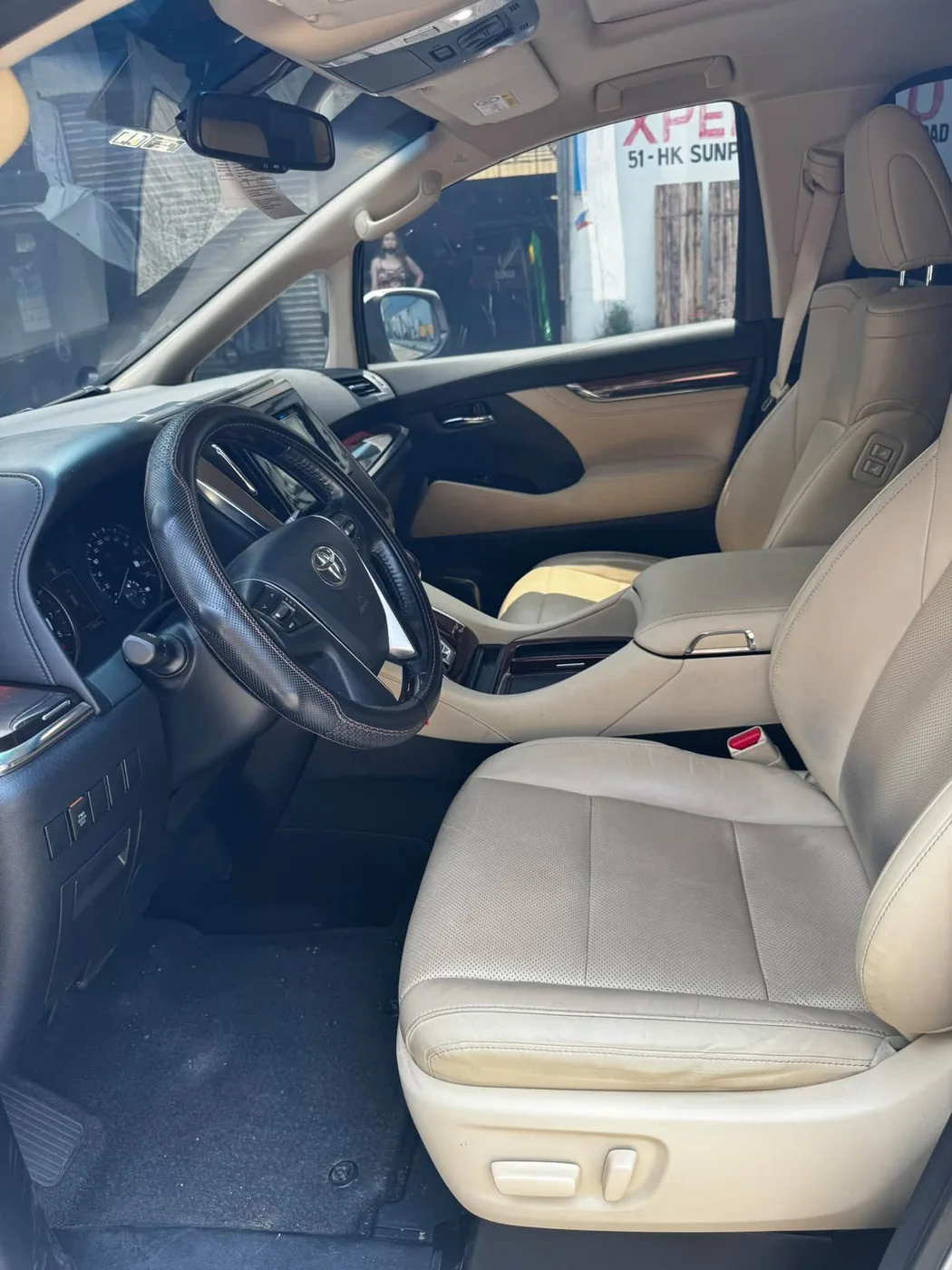
Two adults whose seat settings differ substantially. Have each regular driver repeat the stationary fit check.
A driver checking sight lines with the rear rows occupied. Have each regular driver repeat the stationary fit check.
A driver wearing work shoes behind a large dashboard. Have each regular driver repeat the stationary fit check.
A driver checking display location and steering reach. Have each regular driver repeat the stationary fit check.
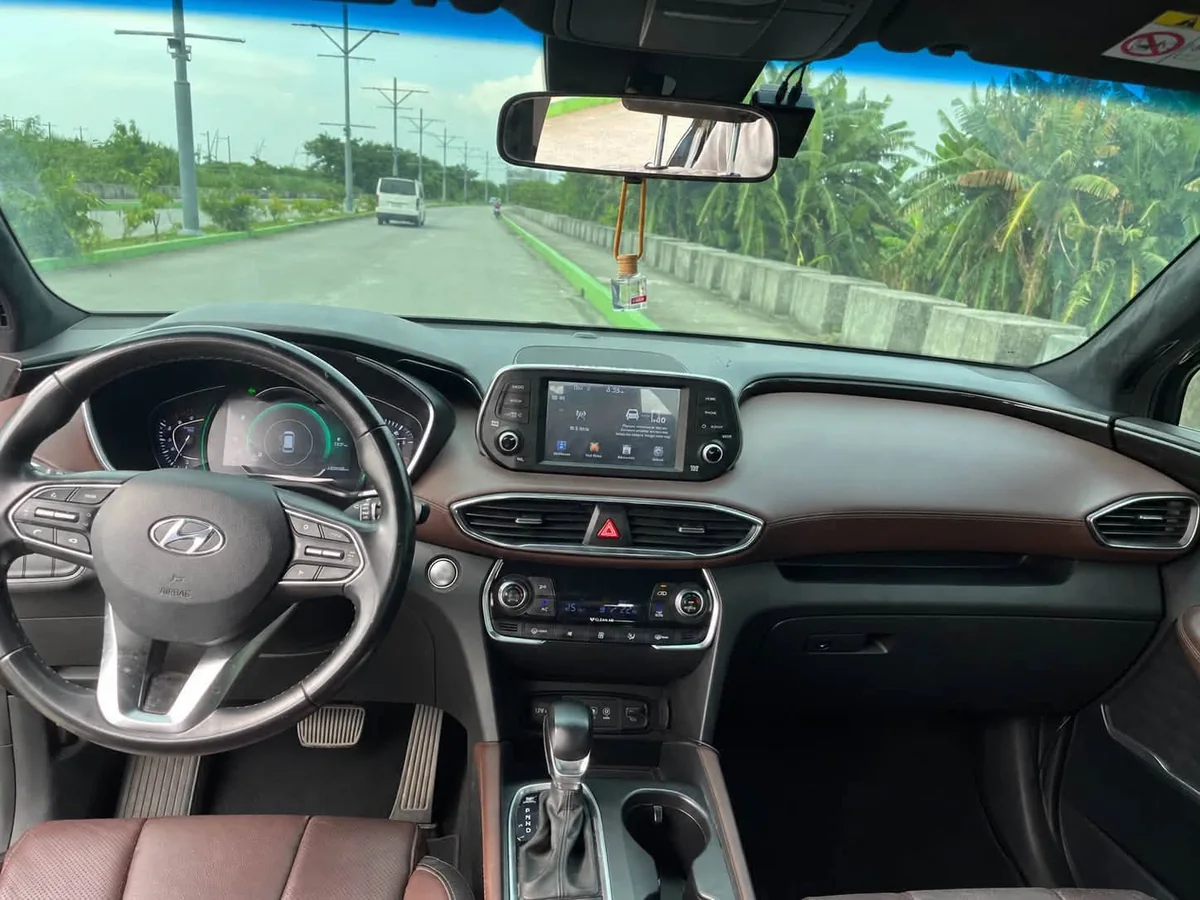
A driver checking whether an upright seating position leaves headroom. Have each regular driver repeat the stationary fit check.
A first appointment before the hatchback is moved out. Request the same start conditions before comparing two cars.
Two sedans viewed at one site before the lot becomes busy. Request the same start conditions before comparing two cars.
A vehicle usually started by the family before breakfast. Request the same start conditions before comparing two cars.
A truck likely to be moved from a yard before inspection. Request the same start conditions before comparing two cars.
A hybrid where starting behaviour needs a model-specific report. Request the same start conditions before comparing two cars.
An SUV left overnight in the same space where you inspect it. Request the same start conditions before comparing two cars.
A first car bought with one shared key. Write down the keys shown and which items are included on handover.
Two drivers needing their own keys. Write down the keys shown and which items are included on handover.
A car that several adult family members may collect. Write down the keys shown and which items are included on handover.
A vehicle where spare keys and fitted locks are separate items. Write down the keys shown and which items are included on handover.
A car whose smart key may be costly to replace. Write down the keys shown and which items are included on handover.
A seller advertising a second key that is not at the viewing. Write down the keys shown and which items are included on handover.
A hatchback with one newer pair on a light-use city route. Add the actual tyre quote to your side-by-side budget.
A sedan used at highway speeds most weekdays. Add the actual tyre quote to your side-by-side budget.
A full family vehicle that will often carry luggage. Add the actual tyre quote to your side-by-side budget.
A truck whose past loads affected which tyres were fitted. Add the actual tyre quote to your side-by-side budget.
A hybrid needing the manual’s exact tyre reference. Add the actual tyre quote to your side-by-side budget.
An SUV fitted with aftermarket-size wheels. Add the actual tyre quote to your side-by-side budget.

A basic checklist from an online hatchback seller. Agree who pays for the inspection and whether the seller permits it.

A dealer’s sedan report completed weeks before the viewing. Agree who pays for the inspection and whether the seller permits it.
A crowded cabin check where the rear seat mechanism needs a separate item. Agree who pays for the inspection and whether the seller permits it.

A work truck requiring an underside inspection. Agree who pays for the inspection and whether the seller permits it.

A hybrid for which the inspection scope should name the electrical system checks. Agree who pays for the inspection and whether the seller permits it.

An SUV where you want a view of the wheel arches and underside. Agree who pays for the inspection and whether the seller permits it.
A compact running over an ordinary city road. Record the road surface, fan setting and speed when the noise occurred.
A sedan listened to with the rear passenger aboard. Record the road surface, fan setting and speed when the noise occurred.
A conversation between first and last rows. Record the road surface, fan setting and speed when the noise occurred.
Noise around the pickup bed or when the cabin is lightly loaded. Record the road surface, fan setting and speed when the noise occurred.
Sound during different hybrid operating modes for the technician to compare. Record the road surface, fan setting and speed when the noise occurred.
A compact SUV compared with another at the same fan setting. Record the road surface, fan setting and speed when the noise occurred.
A rigid tote through a hatch opening in a narrow bay. Compare usable opening dimensions and passenger seats still available.
A large suitcase through a sedan boot aperture. Compare usable opening dimensions and passenger seats still available.
A stroller with all required seats upright. Compare usable opening dimensions and passenger seats still available.
An equipment case cleared under the cover fitted to the bed. Compare usable opening dimensions and passenger seats still available.
The normal commuting luggage with the original storage pieces fitted. Compare usable opening dimensions and passenger seats still available.
A week’s shopping when the rear of the SUV is close to a wall. Compare usable opening dimensions and passenger seats still available.

A hatchback mainly stored on a low residential street. Require an independent report if the history is unclear.
A family sedan with damp carpets after a wash. Require an independent report if the history is unclear.
A people carrier whose rear floor is covered by removable mats. Require an independent report if the history is unclear.
A work truck used at exposed work sites. Require an independent report if the history is unclear.

A hybrid whose electrical checks should be handled by a qualified shop. Require an independent report if the history is unclear.

An SUV that changed hands shortly after being kept outdoors. Require an independent report if the history is unclear.
A first owner enquiry with no seller history known. Resolve identity, seller authority and written handover terms first.
A sedan listed by a member of the owner’s household. Resolve identity, seller authority and written handover terms first.
A seven-seater advertised by someone outside the family that used it. Resolve identity, seller authority and written handover terms first.
A pickup still recorded under a company name. Resolve identity, seller authority and written handover terms first.
A hybrid where the vehicle and component records use different references. Resolve identity, seller authority and written handover terms first.
An SUV advertised from another city but stored in Manila. Resolve identity, seller authority and written handover terms first.

A door edge on a small city car. Ask where the work was done and what evidence the seller can provide.
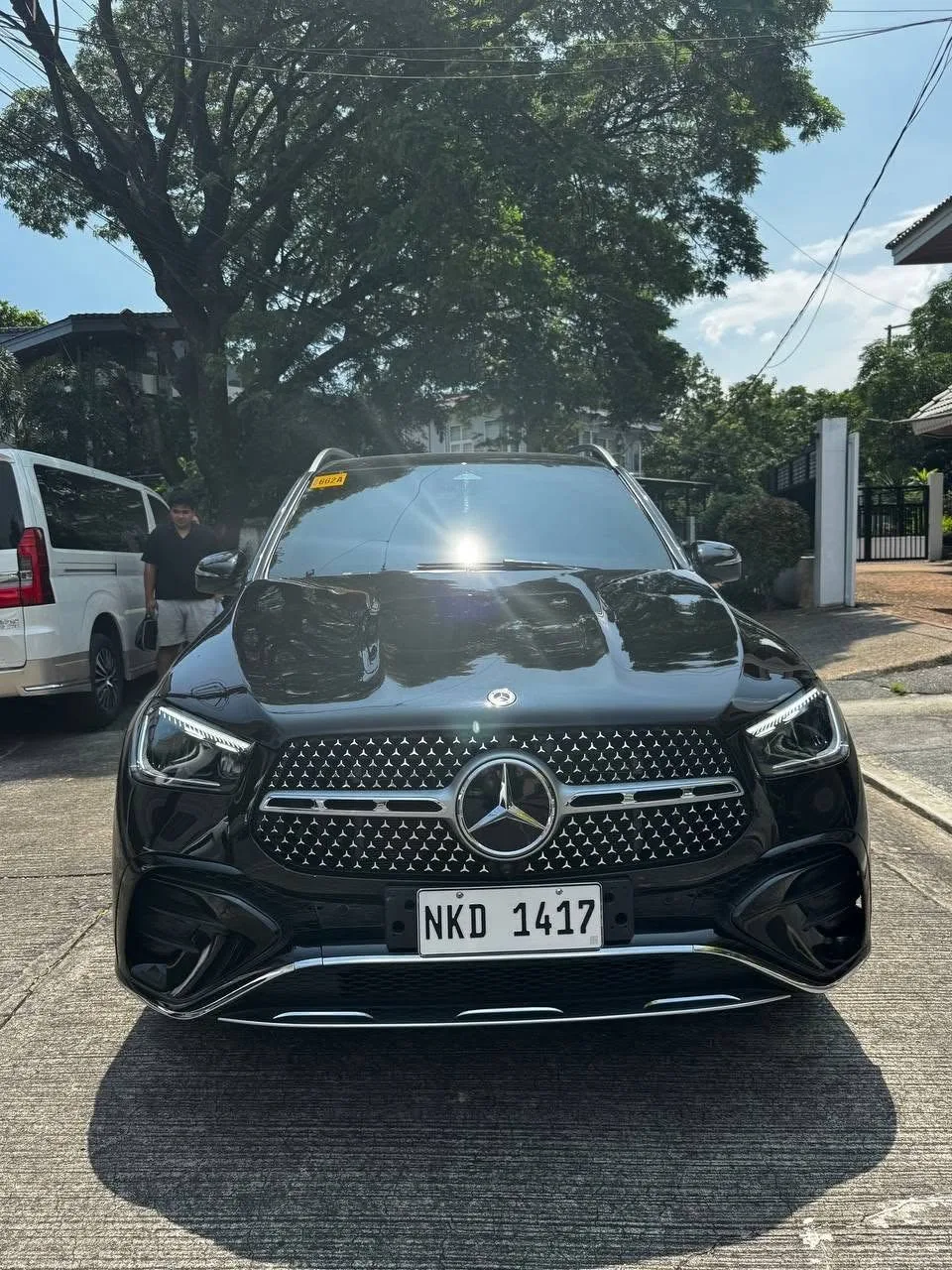
One side of a sedan parked against a wall. Ask where the work was done and what evidence the seller can provide.
A tailgate or rear passenger door with a visibly different finish. Ask where the work was done and what evidence the seller can provide.
Work-truck panels near loading areas. Ask where the work was done and what evidence the seller can provide.
A hybrid bumper repair documented without a clear date. Ask where the work was done and what evidence the seller can provide.
SUV wheel-arch scratches versus an apparent panel colour mismatch. Ask where the work was done and what evidence the seller can provide.
An adult checking the rear view in a hatchback. Ask permission for a stationary comparison with regular passengers.
A passenger testing their normal back-seat position on a sedan. Ask permission for a stationary comparison with regular passengers.
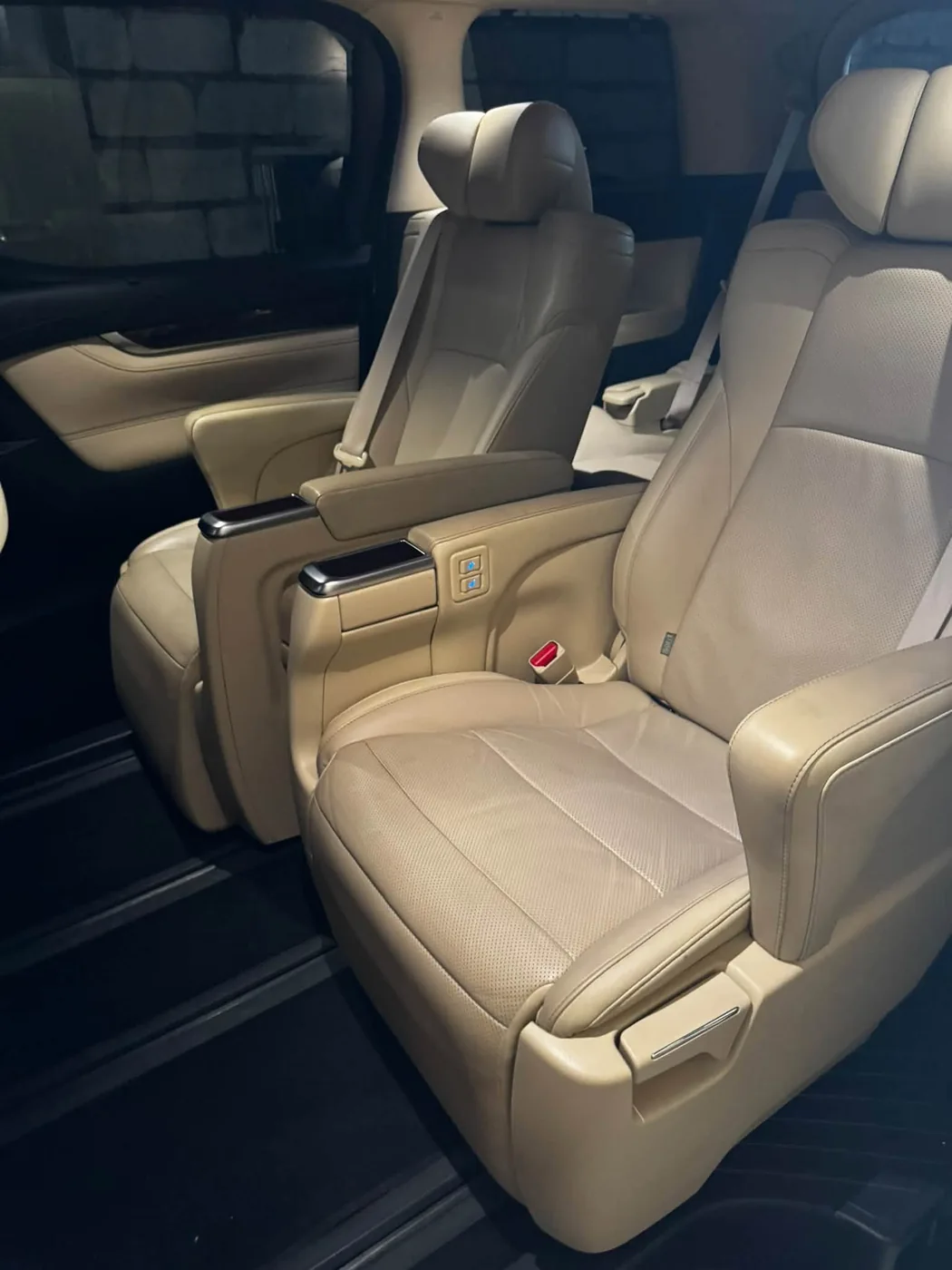
An adult or child normally seated in row three. Ask permission for a stationary comparison with regular passengers.
Rear passengers beside regular cargo in the truck bed. Ask permission for a stationary comparison with regular passengers.
Two rear seats occupied on commuting days. Ask permission for a stationary comparison with regular passengers.
A family choosing between two rear bench layouts. Ask permission for a stationary comparison with regular passengers.
A short bay where simple sight lines are important. List the aids actually fitted, then flag any fault for inspection.
A long sedan with an obstructed rear corner. List the aids actually fitted, then flag any fault for inspection.
A seven-seater that regularly reverses near a passenger entrance. List the aids actually fitted, then flag any fault for inspection.
A pickup whose fitted cover can change the rear view. List the aids actually fitted, then flag any fault for inspection.

A hybrid used in a multi-storey office car park. List the aids actually fitted, then flag any fault for inspection.
A compact SUV reversing into a narrow garage. List the aids actually fitted, then flag any fault for inspection.
A small car needed for short city errands. Request a current itemised quote and keep estimates separate from fixed fees.
A private sedan shared for commuting. Request a current itemised quote and keep estimates separate from fixed fees.
A seven-seater with extra rear-seat use at weekends. Request a current itemised quote and keep estimates separate from fixed fees.
A pickup expected to carry tools and work materials. Request a current itemised quote and keep estimates separate from fixed fees.
A hybrid with one remaining specialist inspection quote. Request a current itemised quote and keep estimates separate from fixed fees.
An SUV that must also fit into paid covered parking. Request a current itemised quote and keep estimates separate from fixed fees.
Build a comparison from three dated Vios listings with the same transmission and trim.
Bring the folded stroller and load it with the third row in use.
Try the actual school seating order.
Ask for the vehicle identification and exact variant before comparing a four-wheel-drive listing with a two-wheel-drive example.
Start the viewing before the engine has warmed up.
Seat the intended passengers before loading bags.
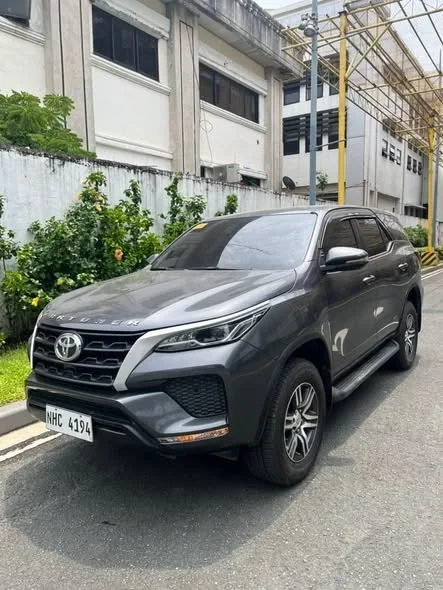
Ask the seller to show the registration details, year and equipment on a video call.
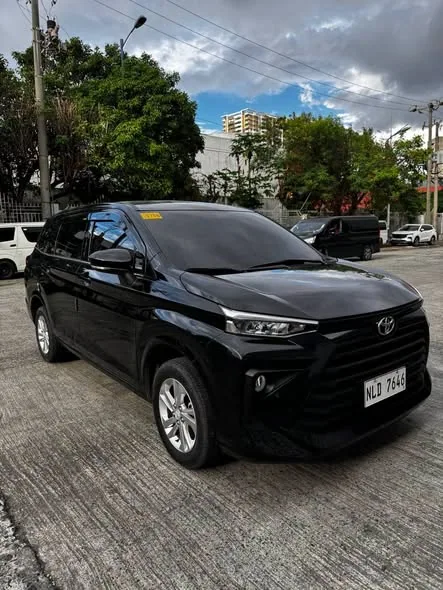
Simulate two stops with different passengers getting out first.
Measure the narrowest point on the turn into the bay.
Separate model year, first registration and the date the seller bought the car.
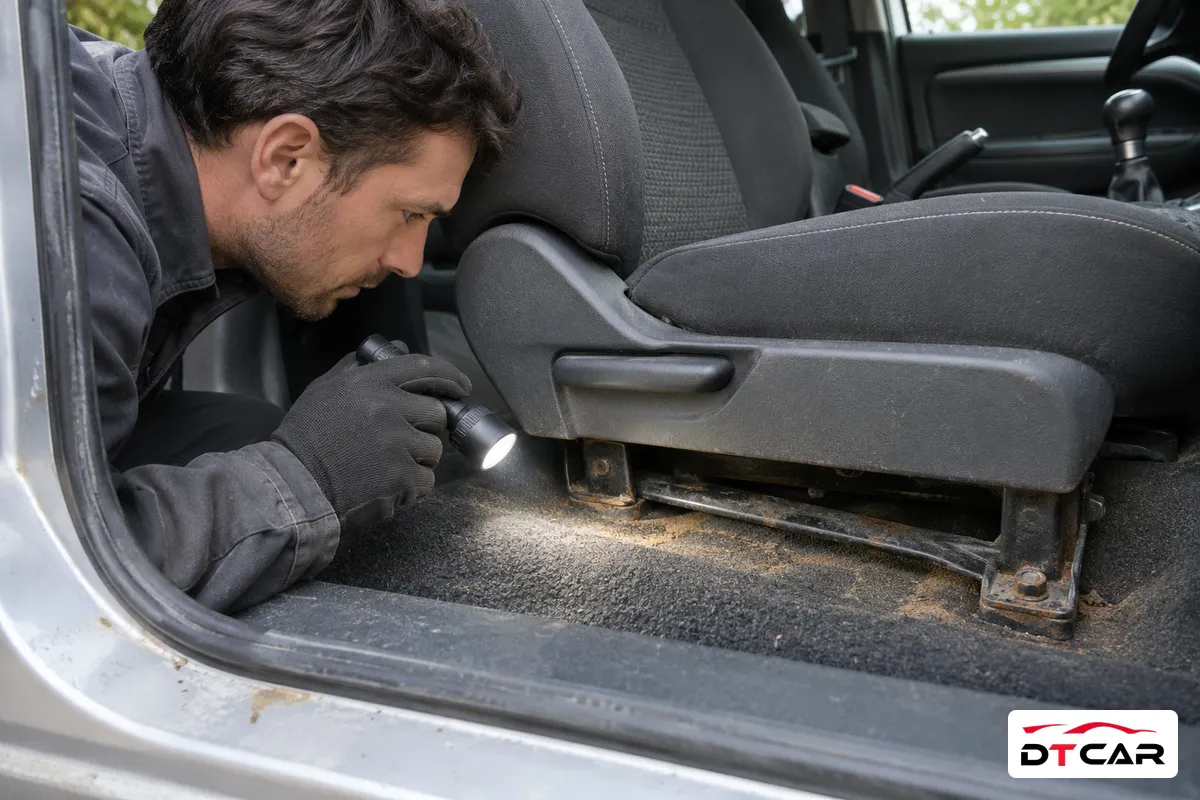
A freshly washed cabin tells you little.
With a total ceiling of ₱300,000, a ₱280,000 example leaves ₱20,000 for inspection, ownership paperwork and immediate maintenance together.
Start with the total amount available on collection day.
Compare a higher-trim older car with a simpler recent model at the same ceiling.
Ask whether the viewing area is well lit and whether the owner can leave the car cold for the inspection.
Request the exact viewing location and confirmation the vehicle can leave its parking slot for inspection.
Group appointments by actual viewing address and ask each seller to reconfirm the unit before departure.
Before booking a flight, request a dated walk-around showing the exact car starting, the odometer and the registration details with personal data covered.
Ask where the car actually sits, where ownership will change hands and who arranges transport after inspection.
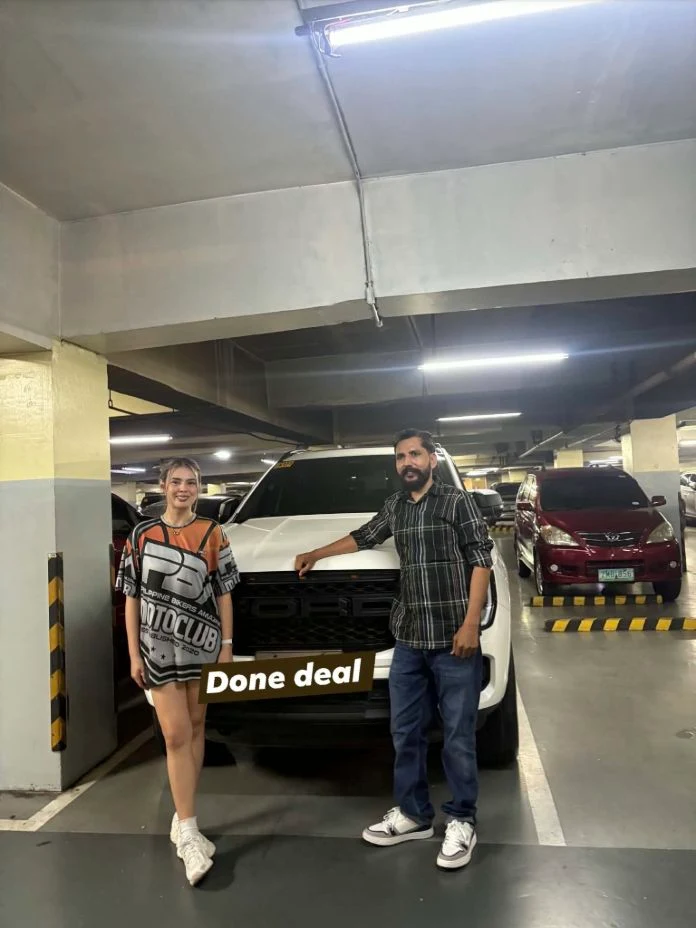
Make a timeline from dated invoices and kilometre readings.
Ask the inspector to identify the type of key, confirm the one supplied starts the car and price a replacement from the correct provider.
Ask for the original parts, the modification invoices and the last alignment report.
Bring the bags normally carried with all seats occupied.
Put inspection, service and ownership dates on one line.

Ask the seller to explain the specific difference in trim, ownership, accident repairs or immediate costs before discussing a deposit.
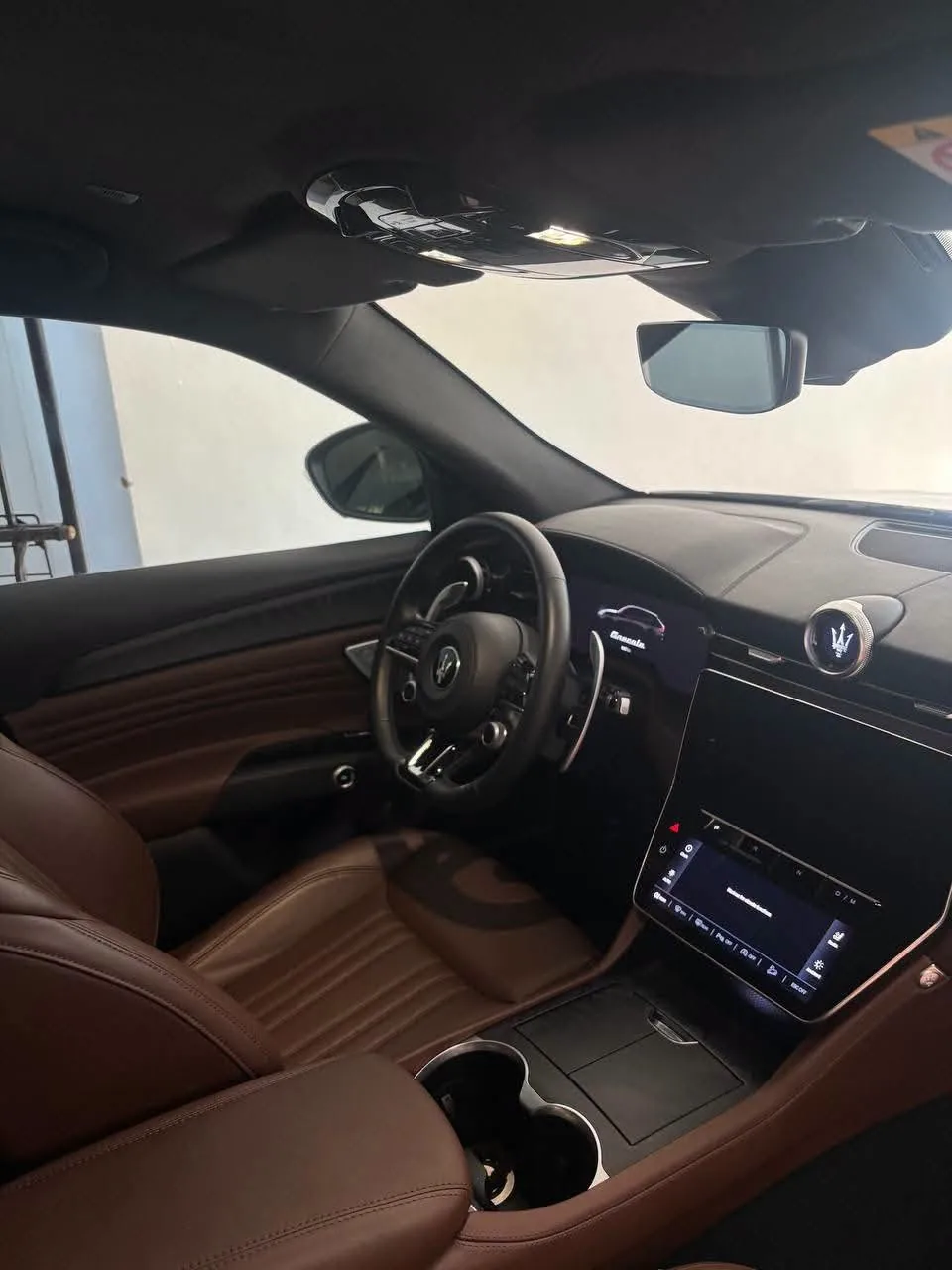
Capture an overall view before each close-up.
Plan a test route that includes creeping traffic and a parking manoeuvre.
Ask the registered owner which lender holds an interest and which release documents are already available.
Confirm who can sign for the registered company and who is authorised to receive payment.
Look through the repaired area from the driver's position in daylight.
Read the tyre markings on all four wheels and compare them with the model's specified sizes.
Ask which panels were repainted and why.
Confirm that a lift and independent road test are allowed before spending money on travel.
For eligible buyers, request the cash price and a separate lender quote including down payment, monthly instalments, term and fees.
Bring the folded chair with its normal attachments.
Ask how the vehicle was used, what mileage records exist and which interior or suspension components have been replaced.
Translate adjectives into observations.
Ask whether the reduced figure changes included accessories, repair commitments or the payment basis.
Find out what was towed, how often and whether the owner kept installation and maintenance records.
Count the headrests and seat belts in the exact vehicle.
Ask for a dated photo series of the exact unit being offered.
Compare the documents and equipment of the actual car with the advert.
Ask the inspector to identify the observed location and whether the source was confirmed.
For each candidate, line up invoice date, odometer and work performed.
Put each car's asking price, inspection findings and likely immediate expenses in the same table.
Ask who currently holds the vehicle, who can authorise inspection and who can complete the sale.
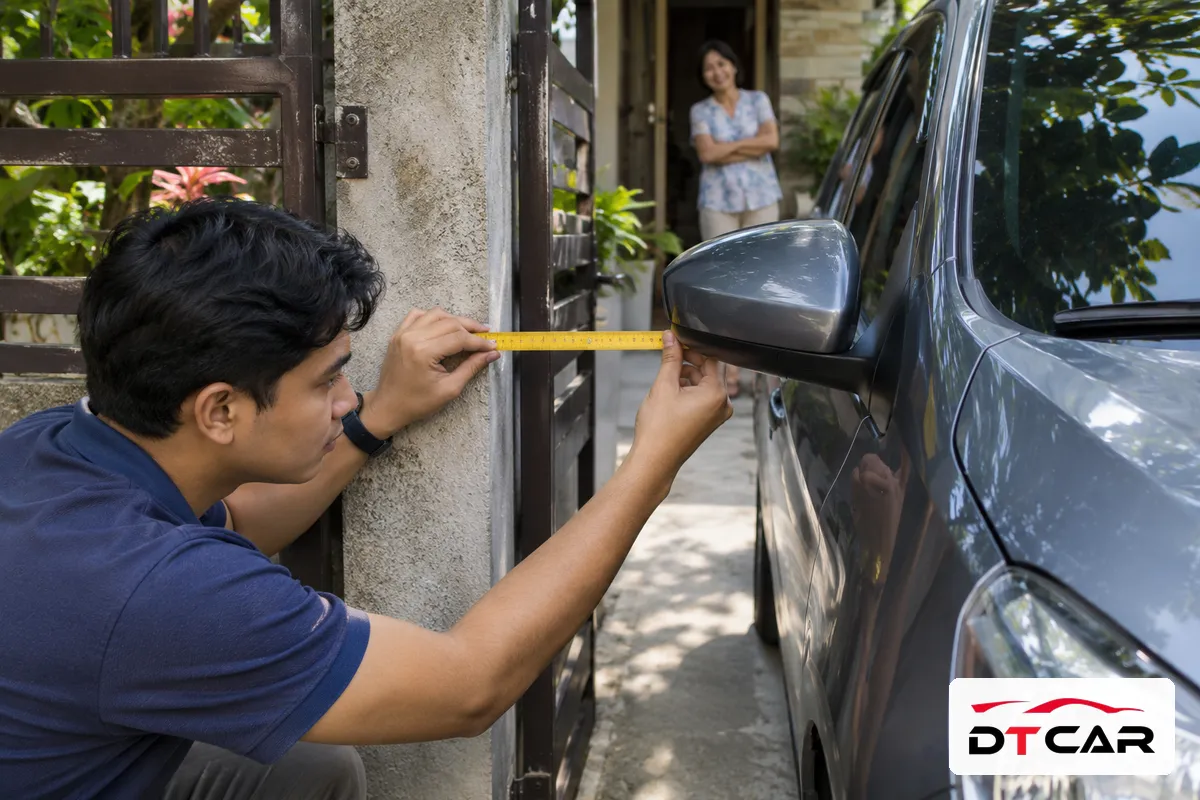
Gate clearance · Mirror clearance / Turning space
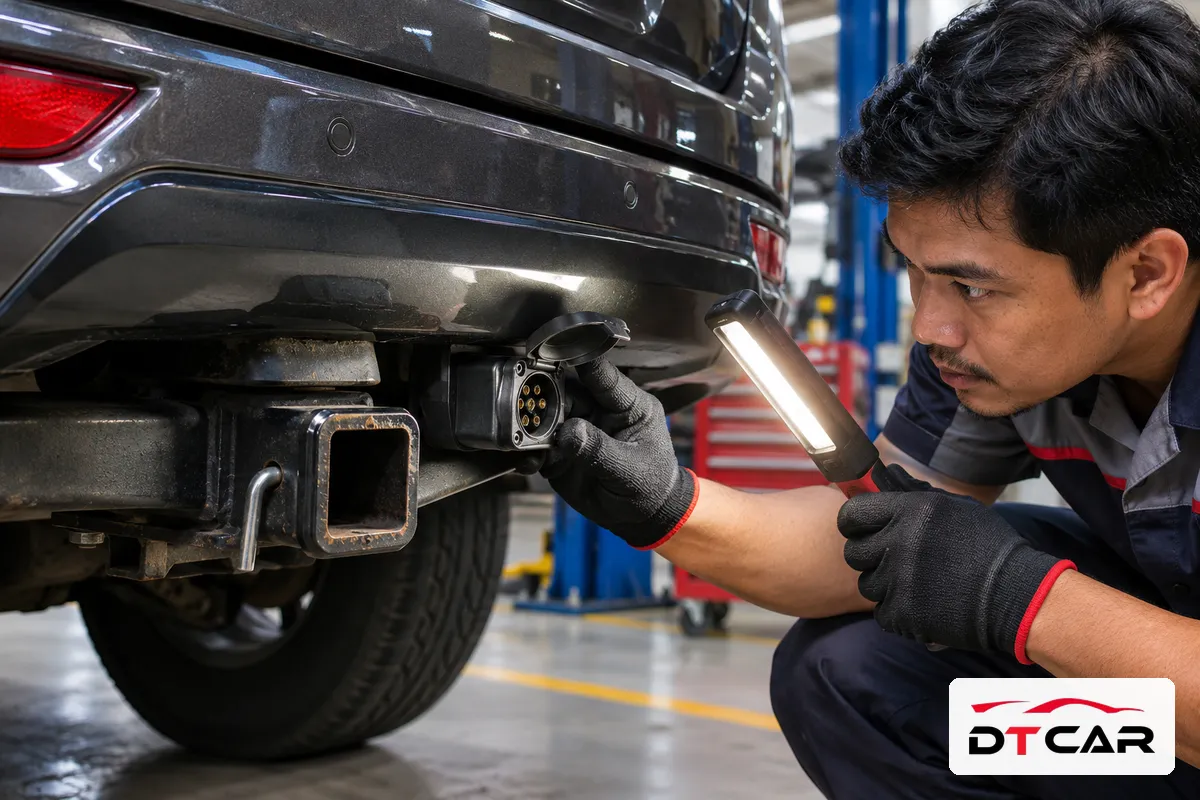
Towing history · Previous loads / Workshop findings
Carpool seating · Daily riders / Weekly full load
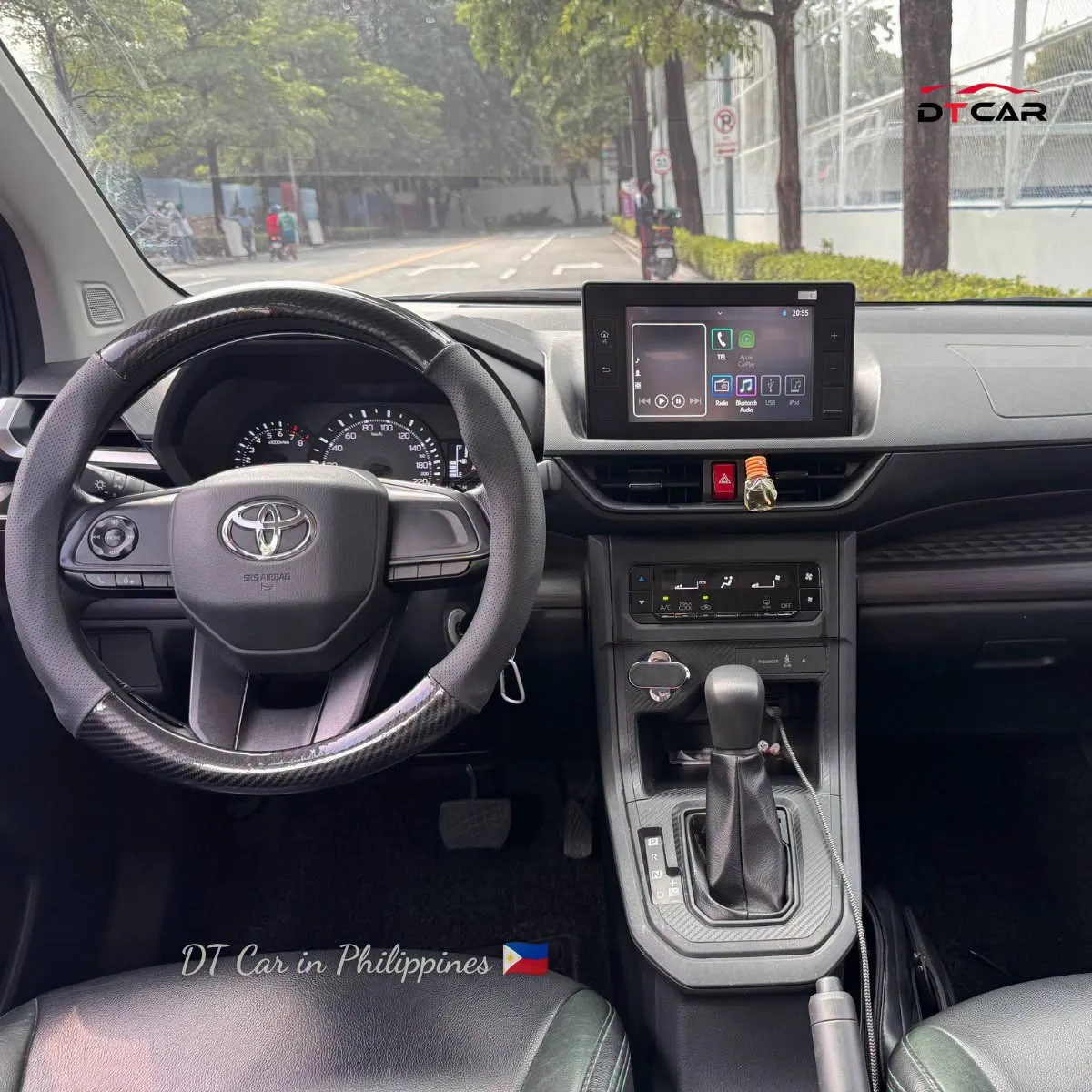
Cabin controls · Phone pairing / Actual trim
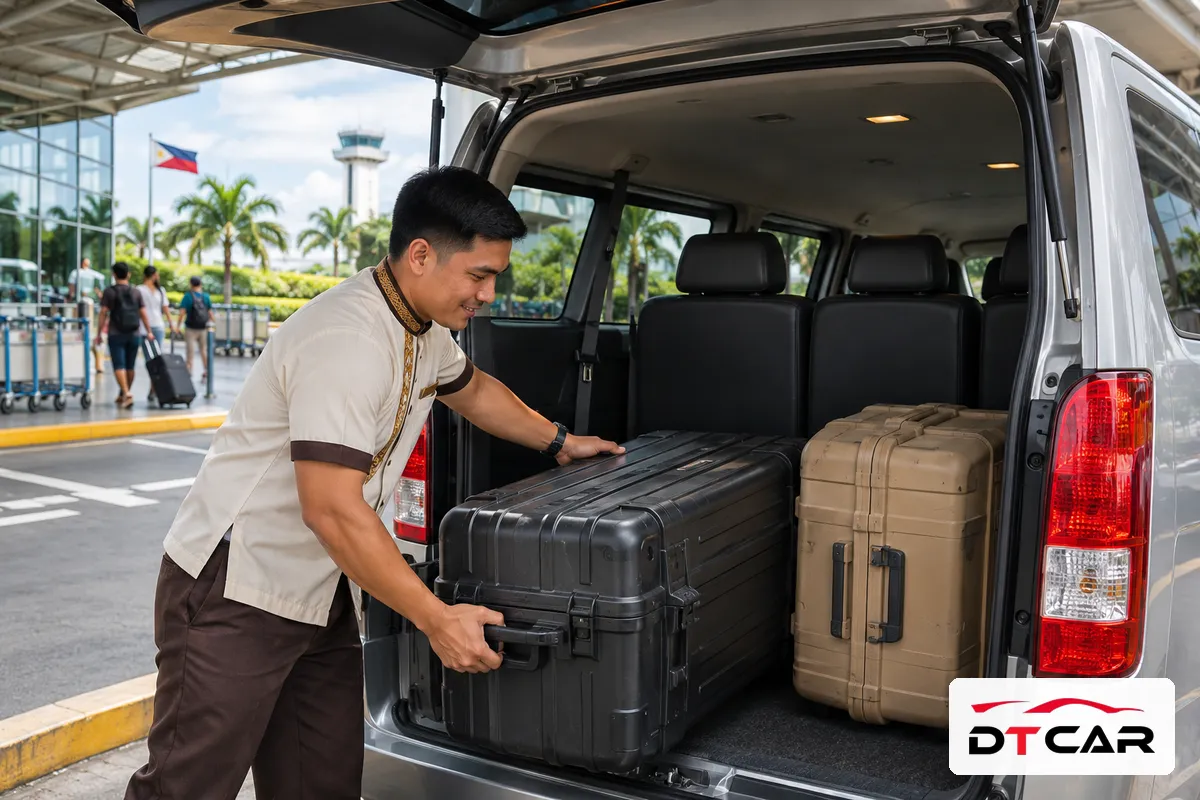
Van turnaround · Door clearance / Bag loading
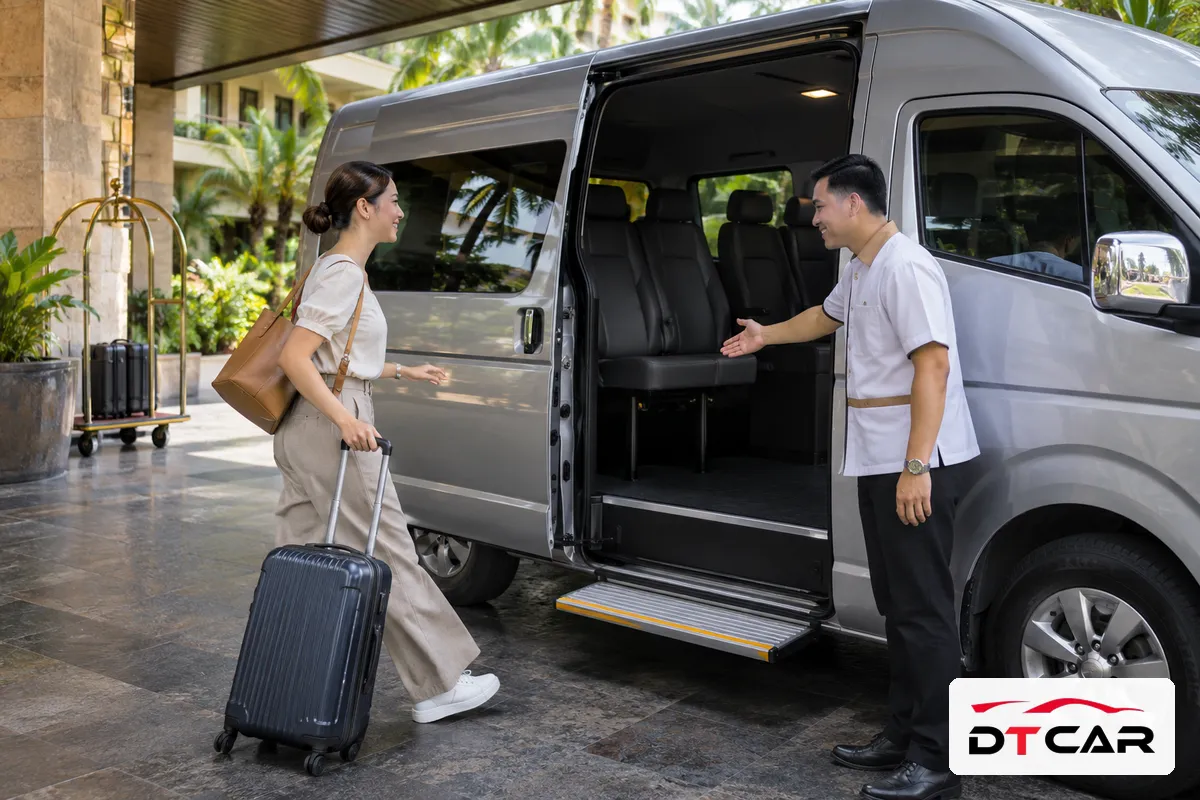
Hotel access · Entry height / Boarding step
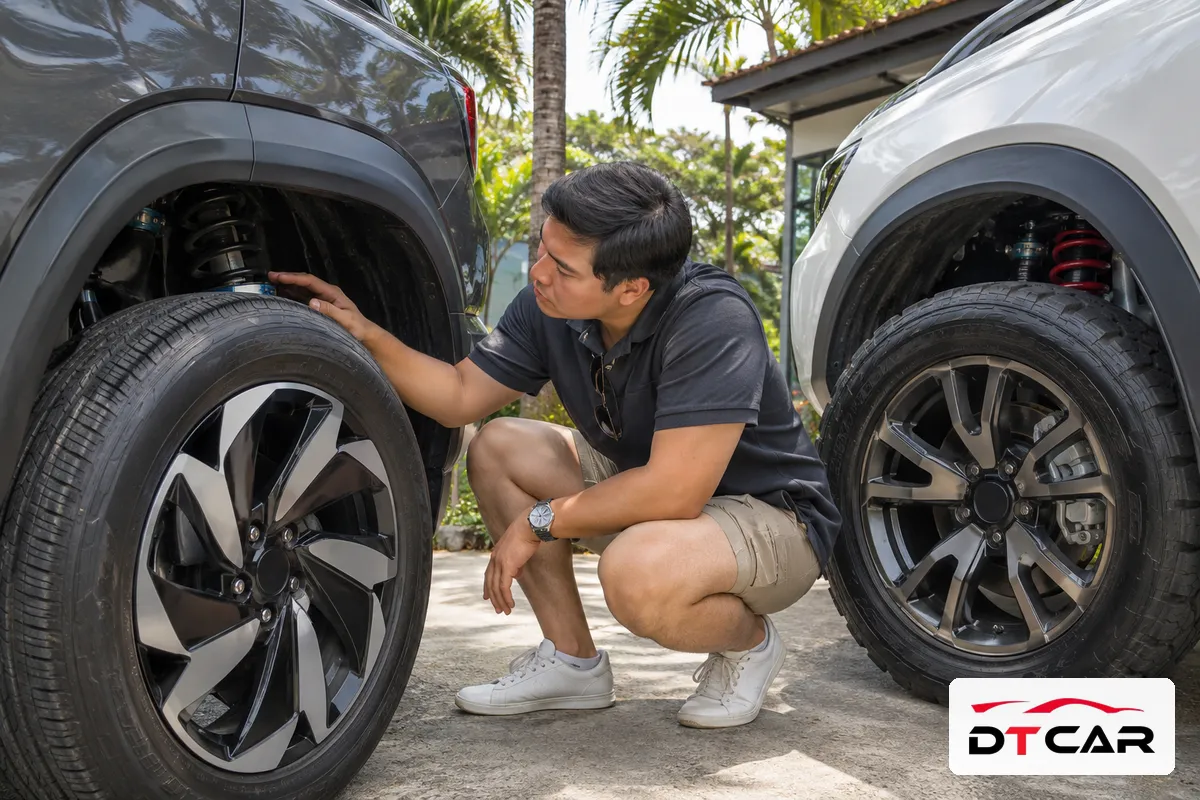
Trim evidence · Original equipment / Added equipment
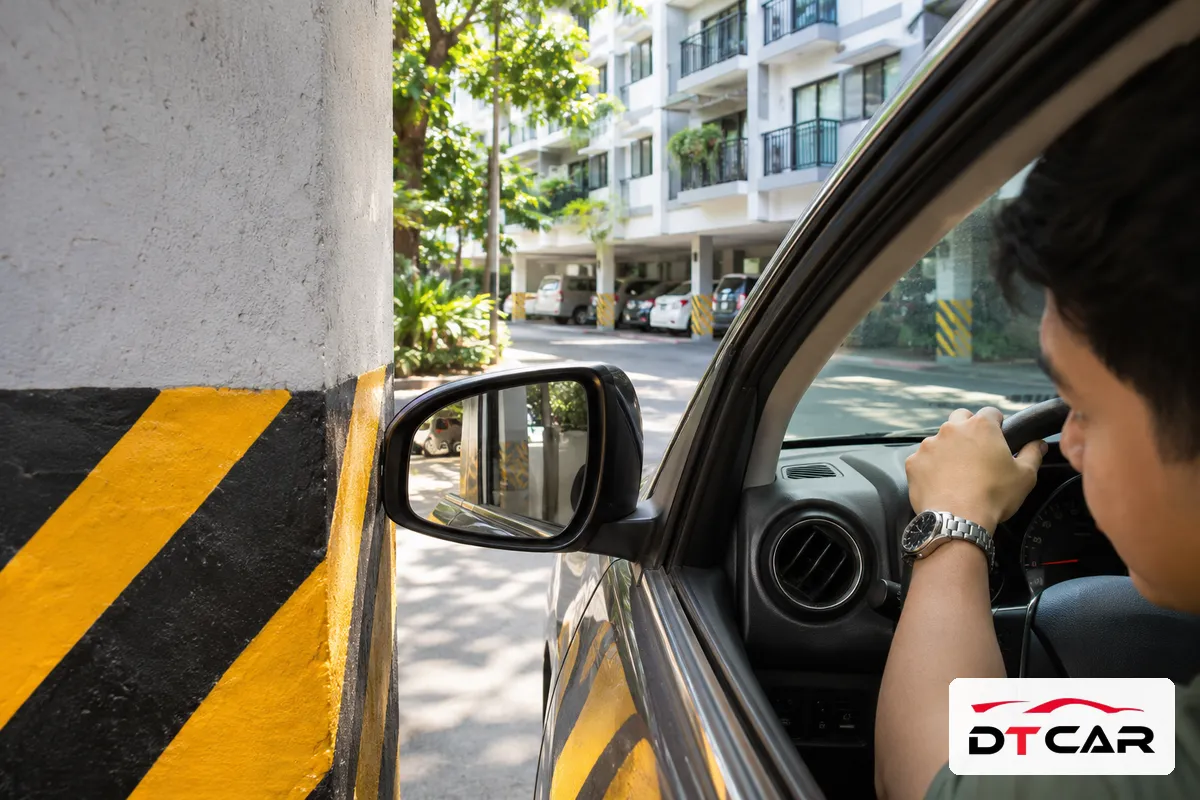
Parking fit · Ramp turn / Door opening
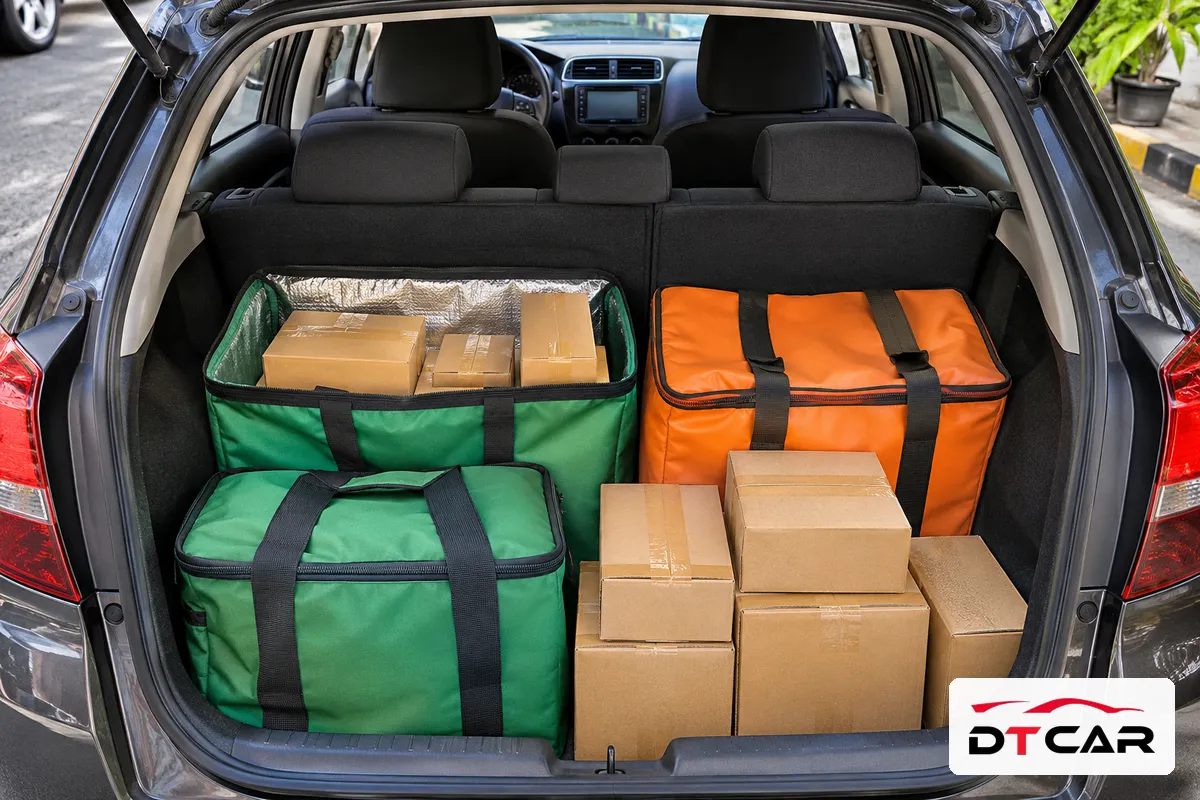
Parcel layout · Box footprint / Daily stops

Tyre history · Tyre markings / Service invoices
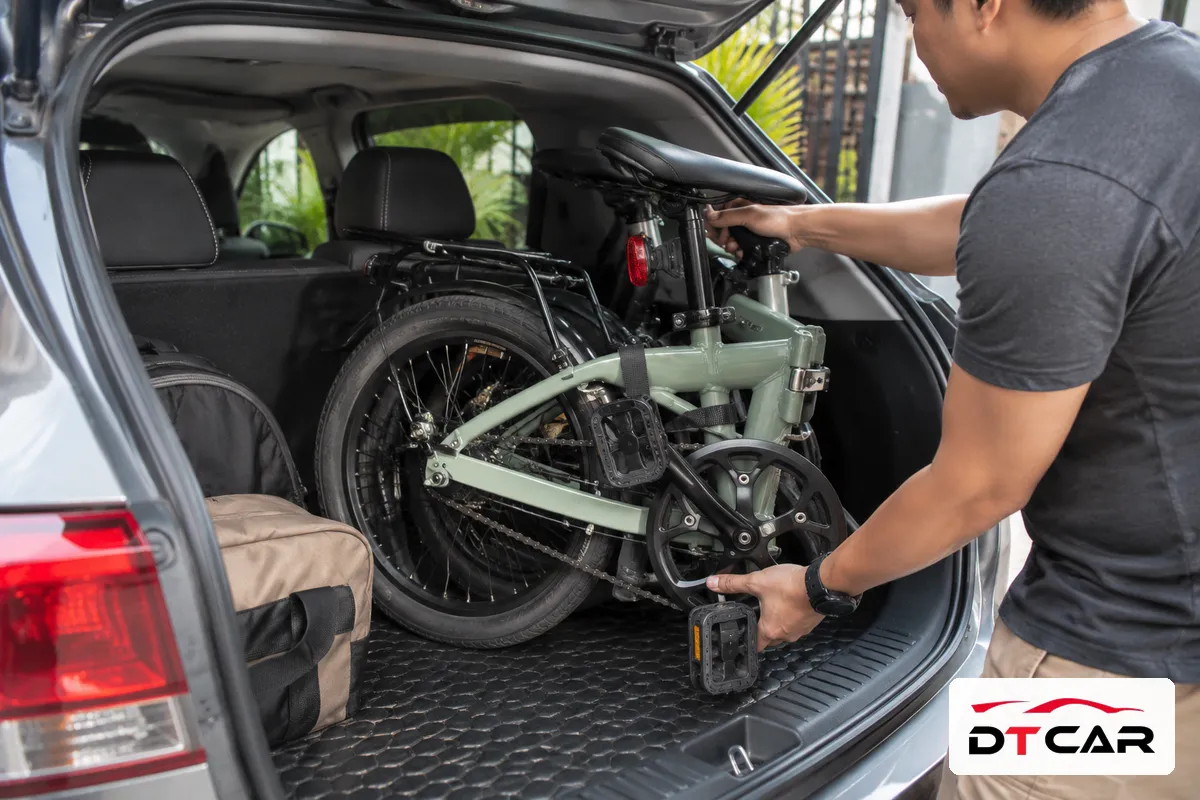
Bike loading · Folded dimensions / Boot opening
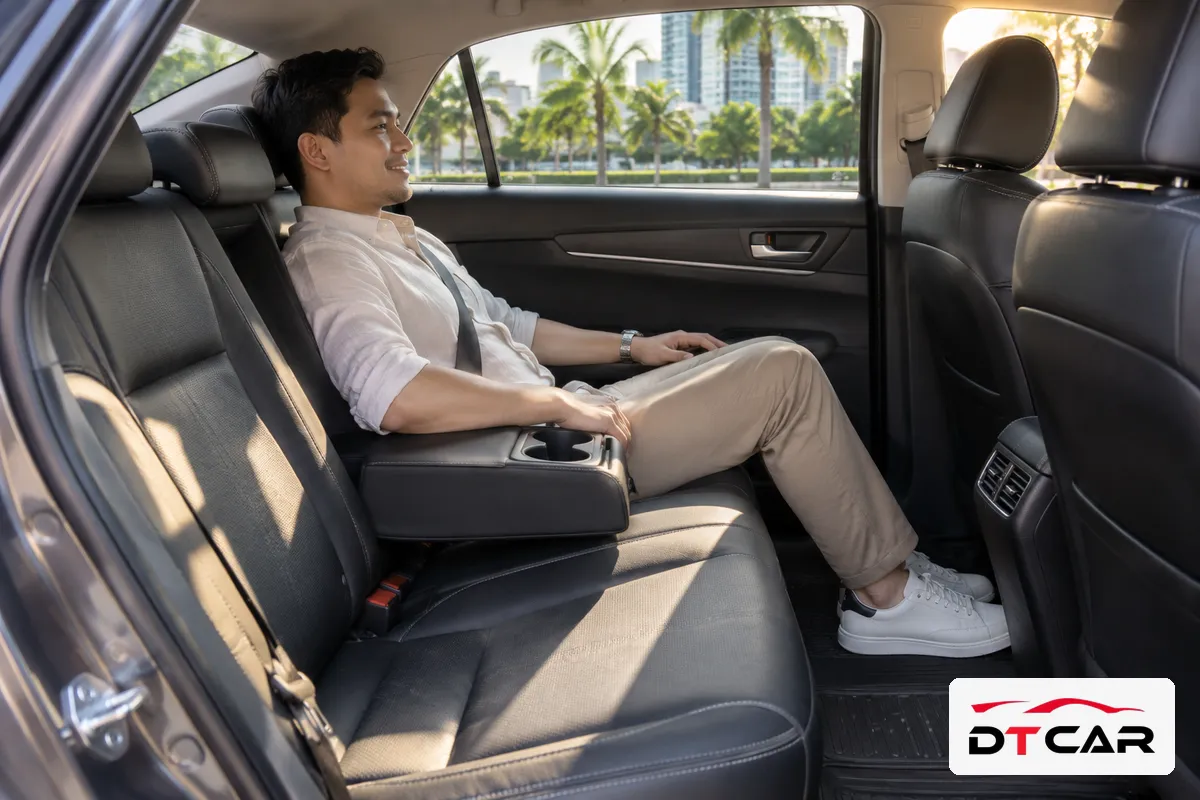
Rear cabin · Seat position / Entry angle
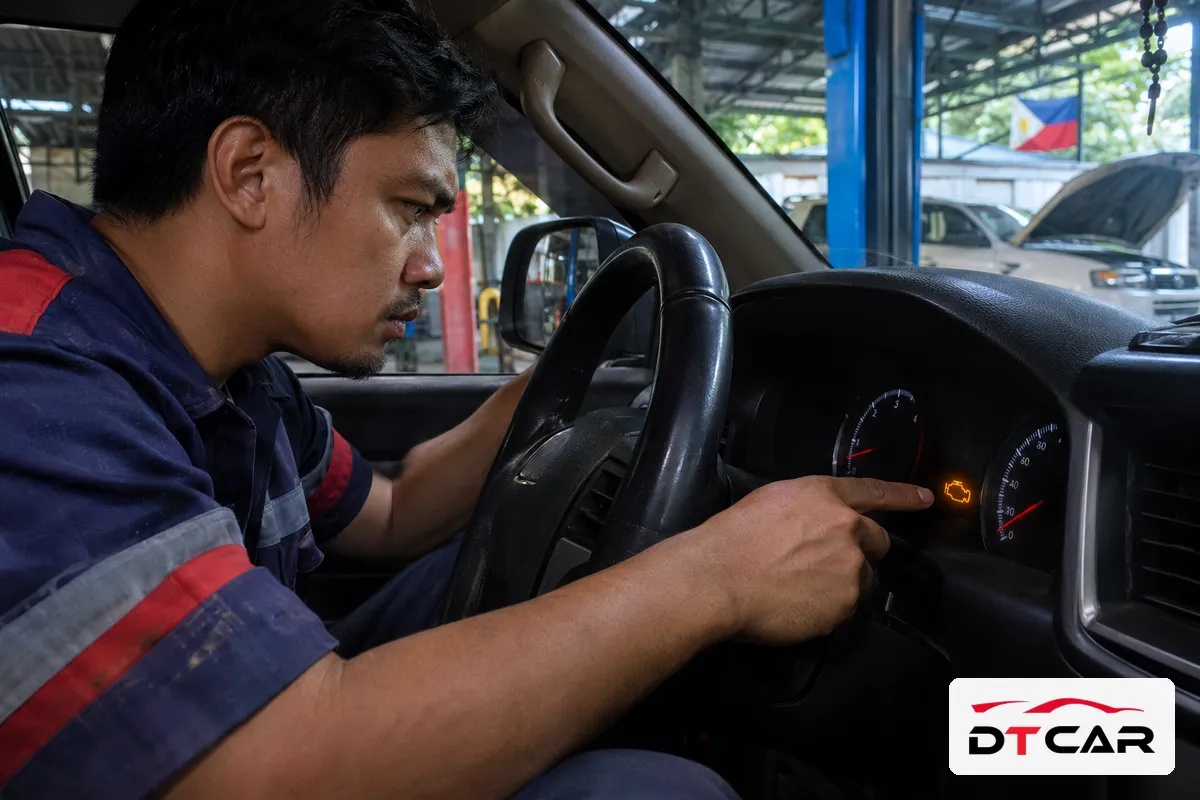
Warning evidence · Warning symbol / Diagnostic result
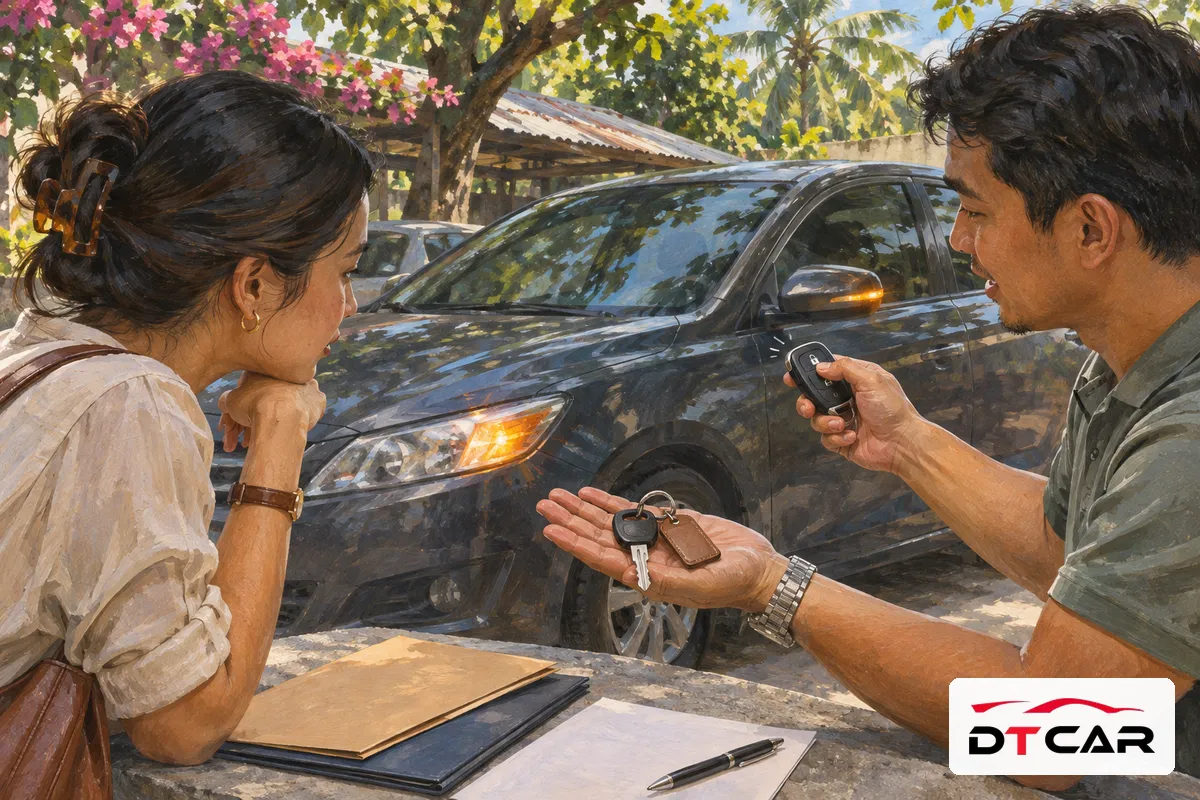
Replacement key · Working key / Written estimate
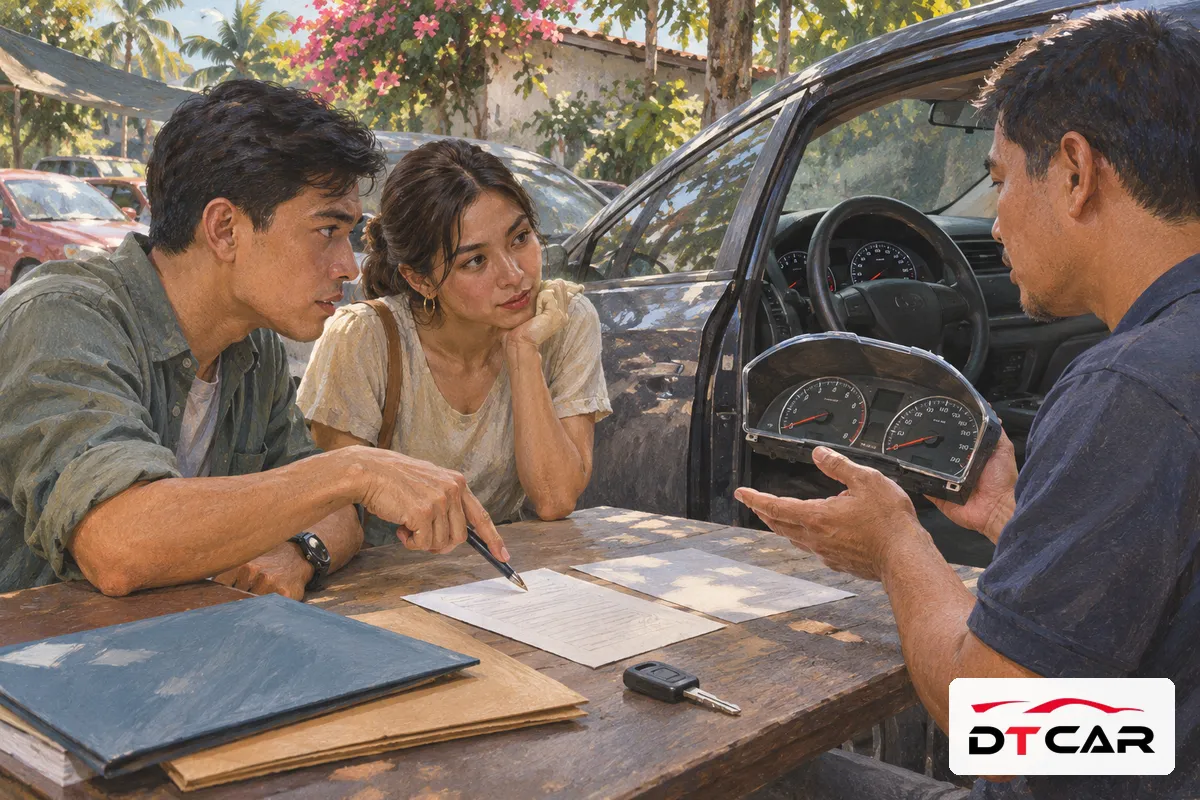
Mileage trail · Last recorded mileage / Replacement date

Underside condition · Treatment date / Inspection access
Remote handover · Viewing city / Receiving city
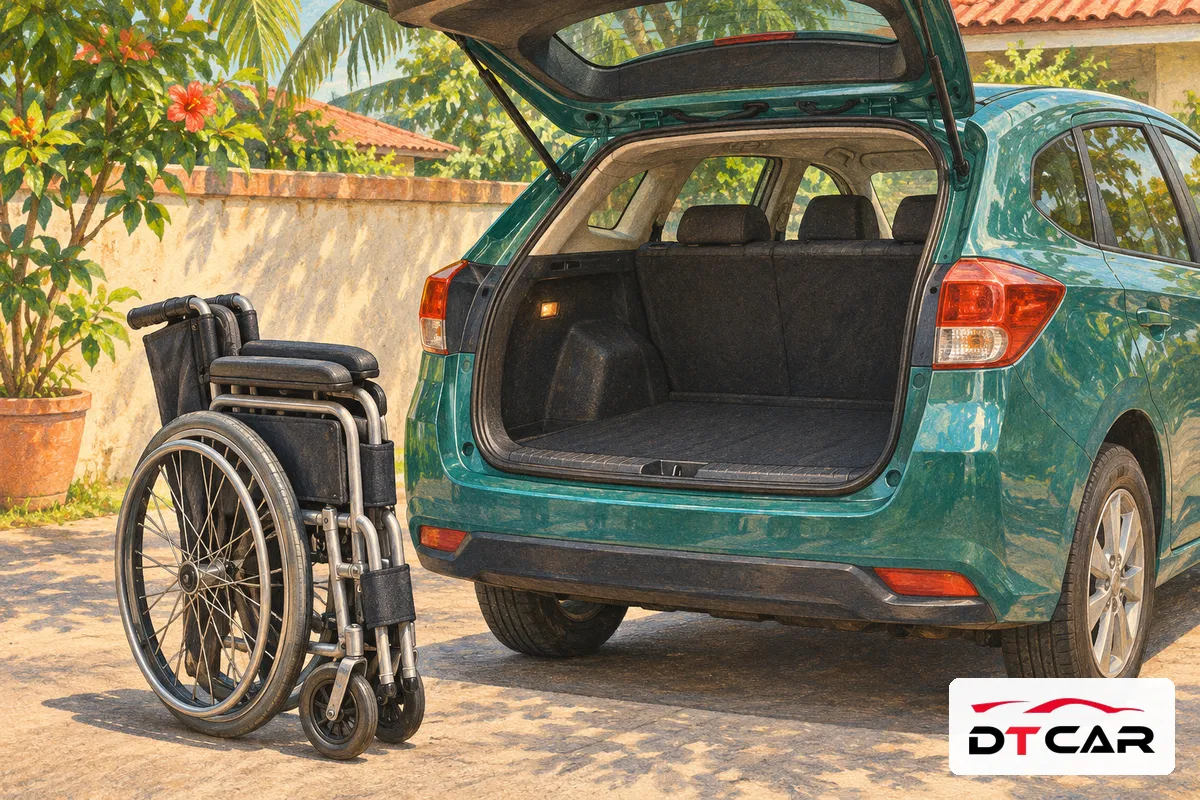
Mobility equipment · Folded chair size / Loading height
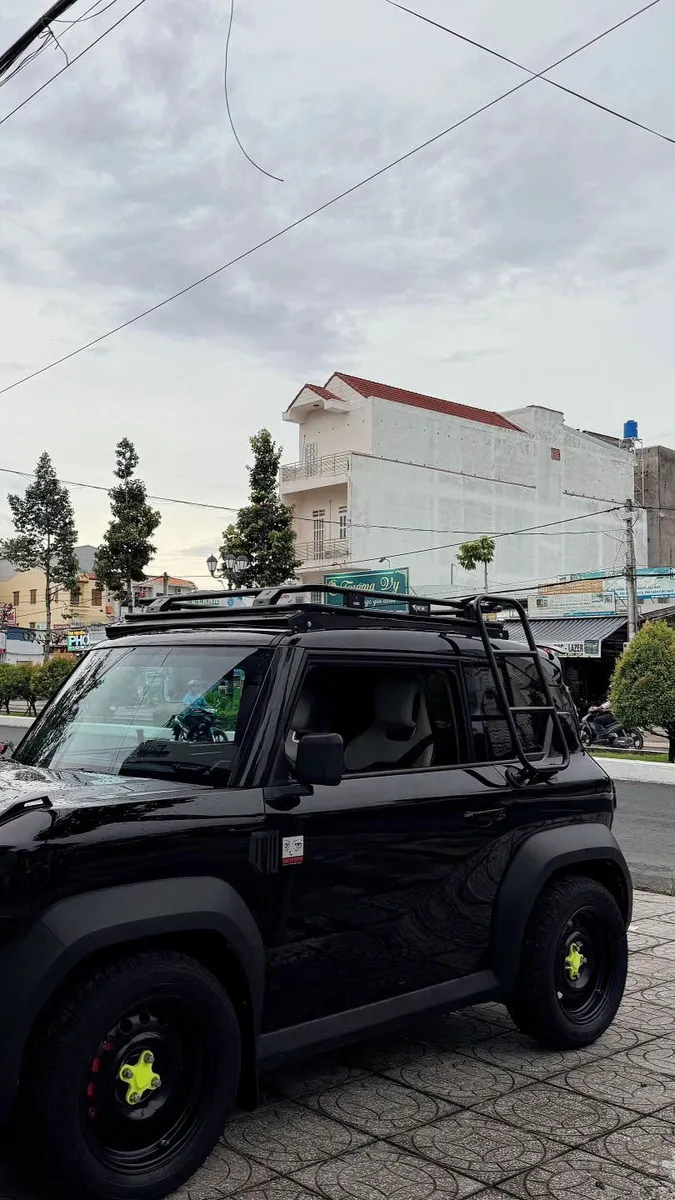
Roof equipment · Rail type / Rack compatibility
Seat layout · Restraint footprint / Buckle access
Service trail · Workshop dates / Remaining records
Roof accessories · Box included / Mounting kit
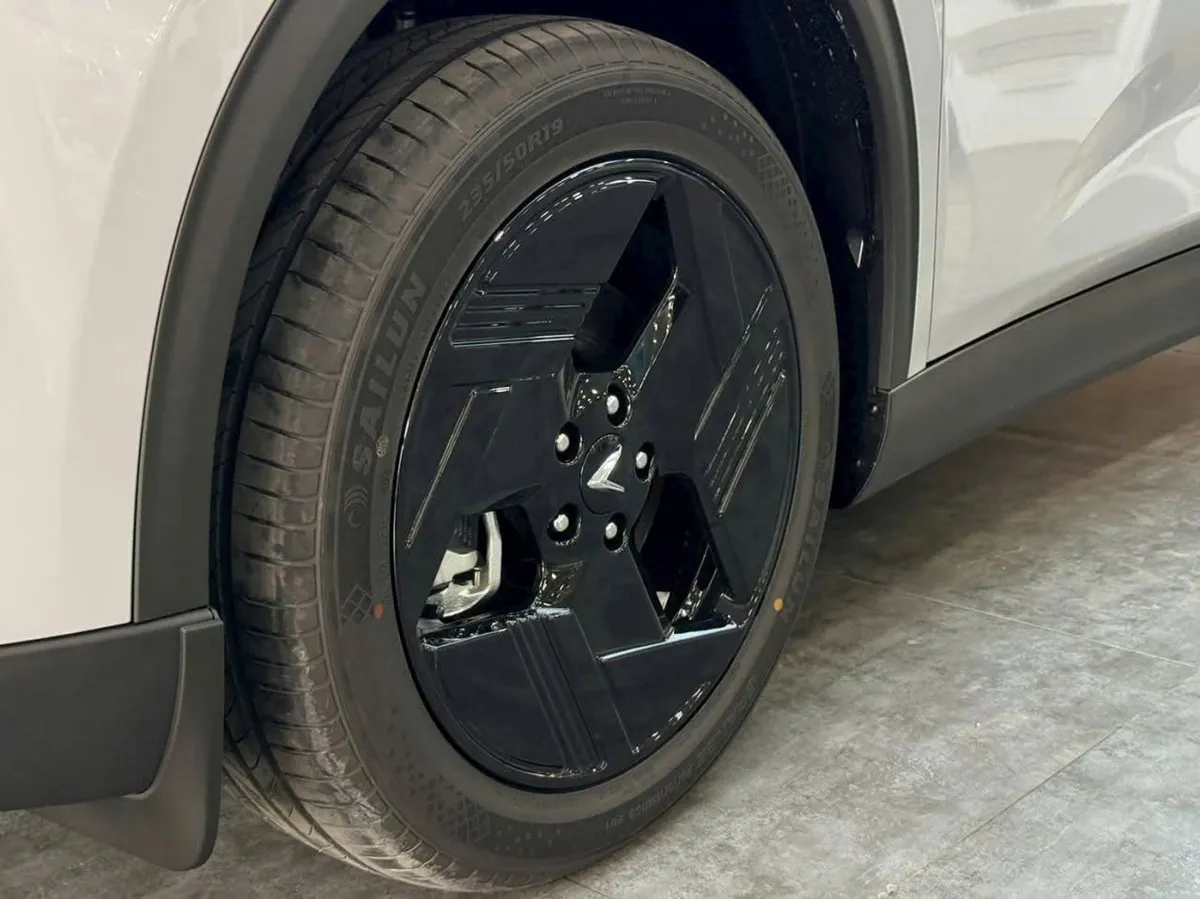
Wheel change · Stock wheel size / Fitted wheel size
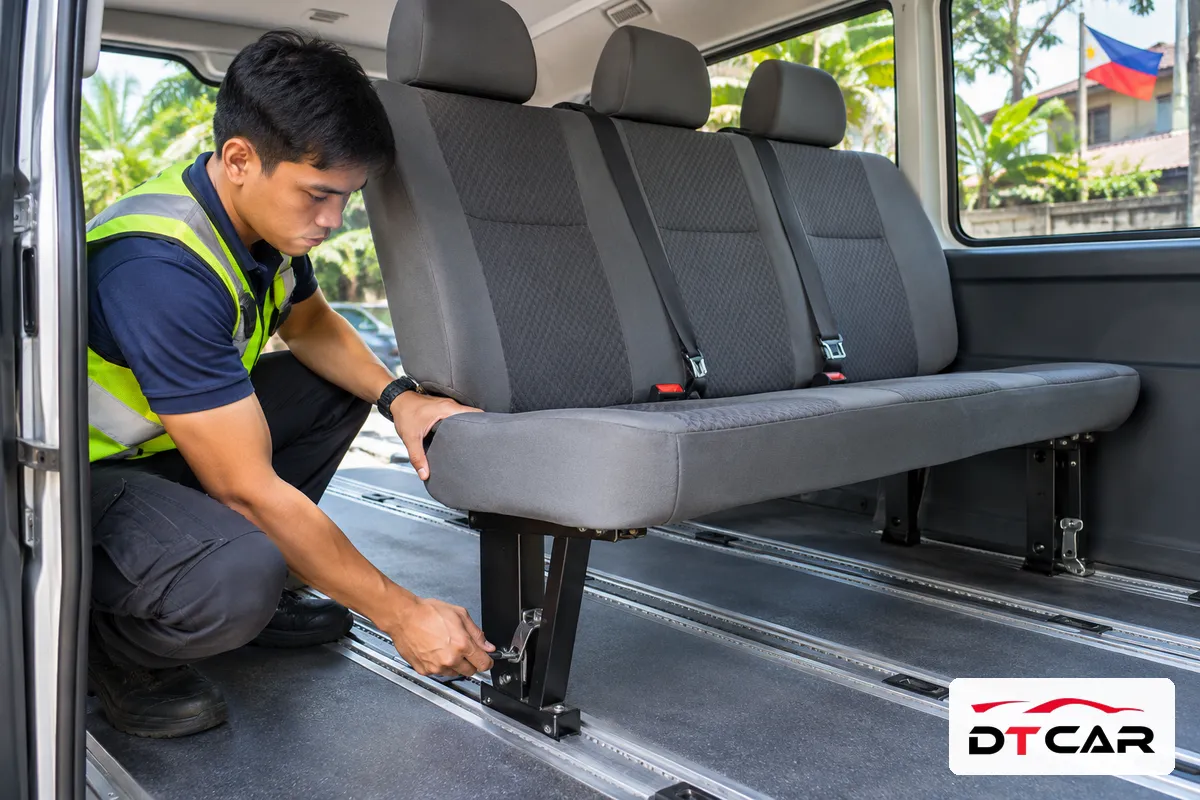
Seat inventory · Seats fitted / Seats stored
Release window · Workshop update / Last use date
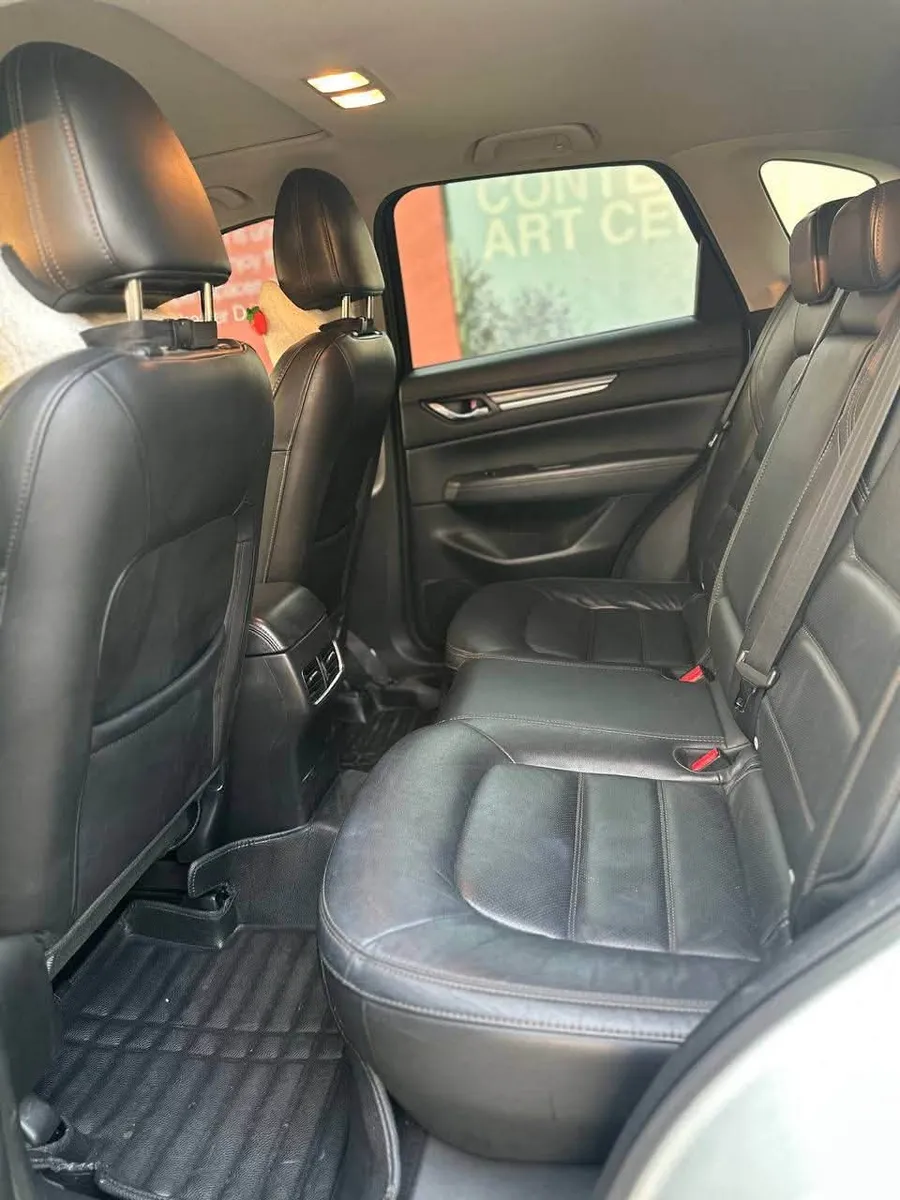
Work history · Typical shift / Maintenance interval
Window film · Film invoice / Glass condition
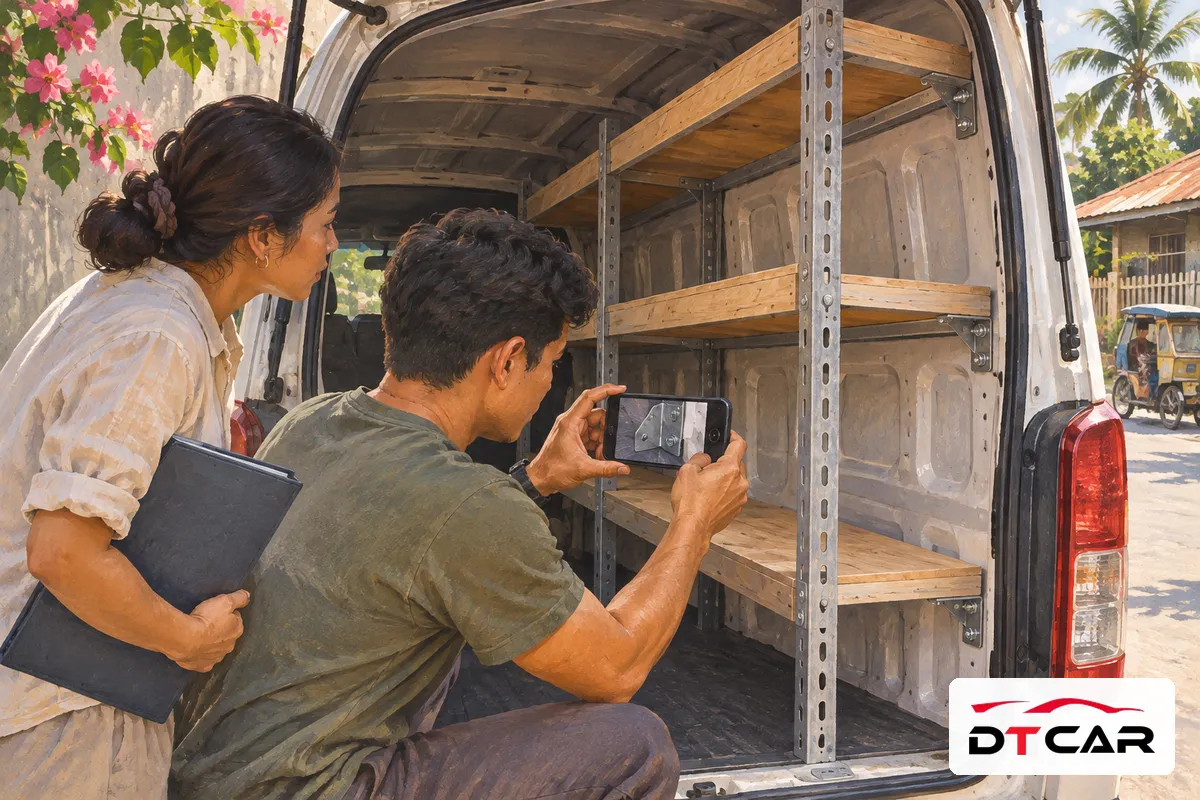
Cargo shelving · Fixing points / Bare cargo floor
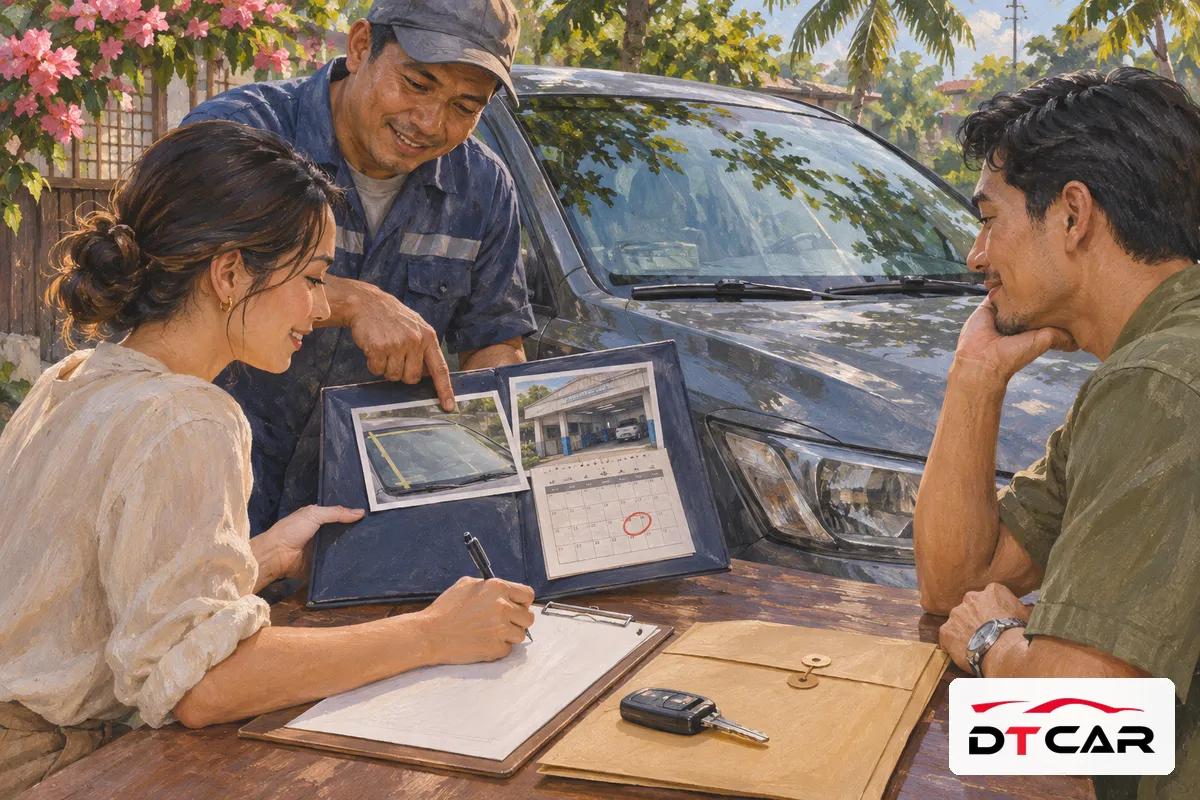
Glass replacement · Repair invoice / Equipment checks
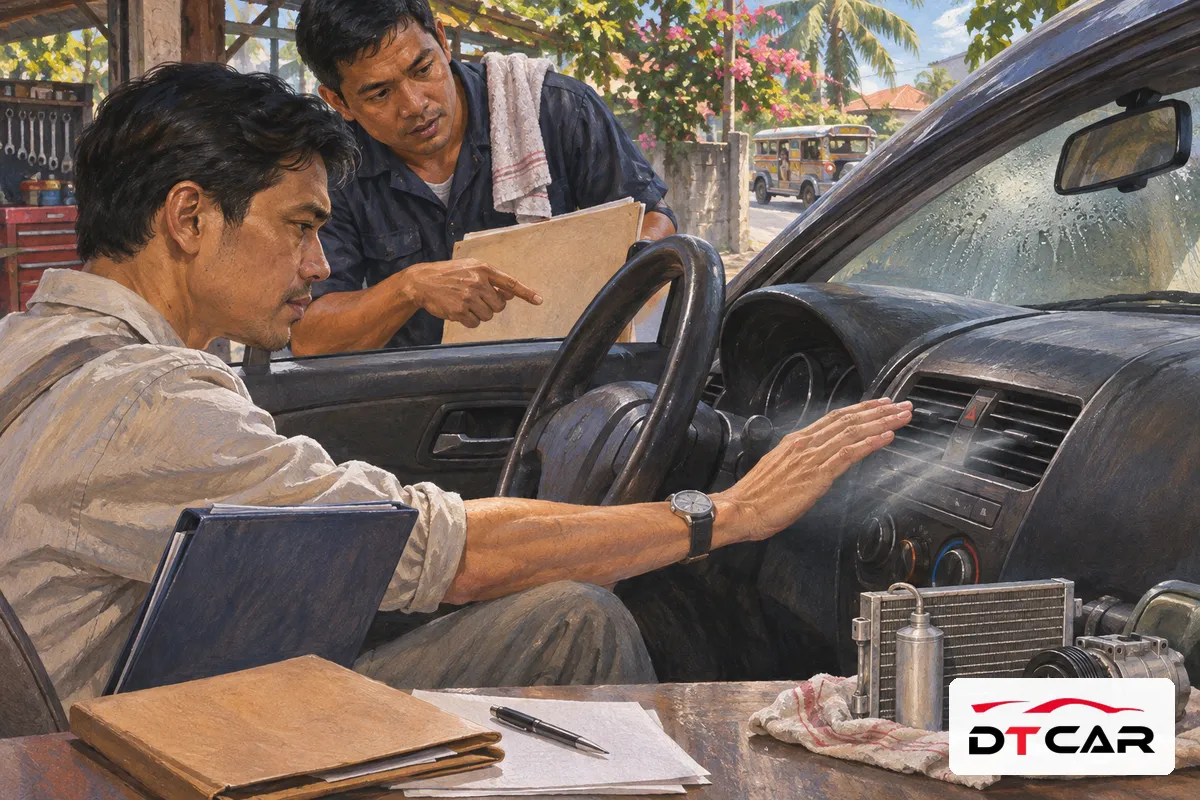
Cooling repair · Parts replaced / Follow-up visit
Ownership contacts · Inspection contact / Handover contact
Release records · Settlement date / Document status
Preliminary value · Vehicle condition / Authority to sell
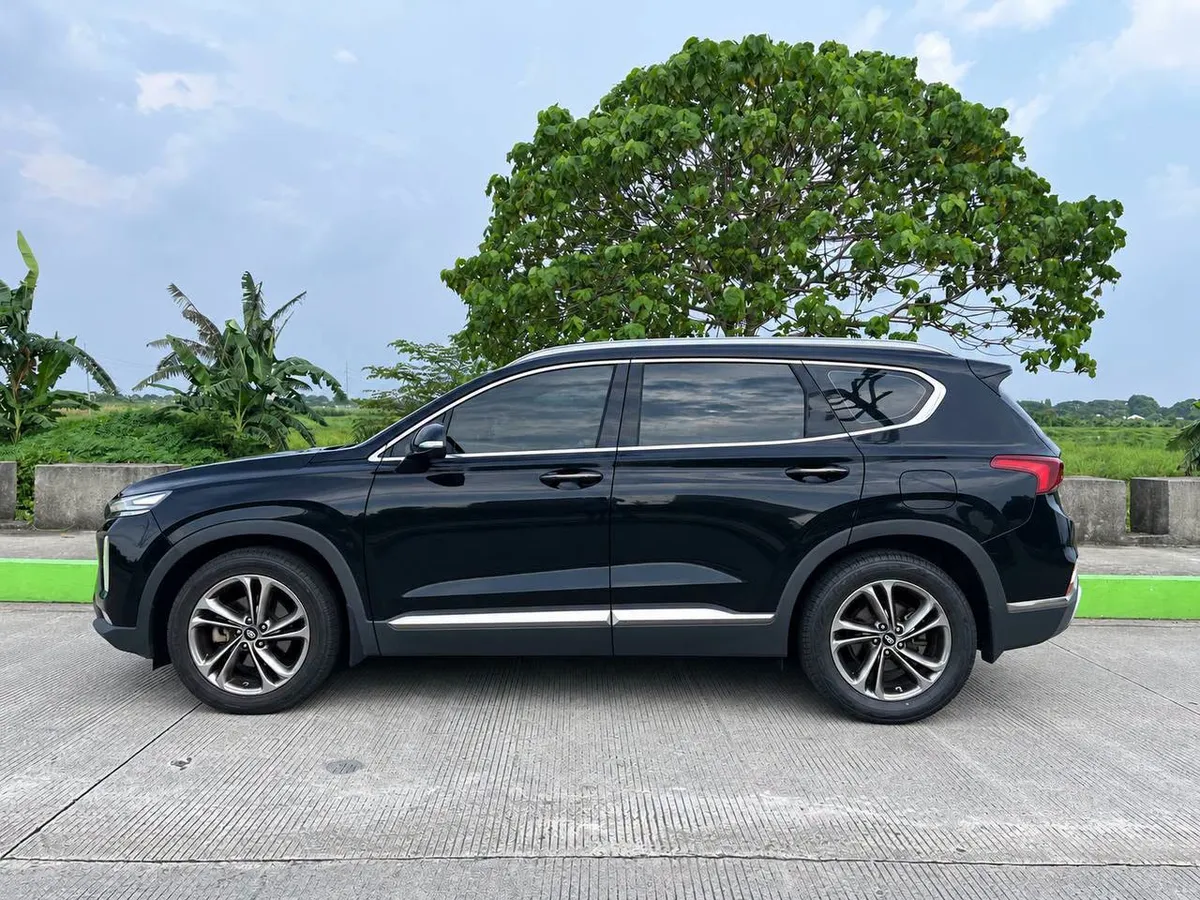
Paint history · Panel photos / Repair record
Handover inventory · Company devices / Items to remove
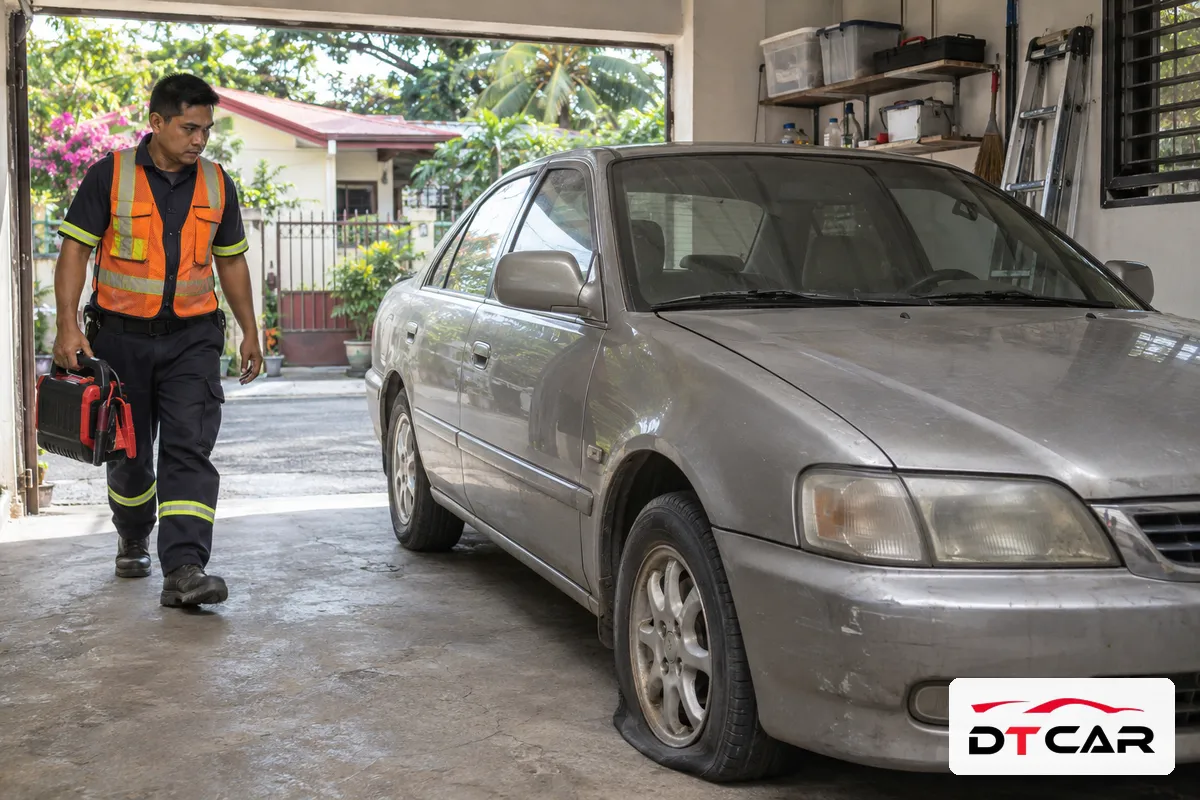
Recovery access · Garage clearance / Vehicle mobility
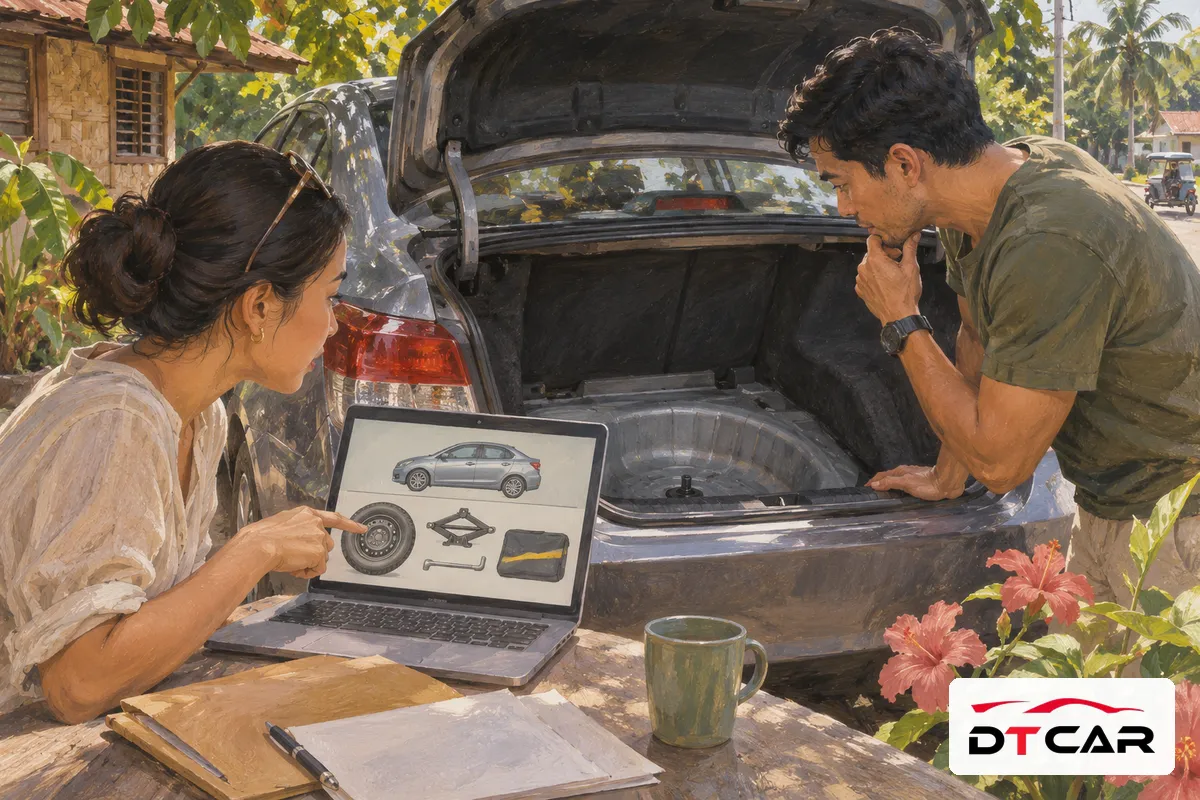
Boot inventory · Factory equipment / Missing items

Coastal use · Storage location / Underside inspection
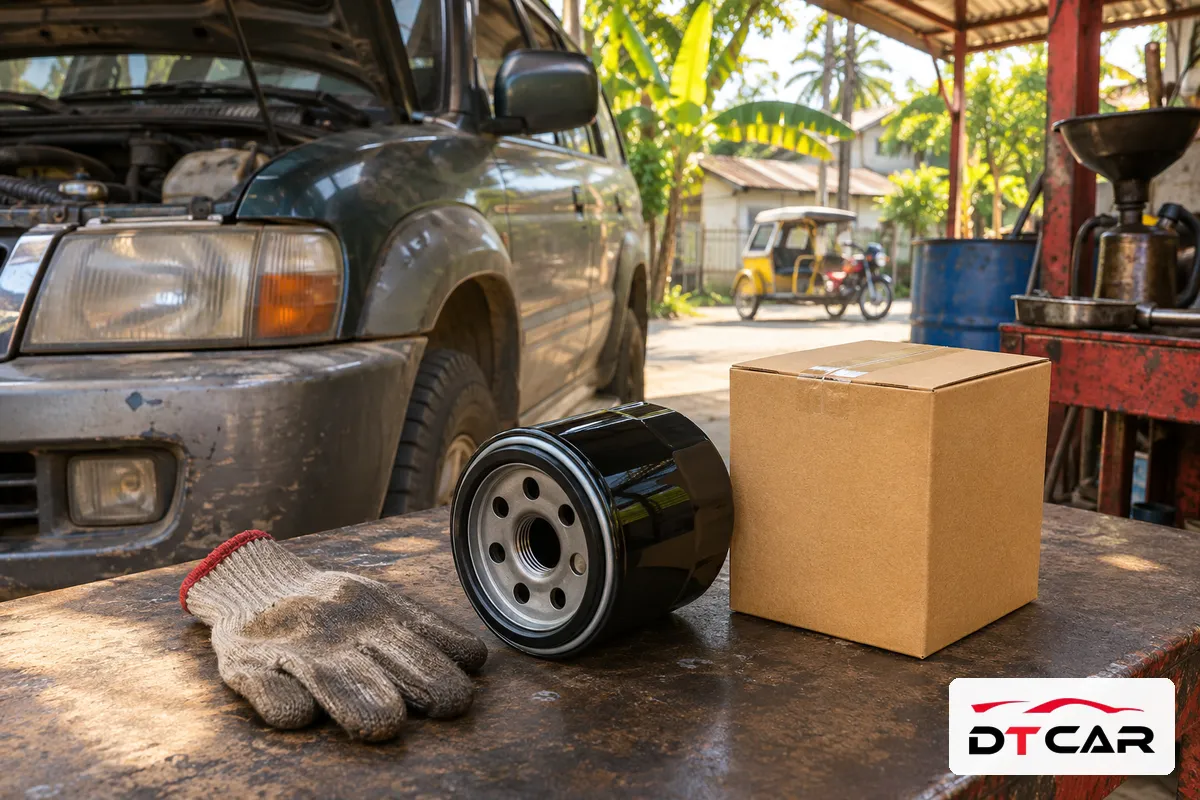
Upcoming service · Service due / Workshop quote
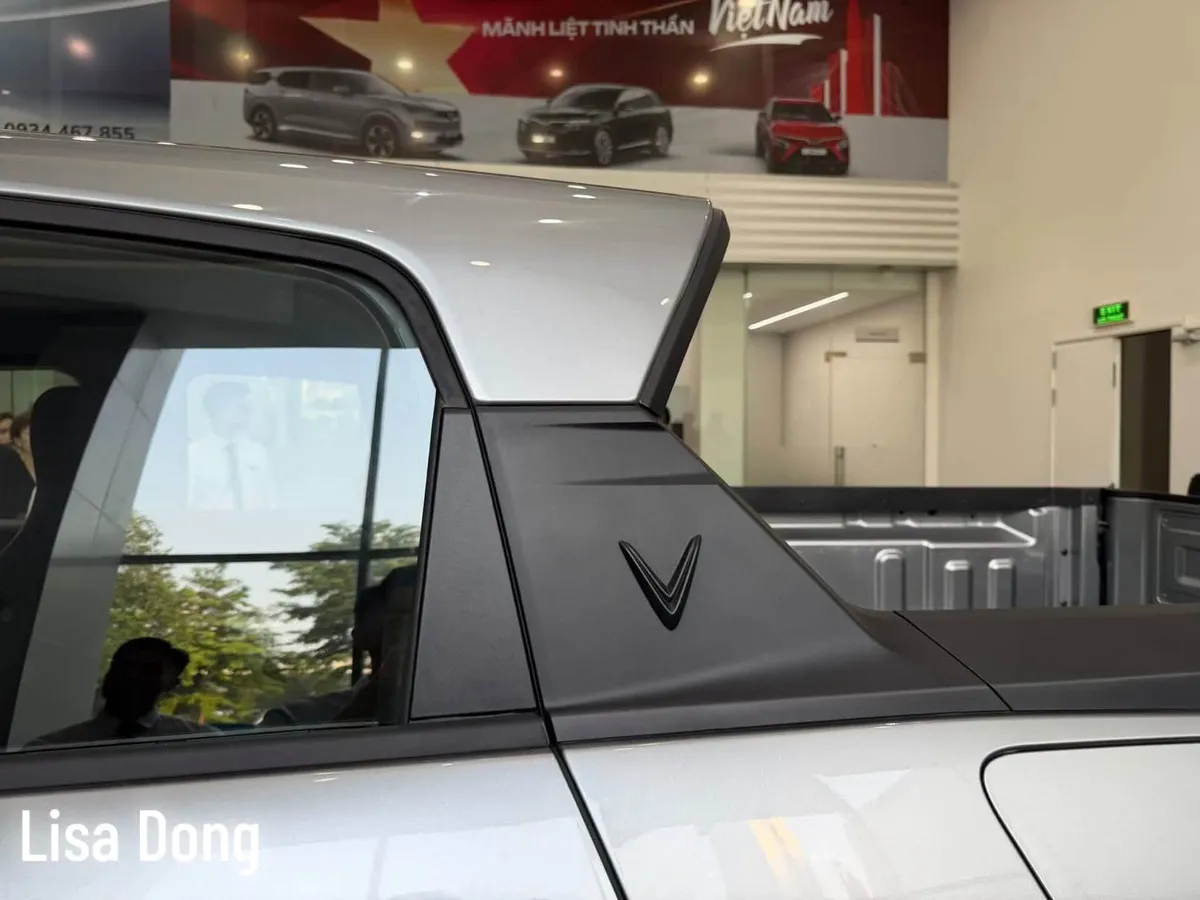
Release inventory · Included fittings / Retained items
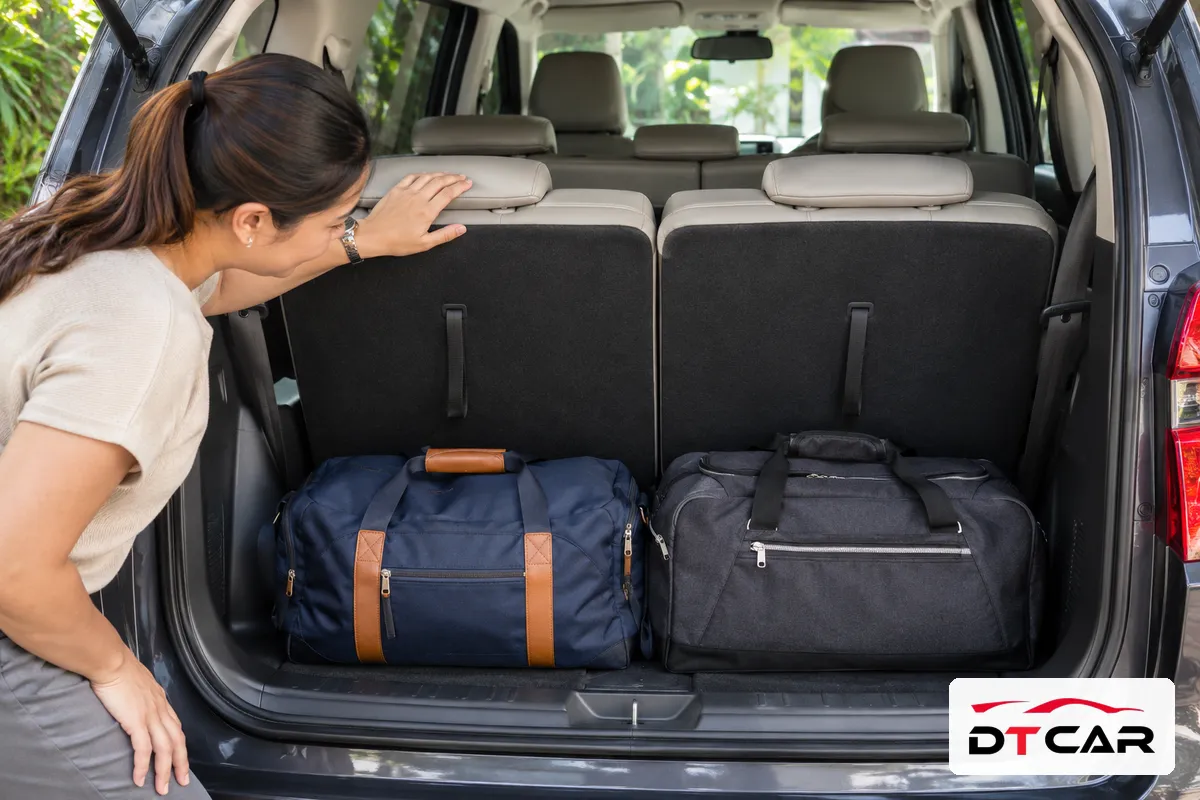
Load it as you would on a Friday night. Read the history behind the seating.
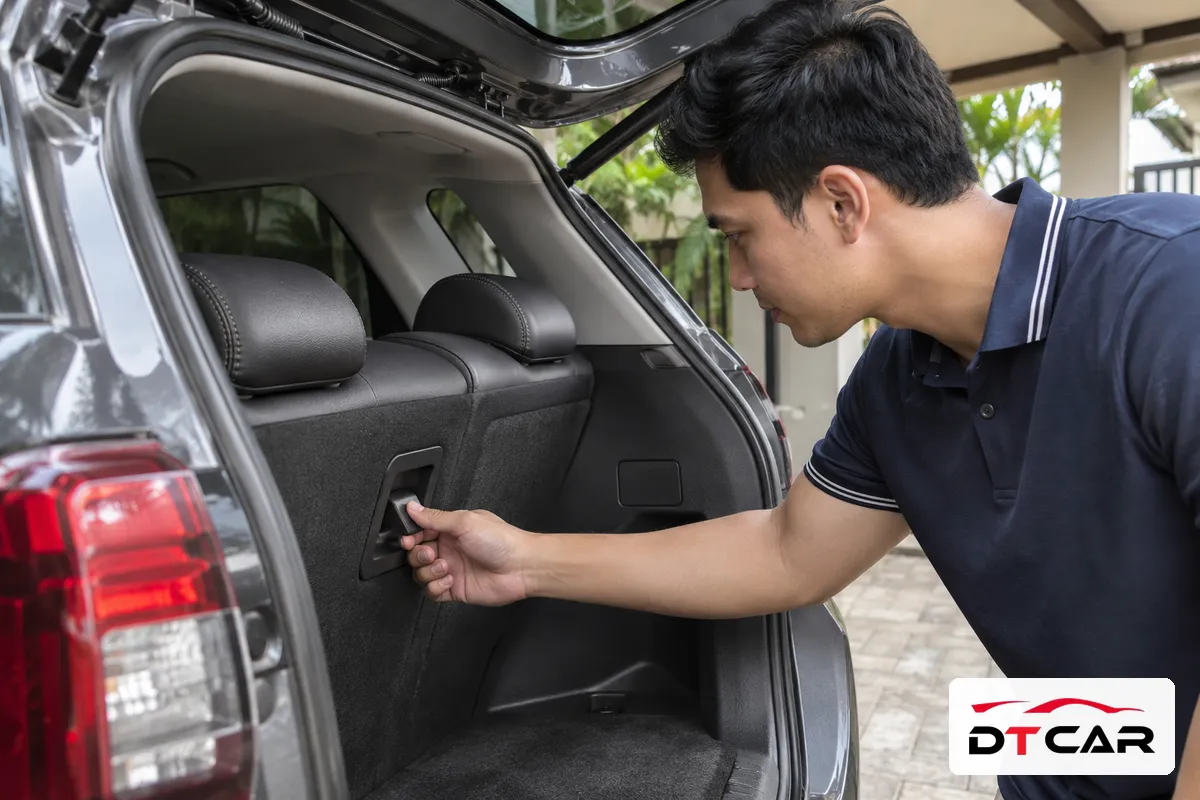
Build a specification card from the actual unit. Use the visit to resolve one expensive unknown.

Count usable seats on your busiest route. Separate body condition from cabin upgrades.
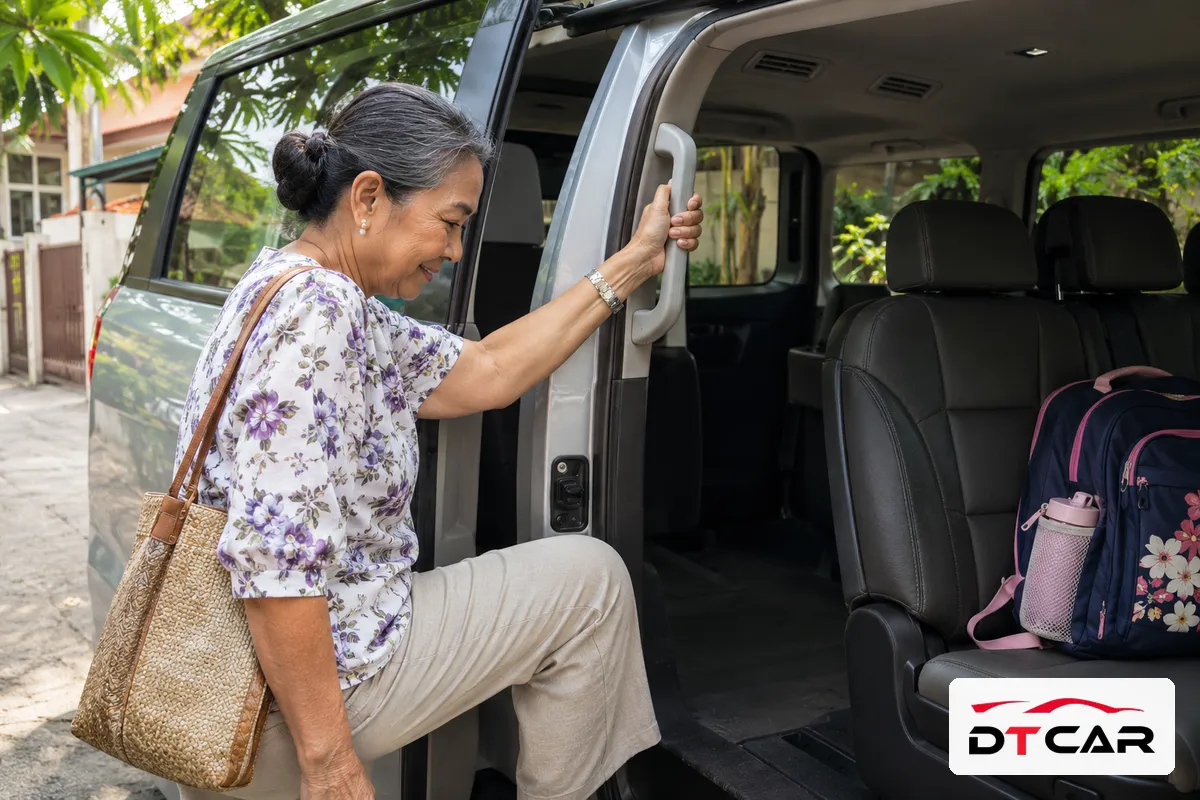
Time the school-gate routine. Check the car after the doors have been open.
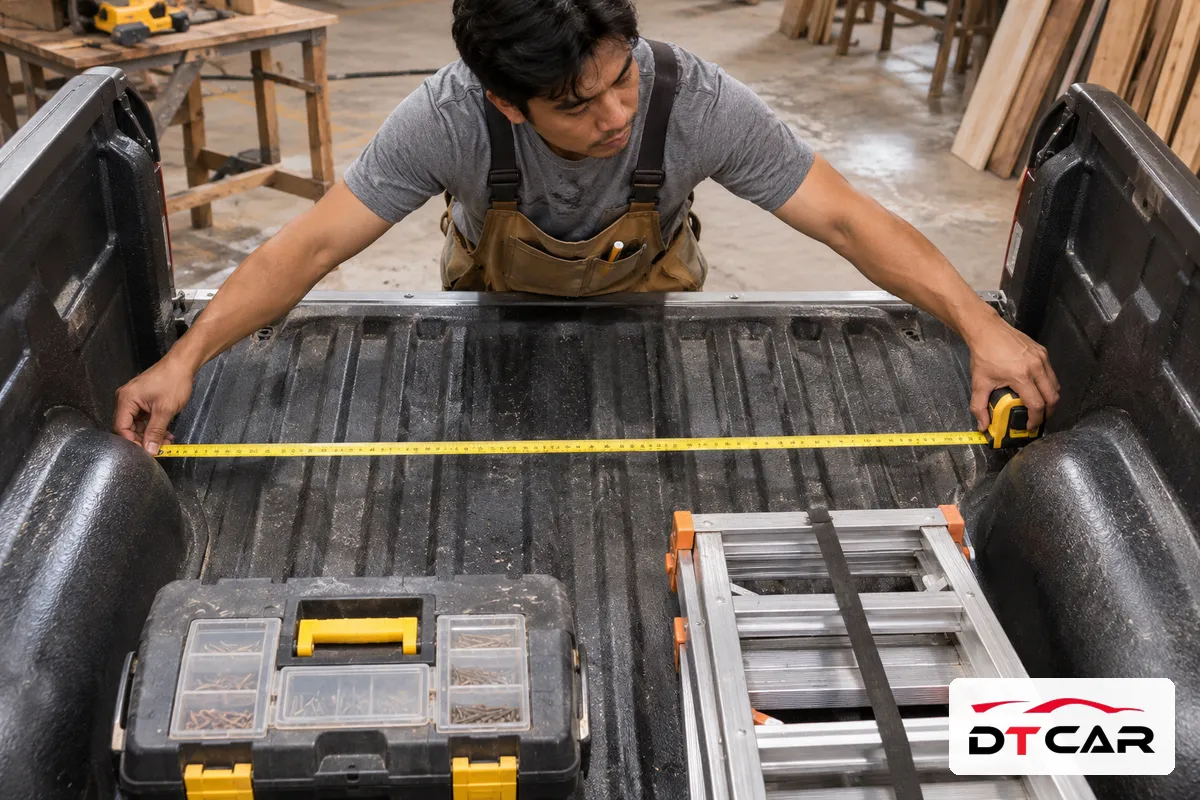
Measure the narrowest points. Check what comes with the pickup.
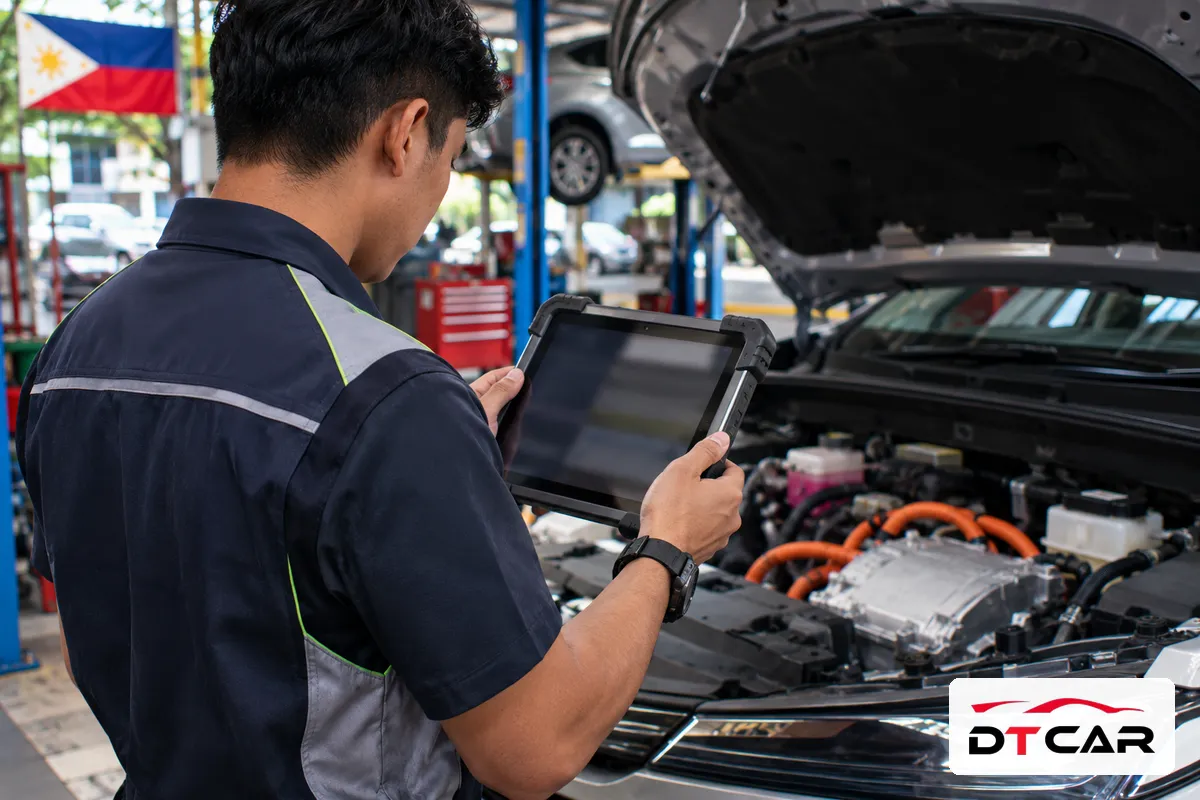
Read the report as a dated snapshot. Price the uncertainty before choosing a unit.
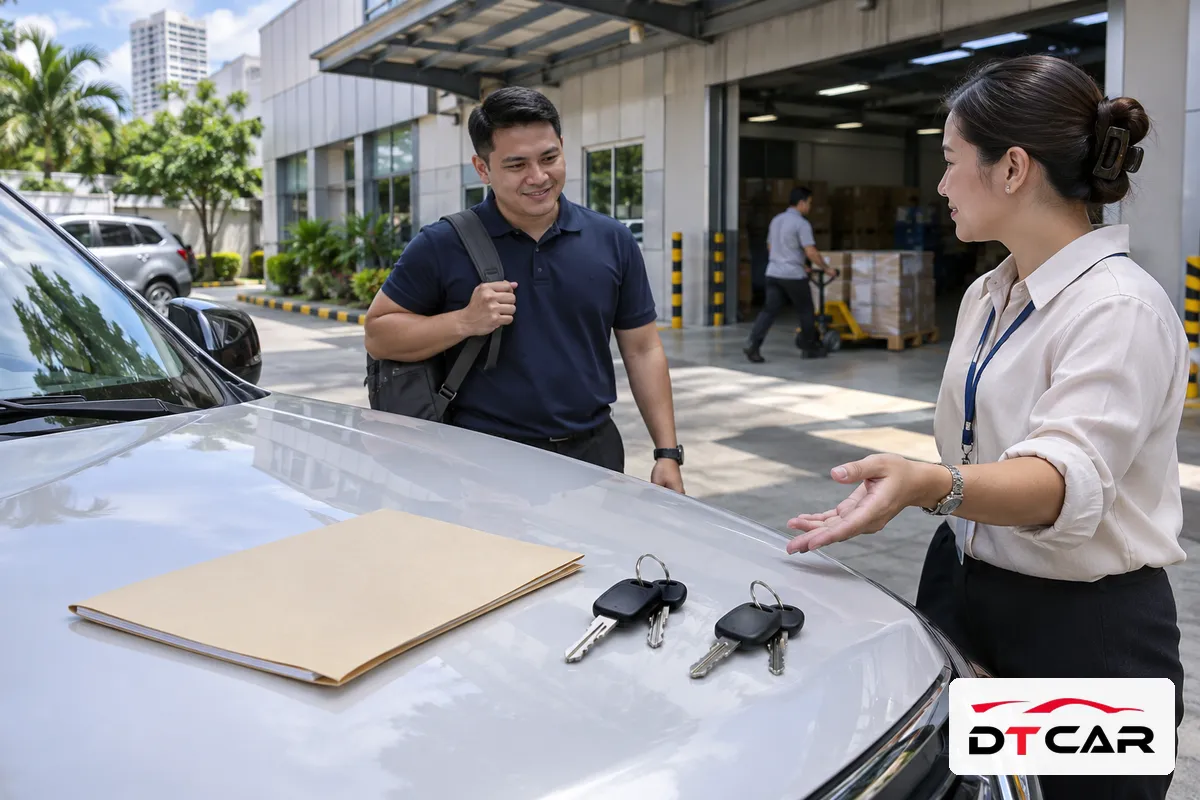
Reconstruct a year of use. Confirm who will attend the viewing.
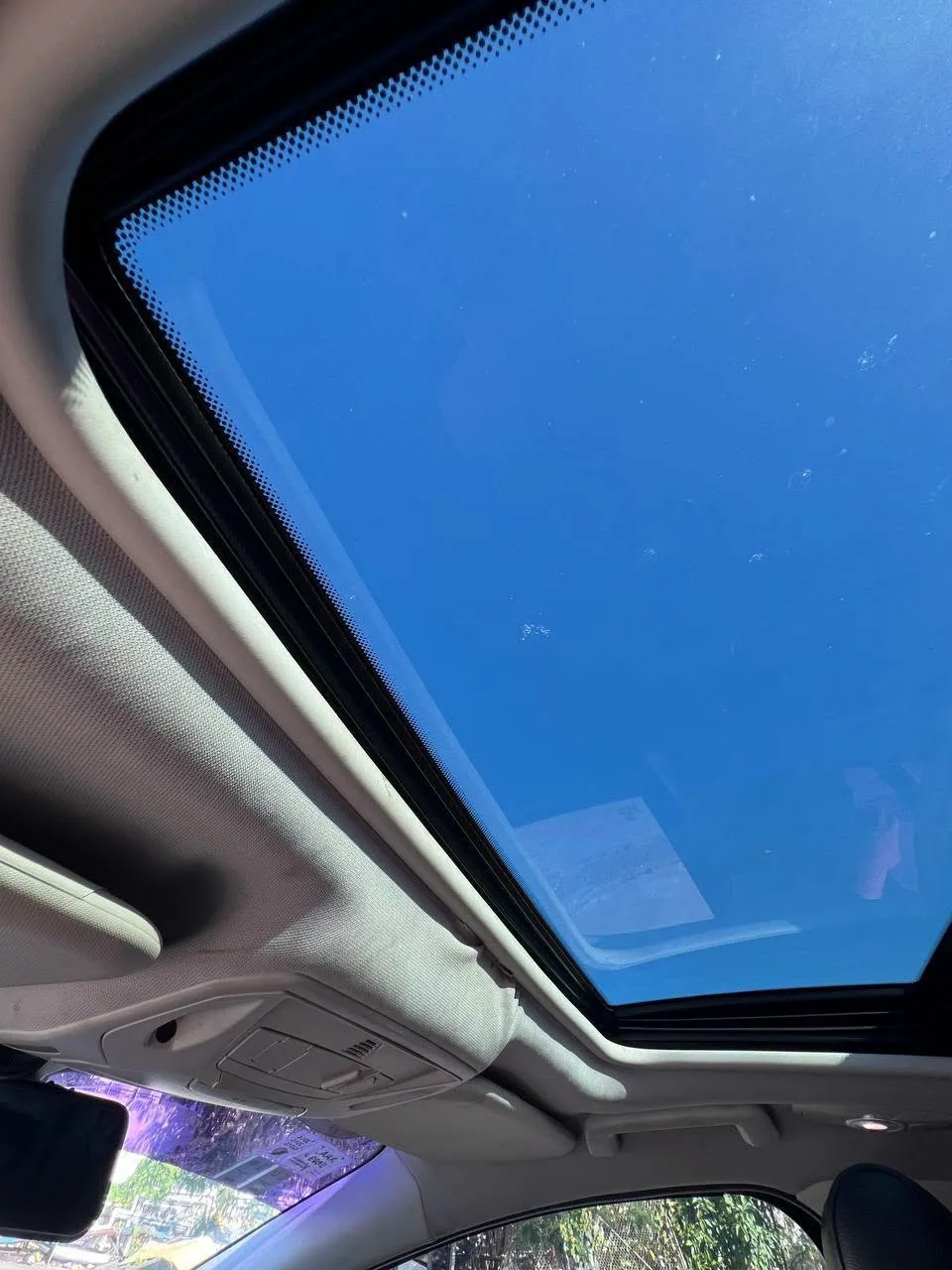
Look beyond the glass. Agree the inspection before the deposit.
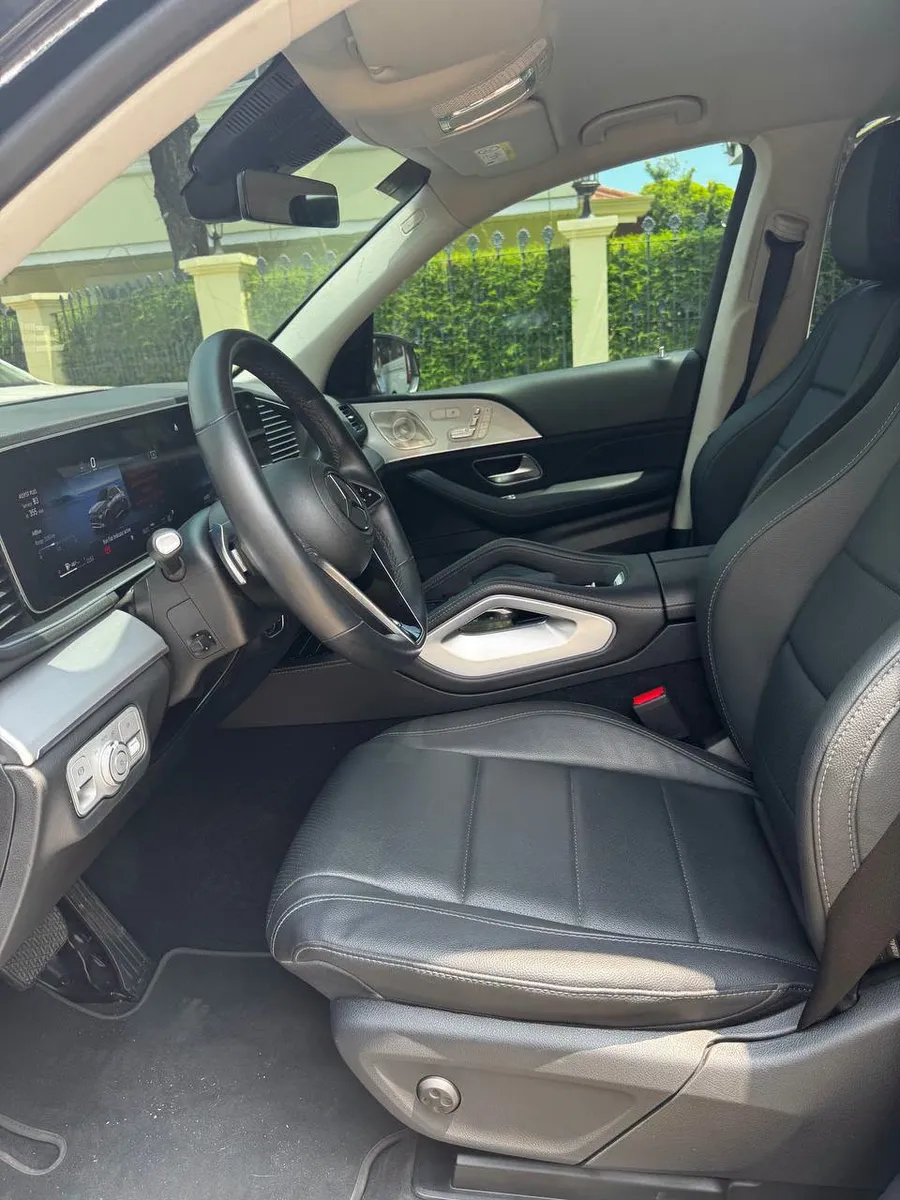
Replicate a normal driving position. Shortlist by the tightest constraint.
Set up a live walkthrough. Make the decision after the written recap.
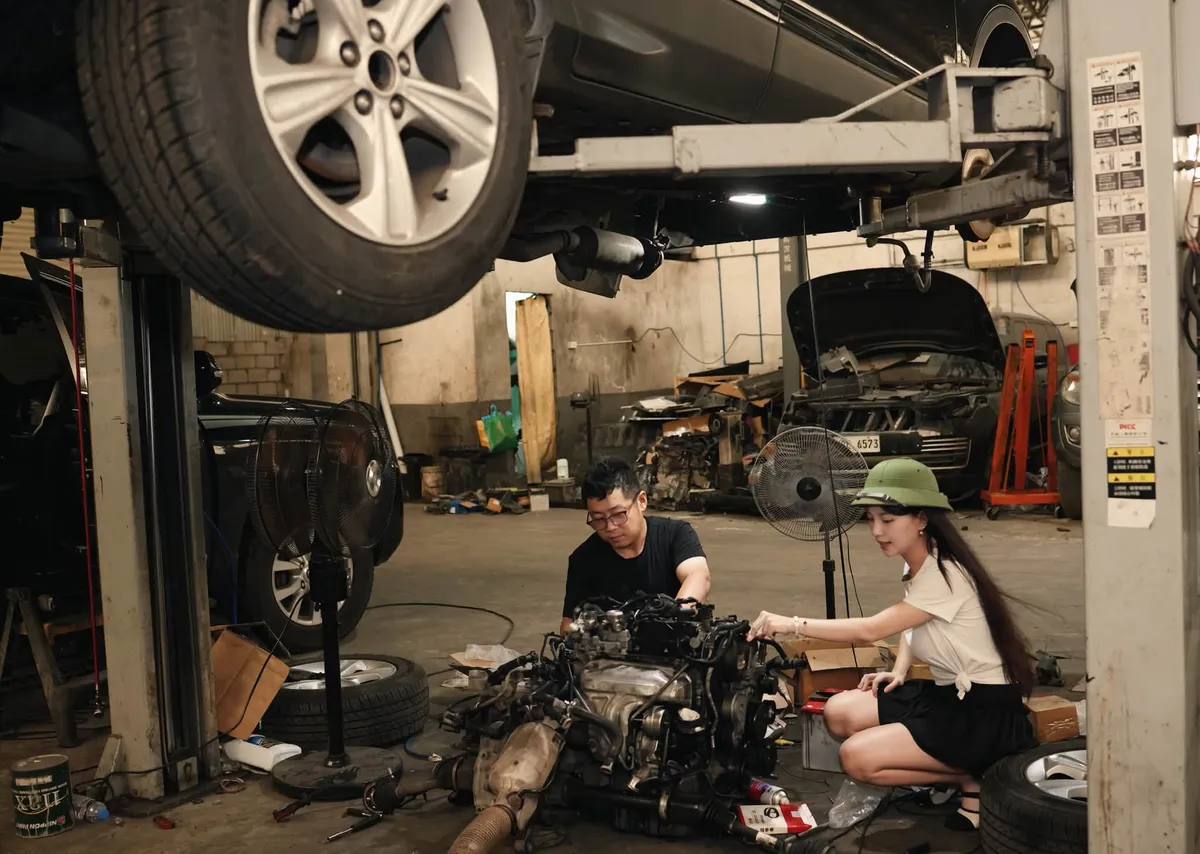
Build a repair timeline. Ask what remains to be verified.
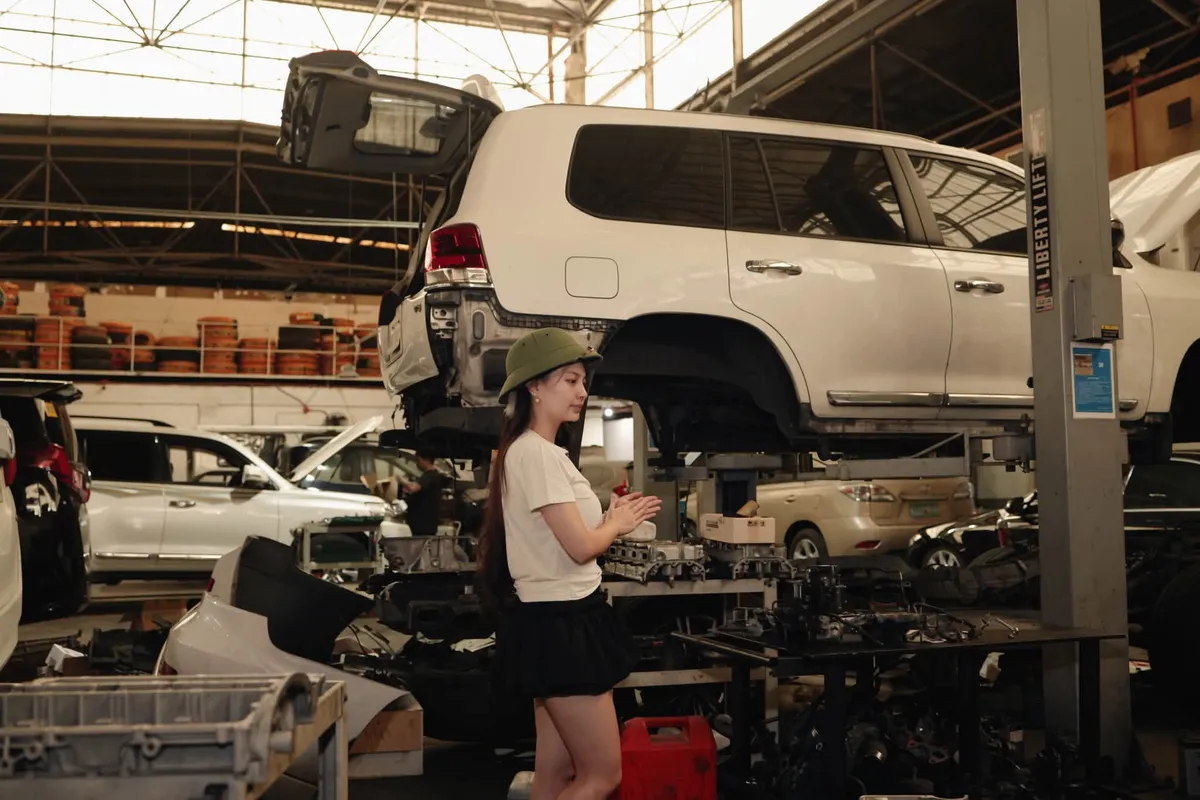
Ask for the as-is offer first. Compare what you would actually keep.
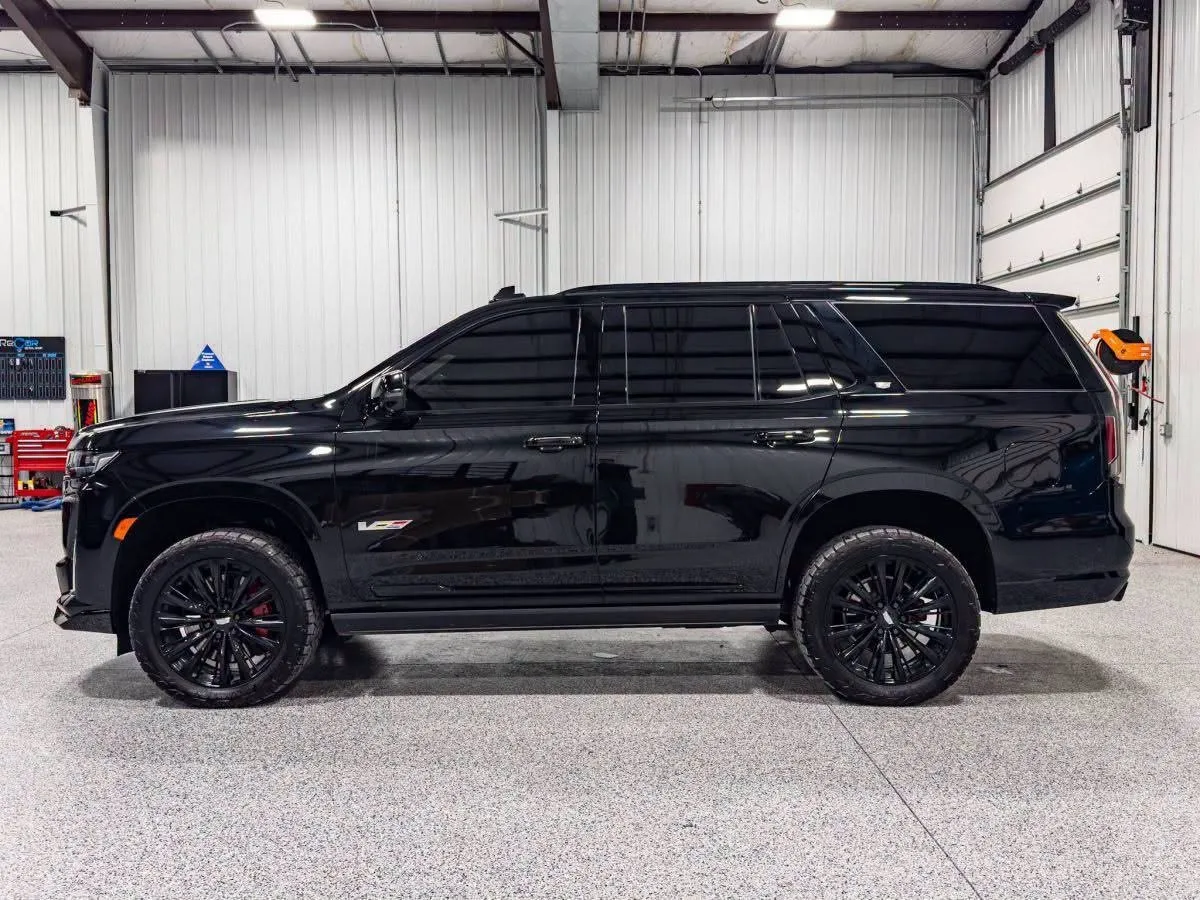
Describe storage and recent use. Choose where to inspect it.
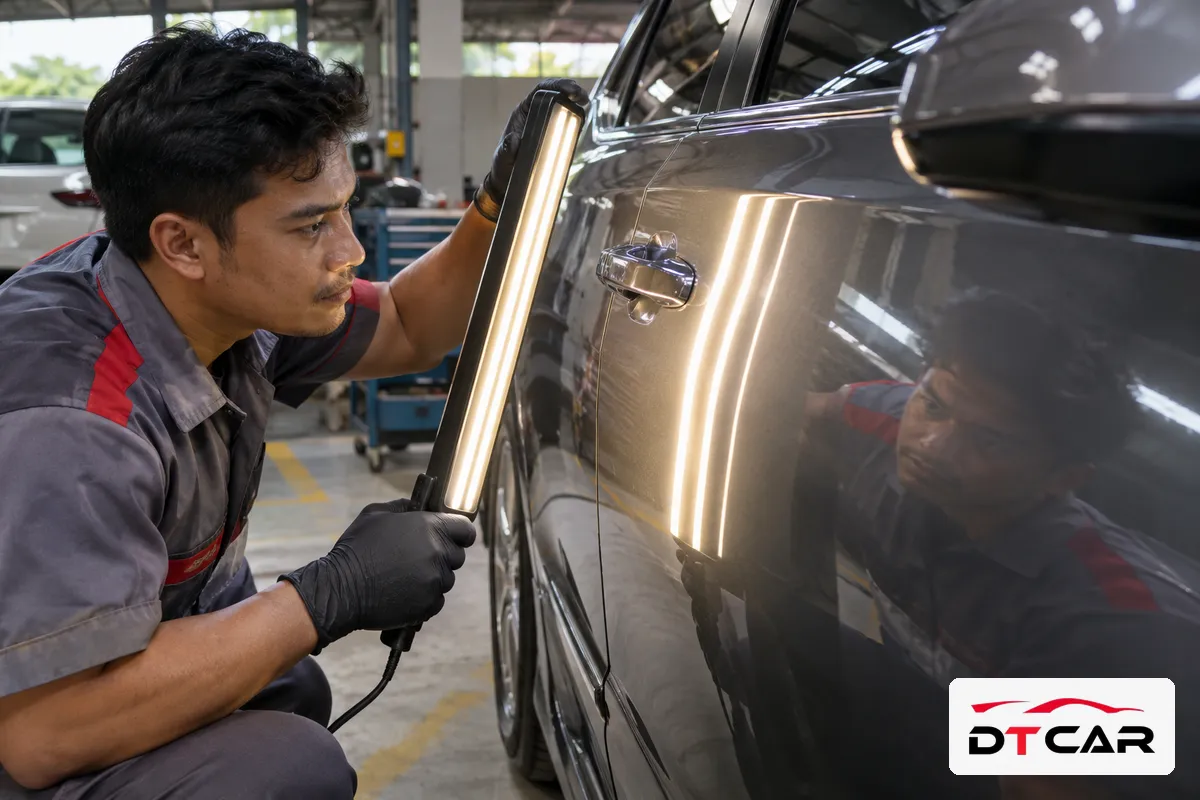
Create a short panel-by-panel record. Set the scope of the inspection.

Show coverage and condition. Agree who pays for removal.
Work backwards from your last essential trip. Make a backup arrangement.
Prepare comparable information. Factor in the car you keep.
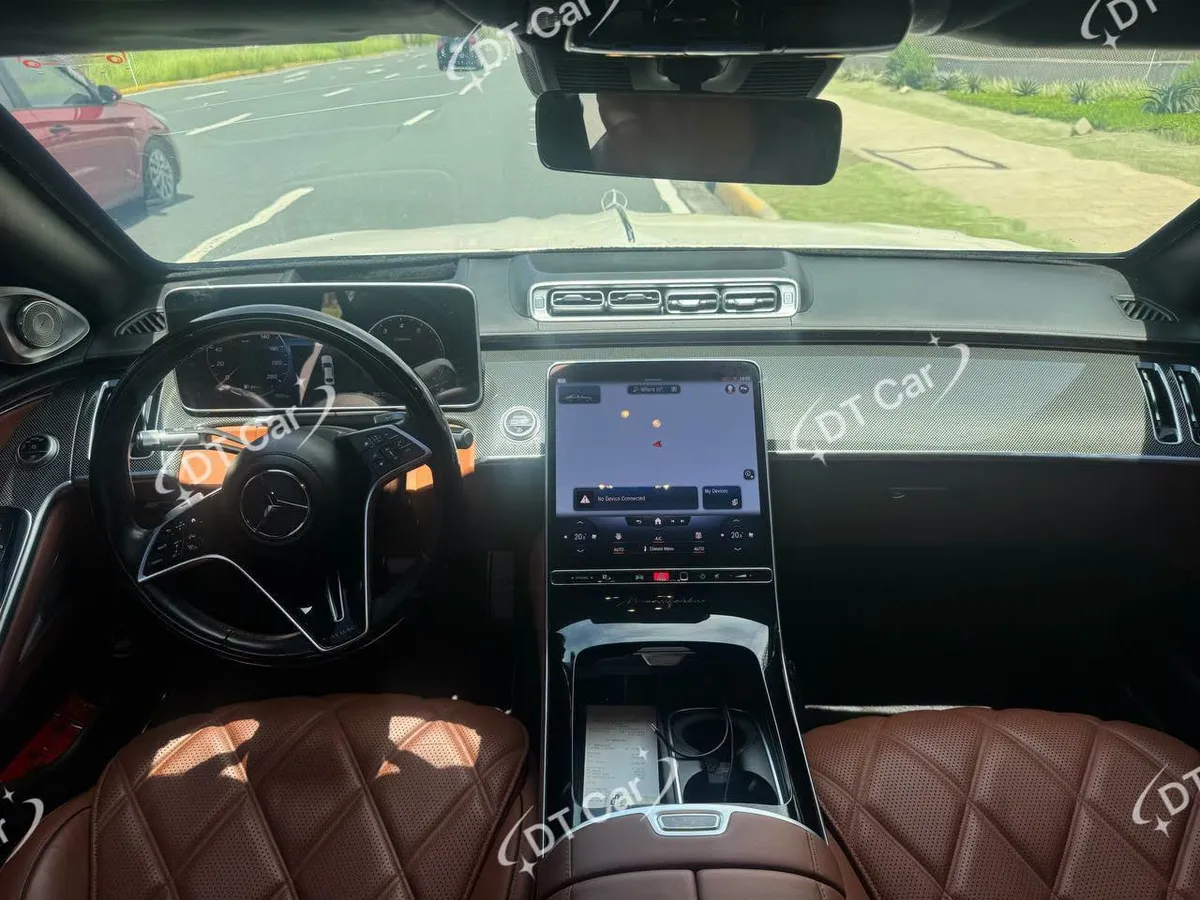
Document the installation. Compare the complete package.
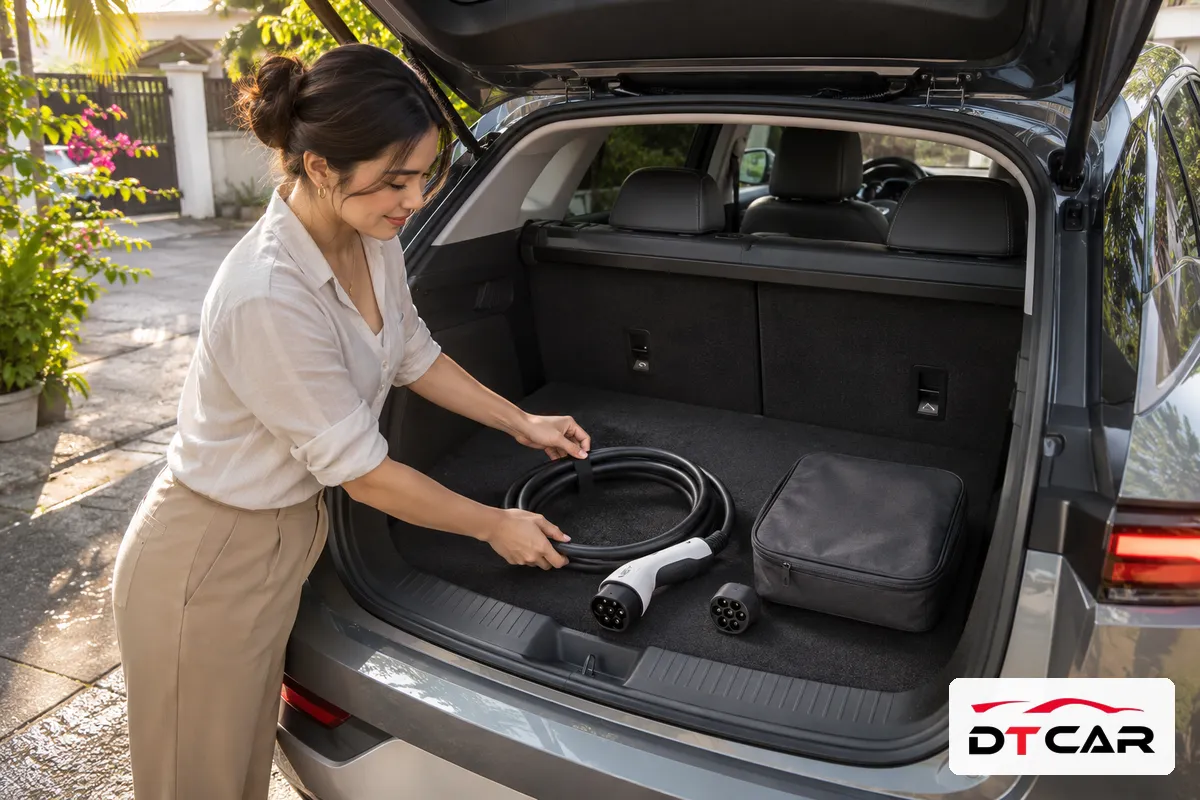
Inventory what is yours to hand over. Request an offer for the actual package.
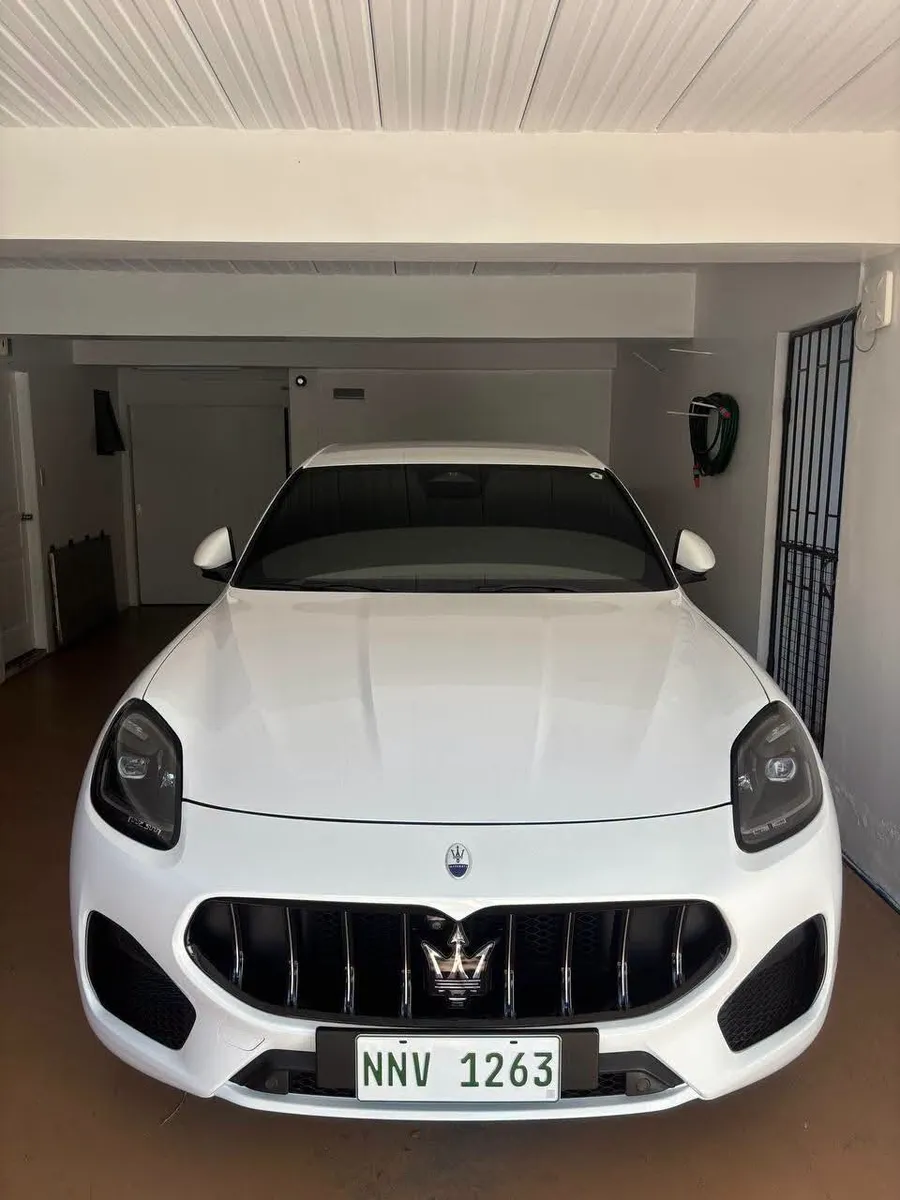
Ask the building about visitor access. Plan for a workshop visit.
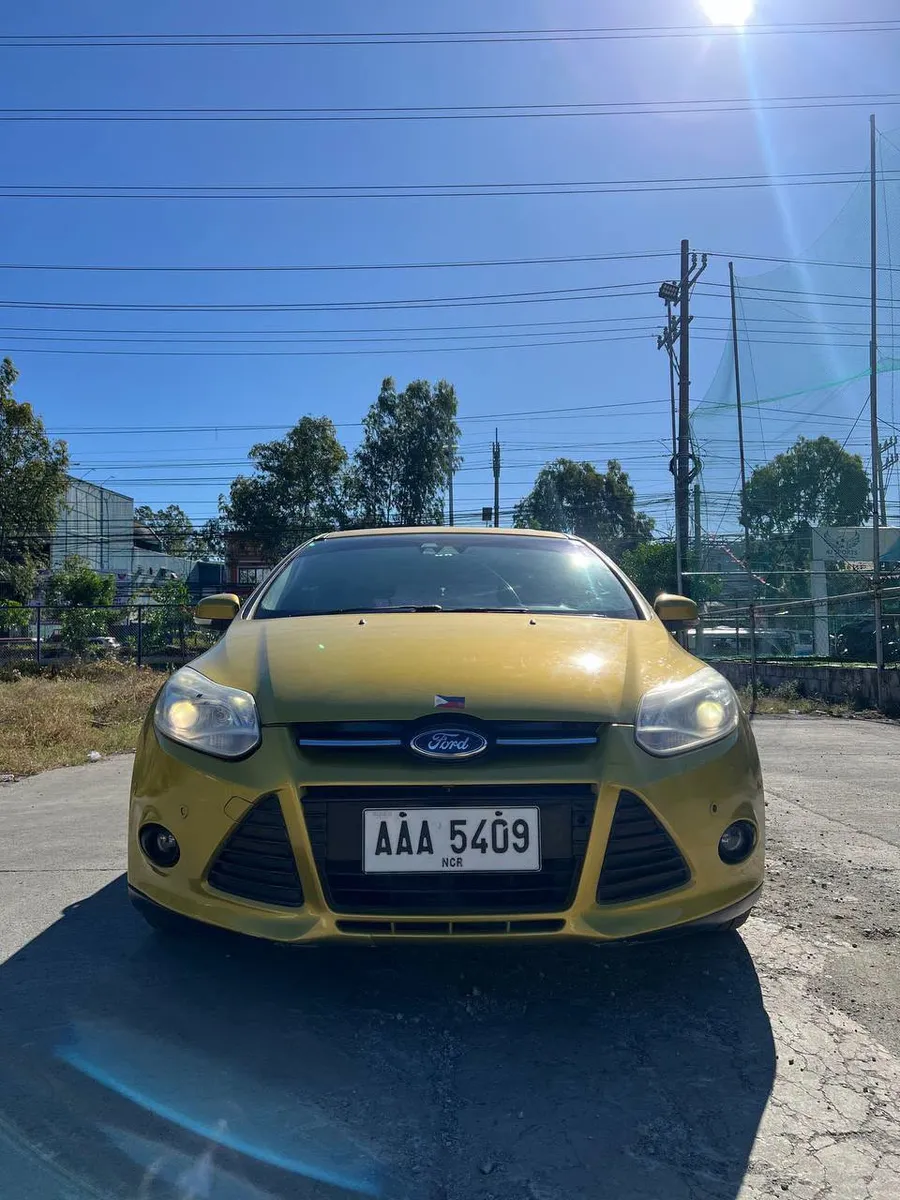
Build a shortlist around a total budget of ₱500,000 and request currently available cars to view.
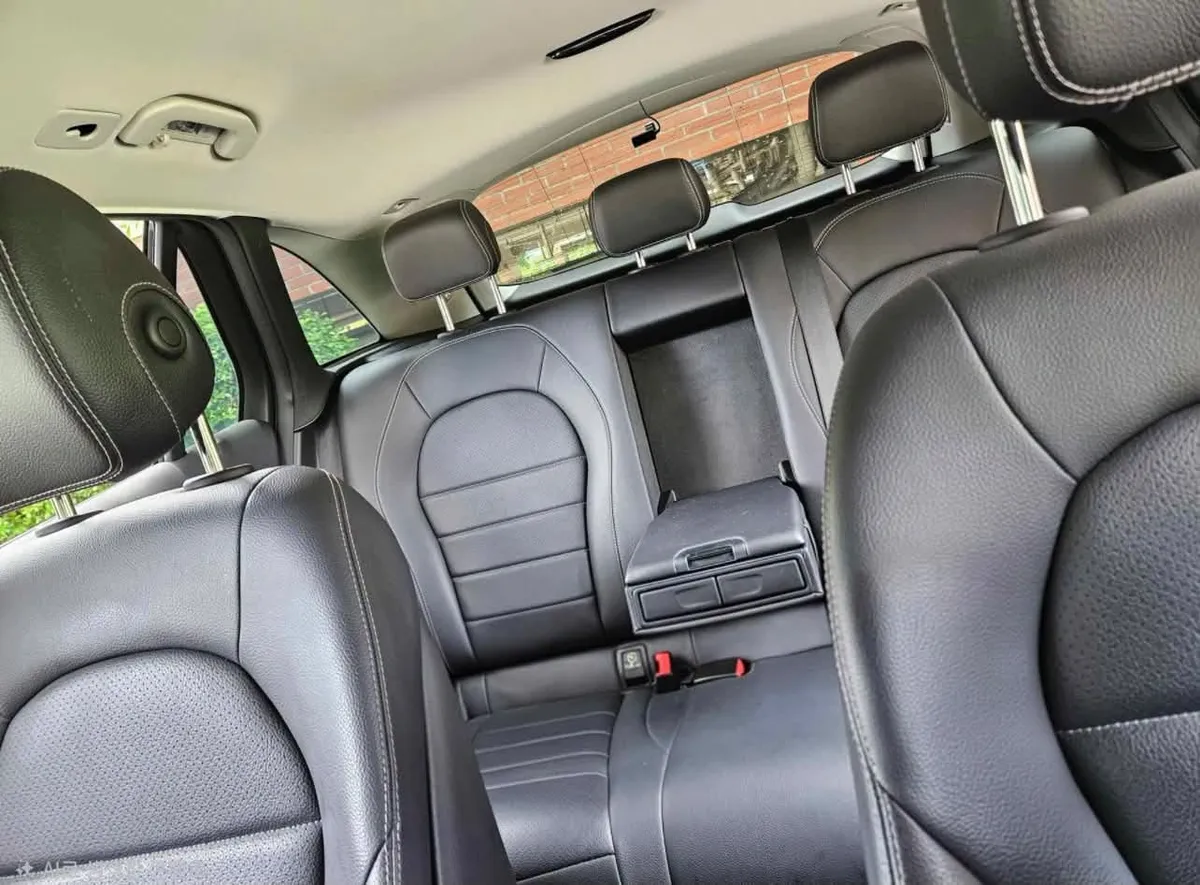
Compare third-row access, luggage room and everyday parking before booking a seven-seat vehicle viewing.
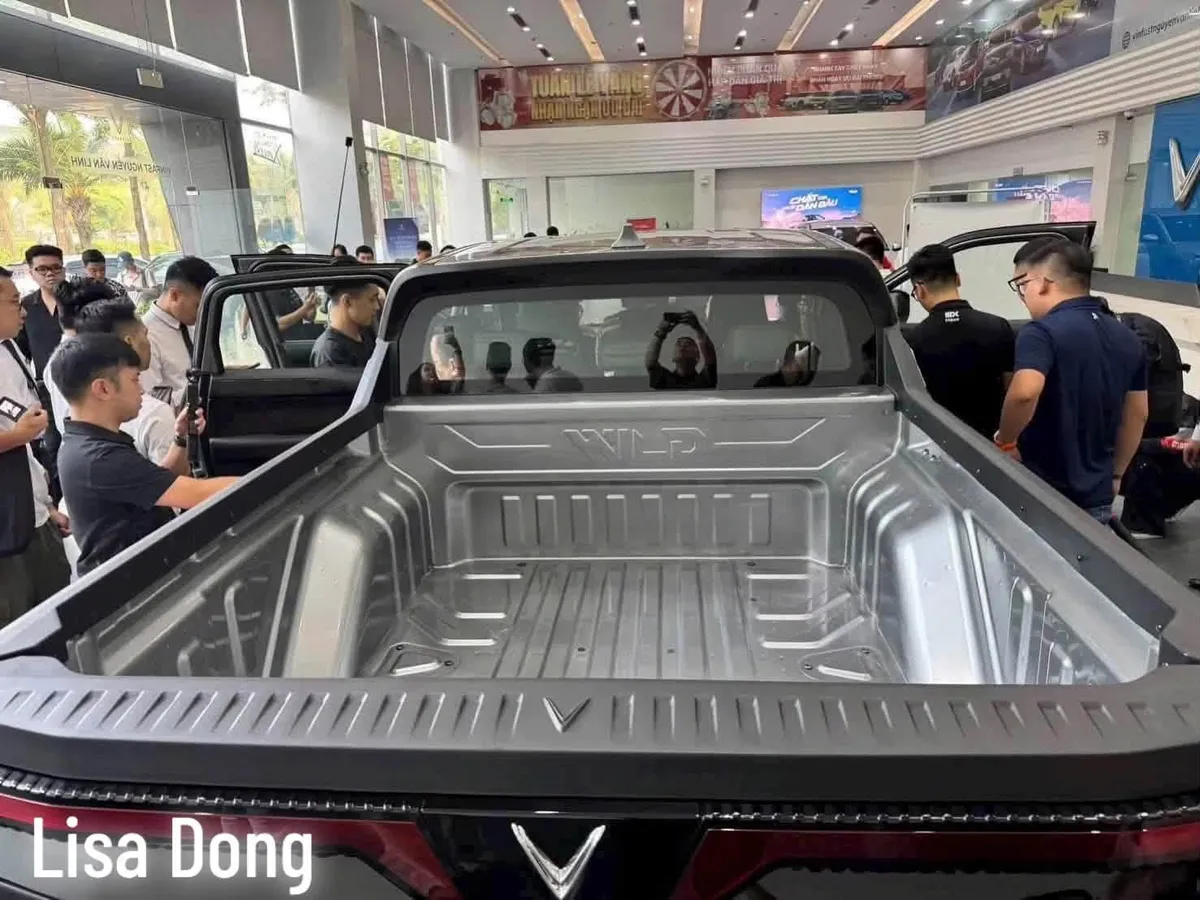
Shortlist a double-cab pickup by bed dimensions, rear-seat space and its previous use.
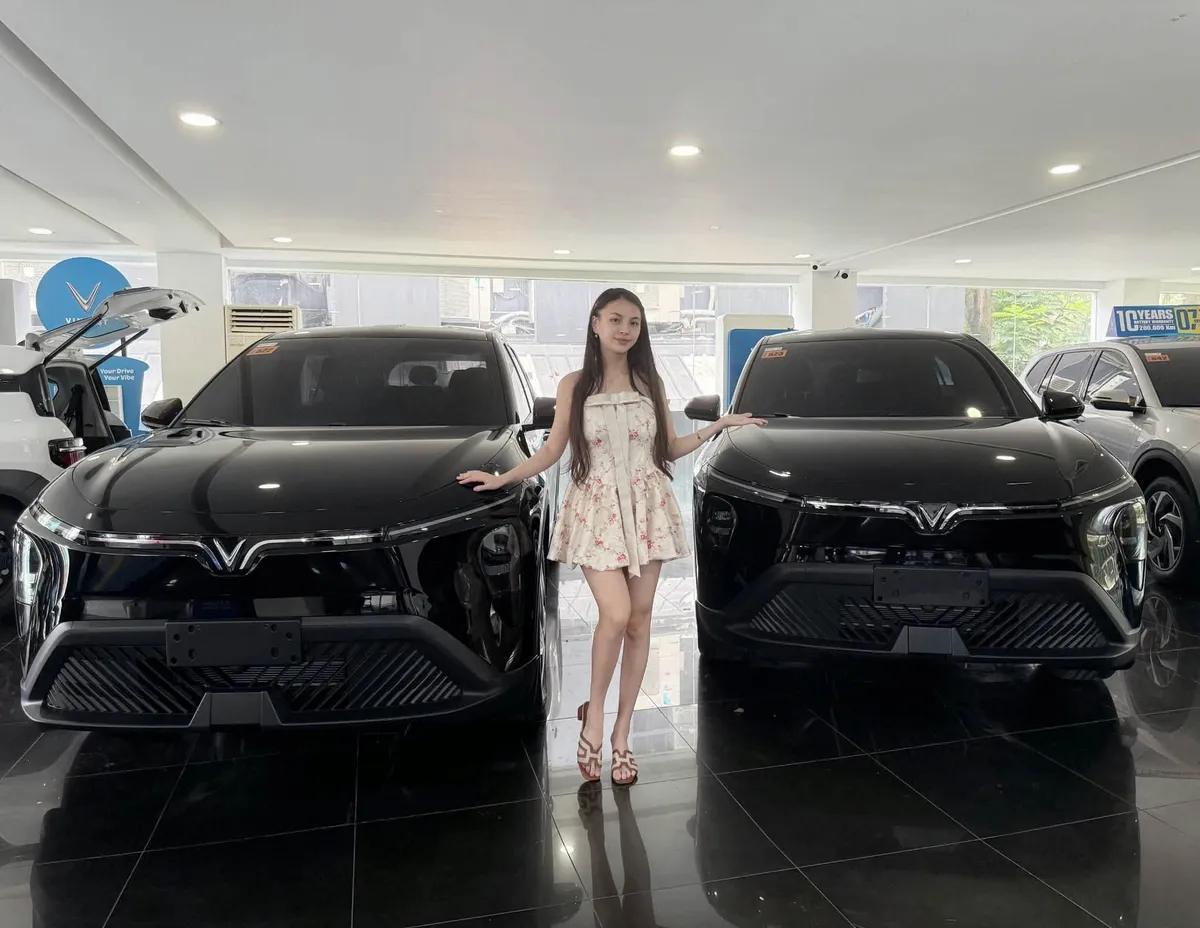
Gửi ngân sách và nhu cầu bằng tiếng Việt để DT Car kiểm tra xe còn bán trước khi bạn đi xem.
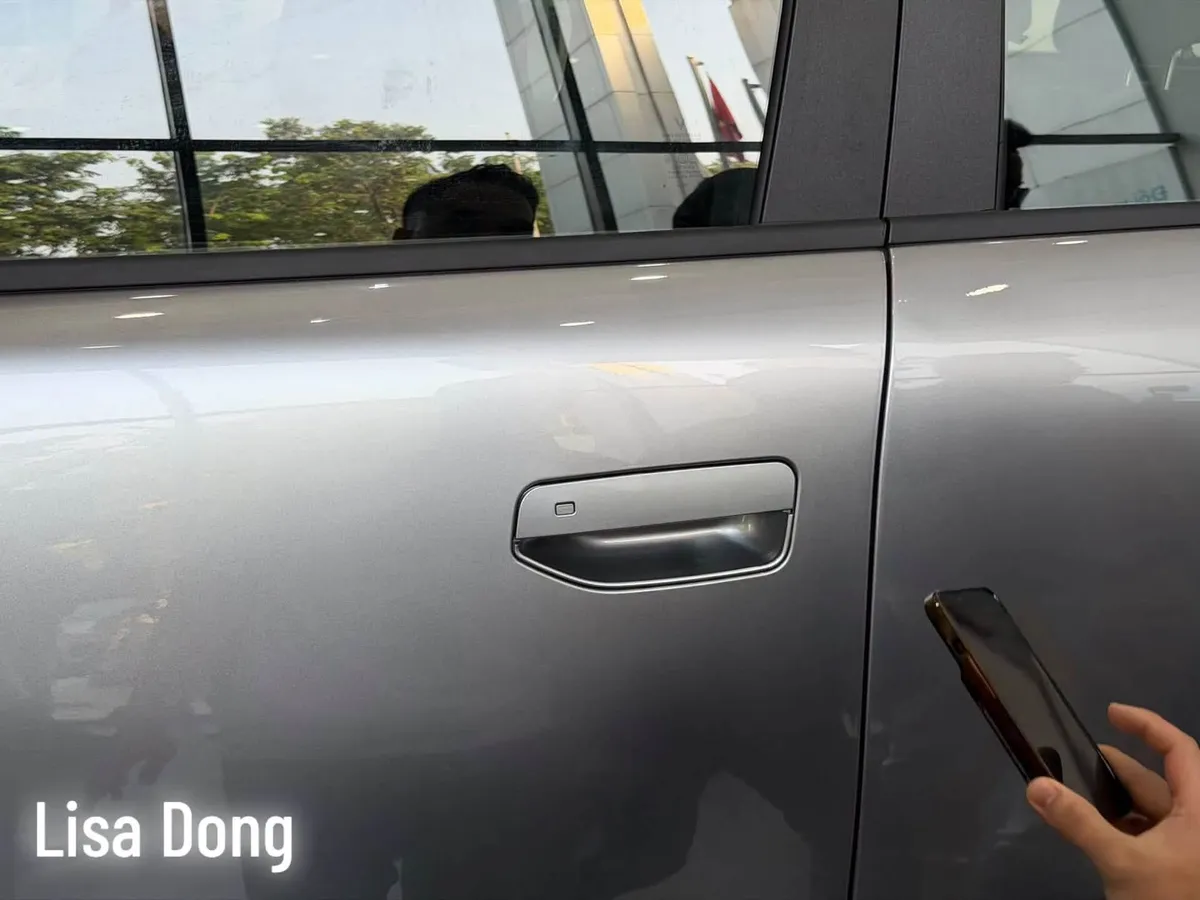
Show an appraiser what was painted, why it was repaired and what records you still have.
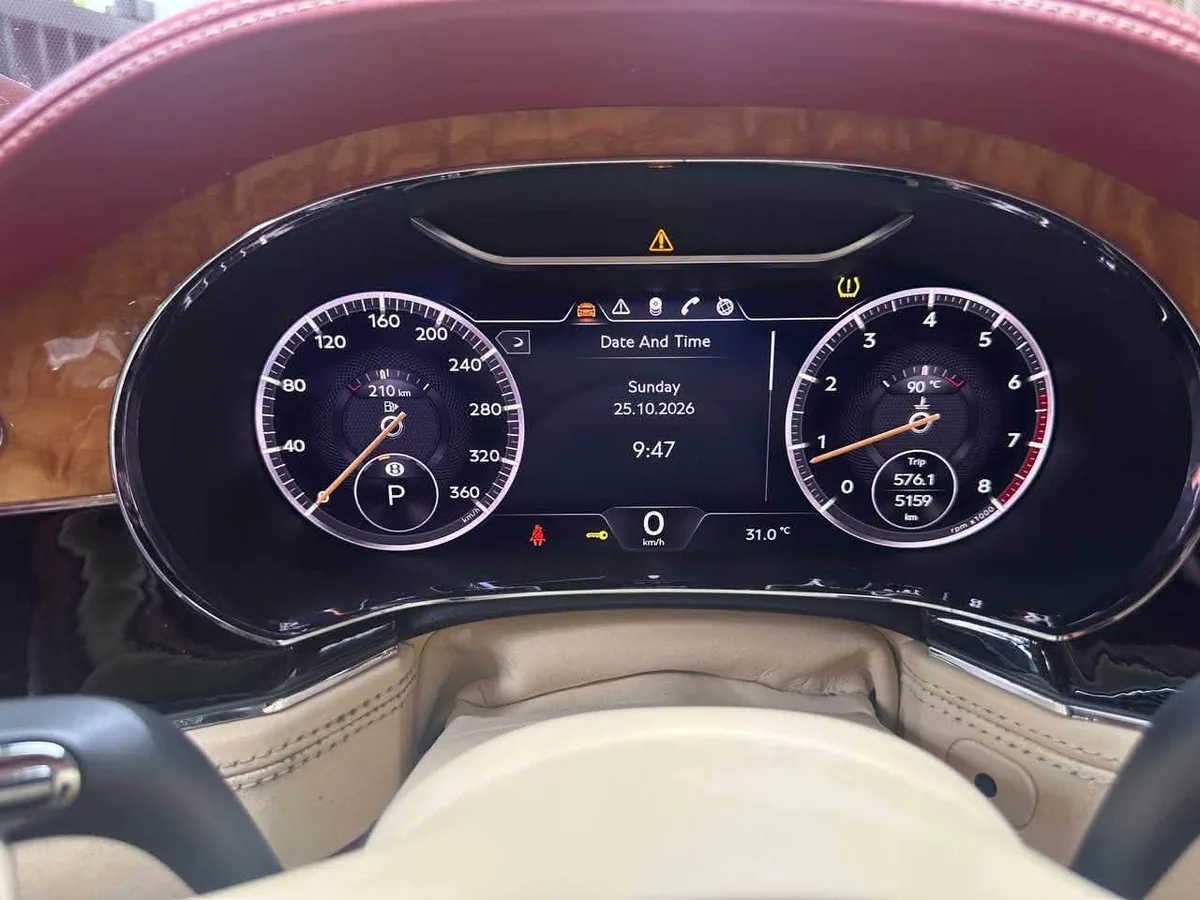
Support a low odometer reading with a dated maintenance timeline for a DT Car appraisal.
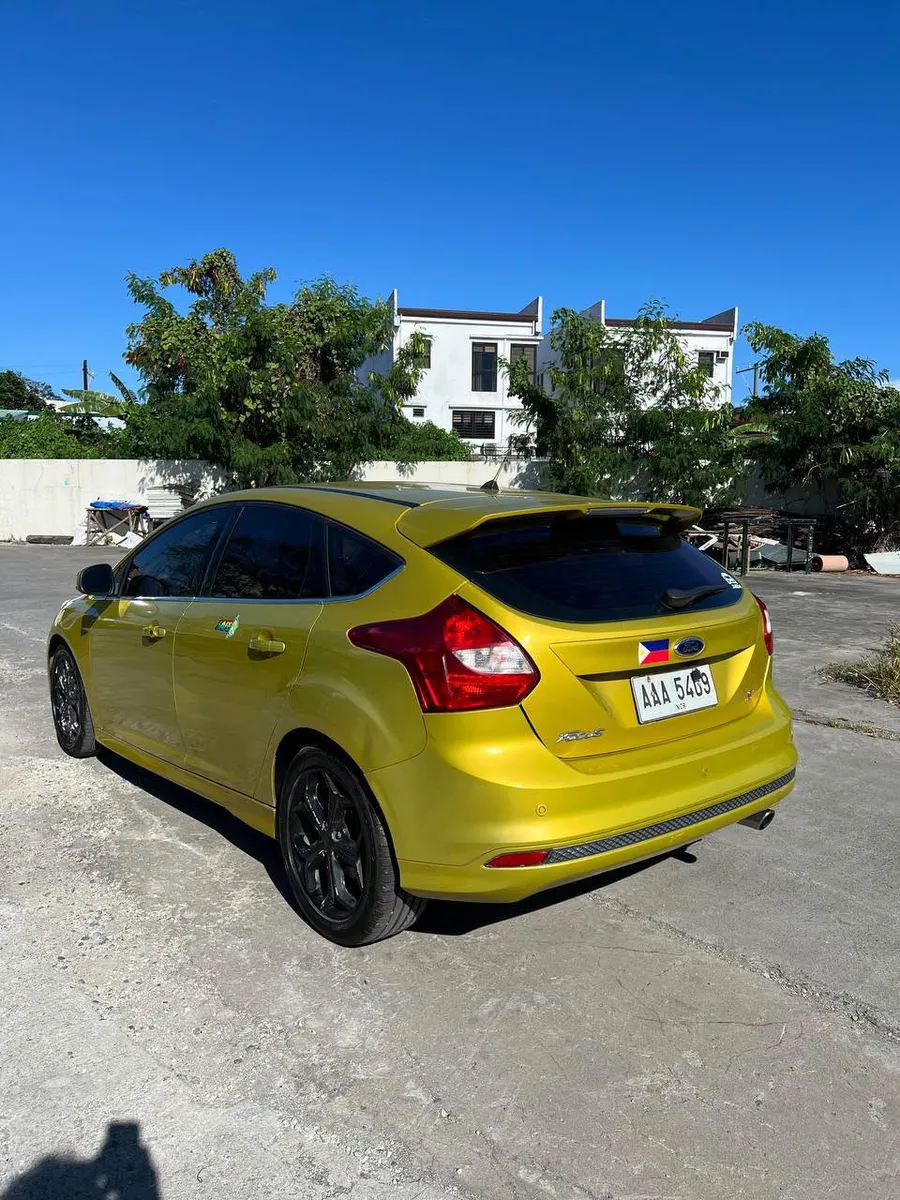
Request separate appraisals for company cars and plan staggered collection so staff keep transport.
Gửi thông tin xe trước để DT Car xác nhận lịch thẩm định phù hợp với giờ rảnh của bạn.
Ask DT Car to source a Honda City by year, transmission, budget and viewing area.
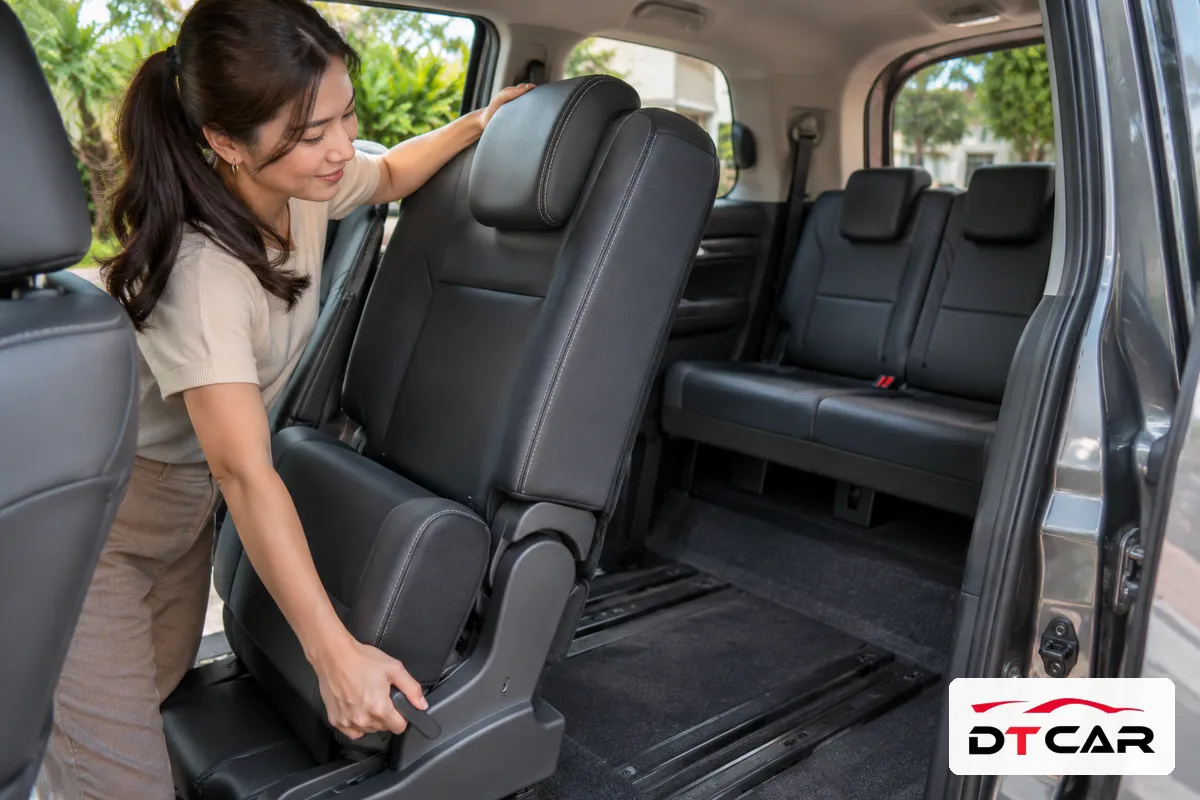
Tell DT Car your passenger count and budget to enquire about an Xpander you can actually view.
Compare a cheaper car needing work with a more expensive unit that has service records. Ask DT Car for a two-car shortlist in Manila.
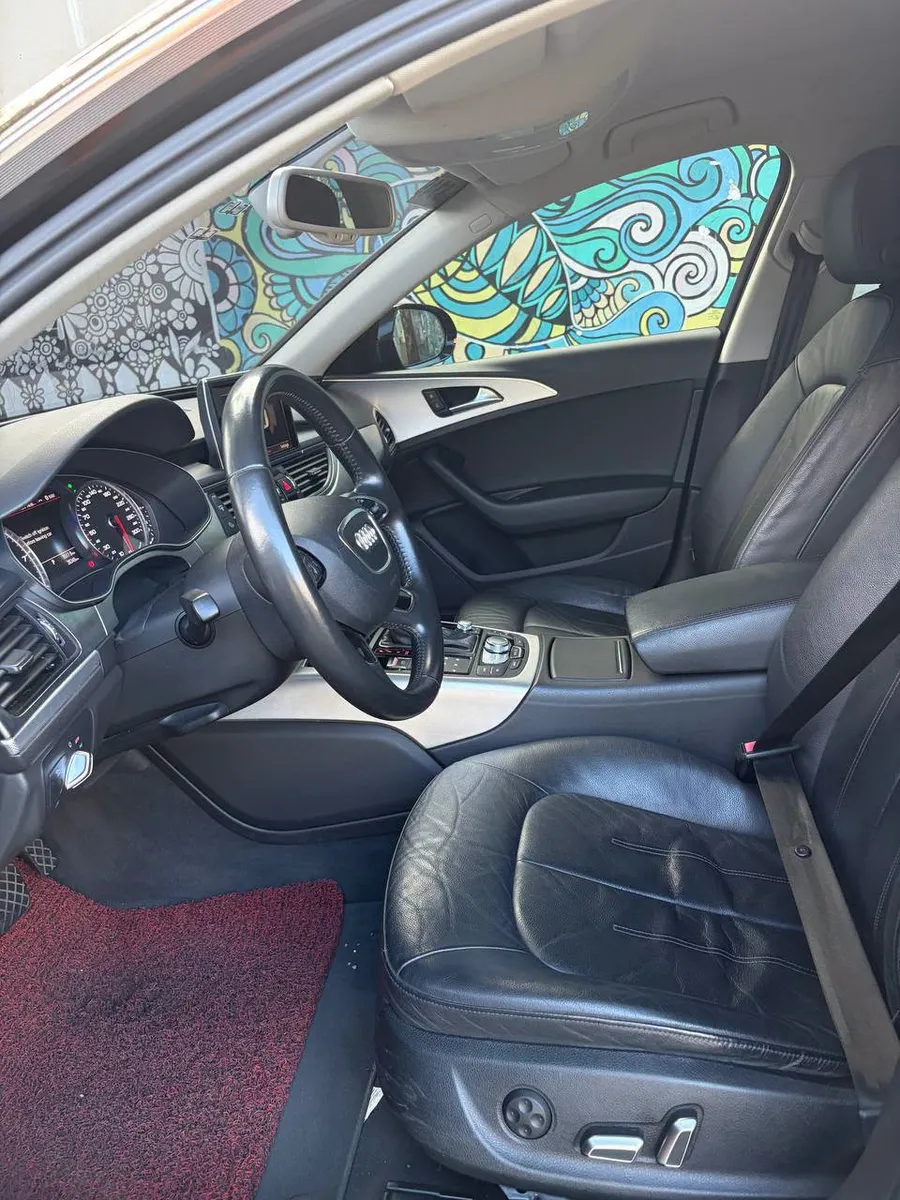
Shortlist an automatic that both drivers can park, see out of and use on a normal workday.
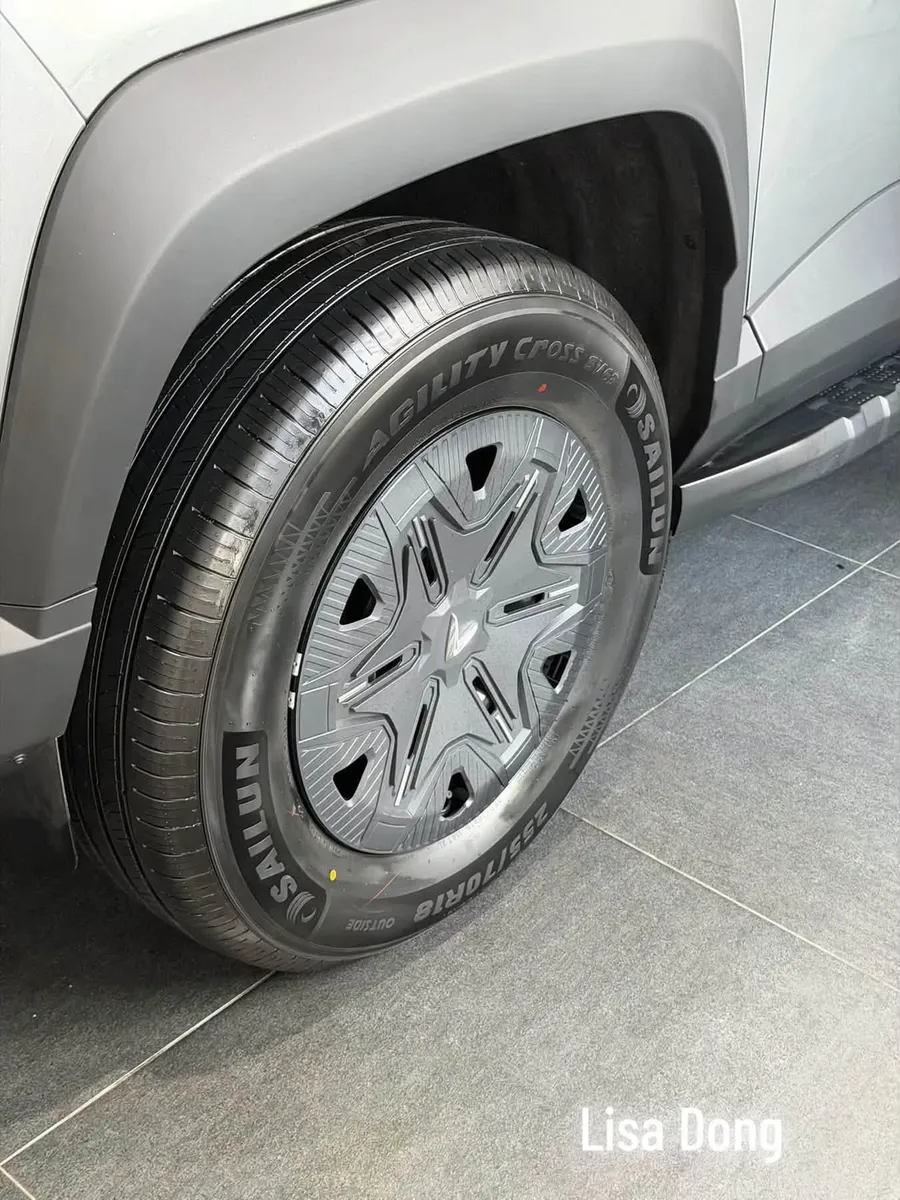
Request a used-car appraisal that distinguishes the vehicle, fitted upgrades and original parts.
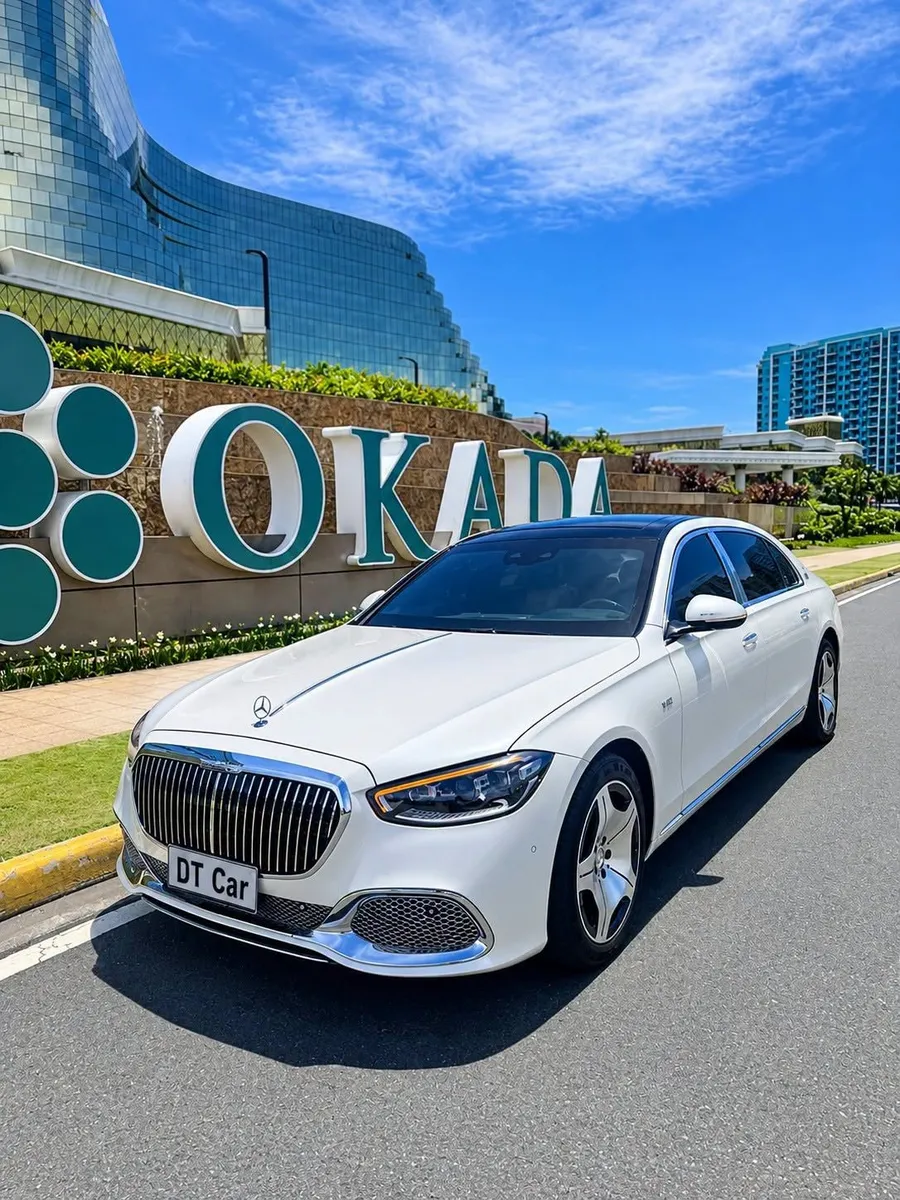
Coordinate appraisal, offer expiry and replacement-car delivery before agreeing to hand over your daily driver.

Read dates, mileage and completed work on Philippine used-car service records before an inspection.
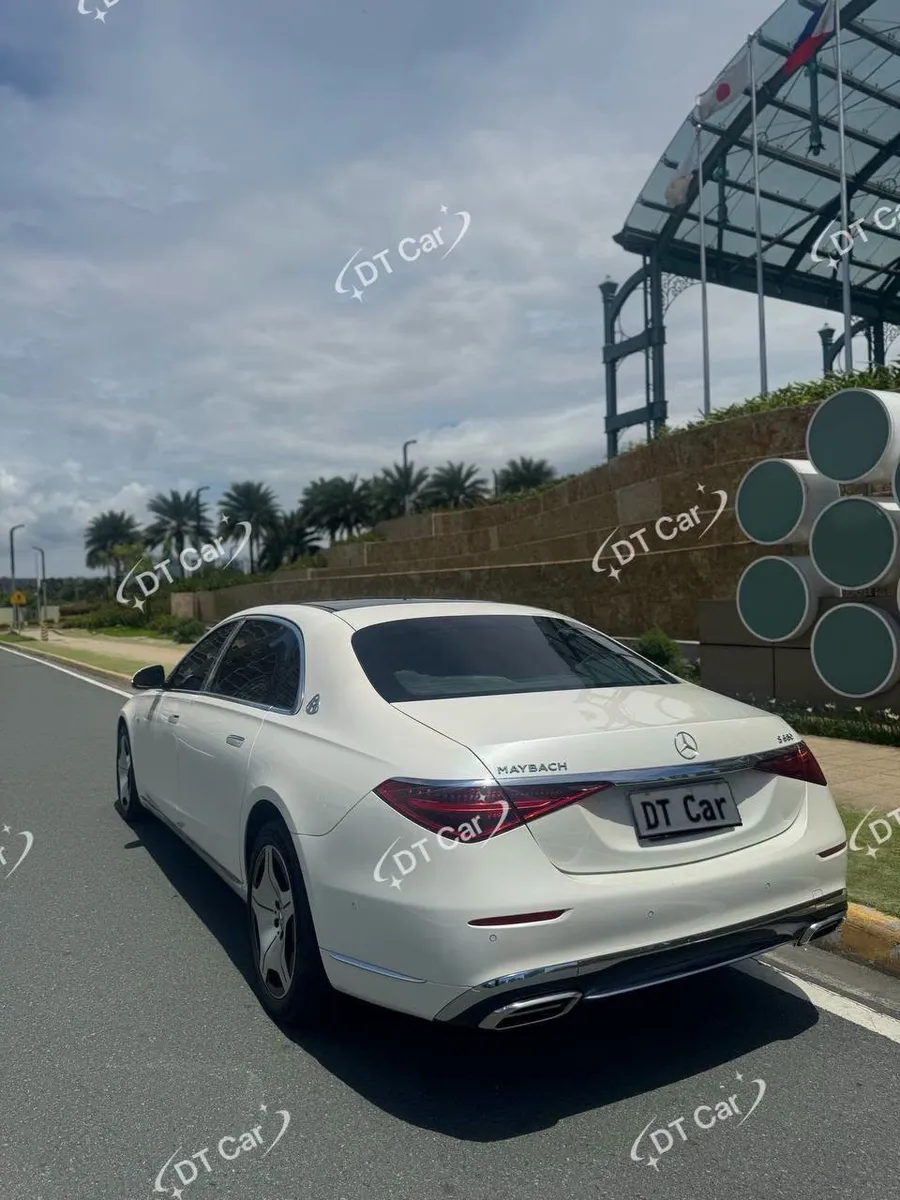
Compare cash offers for a Manila used car after deductions, inspection conditions and payment timing.

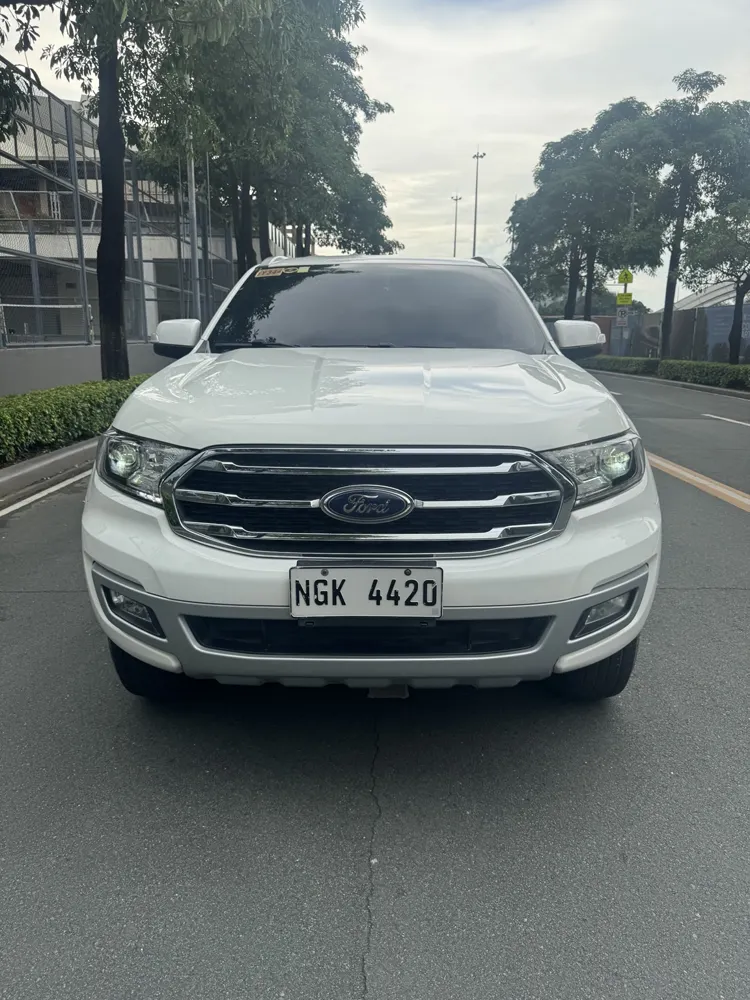
Prepare your Ford Everest variant, equipment, photos and service details for a Manila appraisal.
Shortlist a Manila used car remotely with a live walkaround and a confirmed inspection appointment.
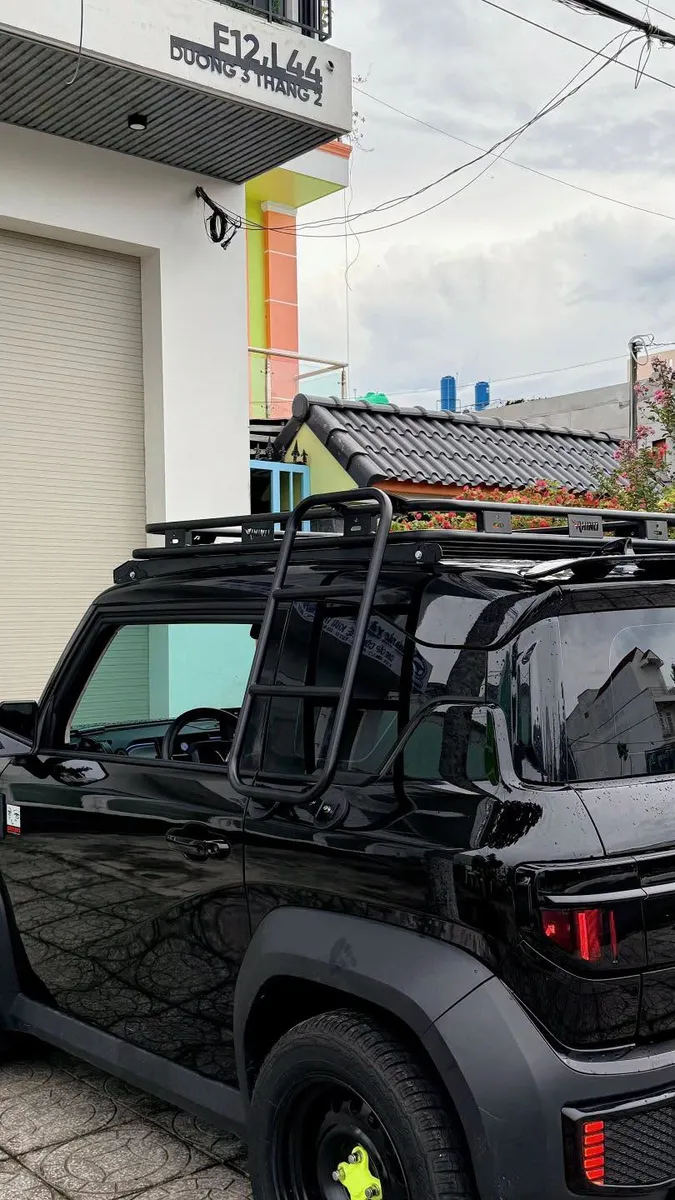
Document wheels, accessories and modifications so every purchase offer covers the same used car.
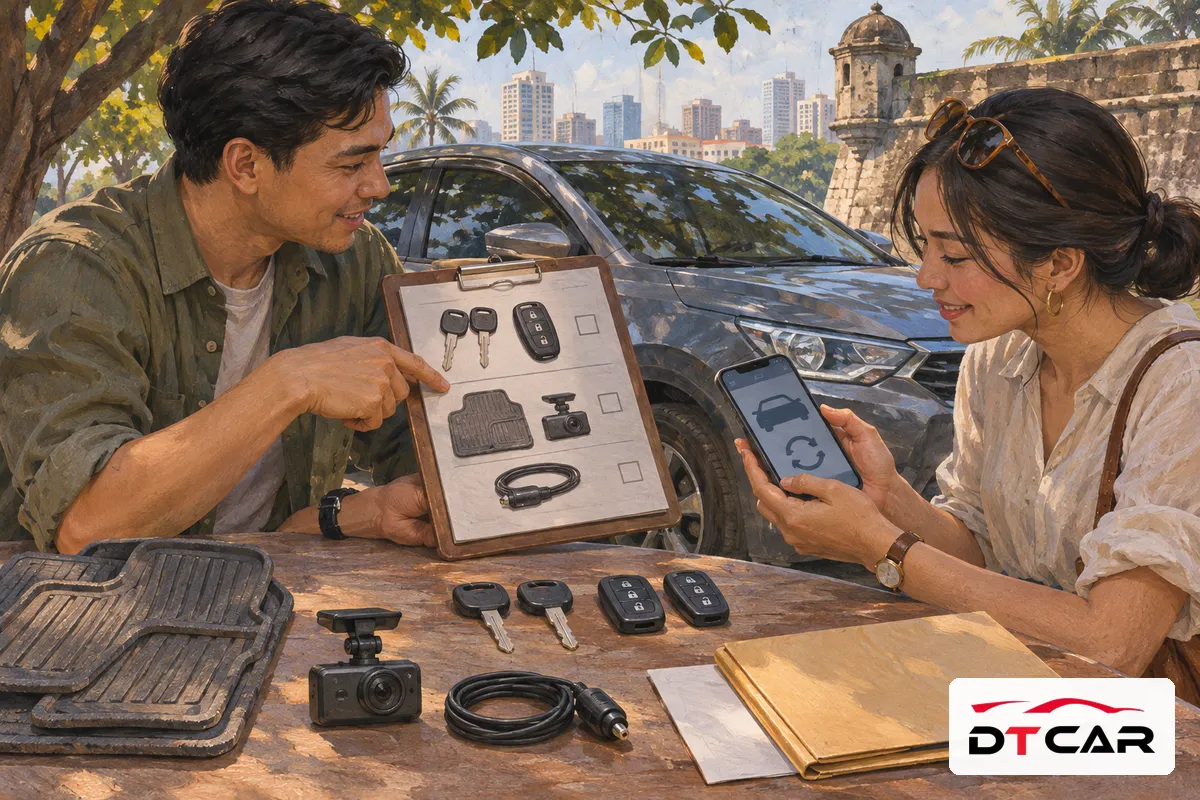
Use a handover inventory for spare keys, loose accessories and connected accounts when selling a car.
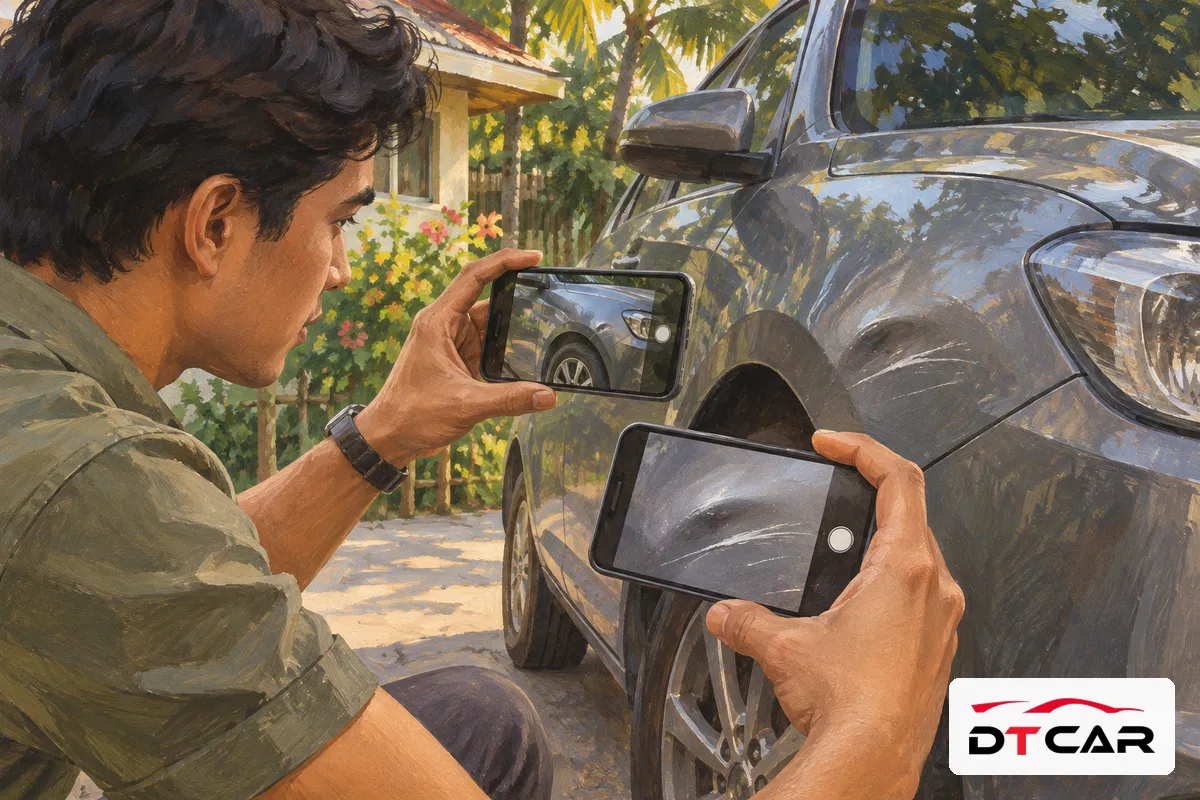
Take appraisal photos that show both the location and detail of dents, scratches and previous repairs.
Sắp xếp lịch xem xe và bàn giao tại Manila trước chuyến bay về Việt Nam, kèm mẫu hỏi giá thu mua.
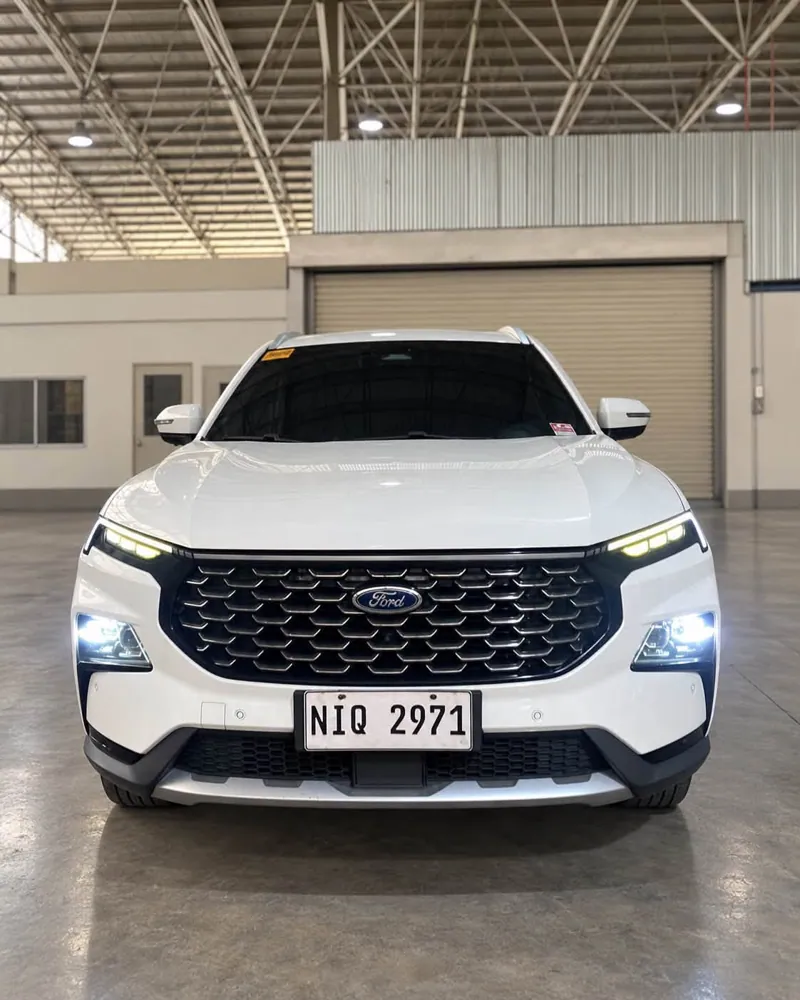
用一条中文消息说明车况、约看时间和交车条件,比较马尼拉二手车收购报价。
从核对目标车辆到预约独立检查,准备第一次在菲律宾看二手车时要问的问题。
为菲律宾公司车队准备逐车资料,比较整批收购与分批交车的条件。

차량 사진과 함께 보낼 한국어 문의 문장, 마닐라 차량 확인 약속과 매입 실수령액을 정리합니다.
필리핀 중고차를 예약하기 전에 판매 상태, 차량 식별 정보, 점검 기회와 취소 조건을 확인하세요.
중고차 매입가와 교체 차량 판매가를 분리해 마닐라 대차 견적의 실제 차액을 계산합니다.
Hẹn xem xe qua video, nhờ kiểm tra tại chỗ và xác nhận còn xe trước khi từ tỉnh khác tới Manila.
Mensahe at checklist sa pagpapakuha ng presyo ng kotse bago magpa-inspection sa Metro Manila.
Ihambing ang trade-in at direktang pagbenta gamit ang netong halaga at petsa ng pagkuha ng kapalit.
Compare a purchase offer, a buyer introduction and a consignment agreement before handing over your vehicle.
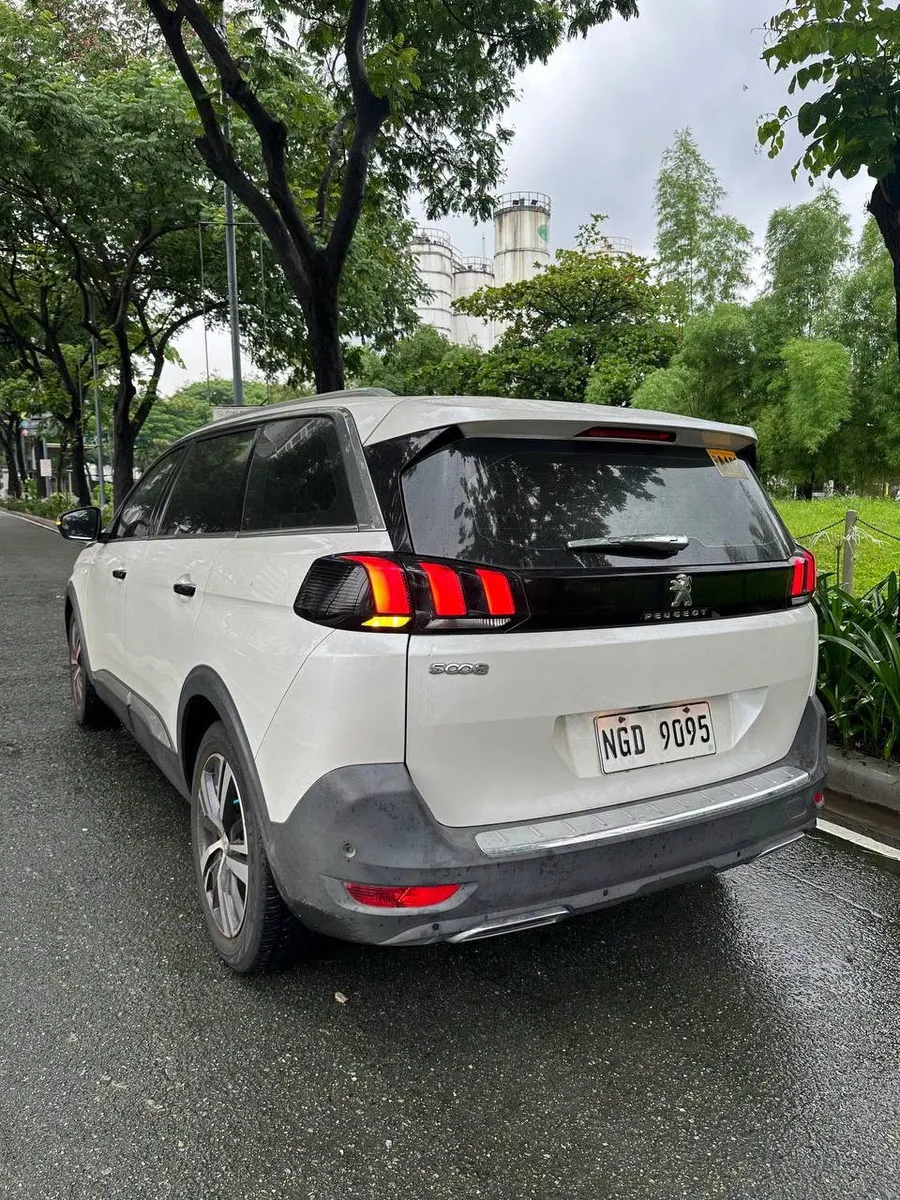
Plan an appraisal and vehicle handover around your departure date, with language support from DT Car.
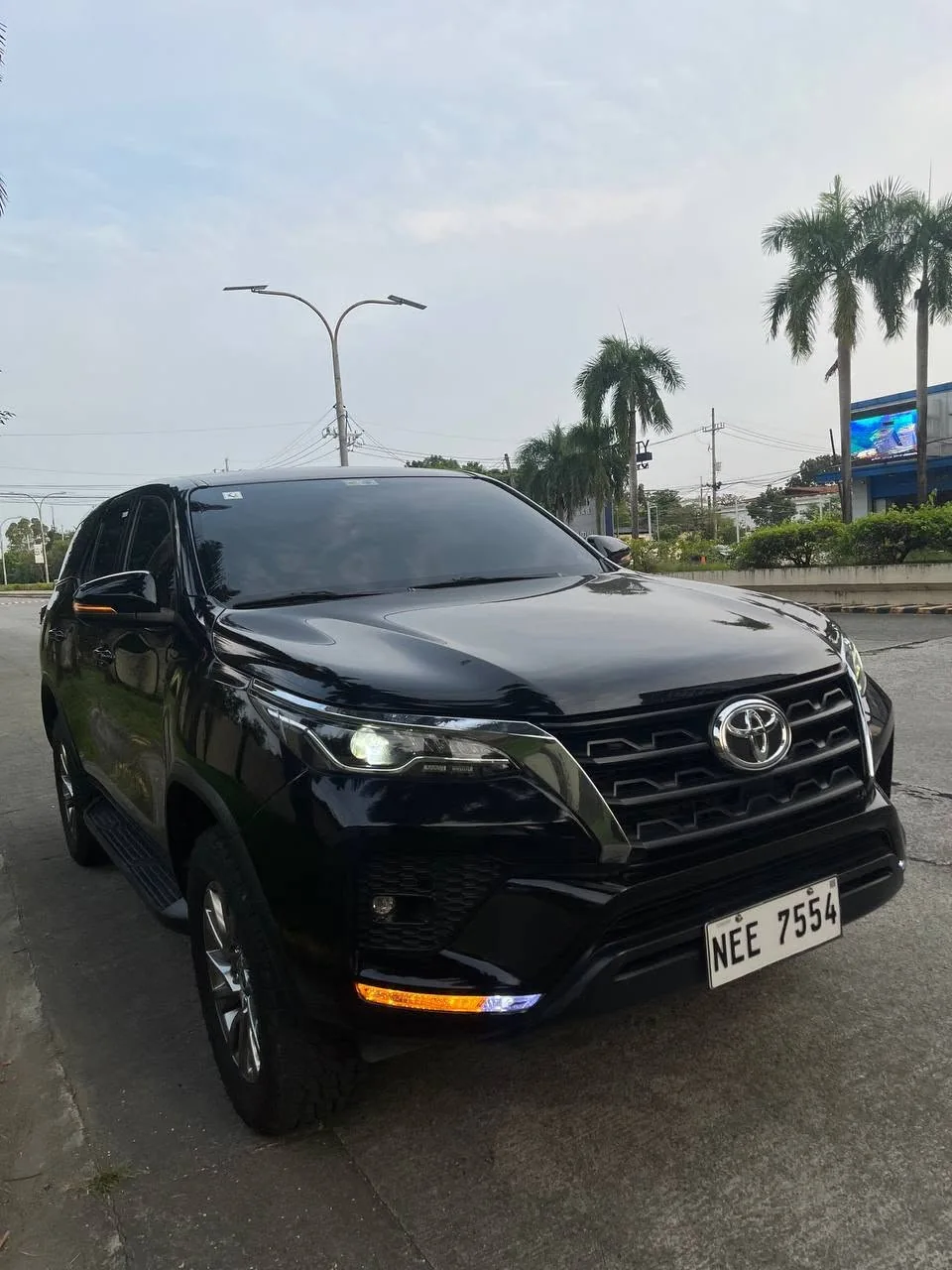
Compare two dated Fortuner G advertisements by model year, odometer and asking price before booking a viewing.
See how two dated DT Car asking prices for a 2018 Mazda CX-5 can inform a buyer’s questions.
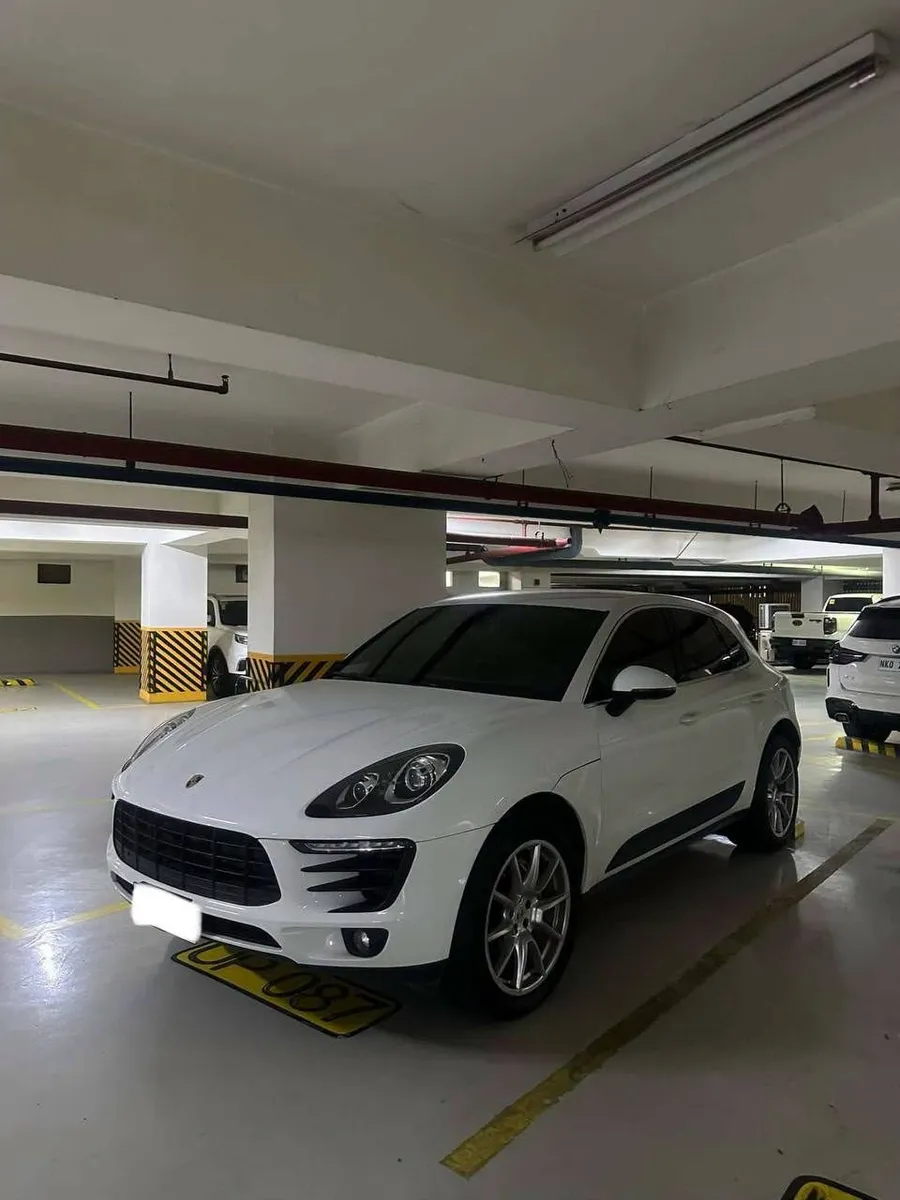
Find out what to confirm after a Philippine used-car seller marks a vehicle reserved.
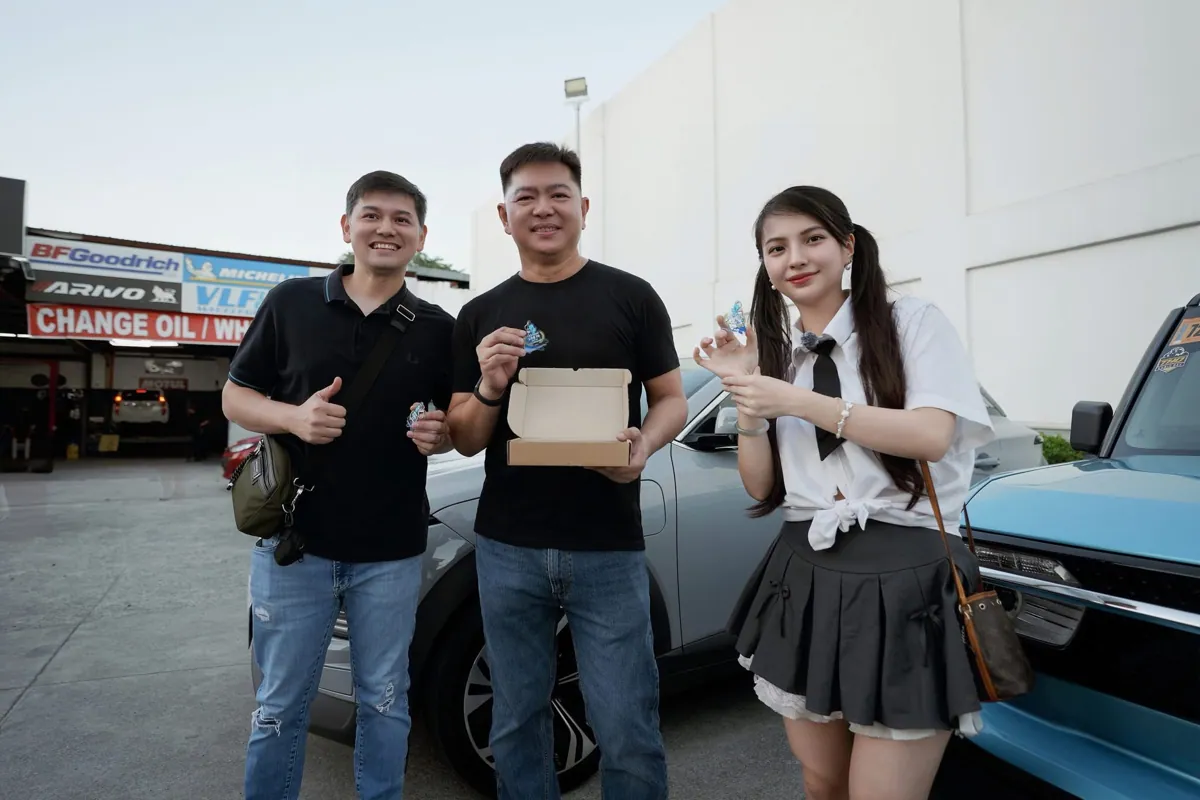
Prepare a seller-authorised vehicle referral and agree on terms before introducing the owner.

Prepare a vehicle appraisal and lender settlement enquiry with separate amounts, dates and responsibilities.
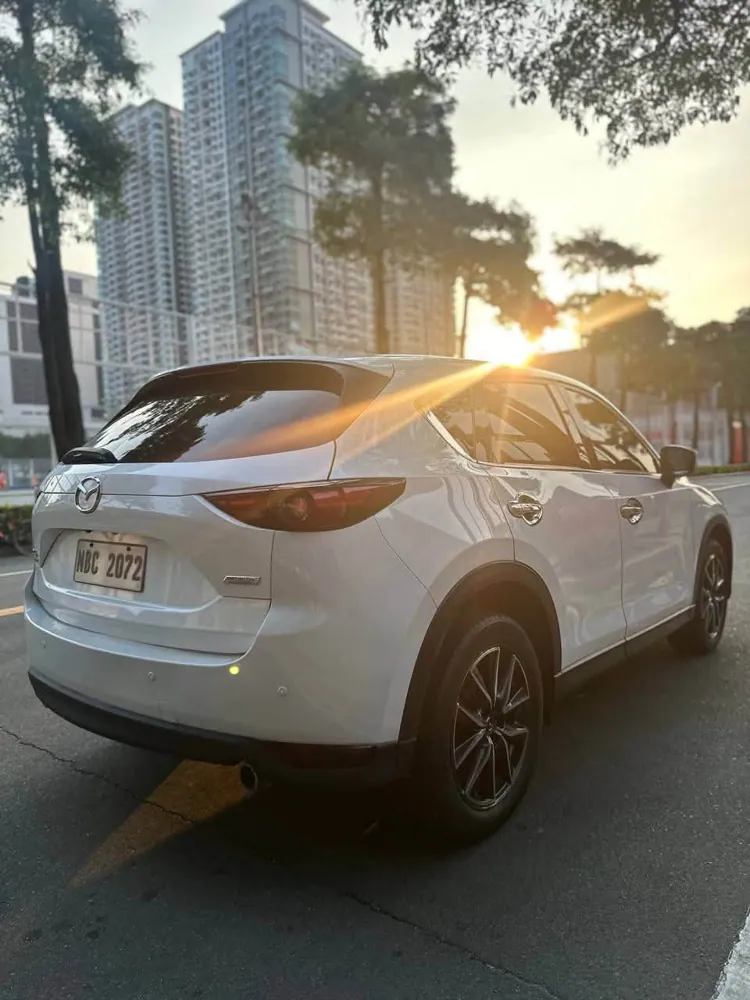
Prepare clear vehicle photos, mileage and condition details for a used-car appraisal with DT Car in Metro Manila.
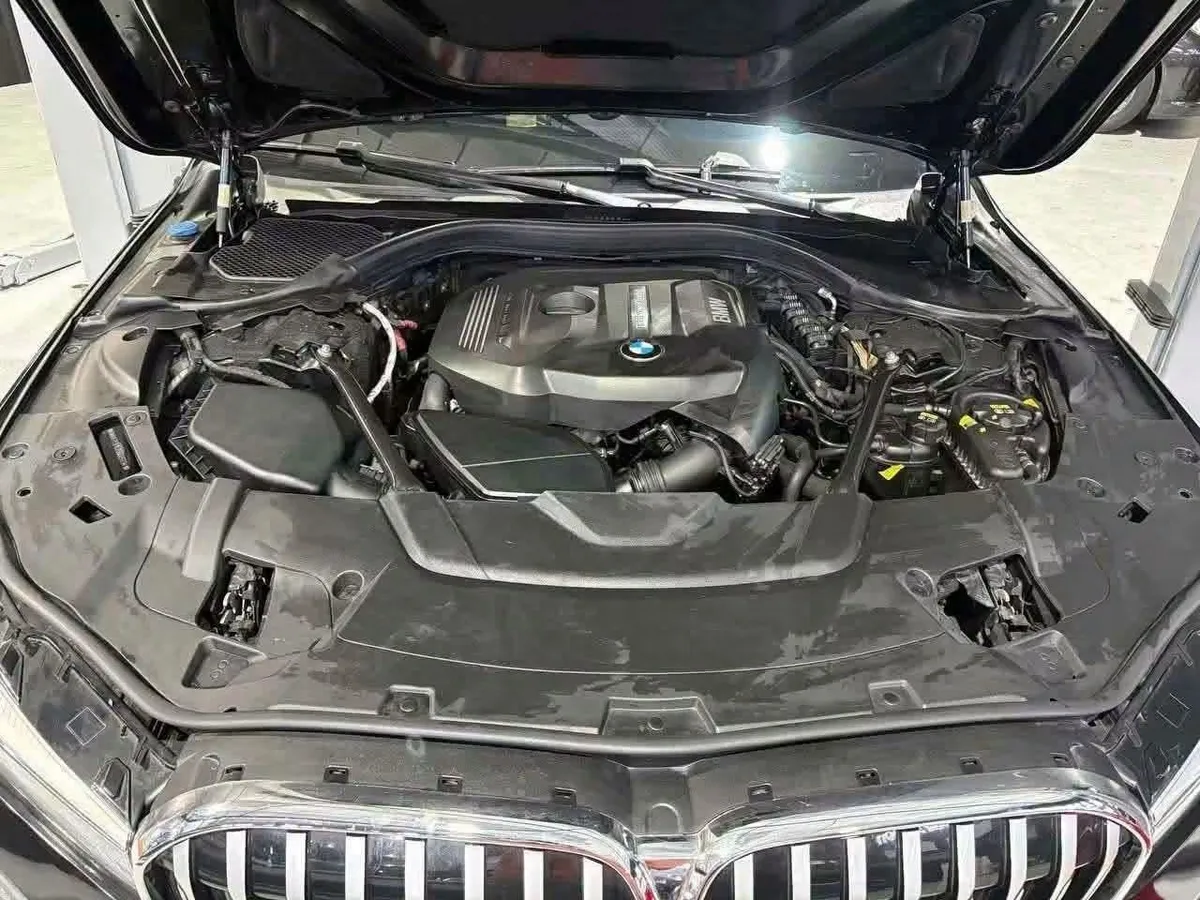
Prepare your car, records and questions for an appraisal appointment in Metro Manila without hiding its actual condition.
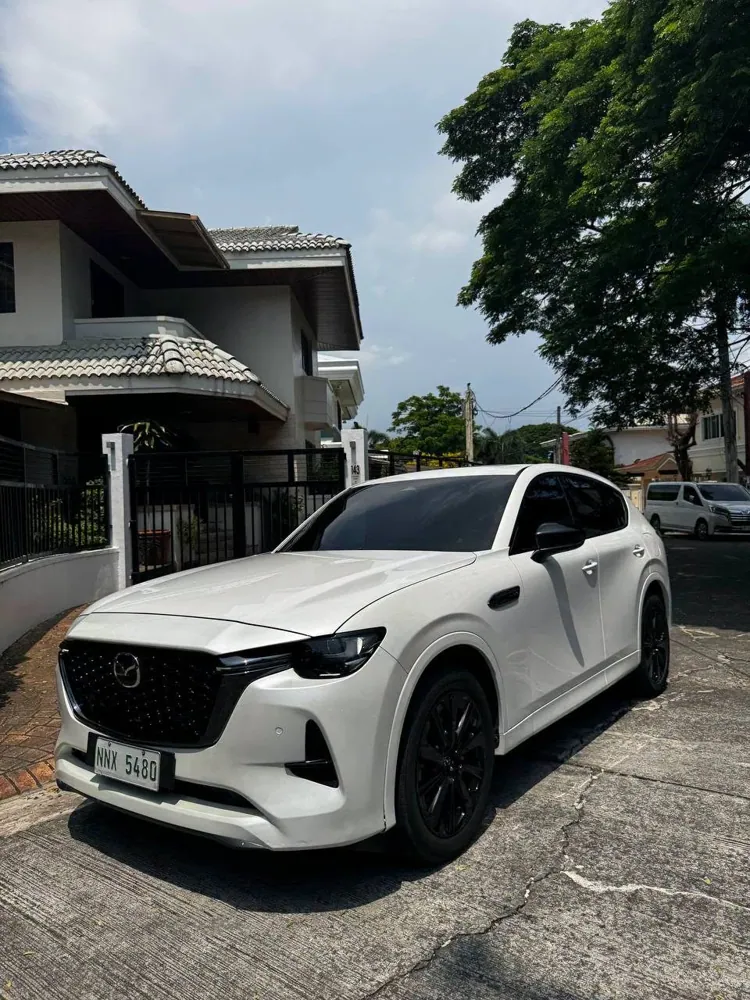
Compare used cars in Manila by condition, running costs and viewing arrangements. Prepare a clear buying brief before contacting DT Car.
Understand trade-in quotations, the cash difference and handover timing before replacing your car in the Philippines.
Understand how variant, condition, records and selling arrangements affect a used-car appraisal in the Philippines.
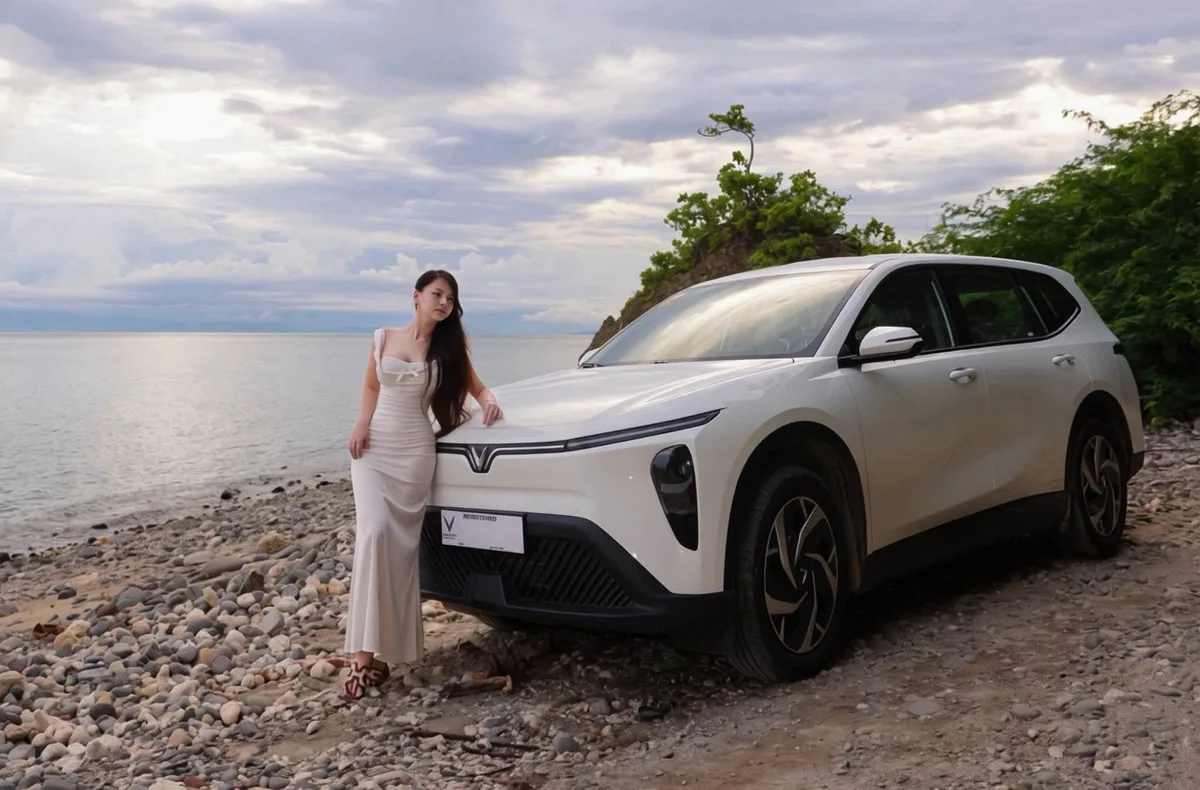
At the demo, look at the areas passengers touch and where dirt collects under each row.

Ask for a stationary demonstration beside an approved kerb.
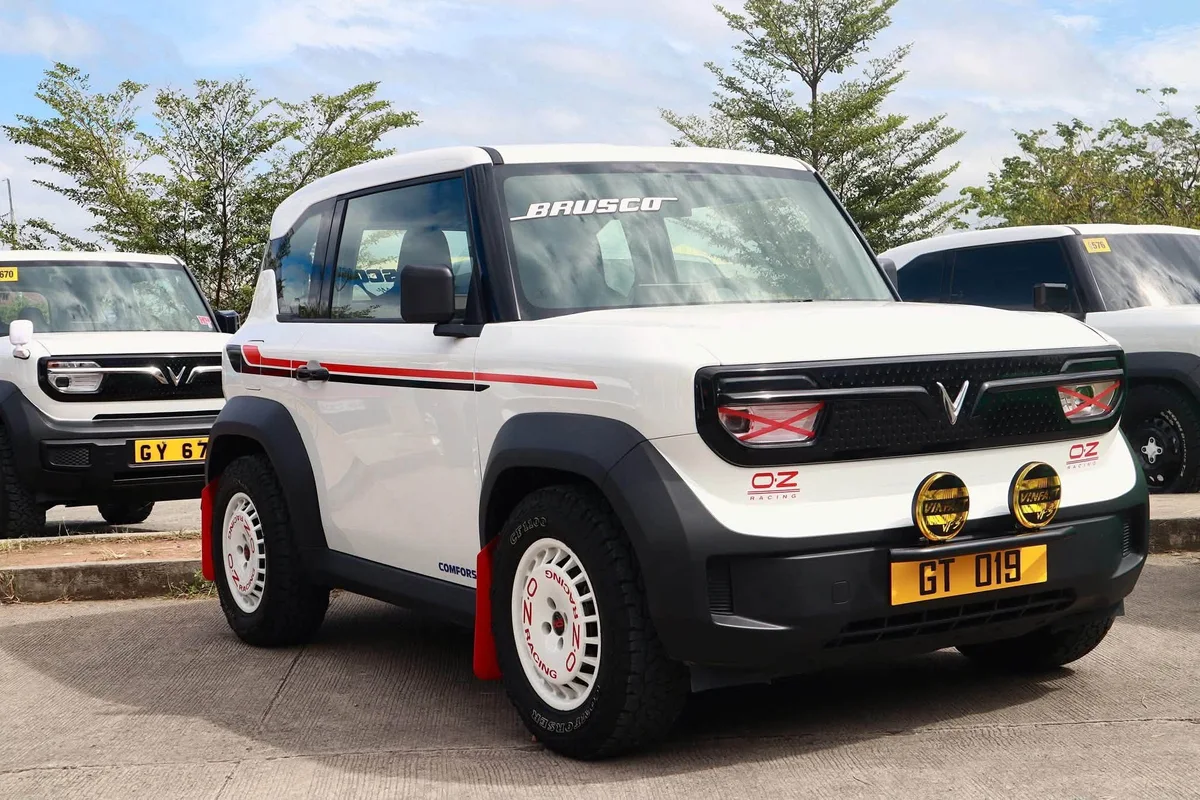
Try the same low-speed parking task in daylight and under cover before choosing a VF 3.
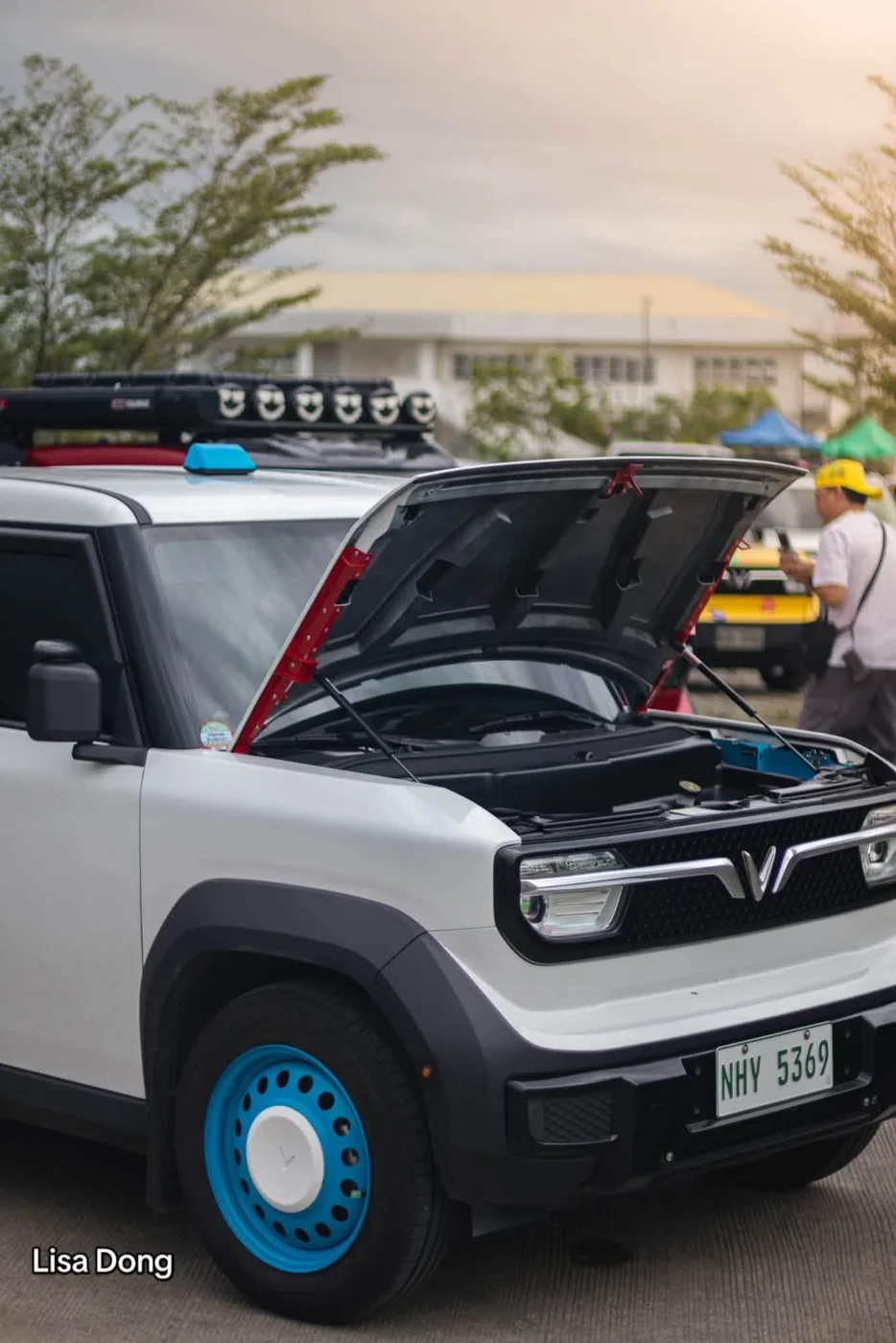
Get a quote for the standard VF 3 first, then ask for the accessory, installation and warranty terms as separate lines.

Put the Limo Green through one simulated pickup at an approved stopping area.
Two rear passengers after a sunny outdoor stop. Confirm which vents and controls actually appear on the quoted trim.

A school pickup with both rear door windows shut. Confirm which vents and controls actually appear on the quoted trim.

A commuter in the back after a midday meeting. Confirm which vents and controls actually appear on the quoted trim.
A rear passenger in the usual expressway seat. Confirm which vents and controls actually appear on the quoted trim.
All occupied rows after a terminal pickup. Confirm which vents and controls actually appear on the quoted trim.
A third-row rider adjusting their own airflow. Confirm which vents and controls actually appear on the quoted trim.

An adult entering the compact rear row beside a kerb. Bring the maximum comfortable step height to the appointment.
A family member boarding with a shopping bag. Bring the maximum comfortable step height to the appointment.
A passenger with a stiff knee entering at a condo kerb. Bring the maximum comfortable step height to the appointment.
An adult stepping in with an overnight bag. Bring the maximum comfortable step height to the appointment.
Several passengers getting in from one stopping side. Bring the maximum comfortable step height to the appointment.
A third-row adult boarding while the other second-row position stays occupied. Bring the maximum comfortable step height to the appointment.
Two grocery totes behind the regular rear riders. Write down the largest item, passenger count and required seat arrangement.
A compact stroller and a bag with the back seat occupied. Write down the largest item, passenger count and required seat arrangement.
A work backpack and laptop case after picking up a colleague. Write down the largest item, passenger count and required seat arrangement.
An overnight case and sports equipment for the normal trip. Write down the largest item, passenger count and required seat arrangement.
Bags from the fullest passenger stop. Write down the largest item, passenger count and required seat arrangement.
An upright cabin case while all needed seat rows stay up. Write down the largest item, passenger count and required seat arrangement.
A top-up near the supermarket and a fallback by home. Confirm the connector and the backup before relying on either stop.
A primary stop where a child can wait comfortably and a fallback on the way home. Confirm the connector and the backup before relying on either stop.
An office stop affected by parking hours and a public fallback. Confirm the connector and the backup before relying on either stop.
A backup charger before your expressway exit. Confirm the connector and the backup before relying on either stop.
A depot where multiple vehicles share charging access. Confirm the connector and the backup before relying on either stop.
A shopping stop with a family meal as a possible fallback window. Confirm the connector and the backup before relying on either stop.
The bottom of a narrow condo ramp. Describe the entrance and confirm the equipment on the demonstrator.
A covered driveway reached after an uphill turn. Describe the entrance and confirm the equipment on the demonstrator.

An upward entrance with another car often behind you. Describe the entrance and confirm the equipment on the demonstrator.
A sloped exit from a work site near the route. Describe the entrance and confirm the equipment on the demonstrator.
A passenger loading area with a gradient before the exit. Describe the entrance and confirm the equipment on the demonstrator.
The change from a steep driveway to a flat loading area. Describe the entrance and confirm the equipment on the demonstrator.
A second car used few times each week. Ask for a copy of the relevant battery terms before paying a deposit.
A family car expected to cover more distance during school term. Ask for a copy of the relevant battery terms before paying a deposit.
A weekday commuter with different peak-month travel. Ask for a copy of the relevant battery terms before paying a deposit.
A vehicle expected to be resold within your normal ownership window. Ask for a copy of the relevant battery terms before paying a deposit.
Passenger work where daily usage can exceed private driving. Ask for a copy of the relevant battery terms before paying a deposit.
A family vehicle shared by drivers who alternate between light and heavy weeks. Ask for a copy of the relevant battery terms before paying a deposit.
A short errands loop that leaves little time between shops. Record target departure time, energy needed and a fallback.
An afternoon charge before two school runs. Record target departure time, energy needed and a fallback.
The last charge before the evening commute. Record target departure time, energy needed and a fallback.
An intercity stop before a meeting you cannot move. Record target departure time, energy needed and a fallback.
Passenger trips with a narrow gap between bookings. Record target departure time, energy needed and a fallback.
A long family return after the planned charging stop closes. Record target departure time, energy needed and a fallback.
A service centre reachable without relying on a second family car. Get the service location and the booking channel in writing.
A service date that conflicts with school pickup. Get the service location and the booking channel in writing.
A return trip to the office after leaving the car for service. Get the service location and the booking channel in writing.
A workshop accessible from either end of the usual route. Get the service location and the booking channel in writing.
A workshop near enough to keep spare-vehicle needs manageable. Get the service location and the booking channel in writing.
A drop-off from your family’s normal weekday route. Get the service location and the booking channel in writing.
Two drivers of noticeably different heights. Bring both drivers and a list of the settings each needs.
One driver using a child-seat configuration and one without it. Bring both drivers and a list of the settings each needs.
Driver profiles needed after a shared commute. Bring both drivers and a list of the settings each needs.
A second driver taking over after a long stop. Bring both drivers and a list of the settings each needs.
A morning operator handing over to a later shift. Bring both drivers and a list of the settings each needs.
Two adults swapping before the third row is needed. Bring both drivers and a list of the settings each needs.
A basement route ending in an unlit bay. Try the controls in the light conditions you expect to encounter.
A school-area stop after evening activities. Try the controls in the light conditions you expect to encounter.
A dusk commute with an illuminated overhead road. Try the controls in the light conditions you expect to encounter.
A long route returning after sunset with a passenger asleep. Try the controls in the light conditions you expect to encounter.
A terminal pickup while the cabin is filled. Try the controls in the light conditions you expect to encounter.
A dim loading area where displaying the rear view matters. Try the controls in the light conditions you expect to encounter.
A private low-distance car kept at home. Compare written terms and ask the insurer to explain exclusions.

A family car borrowed by another household member. Compare written terms and ask the insurer to explain exclusions.
A car regularly left in a paid city car park. Compare written terms and ask the insurer to explain exclusions.
A vehicle used across two provinces each week. Compare written terms and ask the insurer to explain exclusions.

A unit operated for passenger trips under declared use. Compare written terms and ask the insurer to explain exclusions.
A people carrier that takes the whole household on longer trips. Compare written terms and ask the insurer to explain exclusions.
A second household vehicle sharing one parking bay. Keep the electrical assessment and installation quote separate from the vehicle.
A cable route that passes a pedestrian entrance. Keep the electrical assessment and installation quote separate from the vehicle.
A rented bay with a separate electricity arrangement. Keep the electrical assessment and installation quote separate from the vehicle.
A detached garage some distance from your distribution board. Keep the electrical assessment and installation quote separate from the vehicle.
A depot that can host more than one unit. Keep the electrical assessment and installation quote separate from the vehicle.
A family drive where another car blocks one proposed cable route. Keep the electrical assessment and installation quote separate from the vehicle.
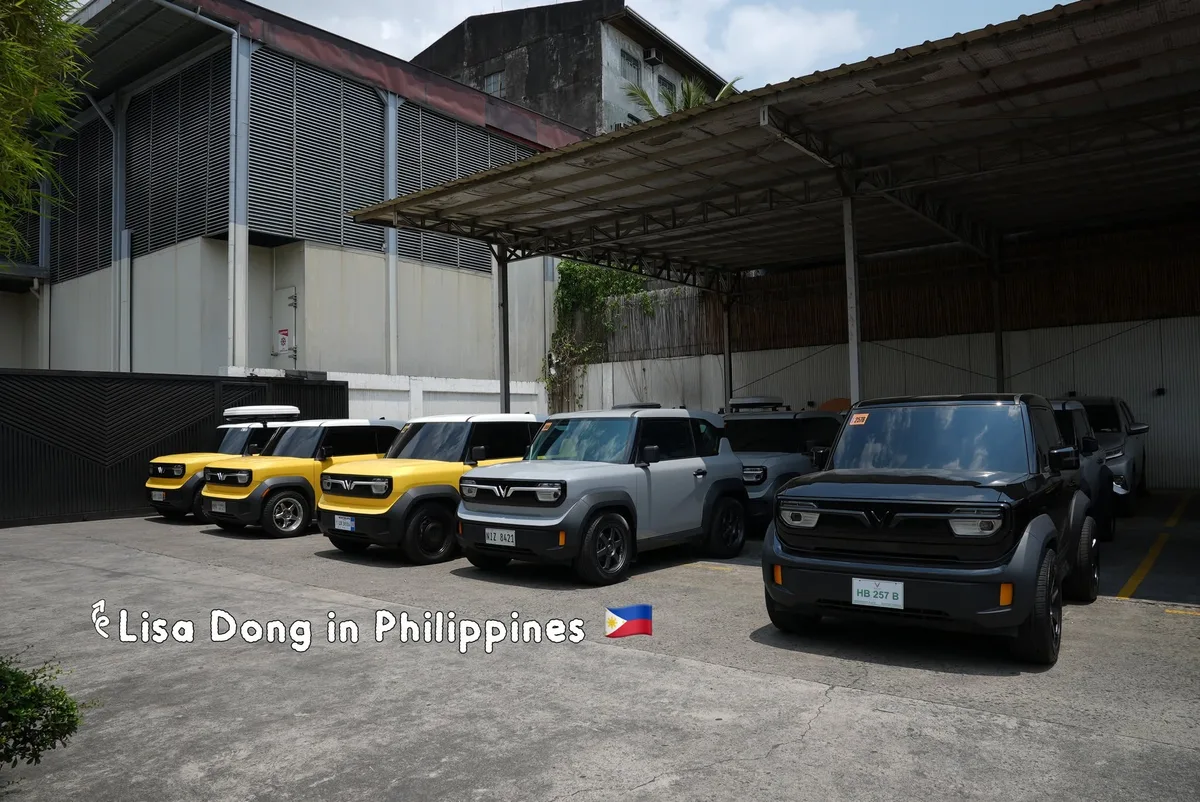
Demonstrate the charging routine you will use for short trips. Carry the approved quote and request a dated handover list.
Confirm the rear layout and ordered accessories before collection. Carry the approved quote and request a dated handover list.
Verify the written Eco configuration against the allocated unit. Carry the approved quote and request a dated handover list.
Identify the delivery location and precise VF 7 trim in the paperwork. Carry the approved quote and request a dated handover list.
Schedule the driver briefing before the first passenger shift. Carry the approved quote and request a dated handover list.
Repeat the family seating and luggage check before signing handover. Carry the approved quote and request a dated handover list.
Battery price gap · VF 3 gap / VF 5 Plus gap
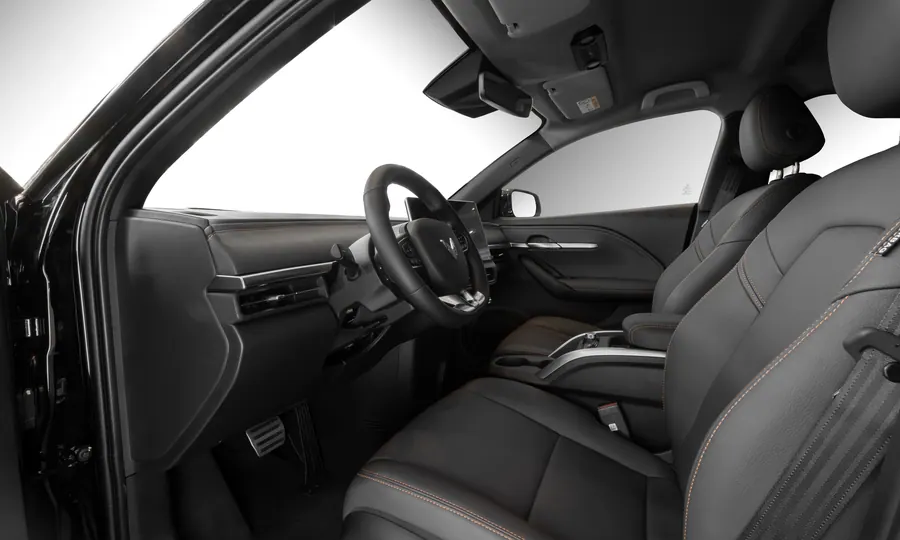
Eco comparison · Subscription quote / Battery-included quote
Plus comparison · Upfront gap / Included equipment
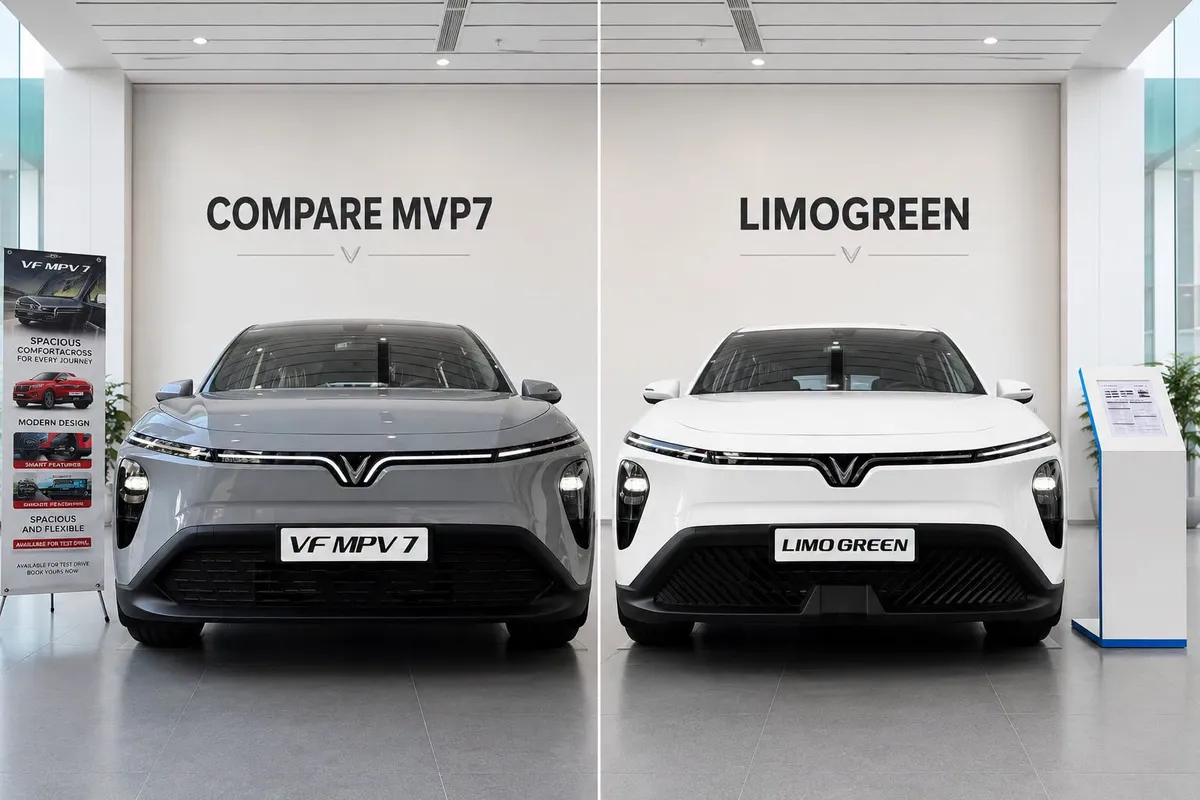
MPV comparison · Occupied rows / Price difference
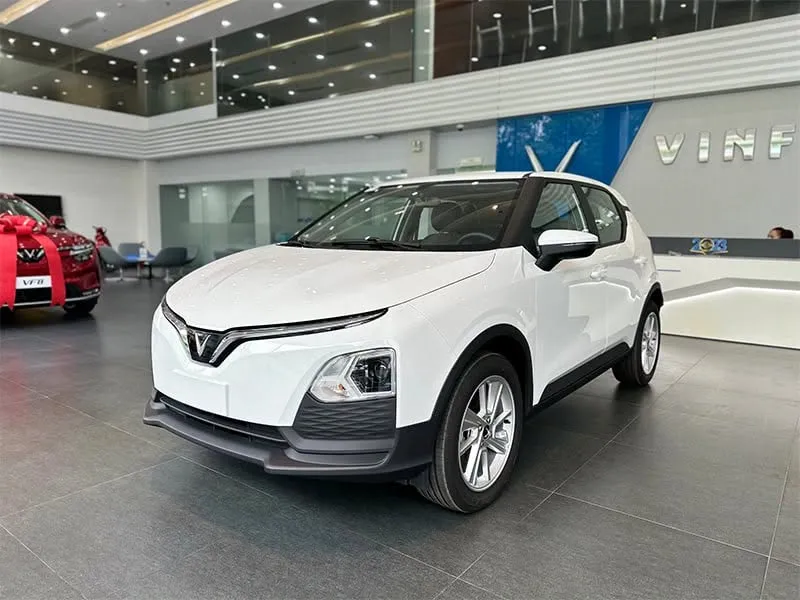
Route comparison · Daily mileage / Parking duration
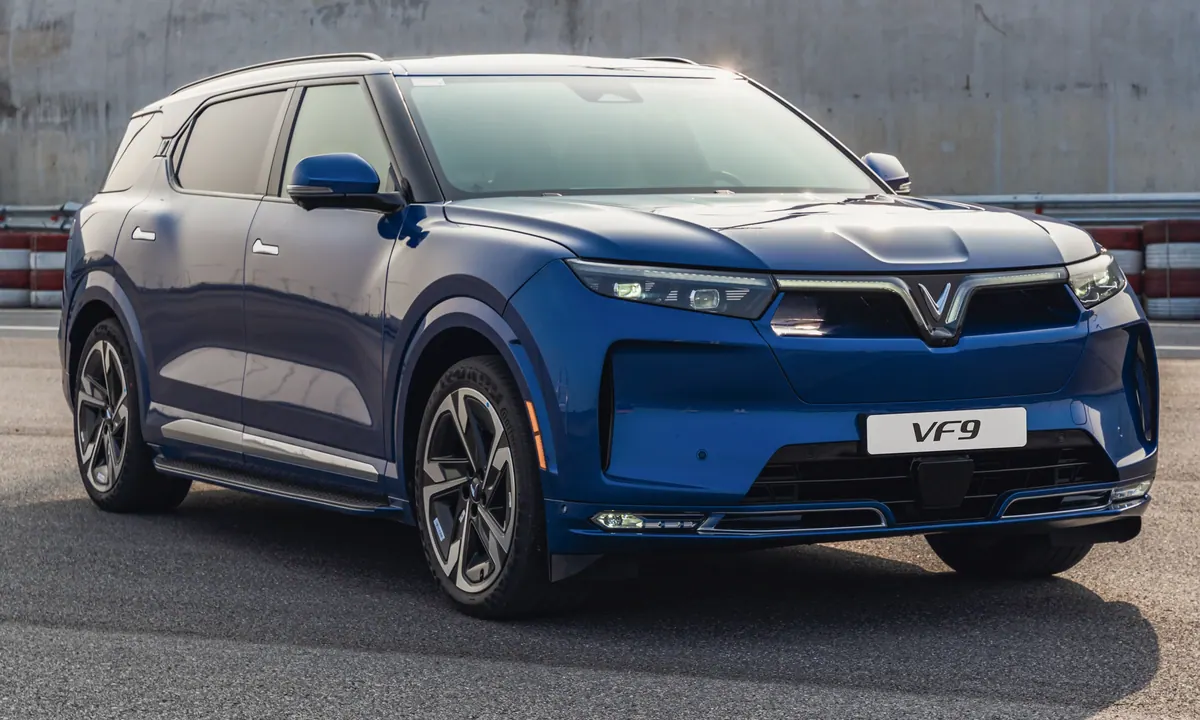
Ownership periods · Three-year costs / Five-year costs
Two parking sites · Weekday parking / Weekend parking
Commute change · Current distance / New distance
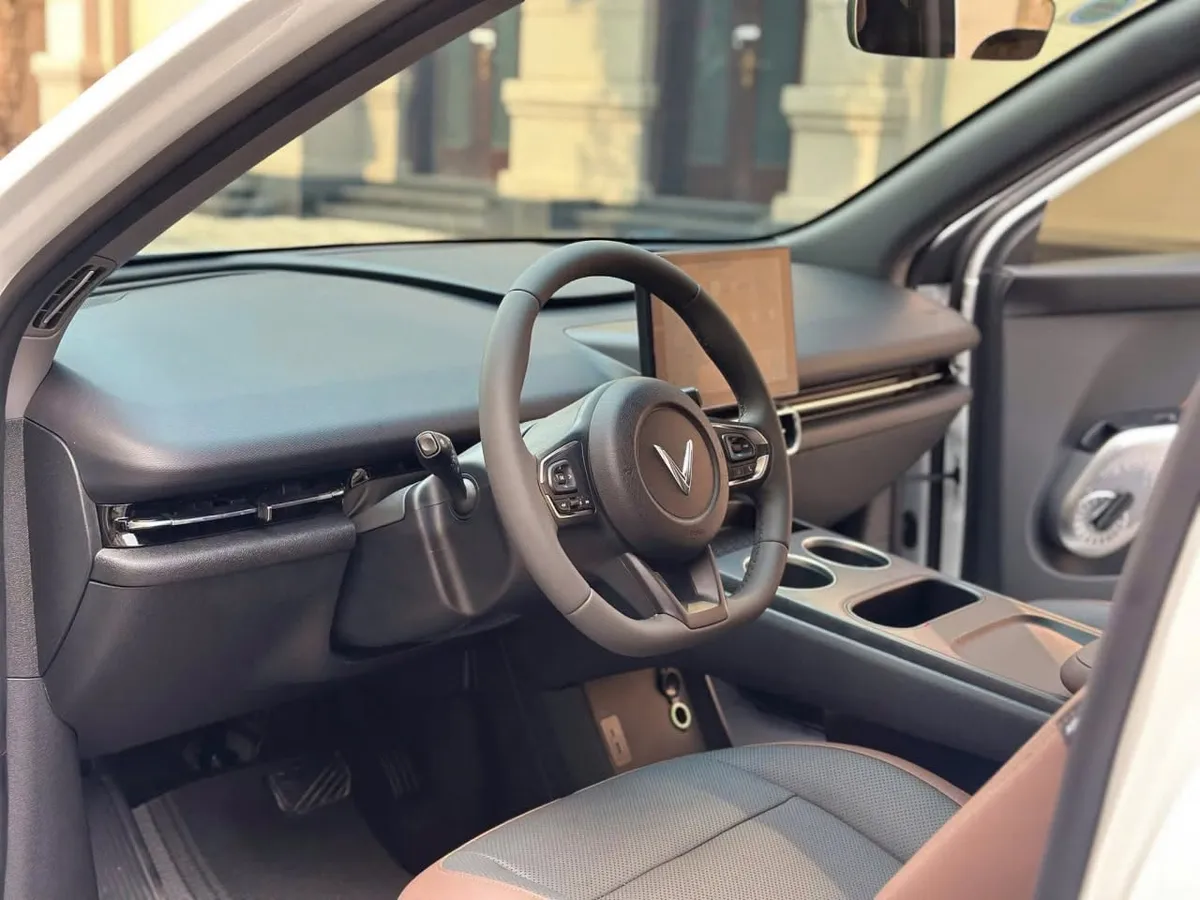
Cabin setup · Driver profile / Phone setup
Basement use · Signal coverage / Offline access
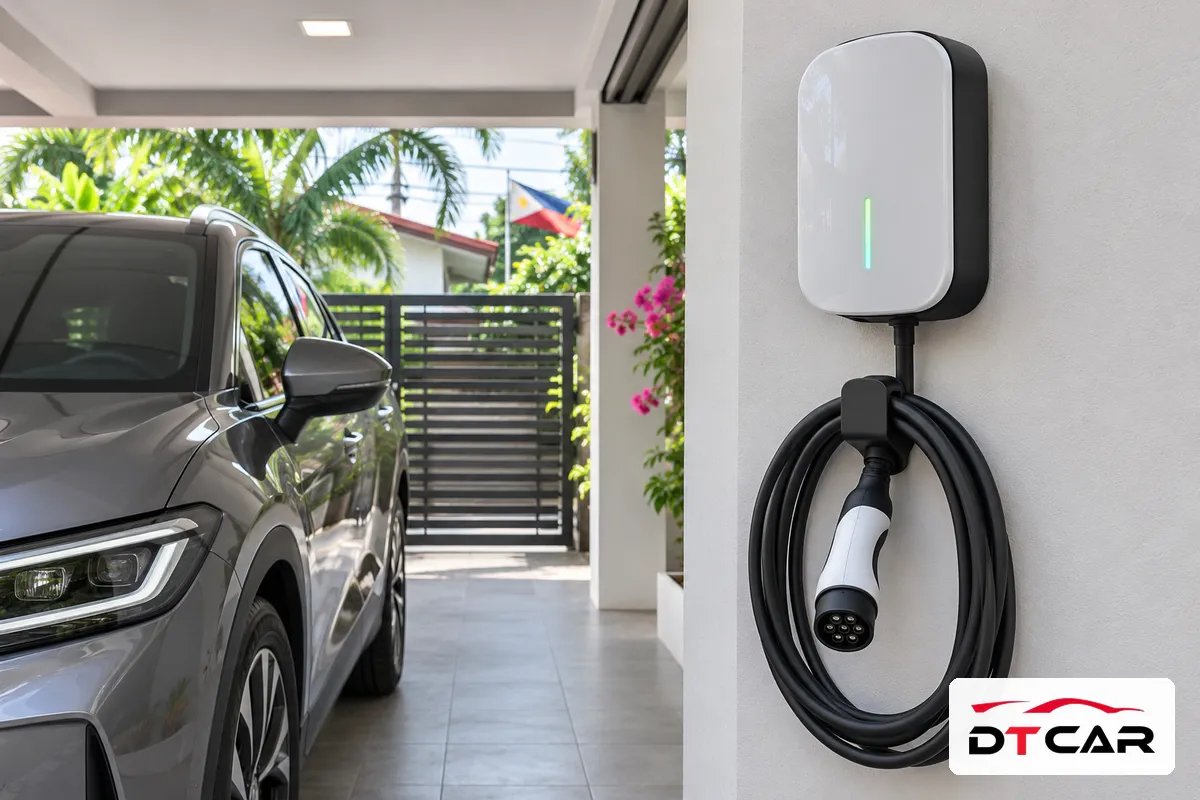
Charger quote · Equipment price / Installation scope
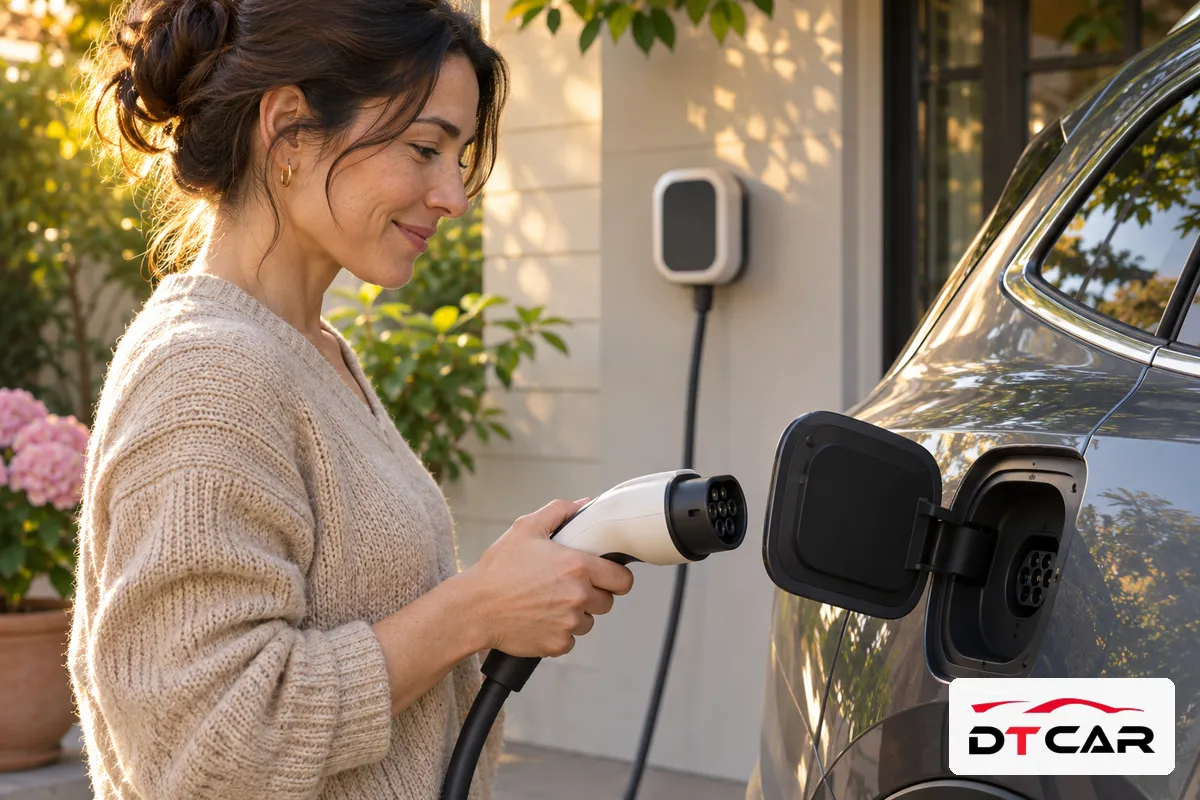
Existing charger · Connector details / Installer check

Island handover · Receiving point / Service arrangements
Branch route · Longest day / Depot dwell
Accessory bundle · Mandatory items / Optional items
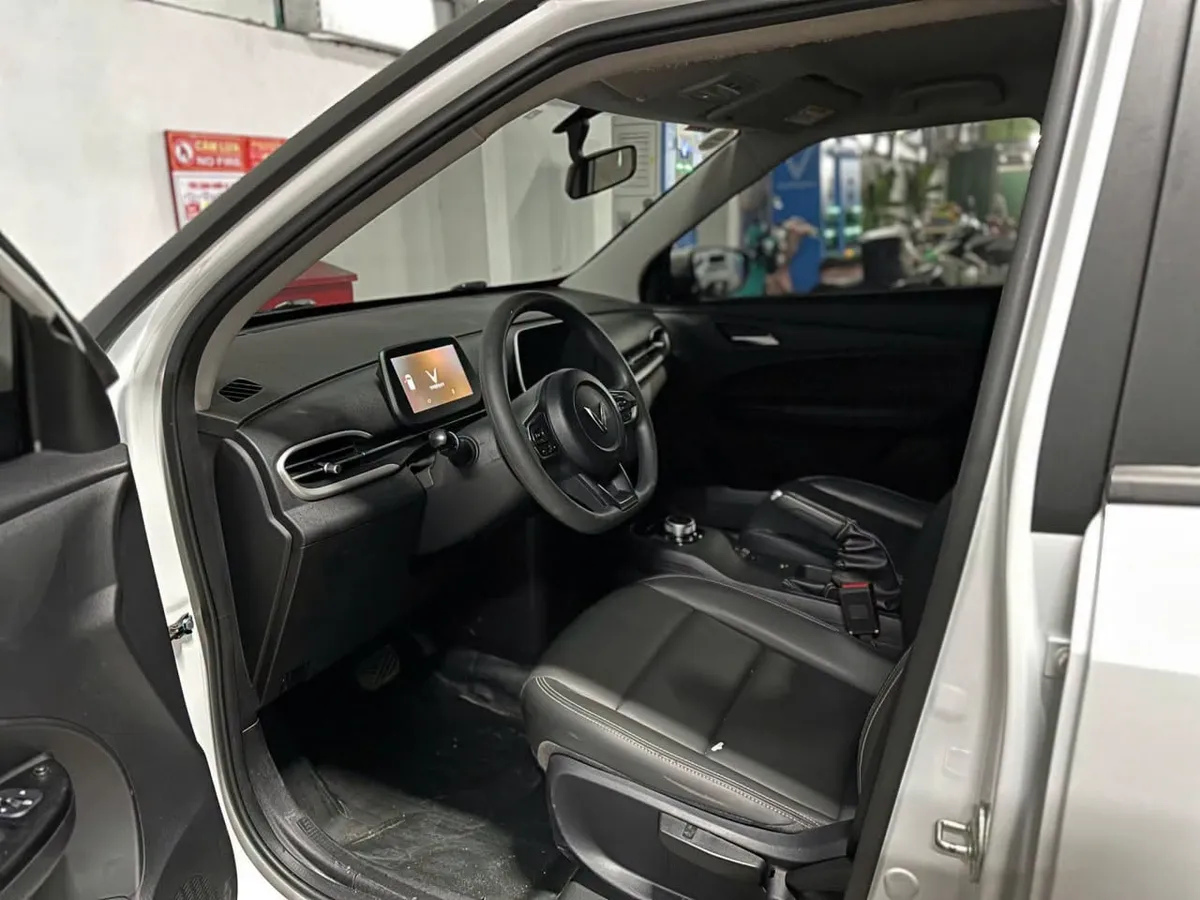
Pool-car setup · Key control / Vehicle log

Move timing · Delivery city / Future service city
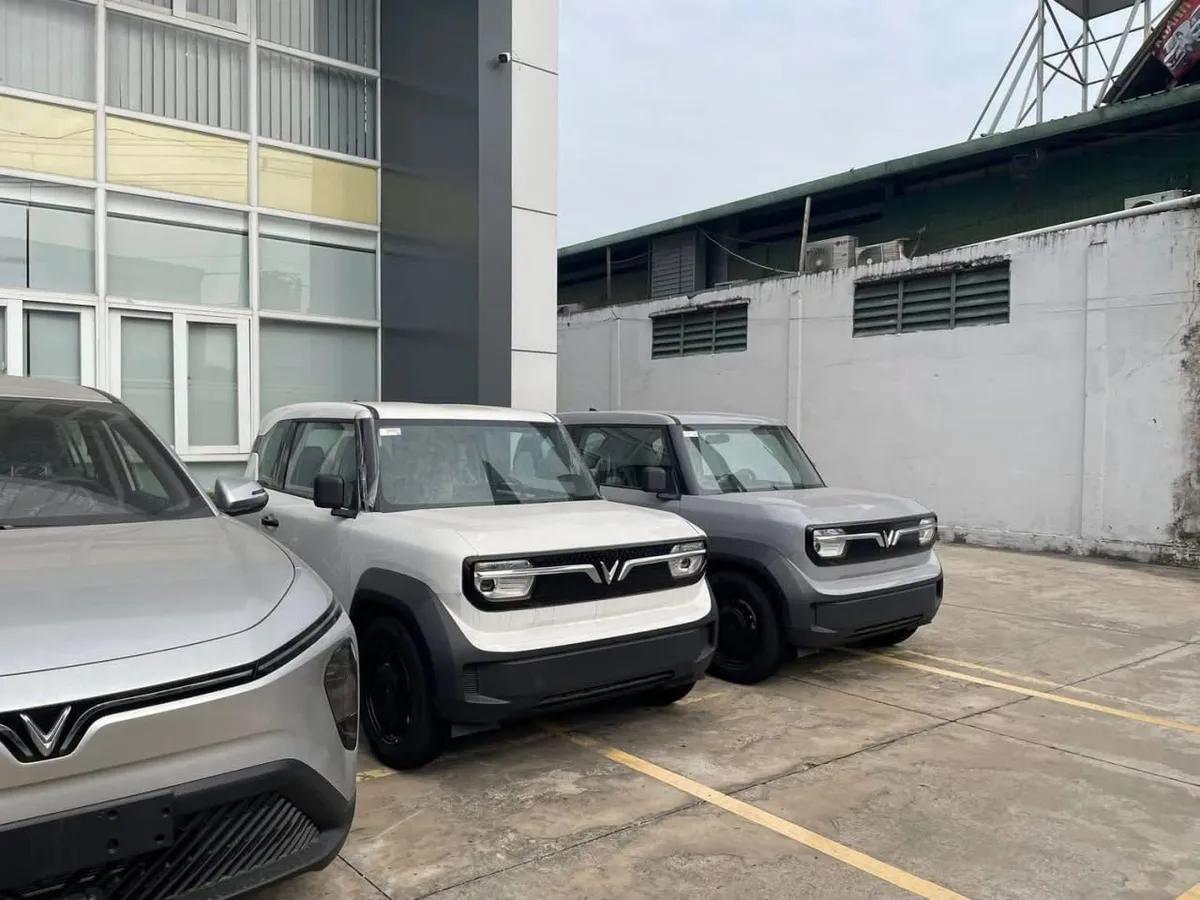
Two-city order · Separate owners / Separate handovers
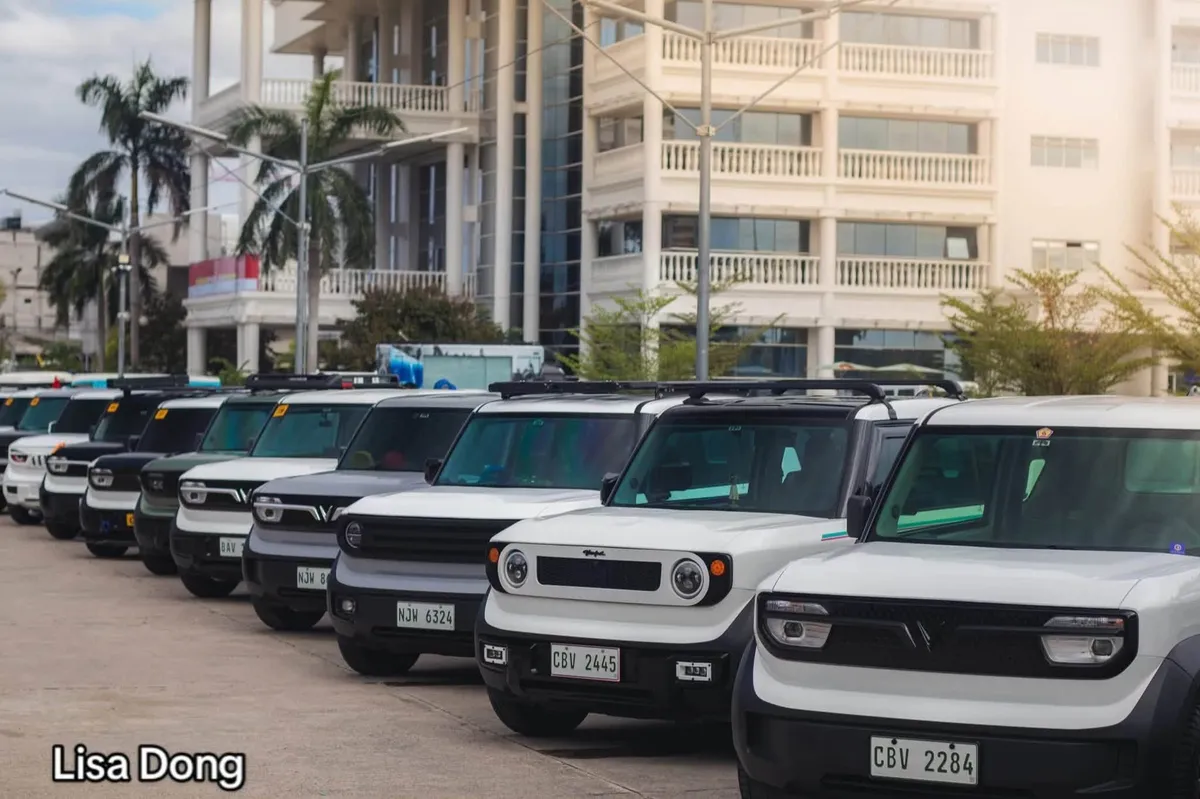
Stock versus wait · Delivery window / Must-have features

Seasonal mileage · Quiet months / Peak months
Map one week without a private charger. Price the car and the routine together.
Draw a seven-day schedule. Make the demo useful to both drivers.
Try the whole entry sequence. Match the test to the quotation.
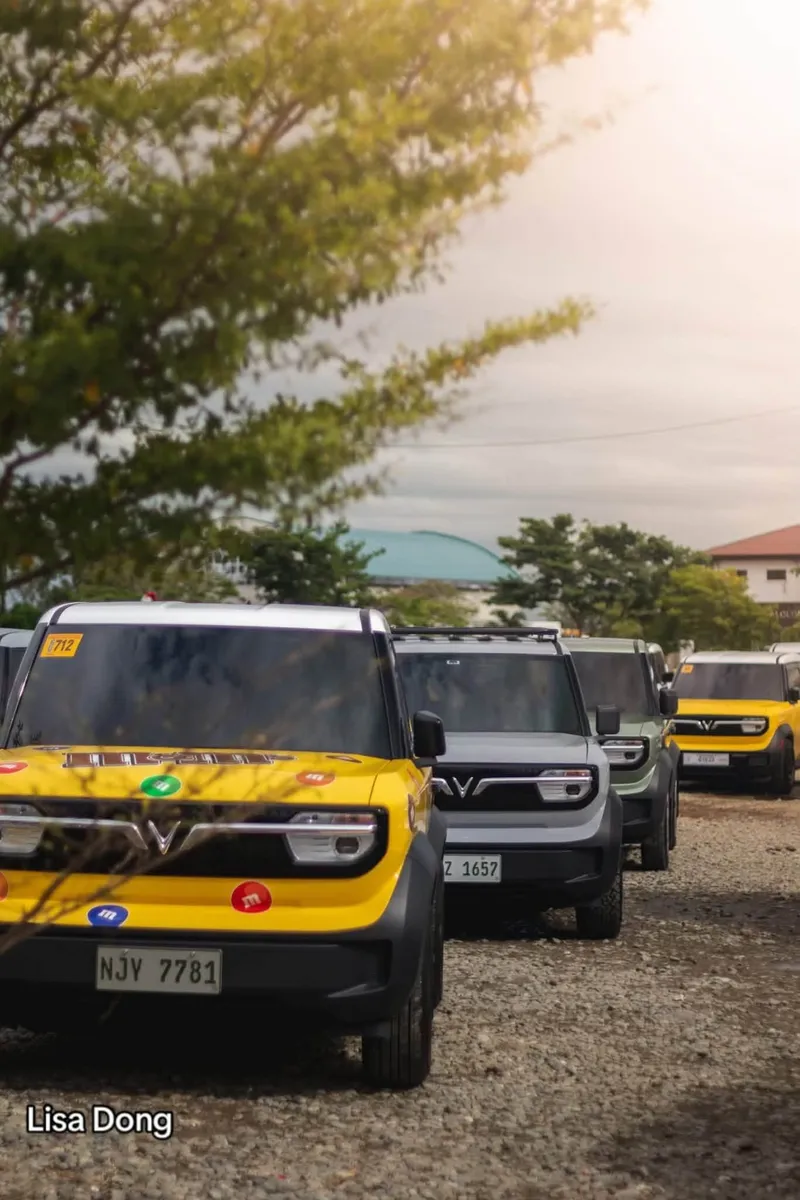
Separate a sample from an available vehicle. Write down your second choice.
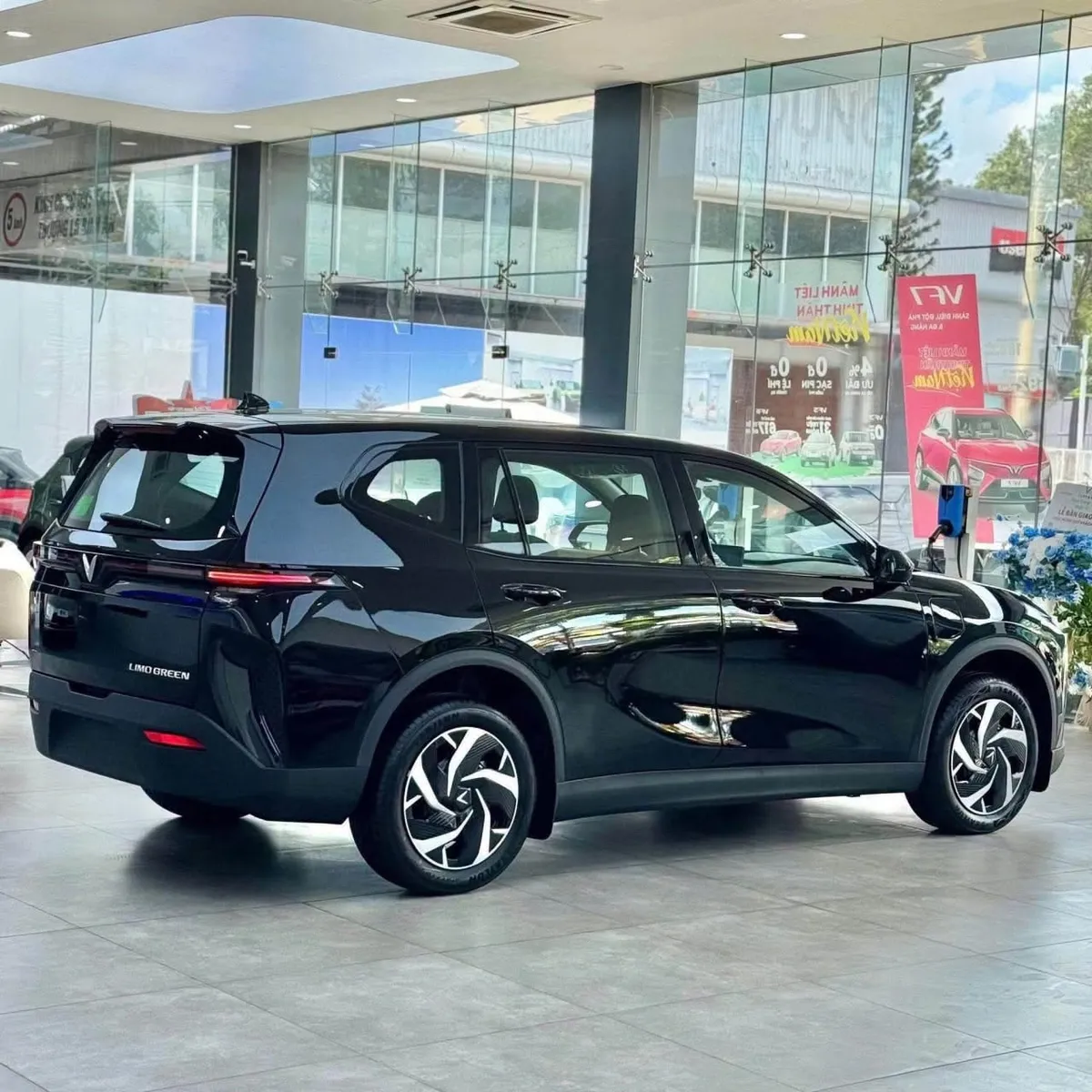
Choose a representative day. Request a staged quotation.
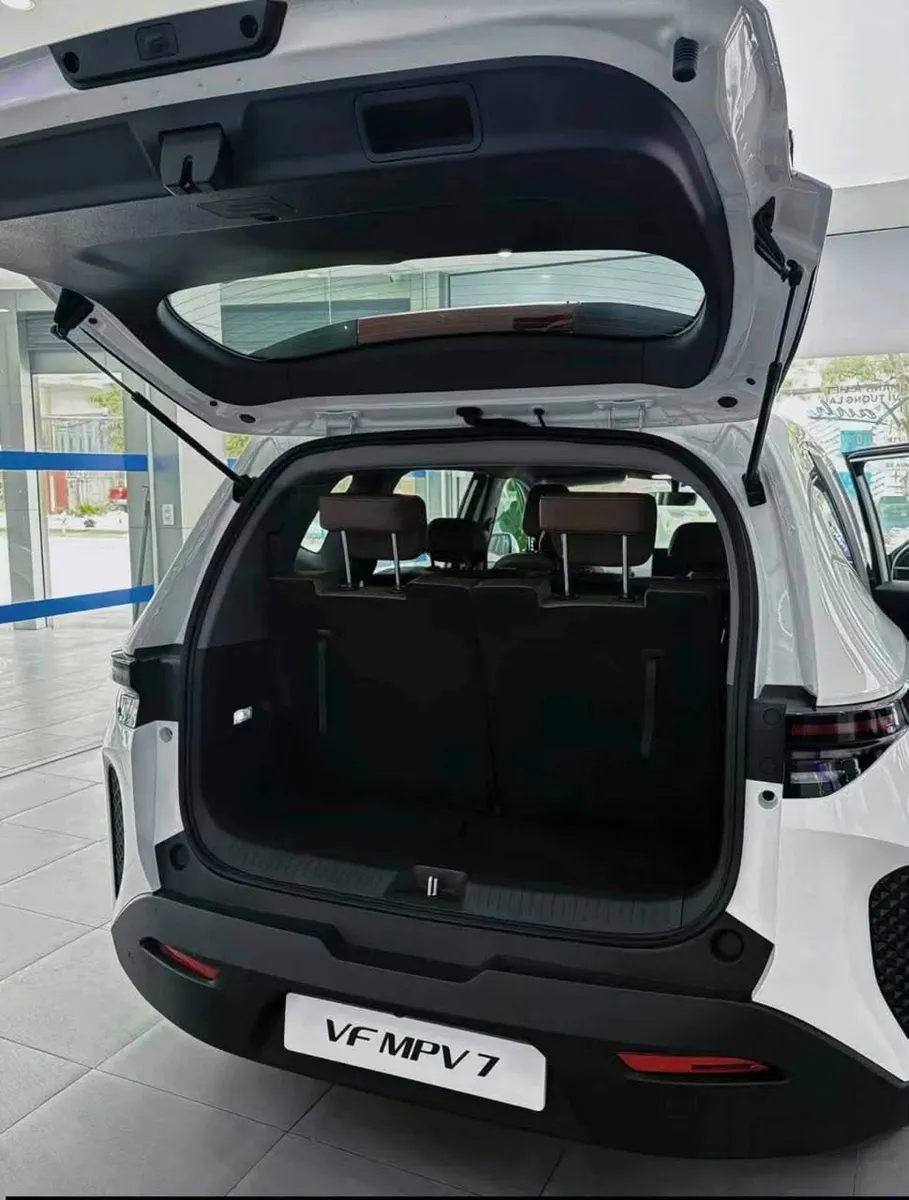
Bring the luggage mix you actually receive. Compare two operating patterns.
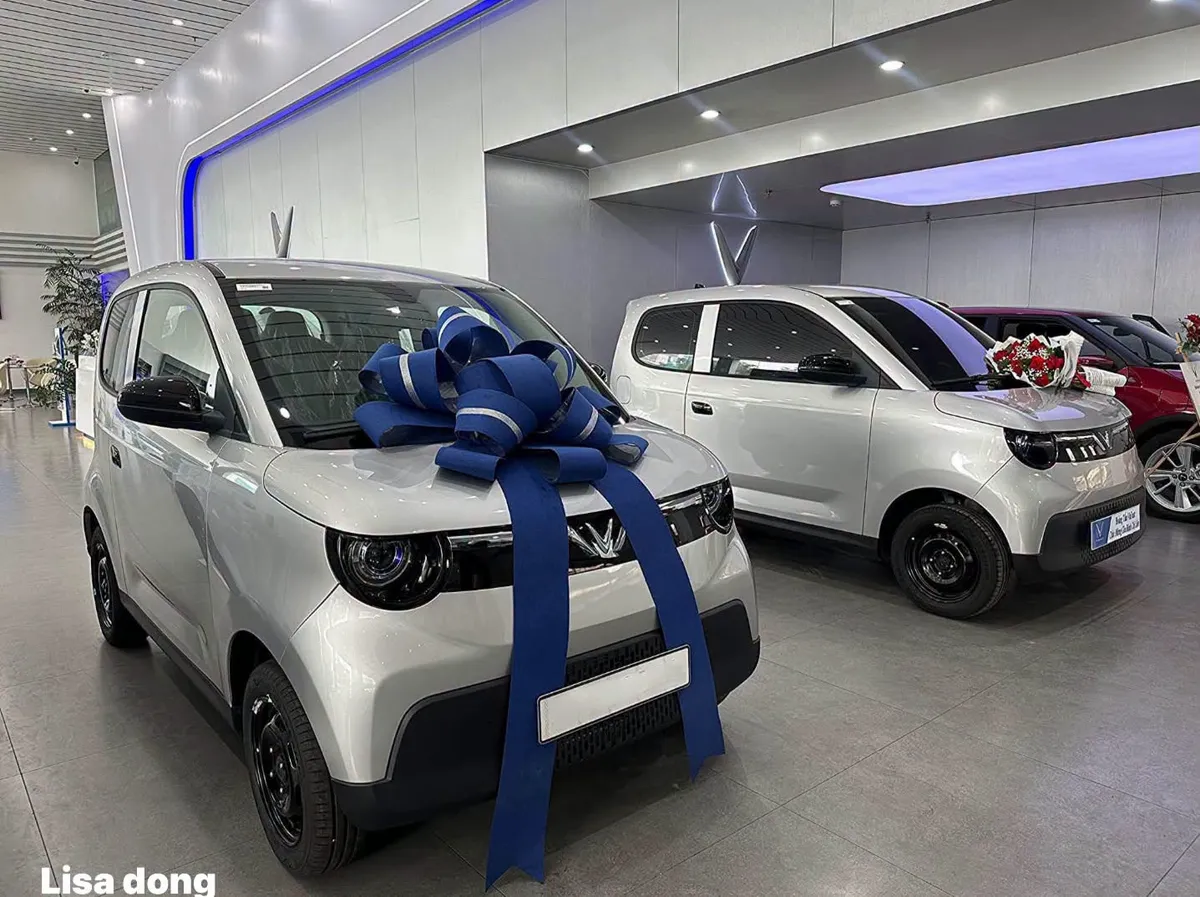
Ask what each handover includes. Agree what must be ready on the day.
Prepare a procurement brief. Compare the approval dates.
Hold the new-car side constant. Compare the two households you would be left with.
Reconstruct a representative month. Build the electric estimate from local inputs.
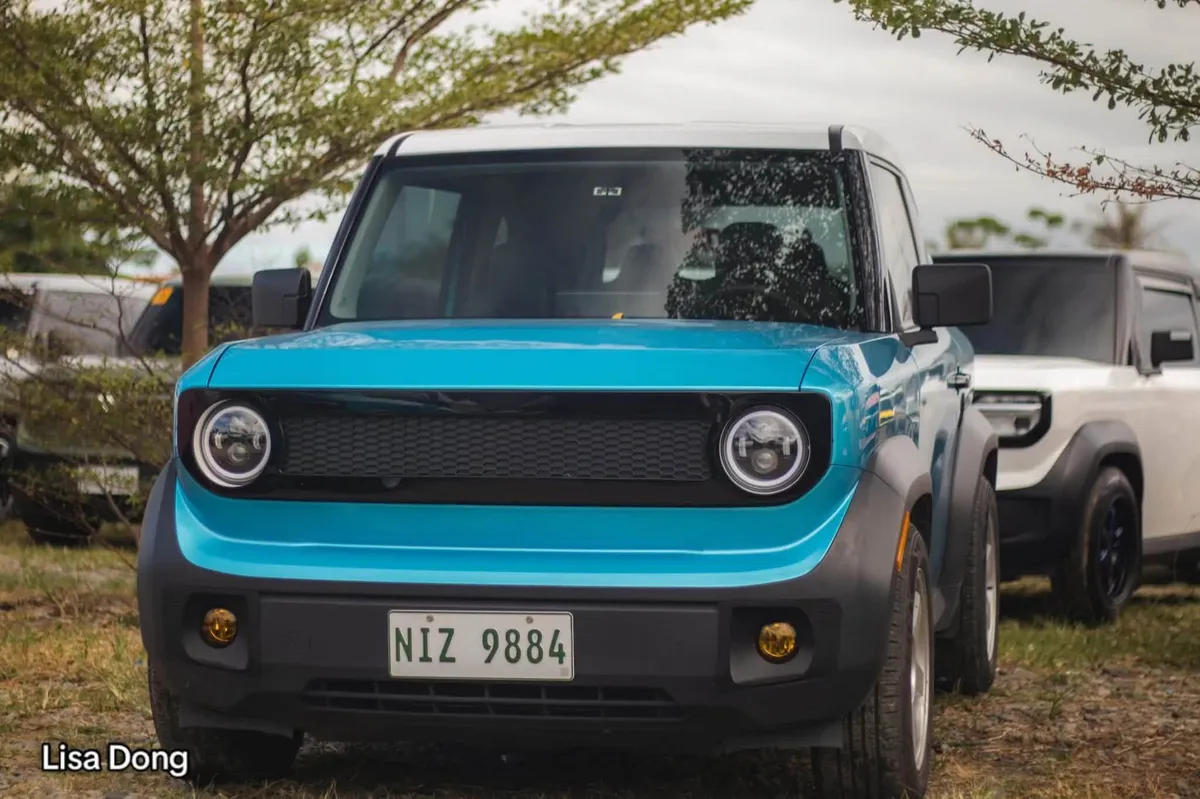
Plan a VF 3 test drive around the short weekday journeys your household actually makes.
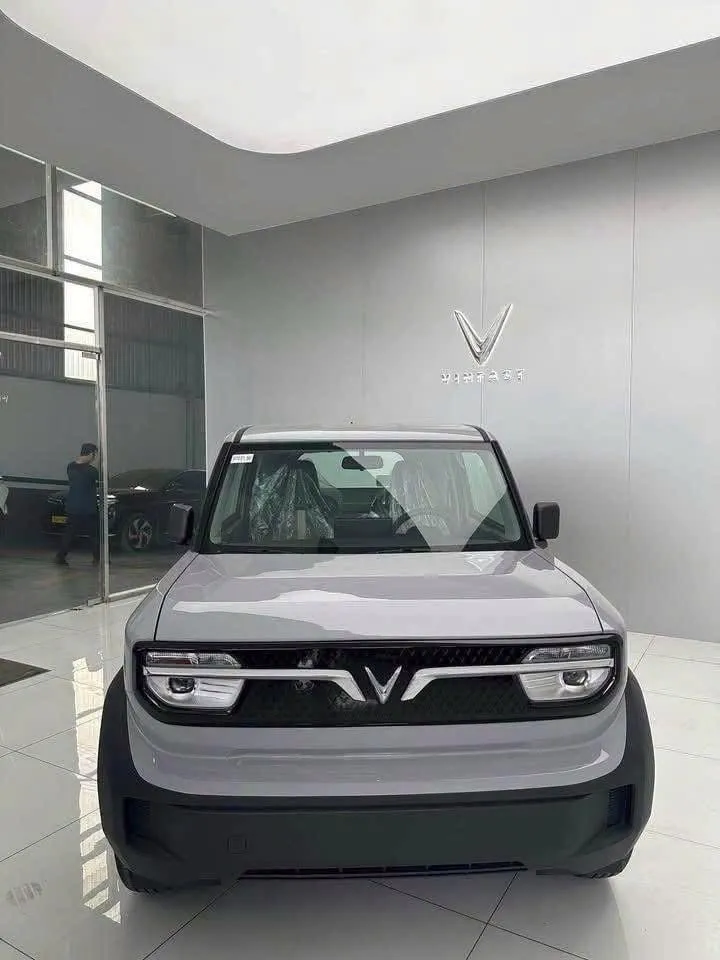
Request a VinFast consultation with a practical charging plan for a rented or assigned condo bay.

Request a VinFast quote and an appraisal for your current car as two separate figures.
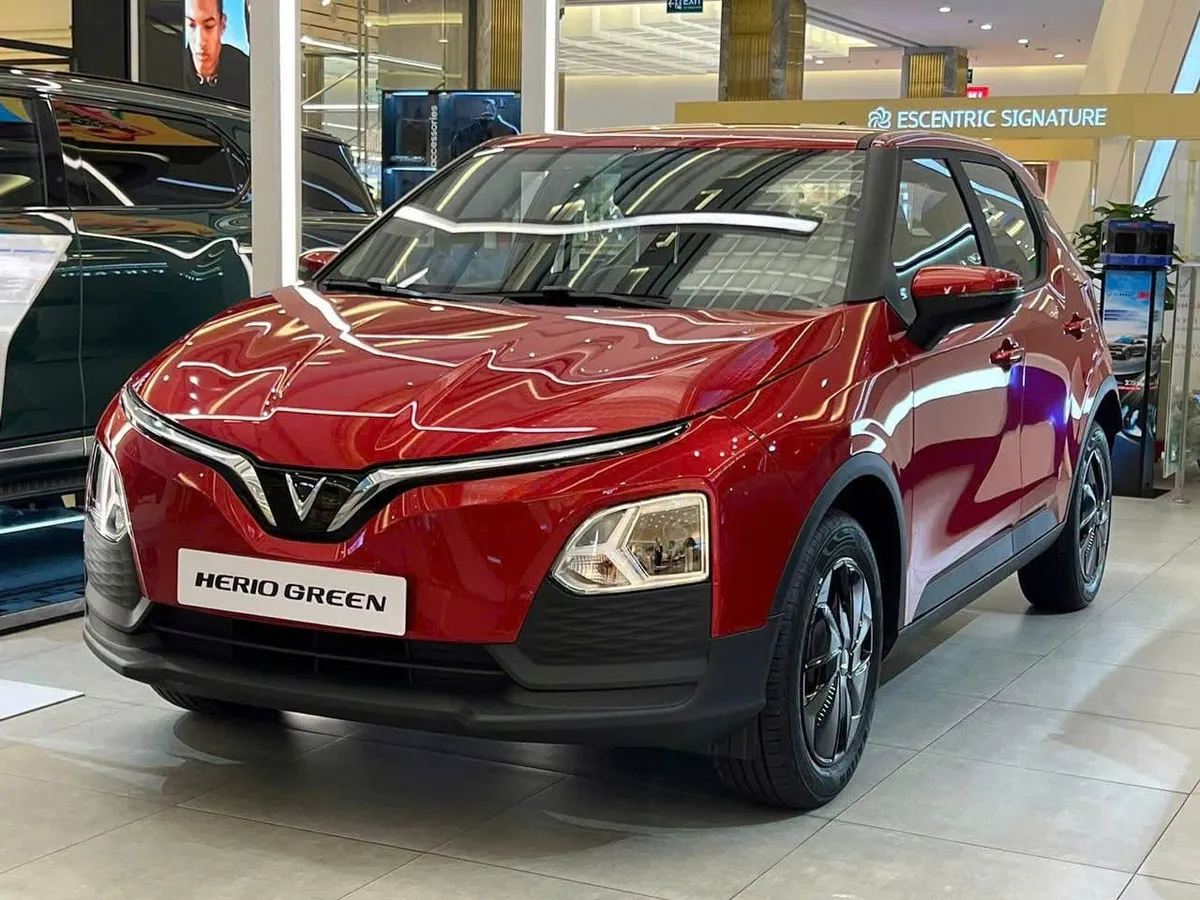
Gửi mẫu xe, khu vực sử dụng và lịch lái thử để nhận báo giá VinFast đúng phiên bản.
Compare the published model-price difference and ask for both VinFast quotations on the same basis.

Check the VF 6 Plus and VF 7 Eco price gap, equipment and test-drive arrangements with DT Car.
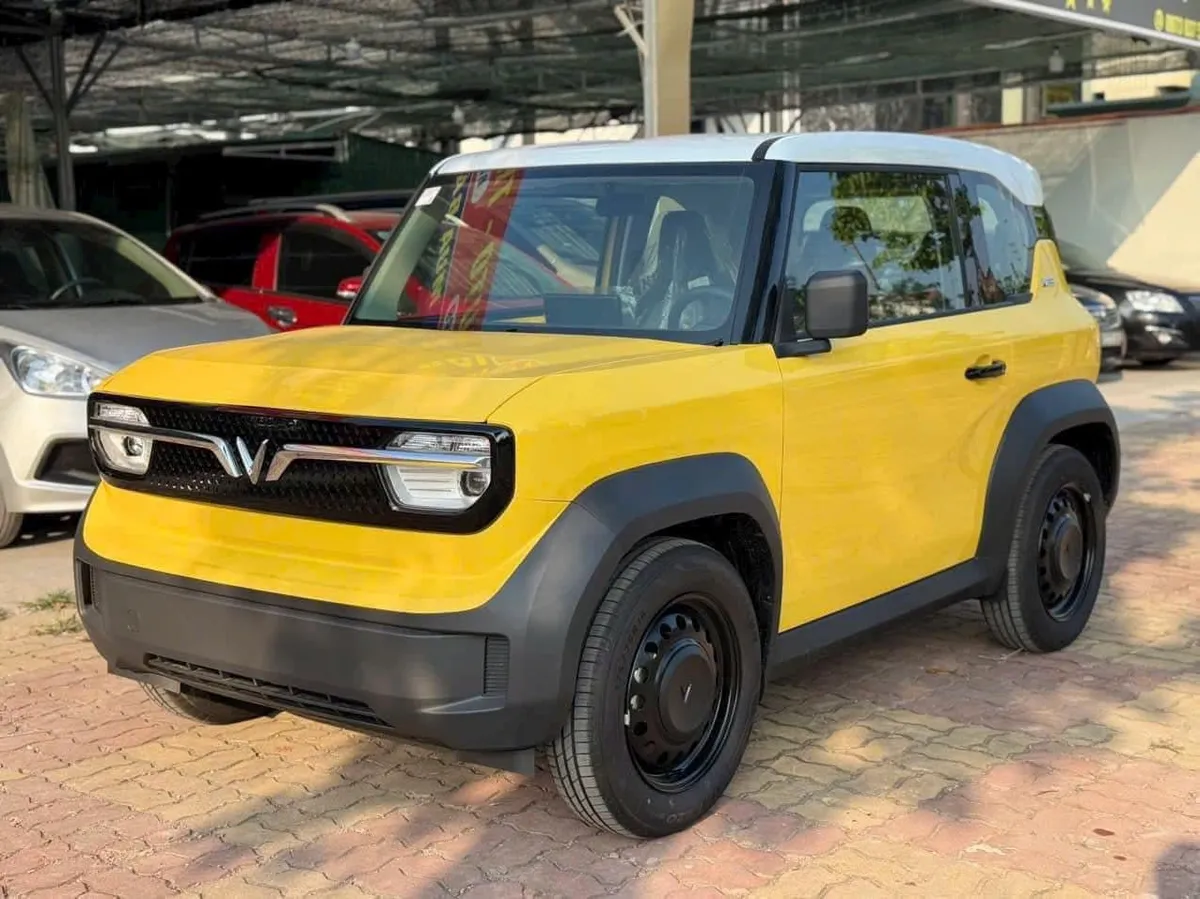
Use your quiet and busy months to request a Philippine VF 3 quote that reflects how you drive.
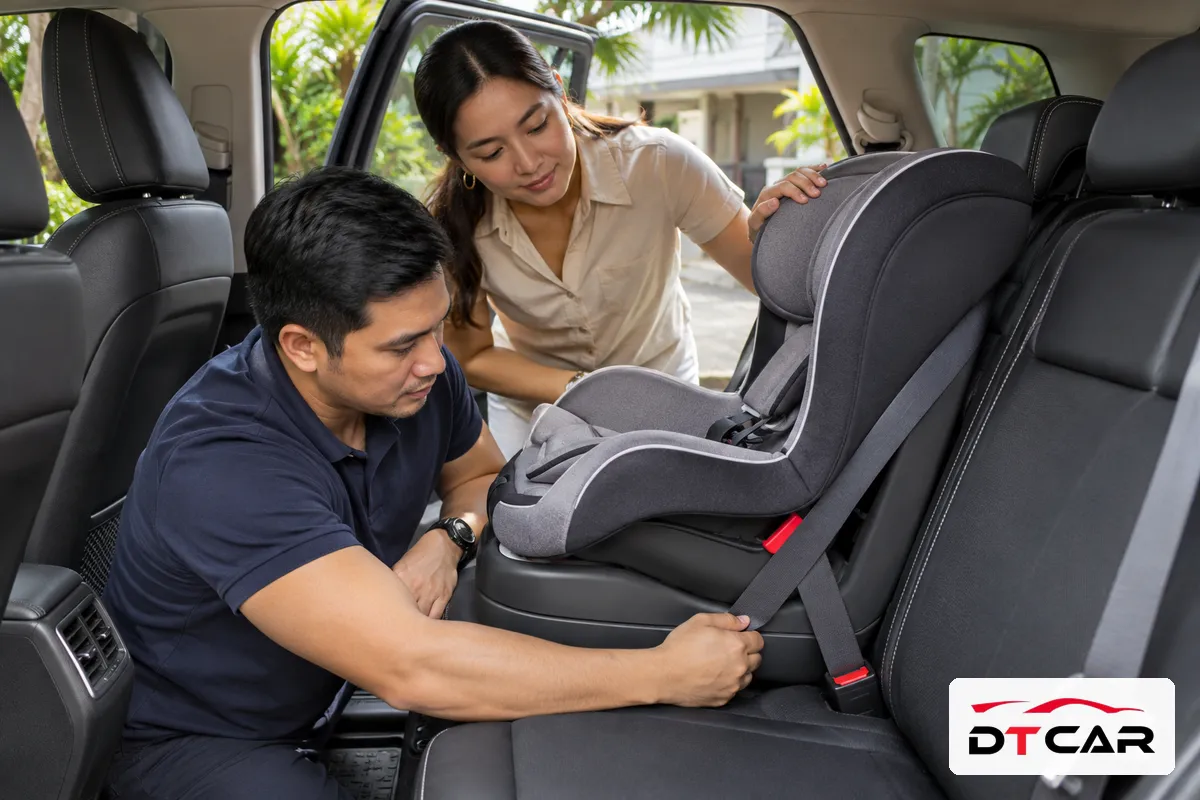
Ask for a VF 7 demonstration with the exact Philippine variant and your own family equipment.
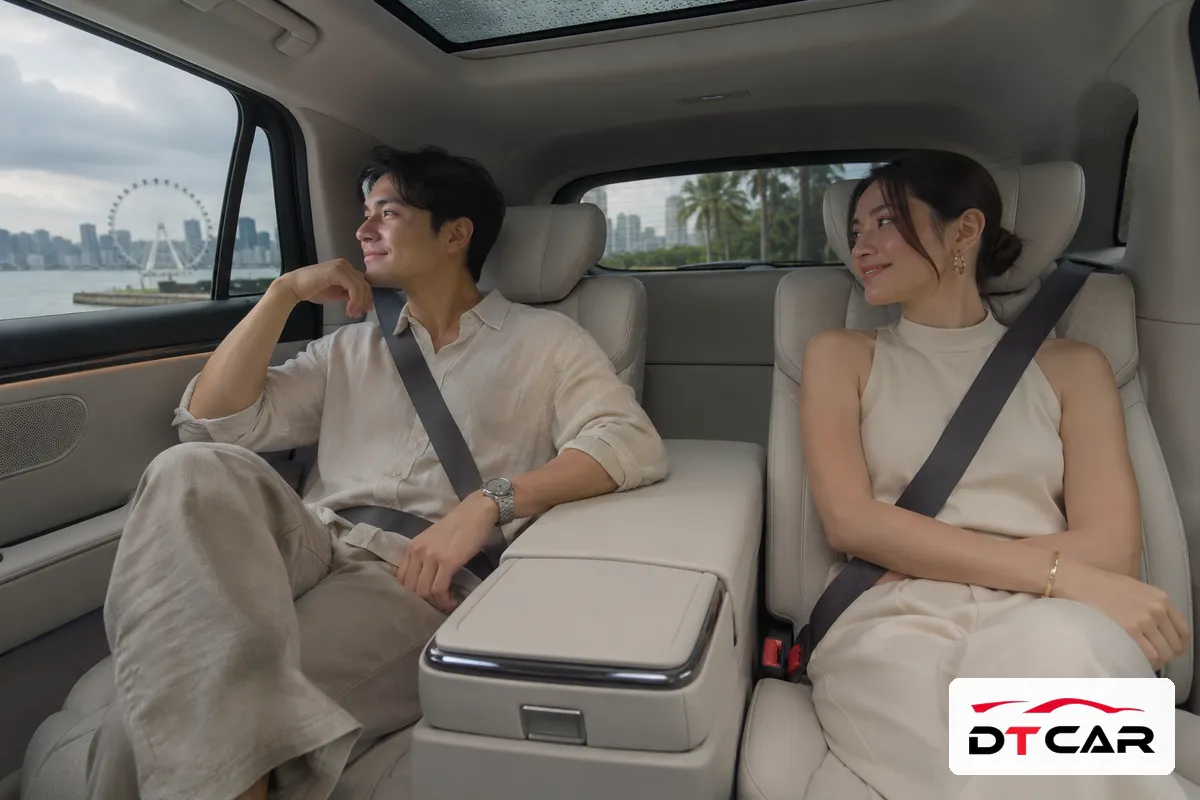
Compare Philippine VF 9 Plus starting prices and test the seating and luggage space before requesting a quote.
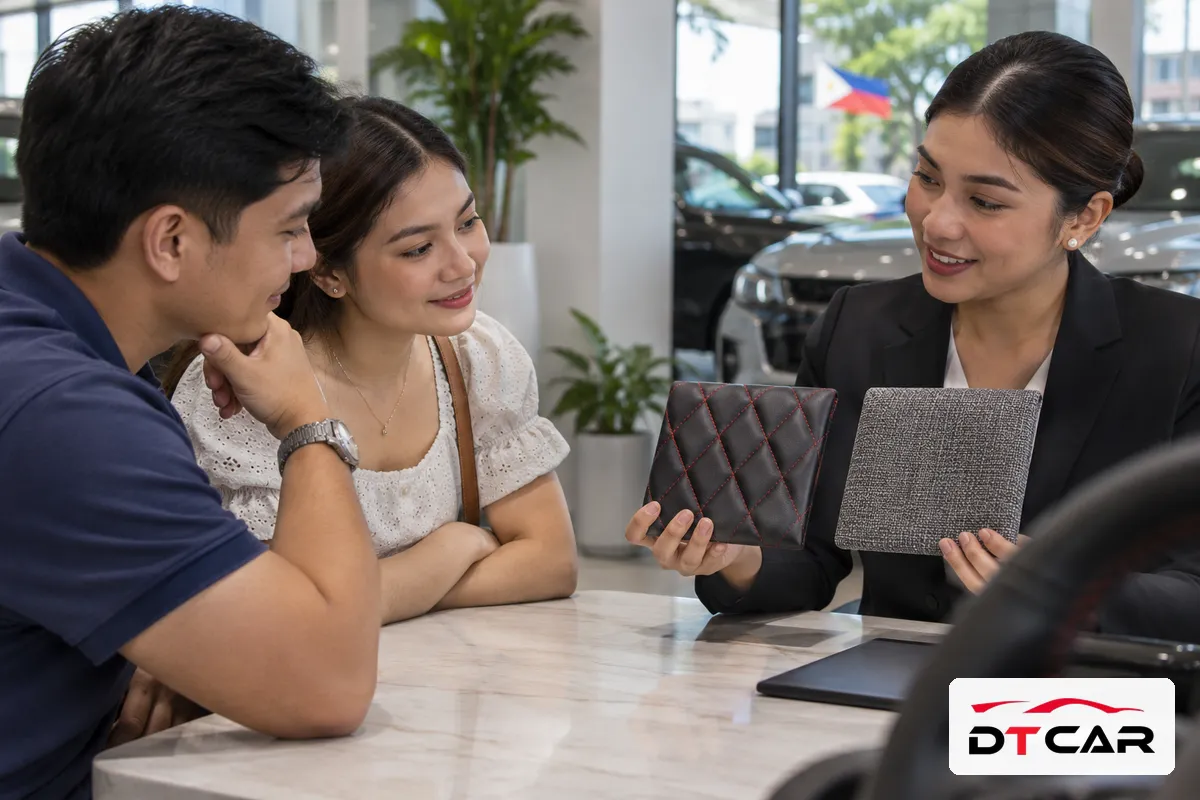
Compare the VF 6 Eco and Plus upgrade cost under both Philippine battery arrangements.
Read all four Philippine VF 7 starting prices and compare Eco and Plus within the same battery arrangement.
Keep the vehicle configuration, payment reference and delivery conditions together when reserving a VinFast.
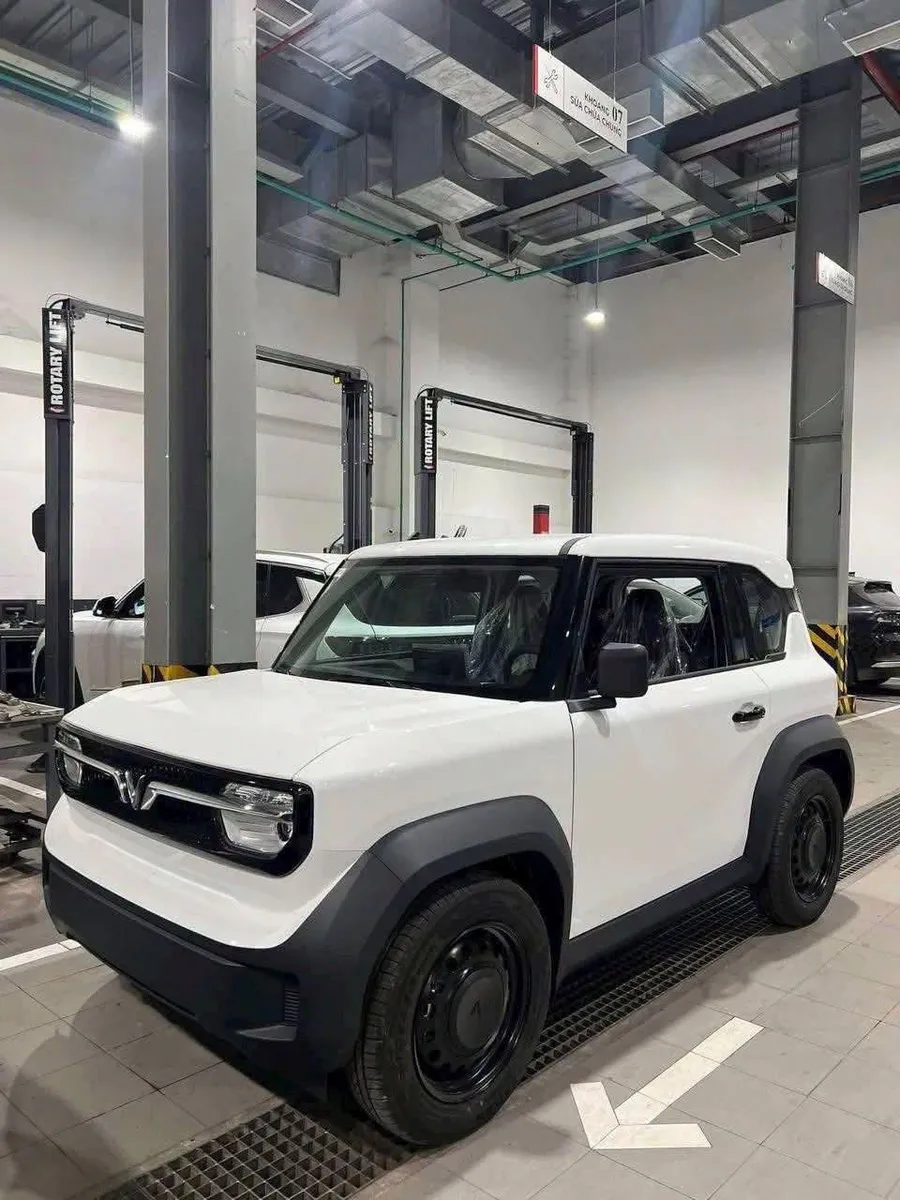
Measure a parking entrance, bay and door clearance before taking a VinFast test drive.
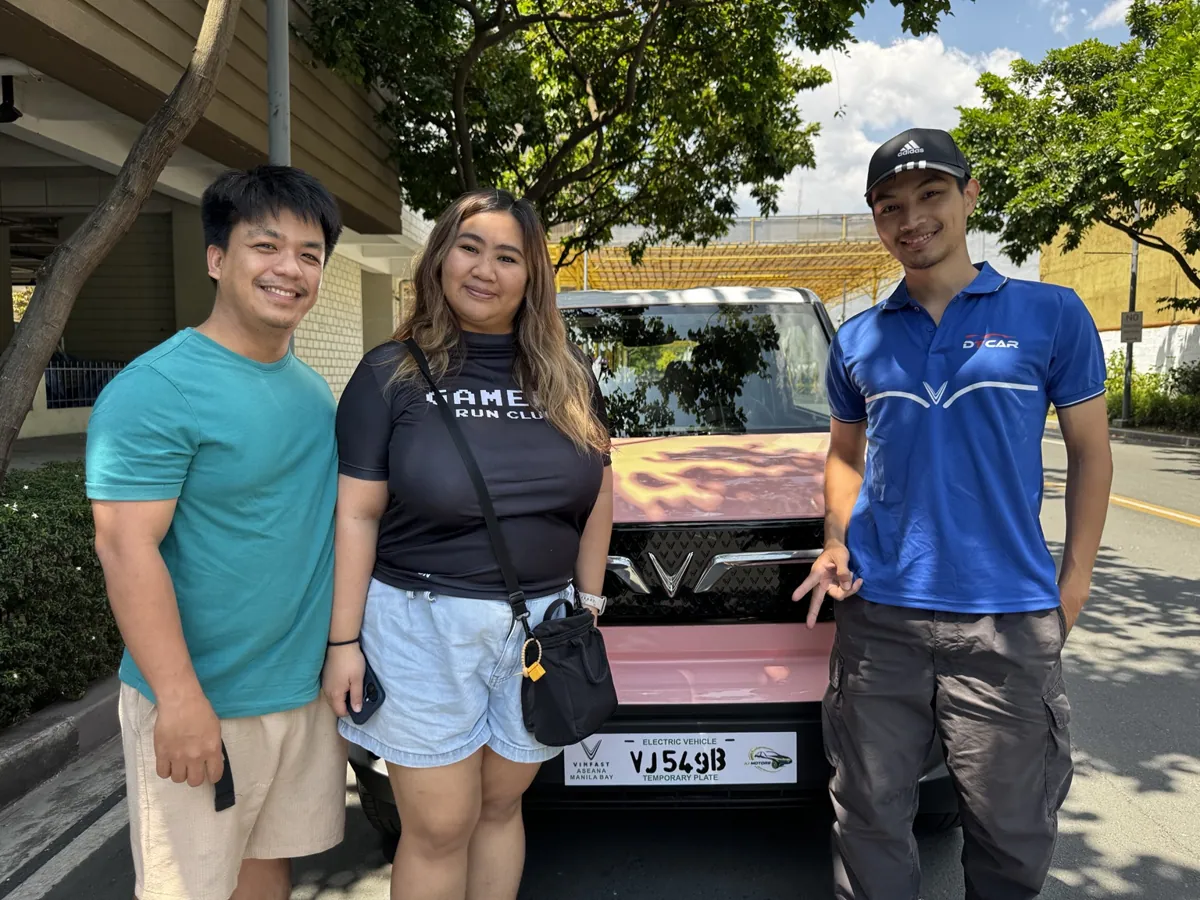
Check the order, keys, charging demonstration and outstanding items on VinFast delivery day.
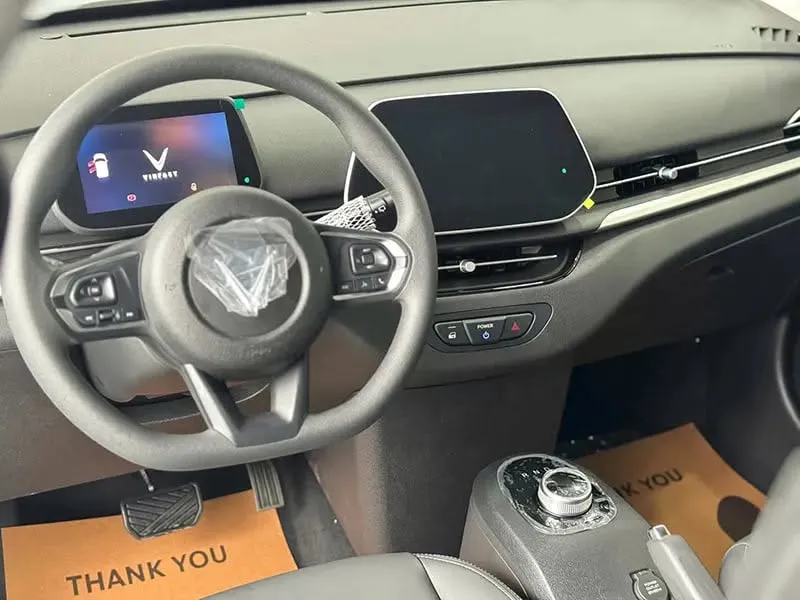
Estimate the energy for a daily Manila commute using a round trip, detour and observed consumption.

用菲律宾 VF 3 官方起售价作例子,拆开看车价、电池订阅费用和交付条件。

Mẫu nhắn DT Car để hẹn đúng xe demo, điểm gặp và giờ lái thử VinFast tại Metro Manila.
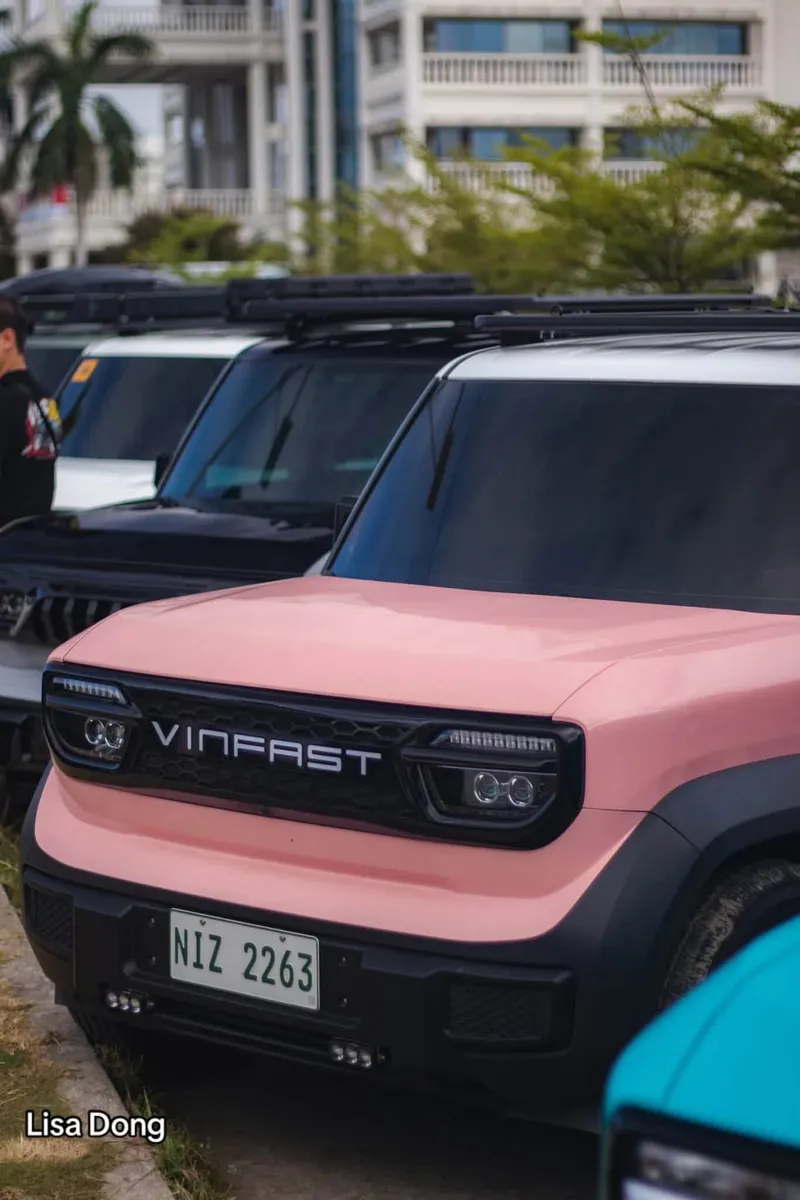
Tingnan ang Philippine VF 3 starting prices at ihambing ang dalawang battery arrangement sa parehong quote.
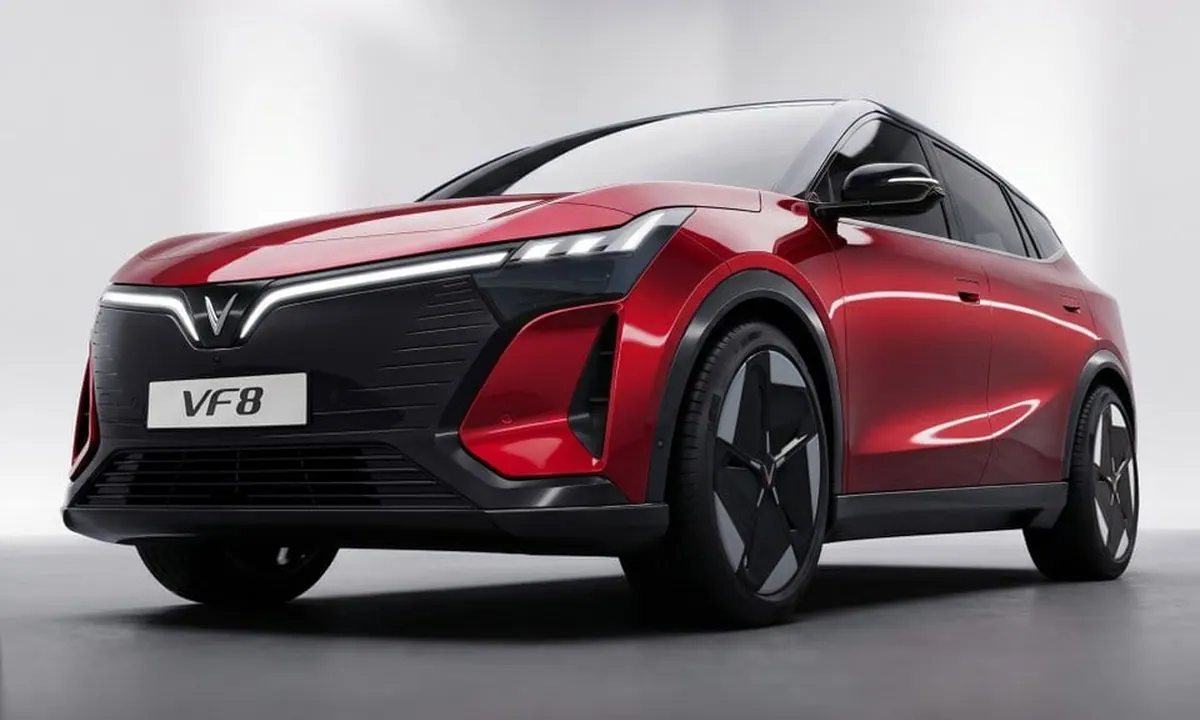
Compare the official Philippine VF 8 launch prices and prepare a written quotation for your battery arrangement.
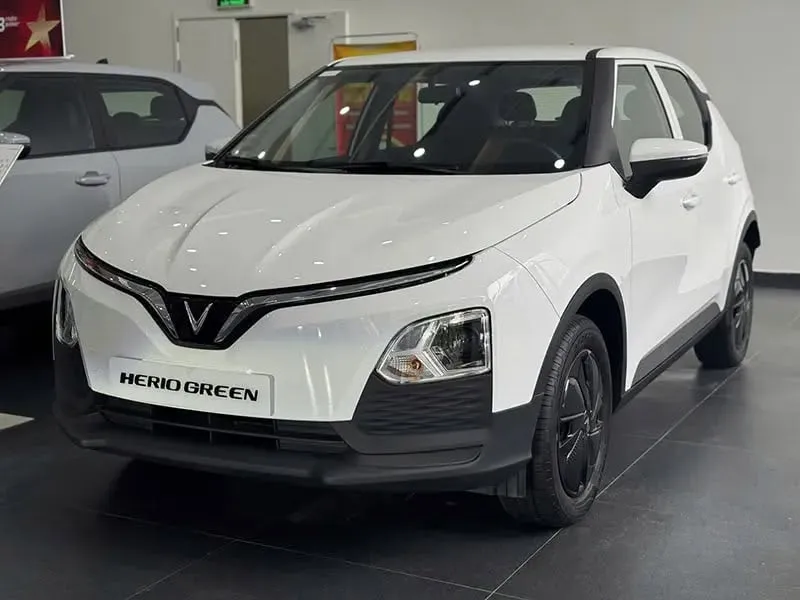
Compare Limo Green and Herio Green starting prices and prepare a Philippine fleet purchase enquiry.
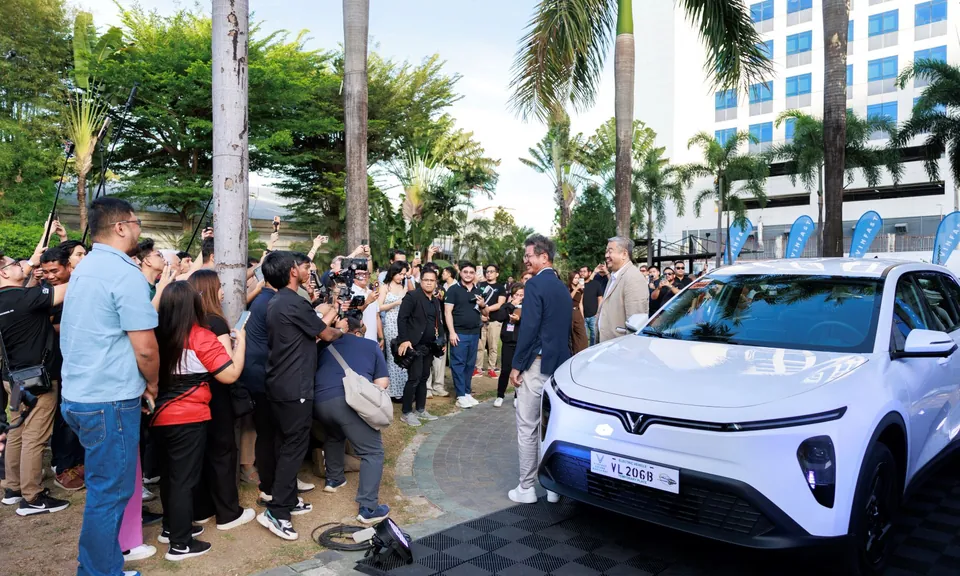
Check Philippine starting prices and usable luggage space for a seven-passenger family trip.
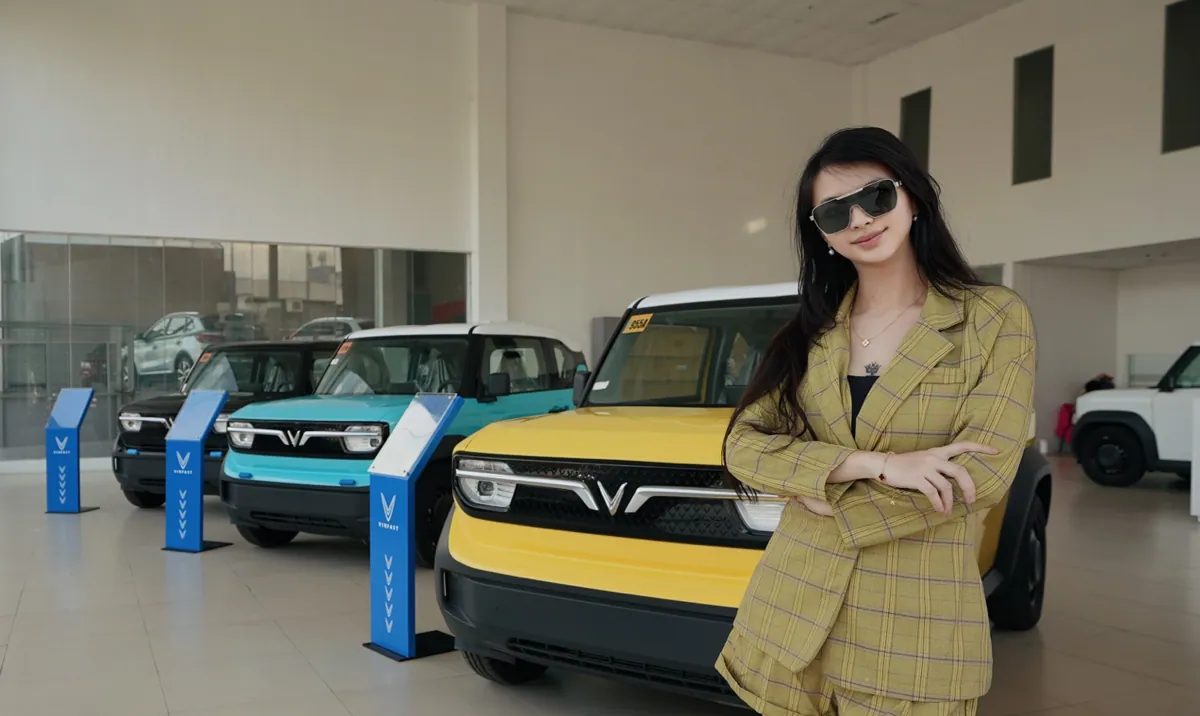
Prepare a test drive with an identified model, meeting point and questions about charging, parking and quotations.
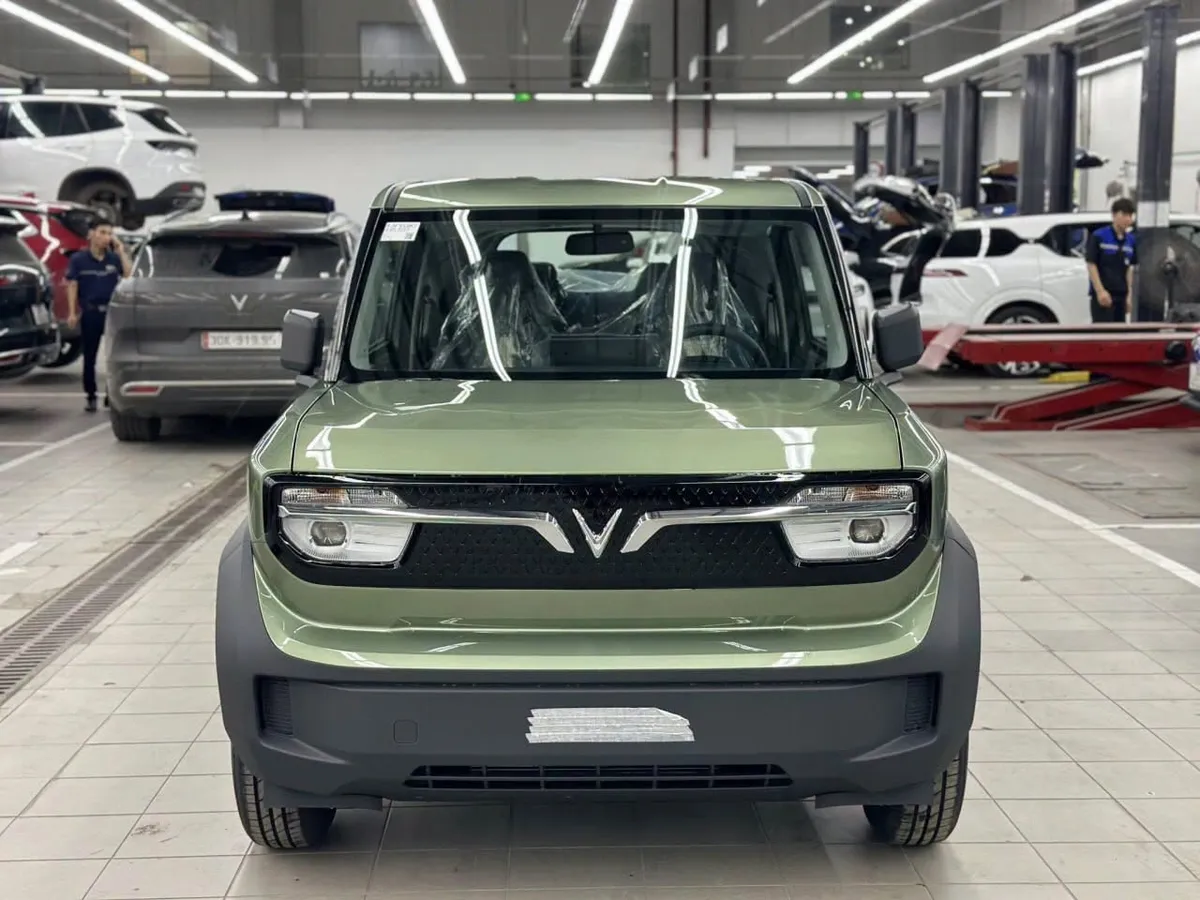
Compare VF 3 starting prices, battery options and quote details before arranging a VinFast test drive with DT Car.
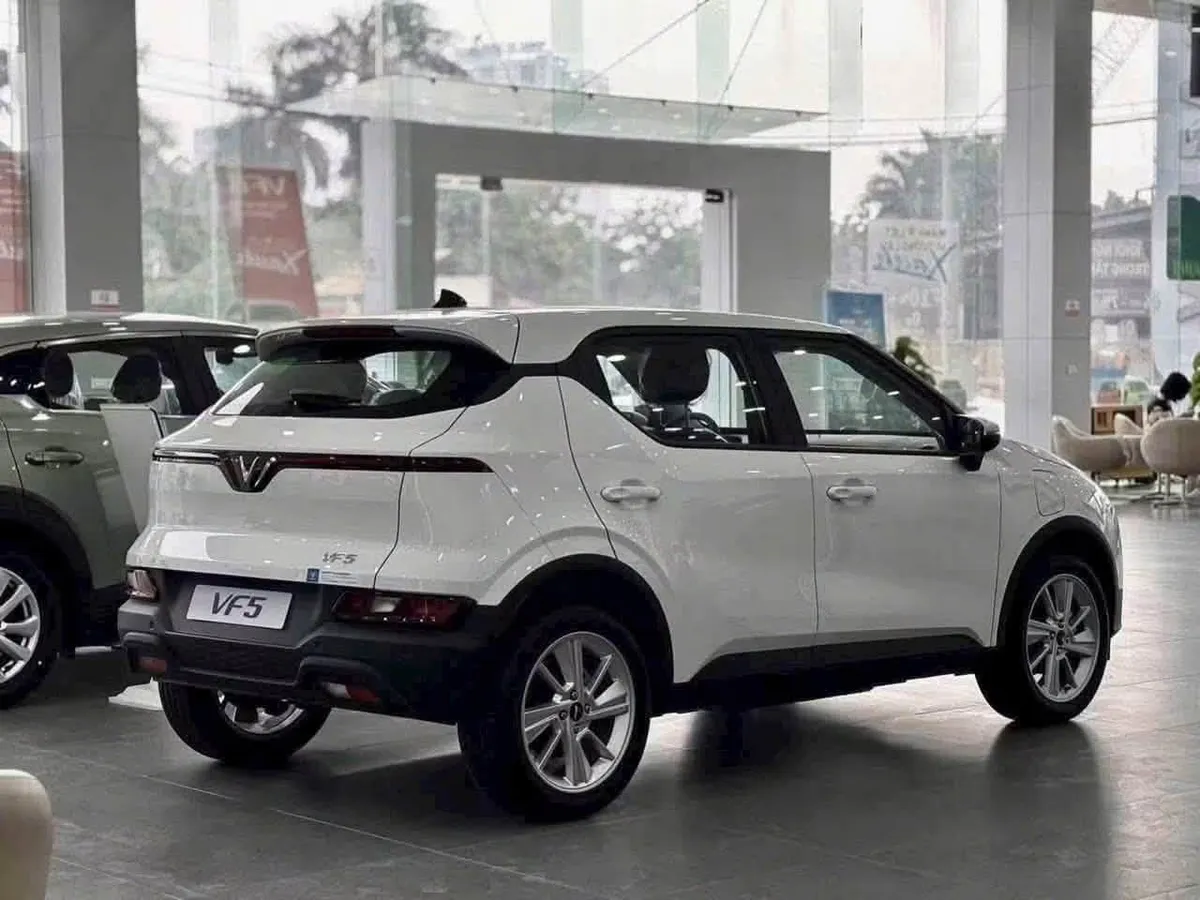
Check VF 5 Plus starting prices and prepare a practical family test drive, charging plan and written quotation.
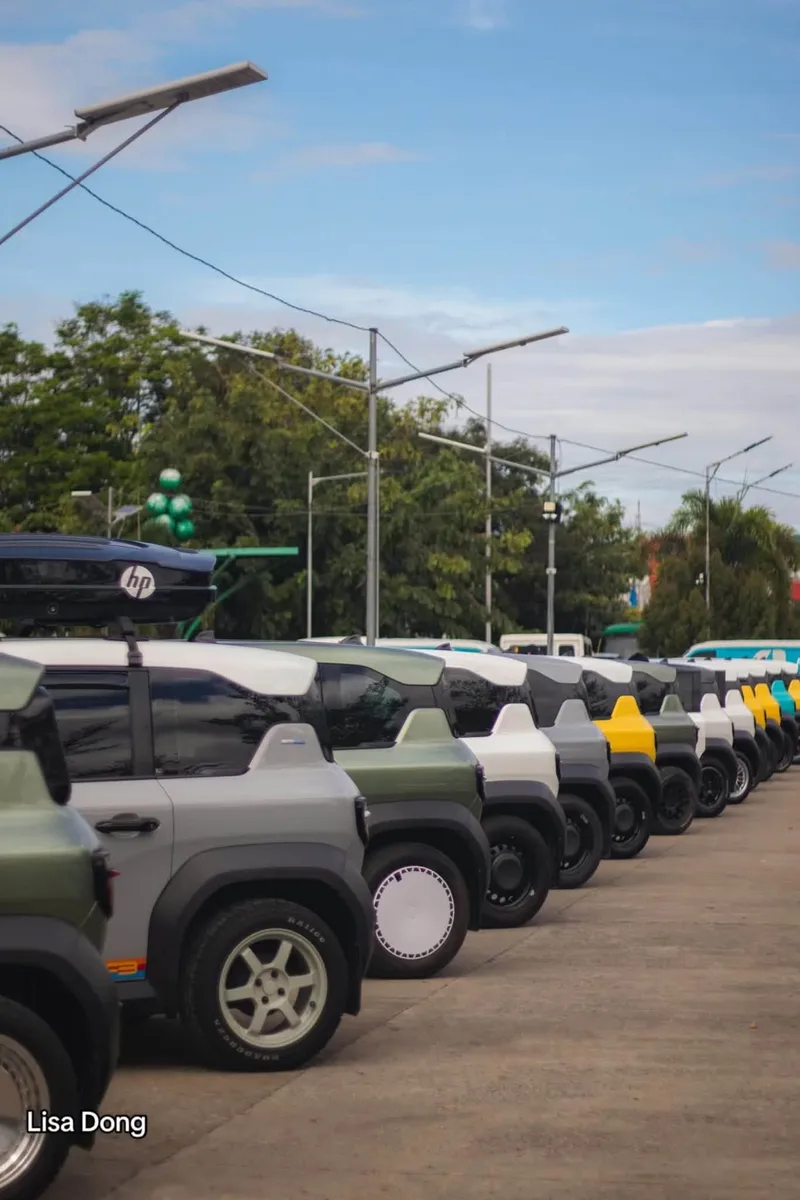
Compare the VF 3 and VF 5 by seating, quotation scope, parking and charging needs before arranging a Philippine test drive.
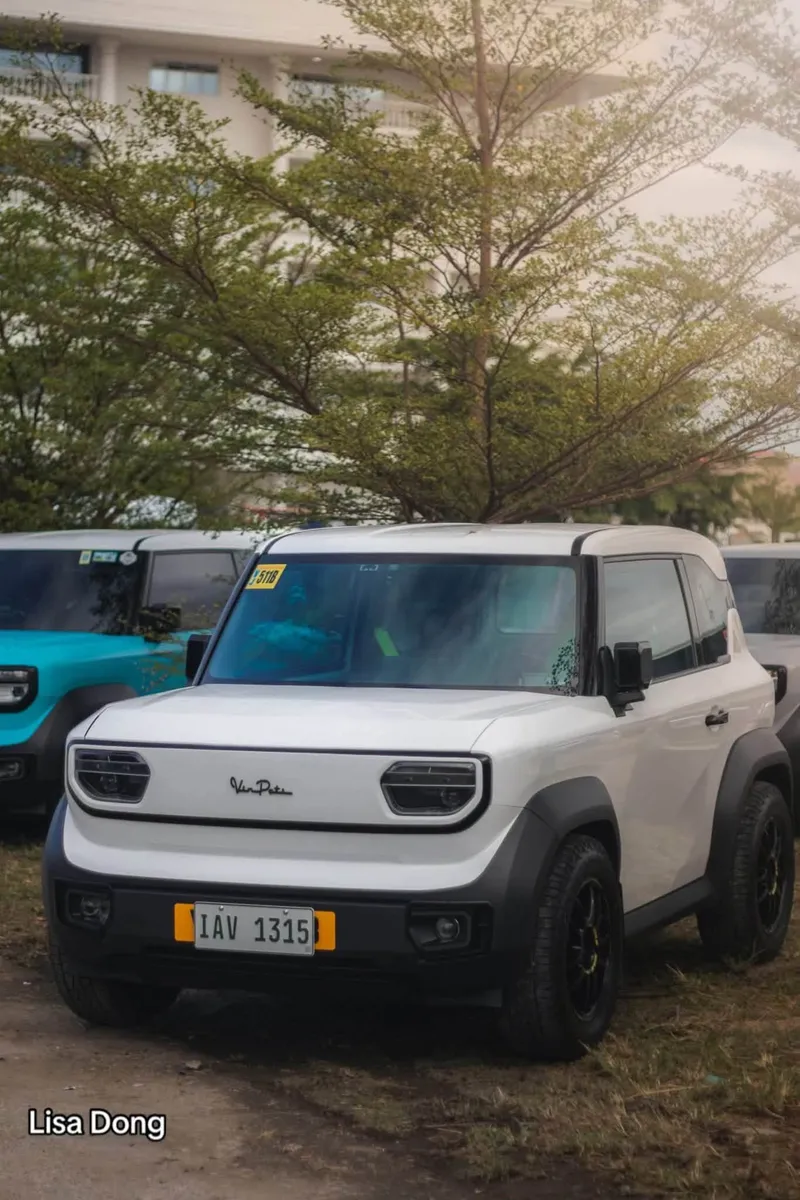
Read VinFast Philippine starting prices for selected models and compare battery arrangements, inclusions and availability.
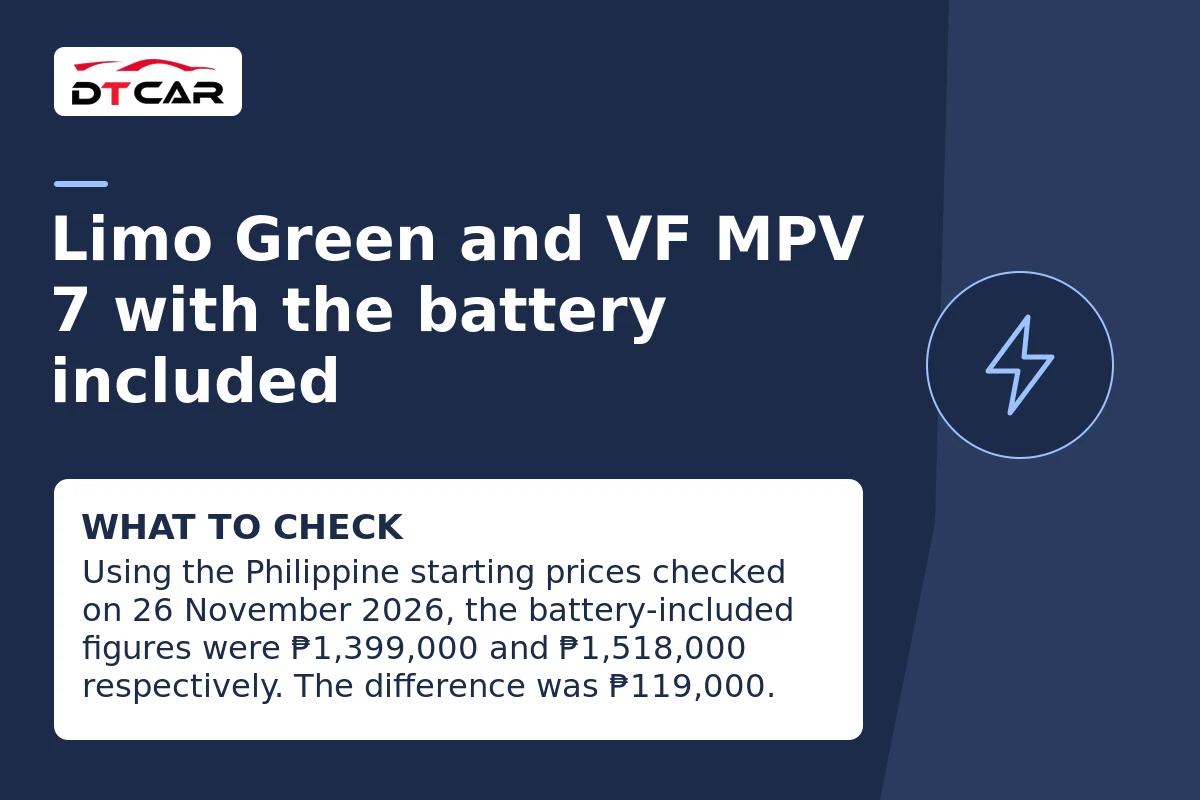
Using the Philippine starting prices checked on 26 November 2026, the battery-included figures were ₱1,399,000 and ₱1,518,000 respectively.
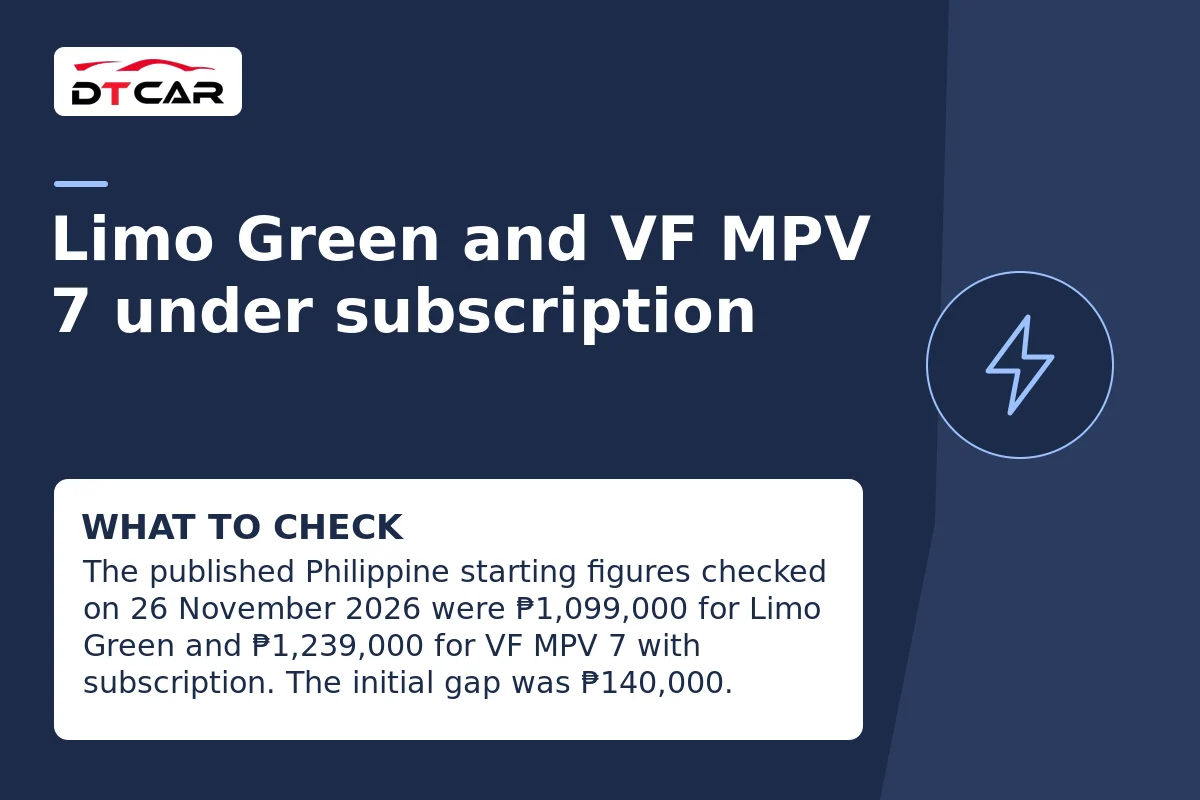
The published Philippine starting figures checked on 26 November 2026 were ₱1,099,000 for Limo Green and ₱1,239,000 for VF MPV 7 with subscription.
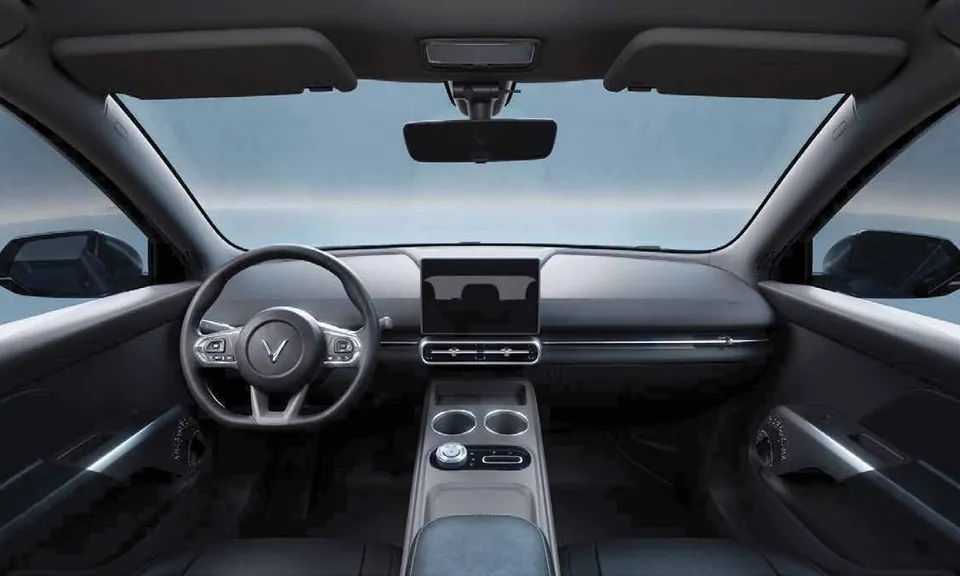
Use the kilometres from three real months rather than multiplying a quiet week by four.
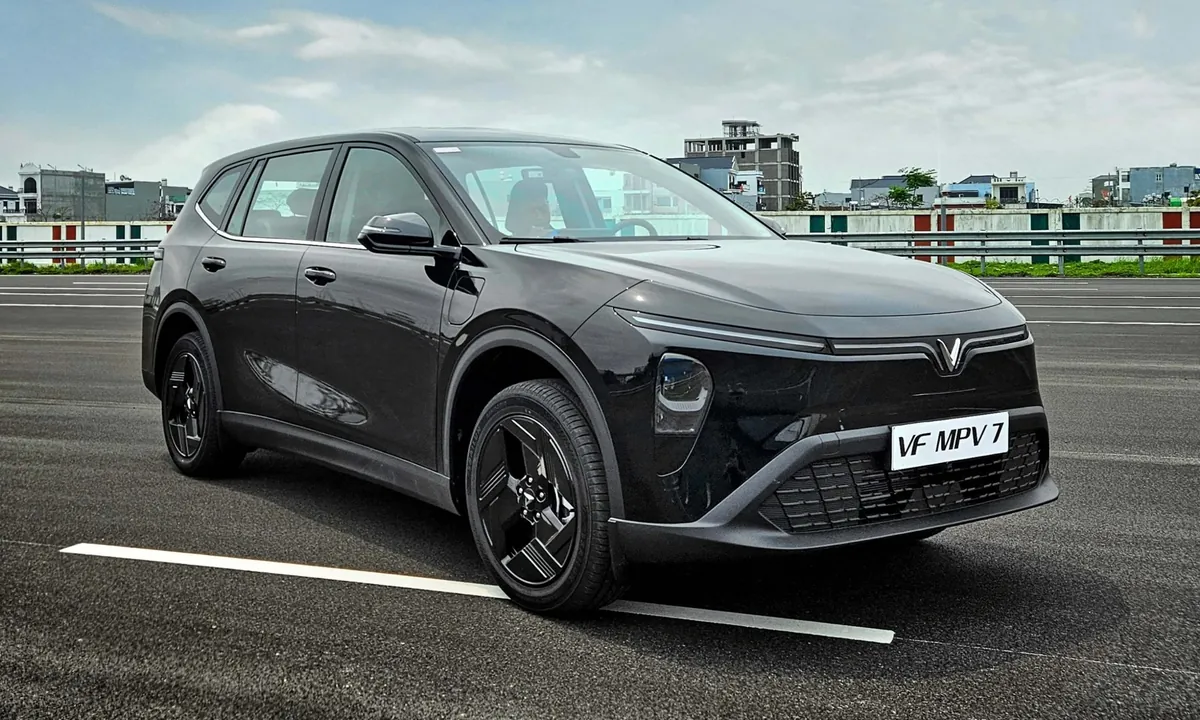
Request the cash price, down payment, instalment count and final payment from the same lender quotation.
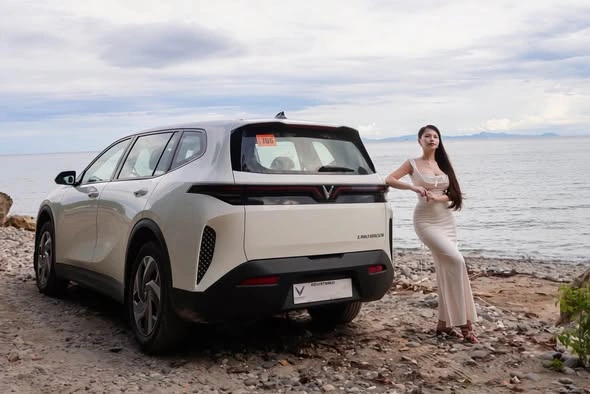
Send the model name, number of passengers and two date windows.
Give the adviser the model, city and a day when you can reach the meeting point.
Ask where the vehicle is currently located and whether the quotation includes transport to the intended handover point.
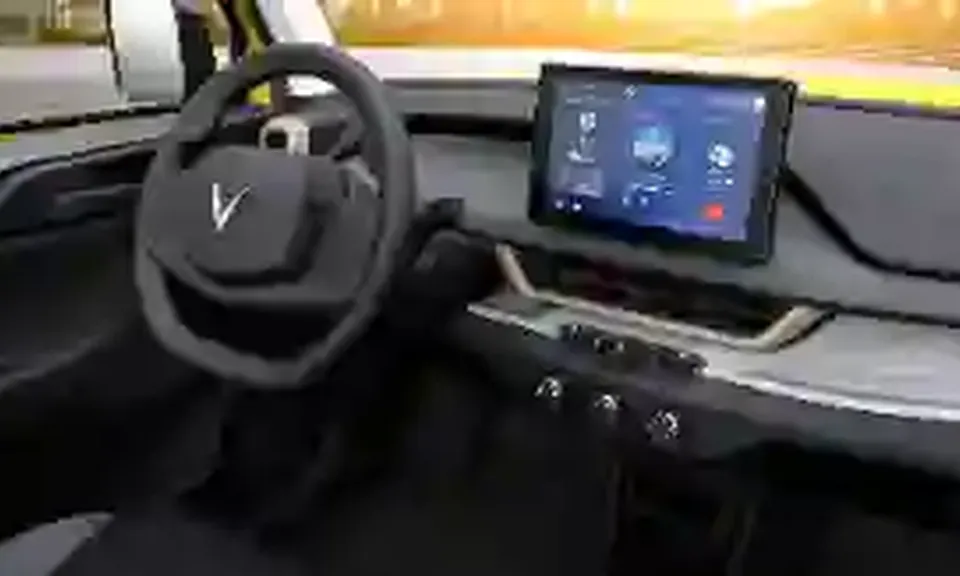
At the published figures of ₱590,000 and ₱745,000 checked on 26 November 2026, the upfront gap was ₱155,000.
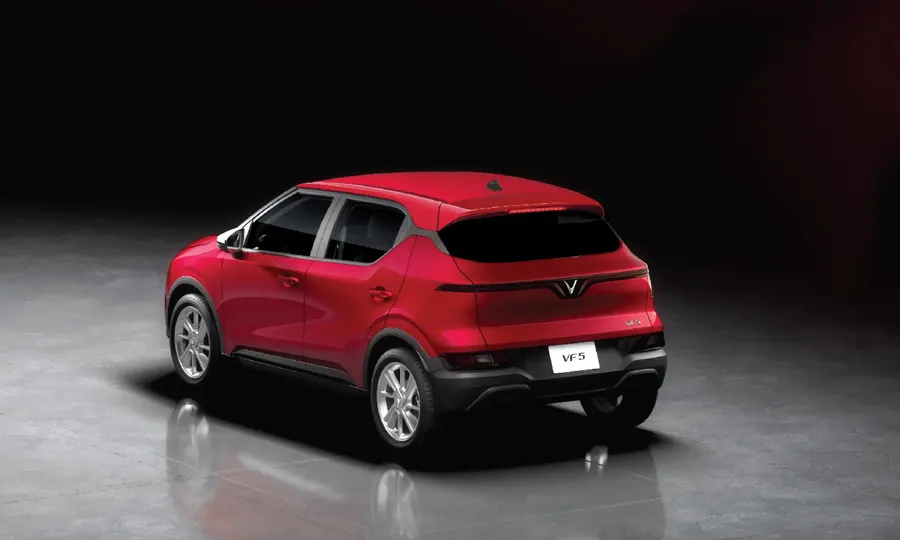
Ask the adviser to mark model year, battery arrangement and the exact version on the first page.
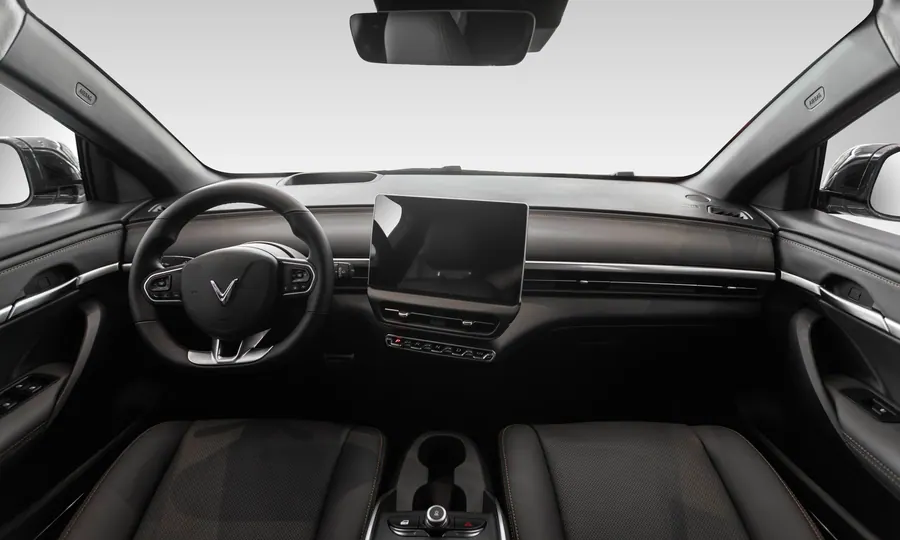
On the demonstration, let each driver set the seat, adjust the mirrors and try the controls they expect to use daily.
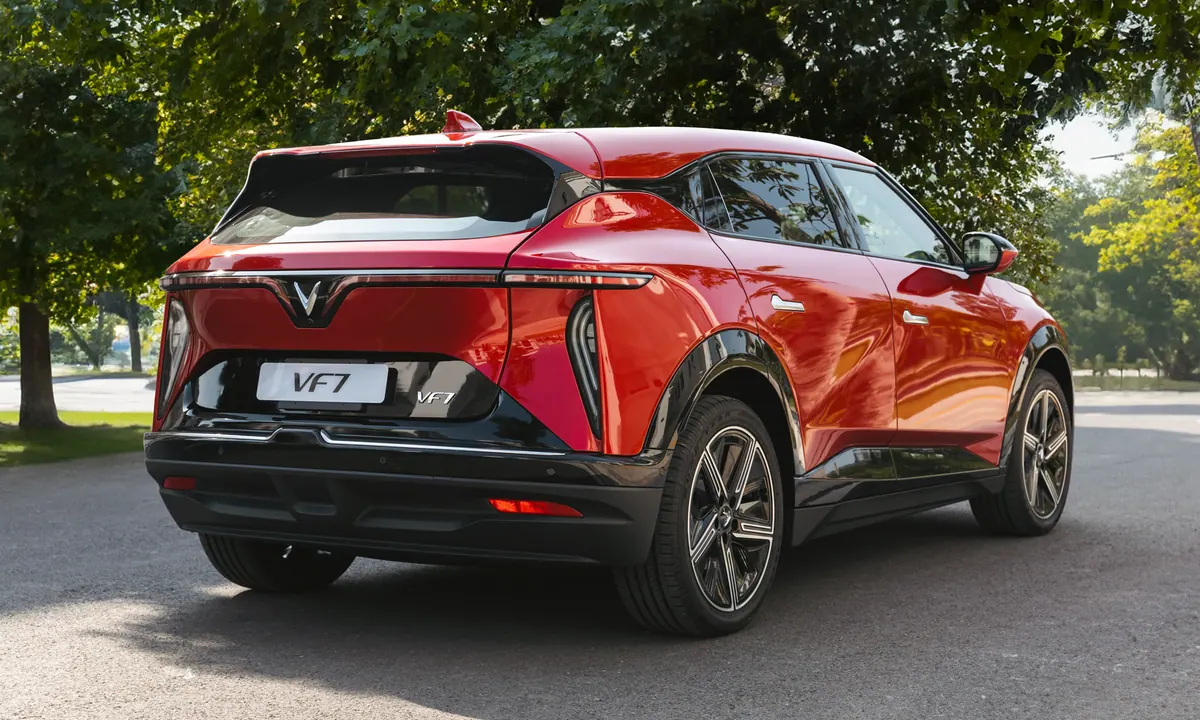
Make two lists before visiting the showroom: features you require for the route and optional equipment you would pay extra for.
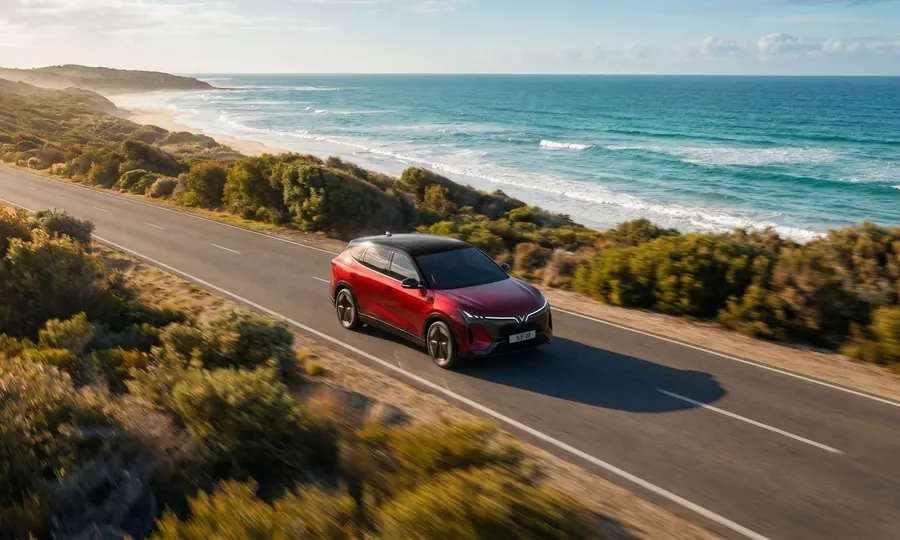
Save the date, trim and battery terms of the launch announcement.
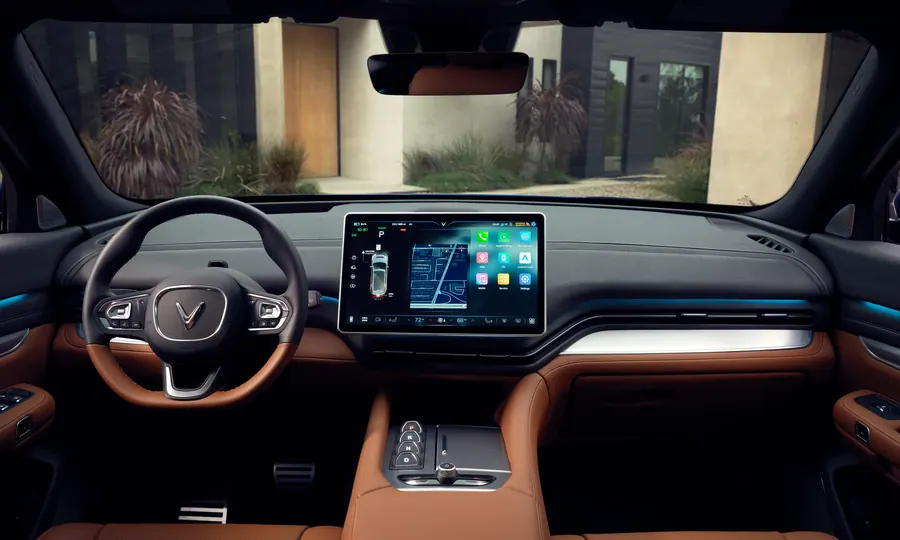
Test all intended seats with the family bags aboard.
Separate a colour preference from an allocated vehicle in writing.
Request the legal name on the order, the authorised receiving account and the receipt format.
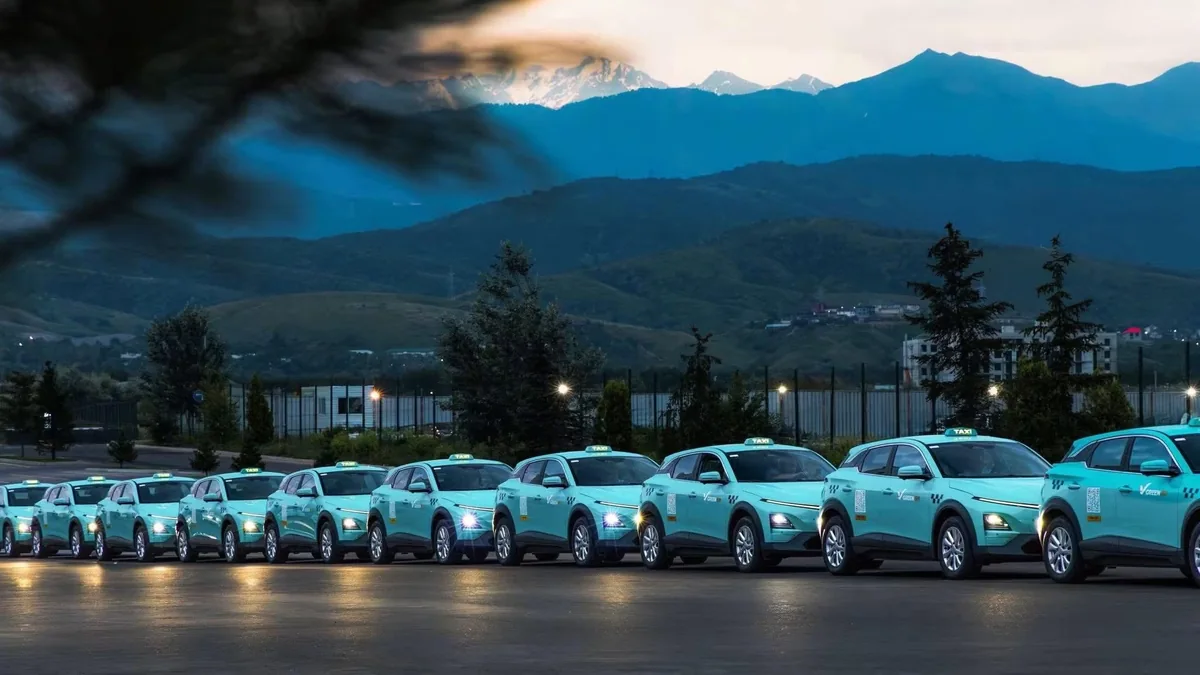
Write the minimum vehicles needed on each date instead of one total fleet size.

List the charger hardware, assessment, installation and building permissions on separate lines.
Ask the landlord who controls electrical work and whether the parking agreement allows a charger to remain when the lease ends.
If you need 24 kWh and actually average 30 kW, energy transfer alone takes about 48 minutes.
Record start and finish charge level, kilometres and paid energy across comparable shifts.
Load the actual suitcases into each car with the same seats occupied.
Ask two providers to quote the same vehicle value, deductible, declared battery arrangement and intended use.
Write down every regular payment and the amount deferred to the last date.
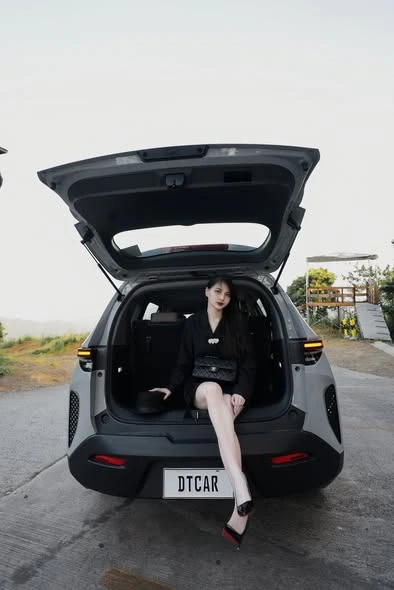
Try the largest hard case upright and flat while the rear seats are needed.
Ask for the applicable Philippine warranty booklet, its date and the conditions for your trim and use.
Supply the intended invoice name, handover city and contact authorised to accept the vehicle.
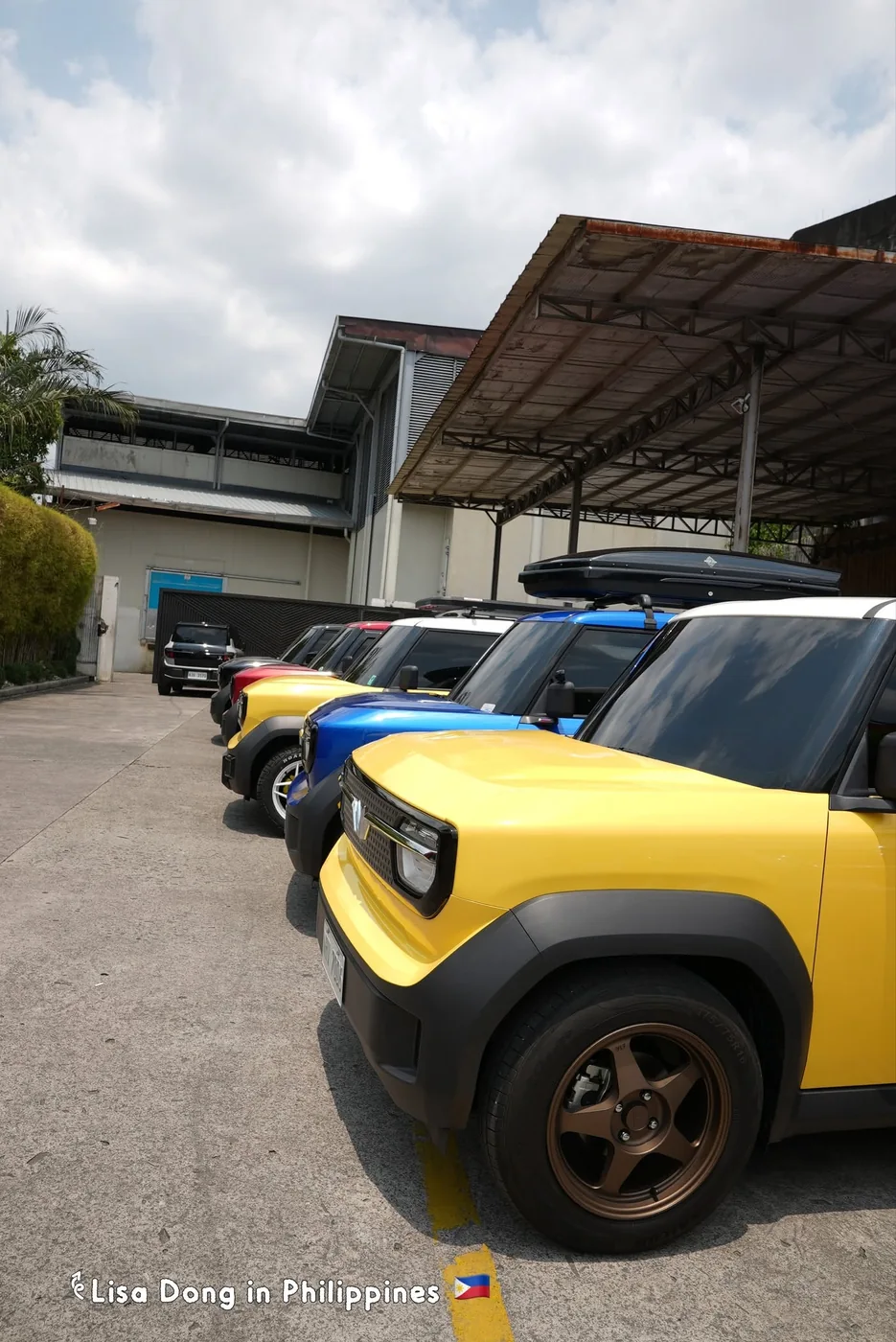
Ask separately about the demonstration car, saleable stock and factory orders.
Record the exact subscription fee rules, covered mileage and end-of-contract options.
Map a normal week using the chargers available near home or on your actual route.
Tell the adviser you need both demonstrators at the same location on the same day.
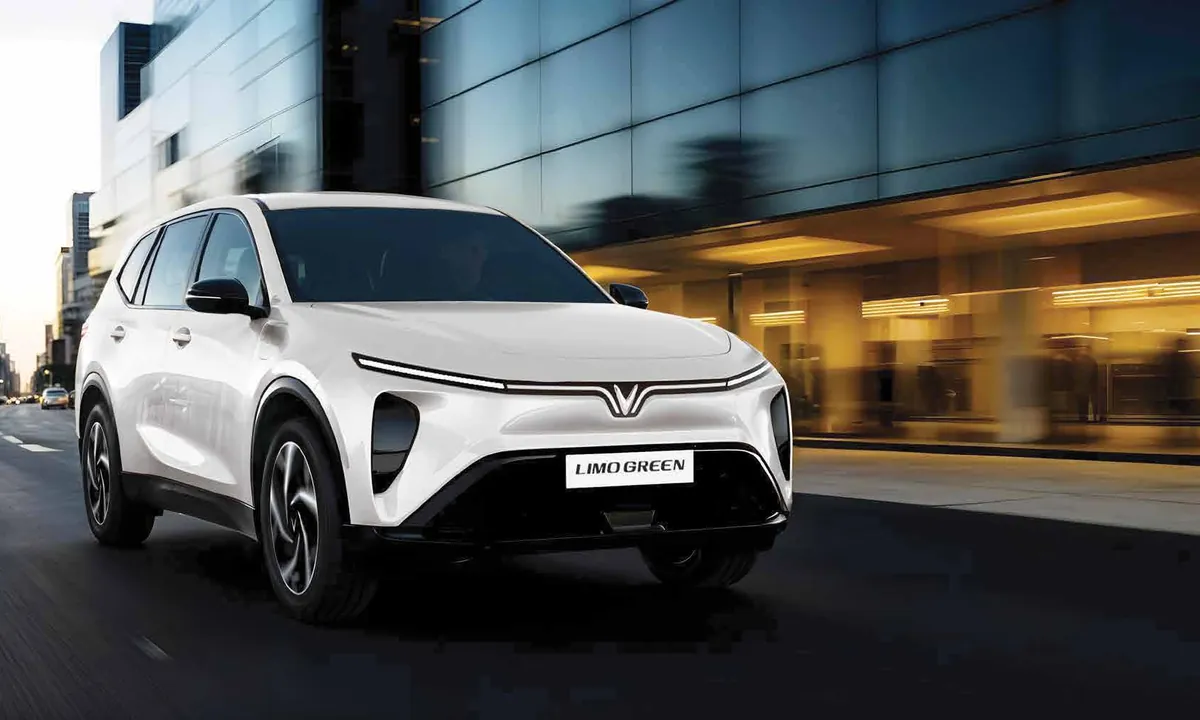
Write down the longest shift distance, normal passenger load, air-conditioning use and the charge level at which you want to return.
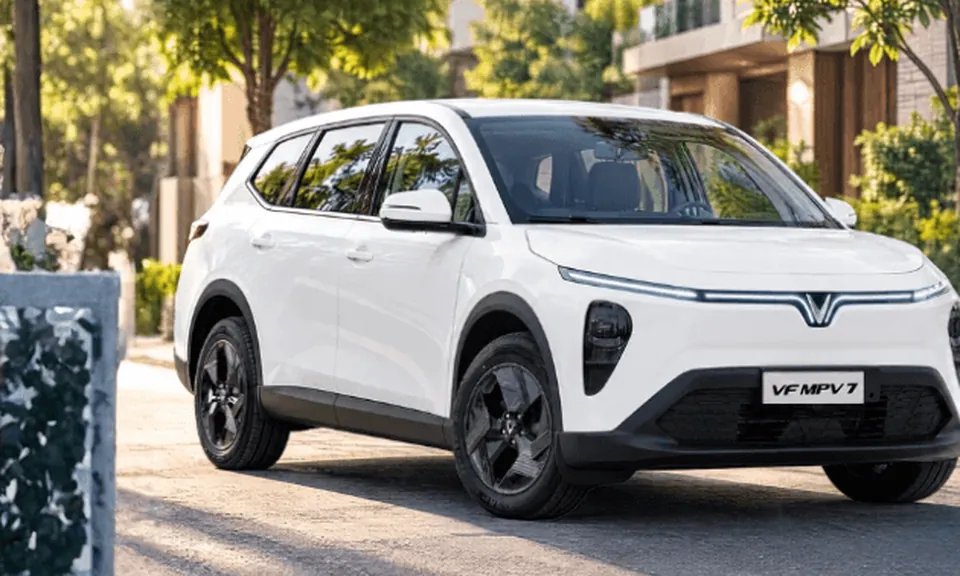
Record where each household parks, who can charge there and how the second driver receives the car.
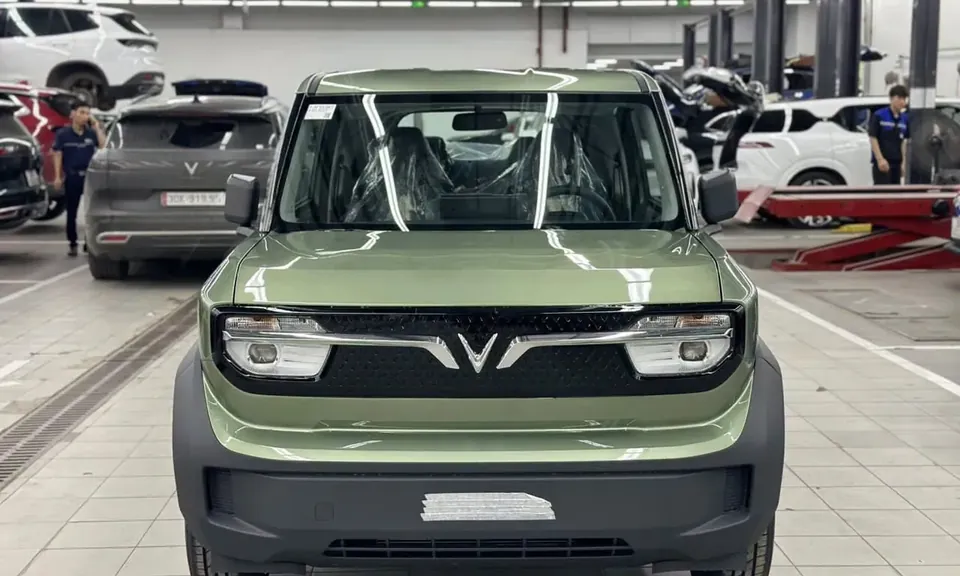
Request a complete cash quotation and a lender schedule for exactly the same vehicle and battery arrangement.
Identify a backup reachable with a reserve and check its connector, access hours and payment method before leaving.
Model a normal week and a peak week separately.
Ask for collection at the release point and delivery to your address as separate lines.
Set the driver's seat to its usual position and put regular adult passengers in row two.
Compare the station, vehicle account, energy delivered, time connected and line items on the session receipt.
Send the model, trim, odometer, date of the previous service and the task you need.
Find the warranty document for the exact vehicle and ask the authorised service channel how to begin a claim.
Check whether each estimate covers diagnosis, a proposed repair or both.
Provide your starting location and the exact issue when requesting the appointment.
Put invoices in date order with odometer readings and identify the vehicle on each.
Record the full message, date, mileage and conditions when it returned.
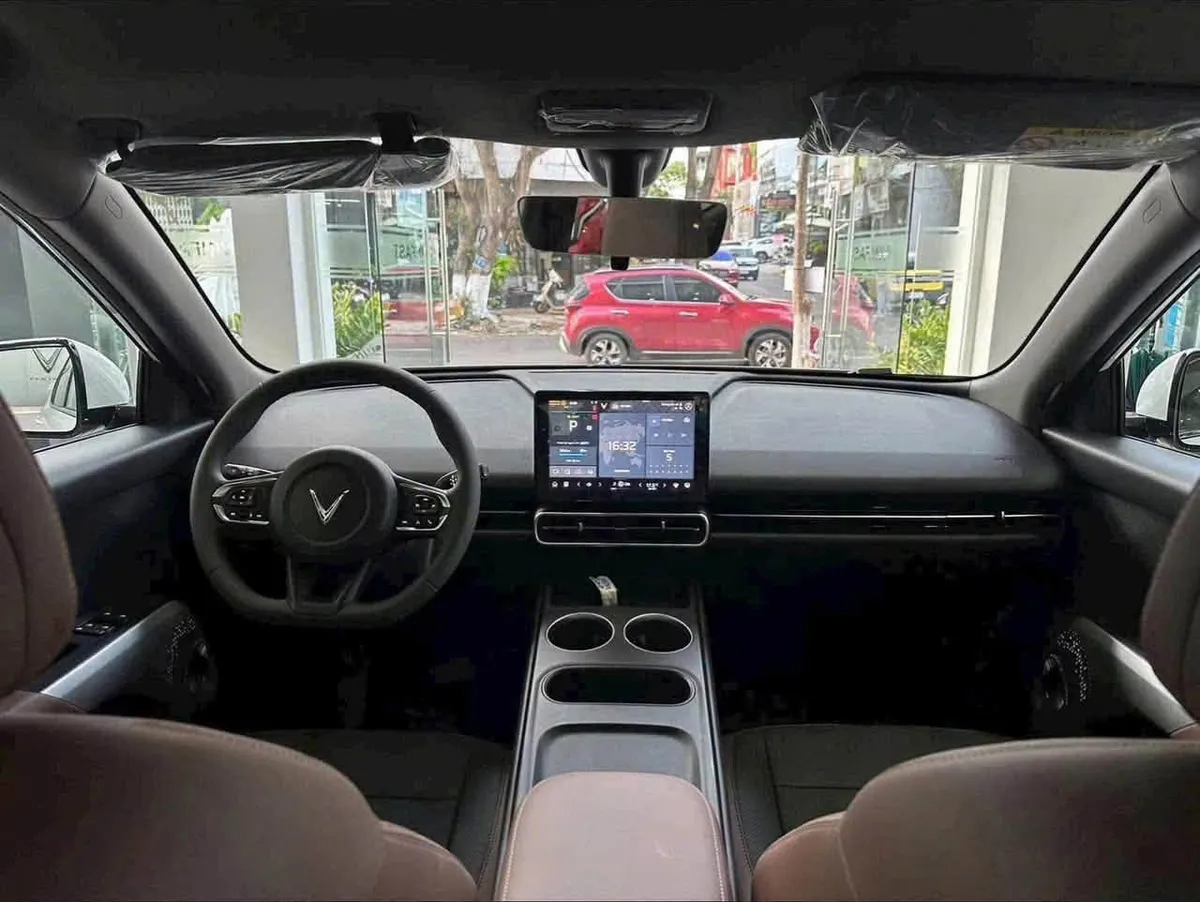
Record a dashboard warning and contact an adviser with the exact wording, time and circumstances.
Organise VinFast maintenance records, open work and coverage enquiries before a vehicle sale.
Prepare a timeline and job-order reference when an EV symptom returns after a workshop visit.
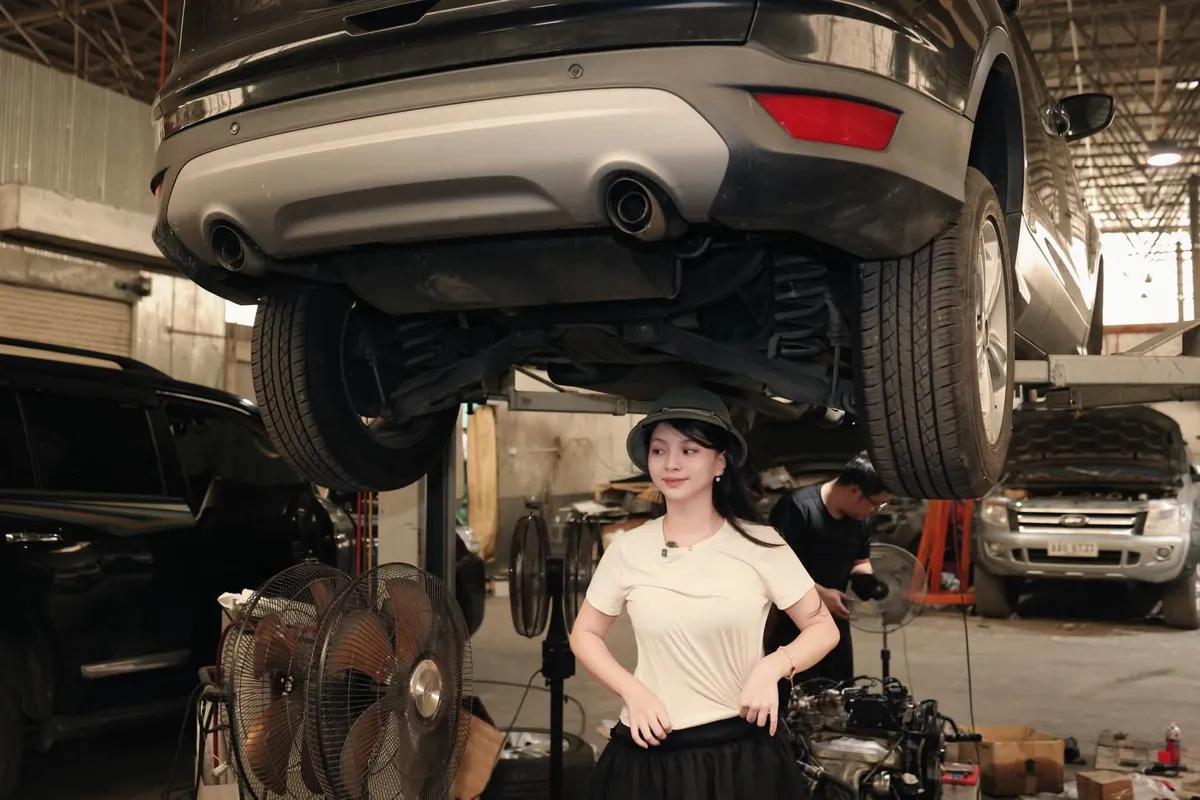
Mẫu thông tin gửi trước cho cố vấn dịch vụ, cách xác nhận điểm nhận xe và duyệt chi phí phát sinh.
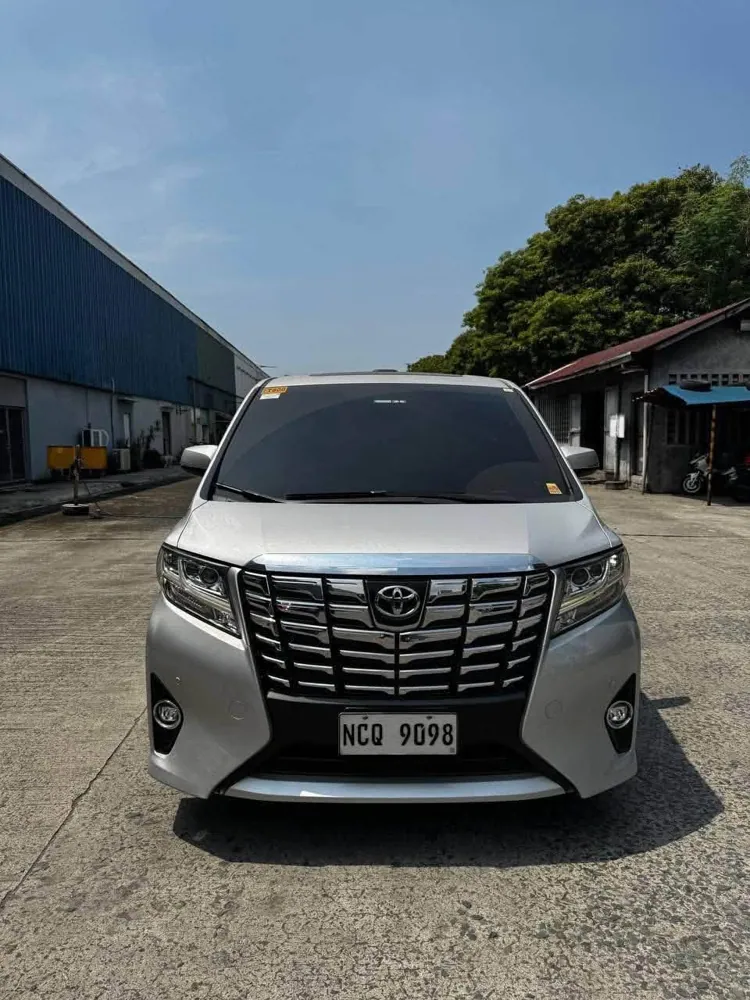
Hướng dẫn gửi thông tin, ảnh xe và đặt lịch kiểm tra với DT Car bằng tiếng Việt tại Metro Manila.