
OWNERSHIP
New vs Used Car: A Practical Philippine Buying Guide
Compare new and used cars using actual quotations, ownership costs, condition and delivery timing rather than purchase price alone.
DT Car Philippines ·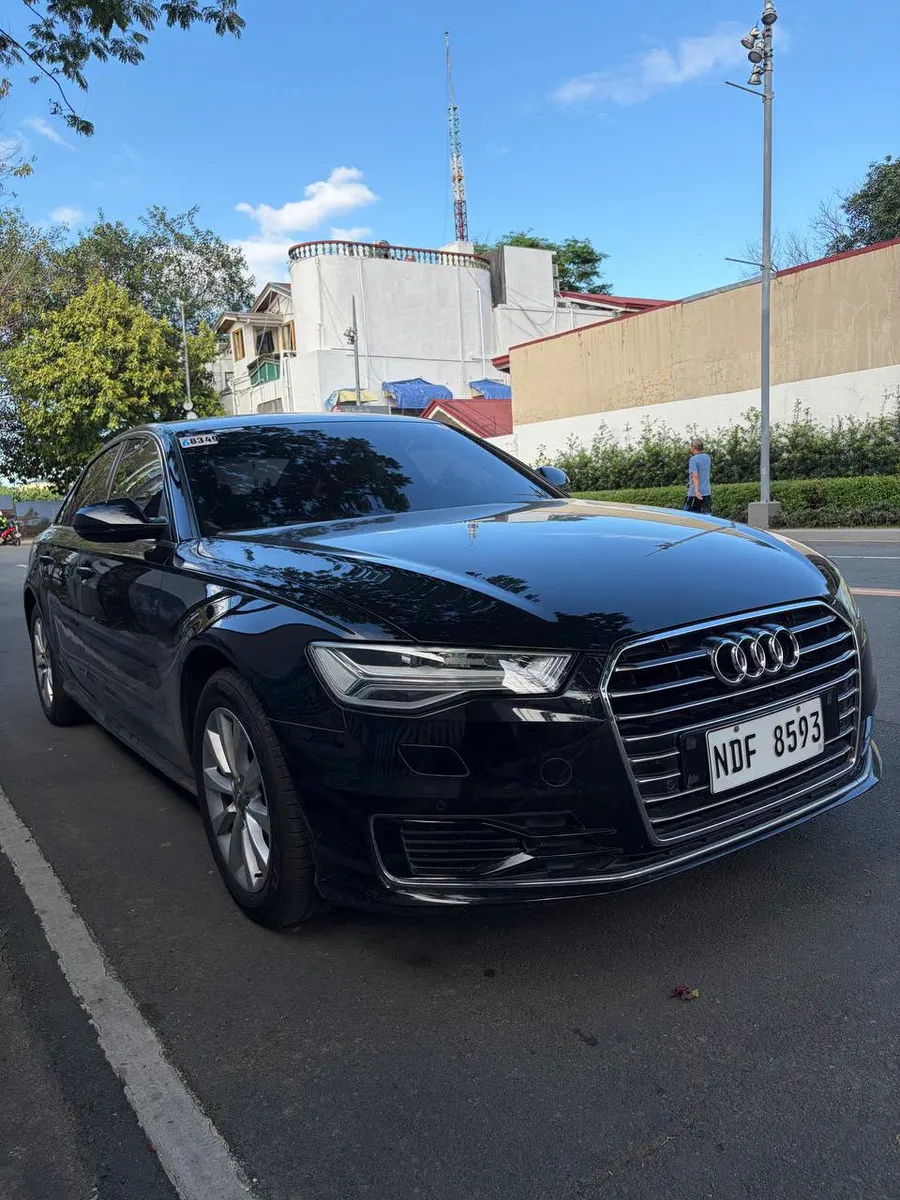
Start with comparable vehicles
Set the passenger space, parking fit and intended use before comparing prices. A new small car and a used larger SUV may cost a similar amount but solve different transport problems. Decide whether the extra space is essential and whether the larger vehicle fits your normal parking and driving routine.
Use exact variants and dated quotations. Record what is included, which costs remain outside the price and whether the offered vehicle can actually be delivered when you need it. Avoid comparing an advertised starting price with an all-inclusive quotation as though they cover the same items.
Budget for the first year, not just collection day
Create separate lines for purchase, insurance, registration-related expenses, energy or fuel, scheduled servicing and any repairs identified before purchase. For a used car, ask an independent inspector which items need attention immediately and which can reasonably be planned later.
For a new vehicle, request the maintenance schedule and the warranty terms for the exact model. For a used vehicle, verify any remaining warranty with the relevant provider. A seller’s statement that a car is still under warranty does not establish what is covered or whether particular conditions have been met.
Consider how much uncertainty you can absorb
A lower purchase price may leave more cash available for maintenance, but the condition of the actual used vehicle is crucial. Recent records and a thorough inspection help you judge it. A newer purchase may offer a different support arrangement, yet it still needs scheduled care and a realistic delivery plan.
Think about the practical cost of downtime. If this is the only household vehicle, ask how you would manage school runs or work during repairs. If another vehicle is available, your tolerance for waiting may be different. Make that assumption explicit instead of treating every buyer’s situation as the same.
Use a simple decision sheet
Give each candidate a row for seating, parking, all-in purchase cost, first-year spending, documented condition, warranty and availability. Mark information you do not have as unknown. Obtain the missing quote or inspection result before declaring one option cheaper.
Ask DT Car about current used-car options or a VinFast quotation, depending on your shortlist. Keep the actual offers side by side and choose the vehicle that meets your requirements within a budget you can sustain. Future resale values remain uncertain and should not be presented as guaranteed returns.
Should I buy new or used for the same first-year budget?
Compare the delivered new price and warranty against the used price plus inspection, due servicing, repairs and coverage. Use the same first-year distance and use case.
How can I compare a new-car quote with a used-car offer?
Compare the same first-year budget and required features. Include delivery and fees on the new car and inspection, immediate repairs and paperwork on the used one.
When does the warranty affect my comparison?
Check remaining coverage, exclusions and transfer requirements in writing. Compare a repair expense only with coverage that actually applies.
Your preparation checklist
- Compare vehicles meeting the same needs.
- Estimate first-year costs separately.
- Verify condition and warranty terms.
- Confirm a realistic delivery date.
Take the next step
Looking for a used car in Manila? Send DT Car your budget, preferred models and location to discuss current options and a viewing by appointment.
Ask about current used-car options →